Introduction
Nestled in the heart of Stockholm, Djurgården and the adjacent Djursborg district are two destinations that exemplify the Swedish capital’s profound blend of history, culture, and urban sophistication. Djurgården, once a royal hunting ground established in the 16th century, is today one of Stockholm’s most beloved islands, renowned for its museums, gardens, and vibrant recreational spaces (World Travel Guide). Its designation as part of the world’s first National Urban Park in 1995 underscores its significance as both a historical and ecological treasure (Visit Stockholm).
Djursborg, meanwhile, tells a story of Stockholm’s urban transformation. Once a 17th-century royal estate, it has evolved into a distinguished residential block in Östermalm, reflecting early 20th-century city planning and architectural ambition (Wikipedia). Together, Djurgården and Djursborg provide a comprehensive perspective on Stockholm’s evolution—from royal retreat to metropolitan marvel.
This guide delivers everything you need for a rewarding visit, including historical context, cultural highlights, practical visitor tips, accessibility guidance, transport options, and the latest on tickets and hours. Whether you’re drawn to iconic museums like the Vasa Museum, scenic walks through Rosendals Trädgård, or the architectural elegance of Djursborg, you’ll find detailed, actionable information below.
Historical Background of Djurgården
Royal Origins and Early Use
Djurgården’s roots lie in the 16th century when it was established by King John III as a royal hunting ground—hence its name, “Animal Garden.” For centuries, it remained a private domain for Swedish royalty (World Travel Guide). Gradually, the land opened to the public, especially in the 18th and 19th centuries, reflecting the democratization of urban space.
19th-20th Century Transformation
By the late 1800s, Djurgården had become a major recreational and cultural hub, hosting events like the 1897 Stockholm World’s Fair. This marked the beginning of its transformation into a center for museums, gardens, and public entertainment—the identity it retains today.
Djurgården Today: Urban Park and Cultural Hub
National Urban Park Status
In 1995, Djurgården was incorporated into the Royal National City Park, the world’s first national urban park, protecting its 27 square kilometers of green space and historic architecture from urban encroachment (Visit Stockholm). This status ensures Djurgården remains both a natural sanctuary and a vibrant part of city life.
Urban Planning & Accessibility
Stockholm’s 20th-century urban planning, including the “Million Program” housing initiative, prioritized access to public spaces. Djurgården benefited from these ideas, with improved transport links and pedestrian-friendly infrastructure (Academia.edu).
Djursborg: From Royal Estate to Urban Quarter
Historical Transformation
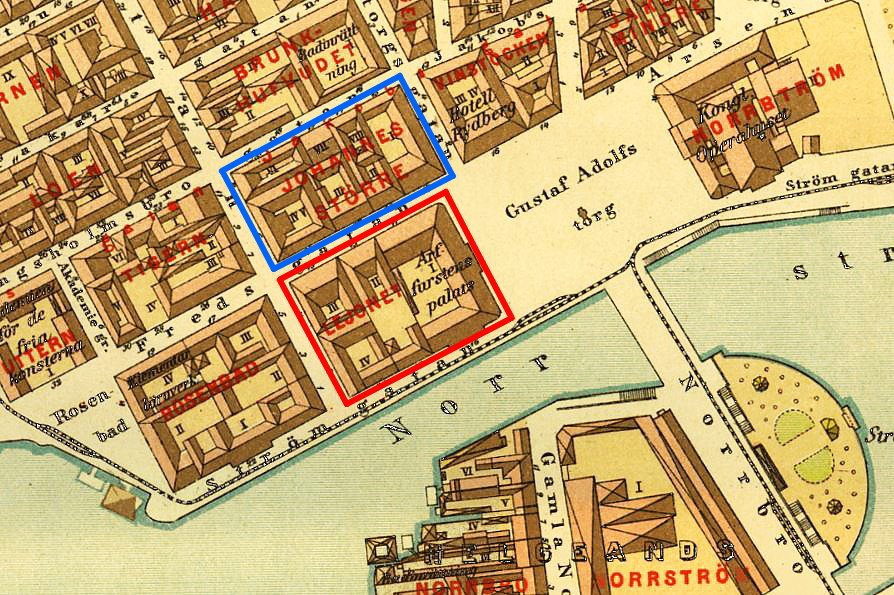
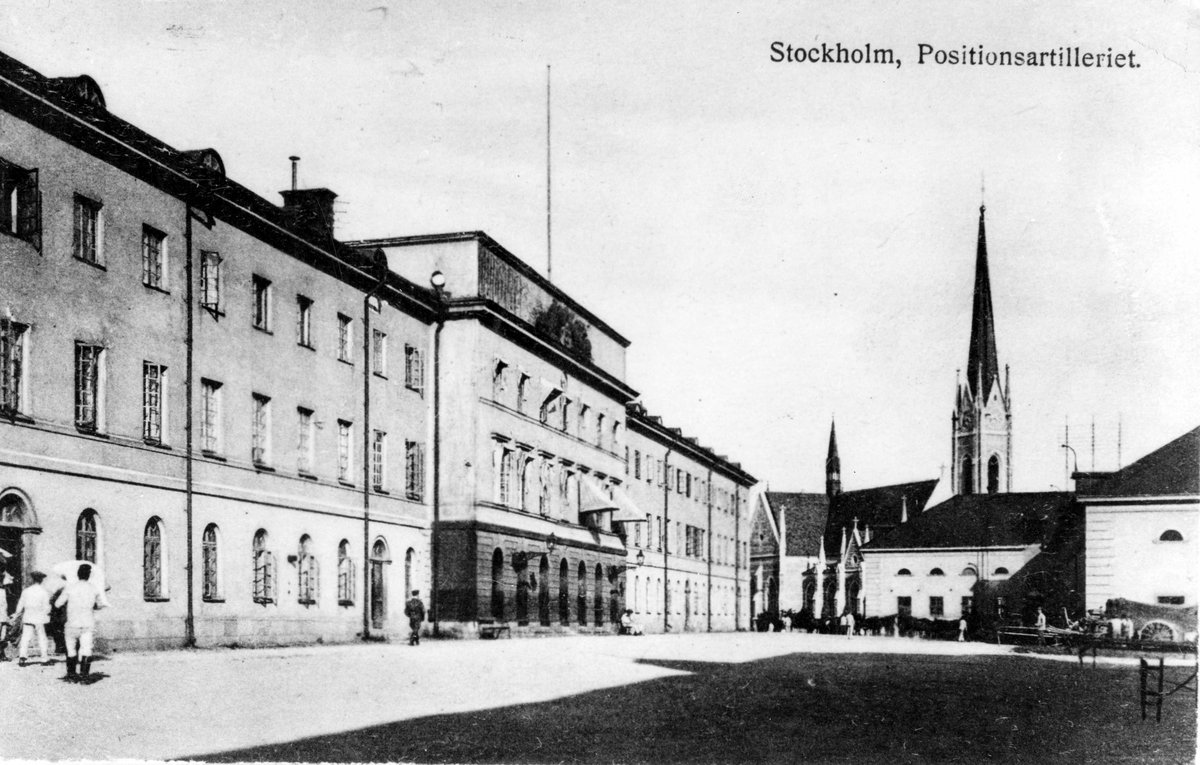
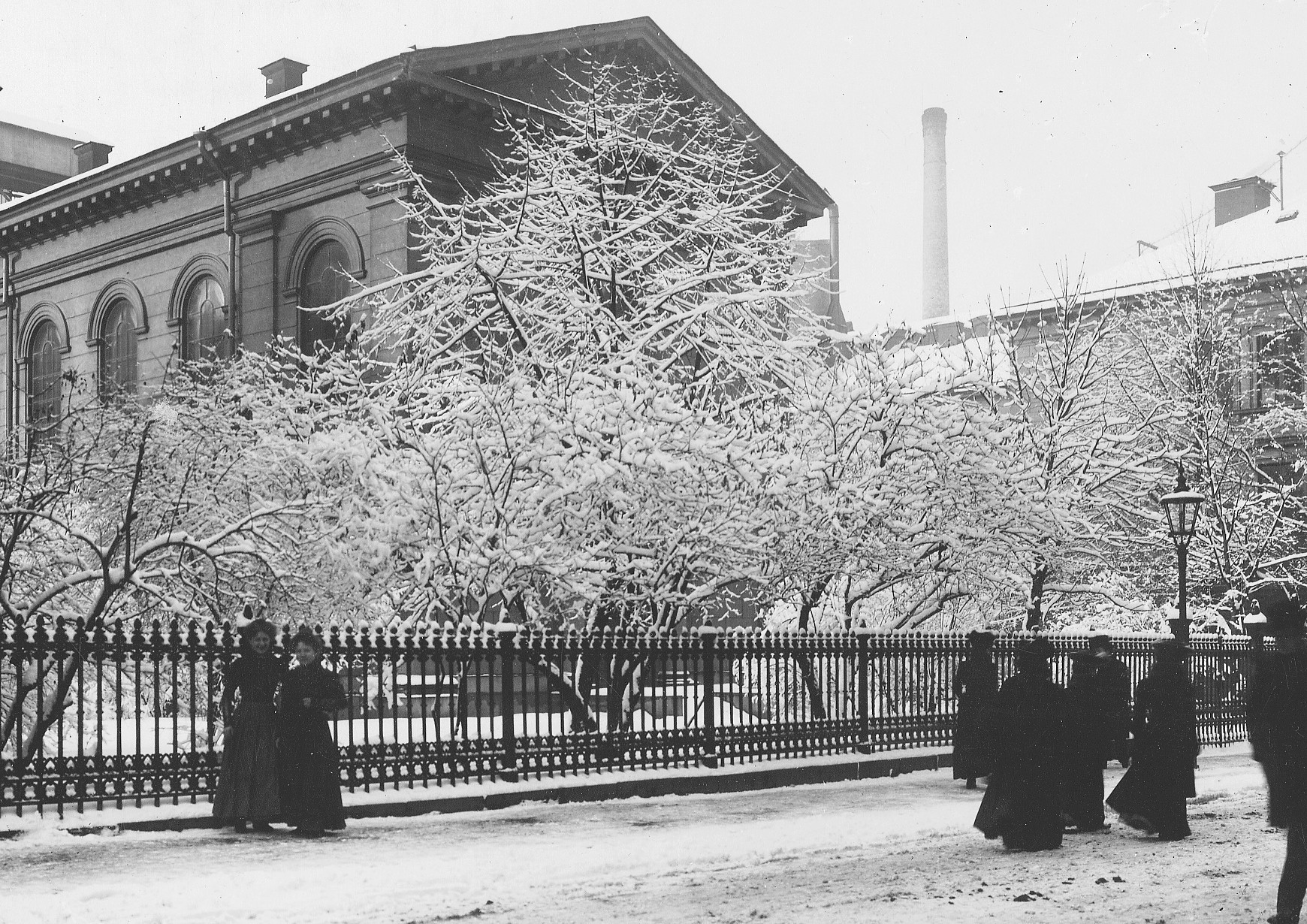
Djursborg began as a royal lodge in the late 17th century, serving as the home for the royal gamekeeper. Its manor and lands were eventually absorbed by the city’s expansion. Demolished in 1913, Djursborg was redeveloped as a city block (kvarter) in Östermalm, now bounded by Bältgatan, Erik Dahlbergsallén, Karlaplan, and Östermalmsgatan (Wikipedia).
Architectural Highlights
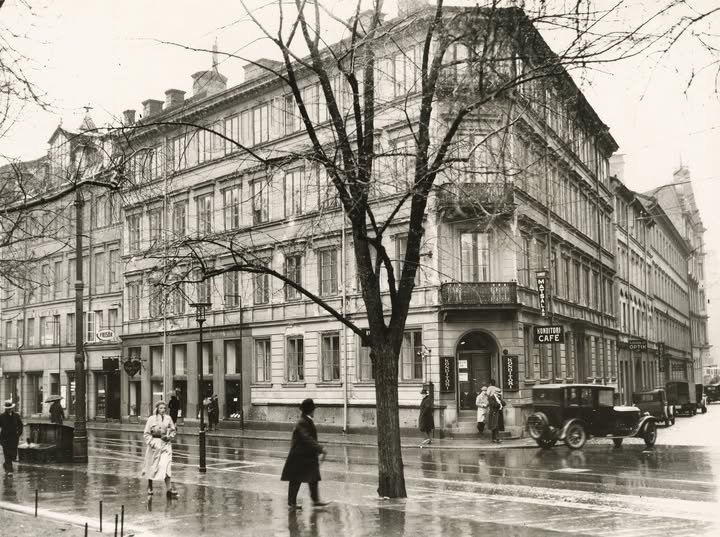

Early 20th-century buildings here, such as Djursborg 5 (Arvid Sjöqvist, 1913–1914) and Djursborg 11 (Höög & Morssing, 1924), showcase National Romanticism and early Functionalism. The area is recognized for its harmonious facades, inner courtyards, and integration with the grand Karlaplan plaza (Wikipedia).
Key Attractions & Visiting Hours
Djurgården’s Major Museums
-
Vasa Museum
- Hours: Daily, 10:00–17:00 (extended in summer)
- Tickets: Adults SEK 170; under 18 free (Vasa Museum)
-
Skansen Open-Air Museum
- Hours: 10:00–16:00 (longer in summer)
- Tickets: Adults SEK 195; discounts for children and seniors (Skansen)
-
ABBA The Museum
- Hours: 10:00–18:00 daily
- Tickets: Adults SEK 250; discounts available (ABBA The Museum)
-
Nordic Museum
- Hours: Tue–Sun, 10:00–17:00; closed Mondays
- Tickets: Adults SEK 130; free under 25 (Nordic Museum)
-
Other Sites: Liljevalchs Art Gallery, Gröna Lund amusement park, Viking Museum—check official sites for up-to-date hours and ticketing.
Djursborg
Djursborg is a residential district and does not have ticketed attractions. Streets and courtyards are open to the public at all hours.
Tickets, Passes & Practical Visitor Tips
- Advance Purchase: Buy tickets online for major museums to avoid queues.
- Stockholm Pass & Go City Cards: Offer bundled entry to Djurgården attractions and public transport (Stockholm Card).
- Guided Tours: Available at main museums; specialized architecture tours may include Djursborg and Karlaplan.
- Best Times: Late spring to early autumn for outdoor events and pleasant weather; arrive early to avoid crowds.
Getting There & Accessibility
- Ferry: From Slussen or Nybroplan; valid with SL transit cards (Time Out).
- Tram: Line 7 links the city center to Djurgården.
- Bus/Cycle/Walk: Djurgården is accessible on foot or by bike from Norrmalm/Östermalm (Tourist Places Guide).
- Djursborg: Closest metro is Karlaplan (red line); area served by multiple bus routes and bike paths.
Accessibility: Most Djurgården attractions and Djursborg streets are wheelchair- and stroller-friendly, though some historic buildings may have limited access.
Events, Dining & Insider Recommendations
- Events: Summer brings concerts and festivals, especially at Gröna Lund (My Guide Stockholm; All Events in Stockholm).
- Dining: Cafés and restaurants near major museums (e.g., Rosendals Trädgård, Vasa Museum café) offer Swedish classics; picnics are common in parks.
- Local Tips:
- Combine museum visits with a scenic ferry ride.
- Arrive early in peak season.
- Enjoy architectural walks in Djursborg and Karlaplan.
- Use public transport or bike; parking is limited.
Frequently Asked Questions (FAQ)
What are Djurgården’s opening hours?
Most museums open 10:00–17:00/18:00; always check official sites for seasonal changes.
How do I buy tickets?
Online via official museum websites or at entrances; combination passes are recommended.
Is Djurgården accessible by public transport?
Yes, via ferry, tram, bus, or on foot.
Are guided tours available?
Yes, at most museums and for architectural walks in Djursborg/Östermalm.
Is Djurgården/Djursborg accessible for mobility-impaired visitors?
Generally yes, though some older buildings may have limitations.
Are there entrance fees for Djursborg?
No, Djursborg is a public urban district.
Sustainability & Preservation Initiatives
Djurgården’s status as part of the Royal National City Park ensures robust conservation policies, promoting sustainable tourism and biodiversity (Royal Djurgården). Djursborg’s buildings are protected as heritage assets, with renovations subject to strict cultural guidelines (Wikipedia).
Listen to the full story in the app
Your Personal Curator, in Your Pocket.
Audio guides for 1,100+ cities across 96 countries. History, stories, and local insight — offline ready.
Audiala App
Available on iOS & Android
Join 50k+ Curators
Sources
- verified
- verified
- verified
- verified
- verified
Last reviewed: