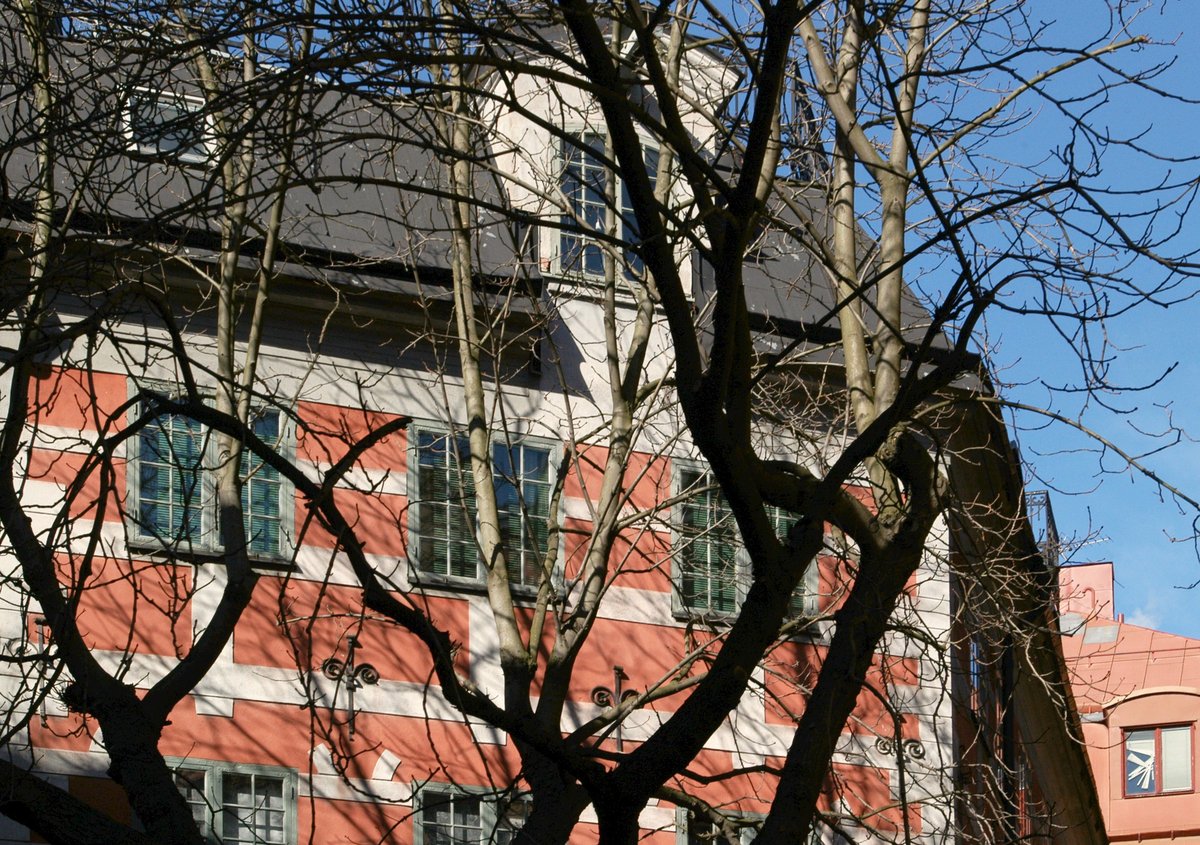
Introduction
The Axel Oxenstierna Palace (Axel Oxenstiernas Palatset) stands as a testament to Sweden’s 17th-century political ascendancy, architectural innovation, and cultural legacy. Nestled in the heart of Stockholm’s Gamla Stan, this palace was commissioned by Axel Oxenstierna, the powerful Lord High Chancellor, and designed by Jean de la Vallée—a leading architect who helped usher in Baroque style to Sweden (History Learning Site, Spotting History). For travelers, history enthusiasts, and architecture admirers, the palace offers a unique lens into Sweden’s golden age.
This guide covers the palace’s historical significance, architectural highlights, practical visitor information (including visiting hours and tickets), accessibility, nearby attractions, and travel tips. Whether you’re planning a focused visit or a broader exploration of Stockholm’s historic core, this comprehensive resource will help you make the most of your experience.
Photo Gallery
Explore Axel Oxenstierna Palace in Pictures
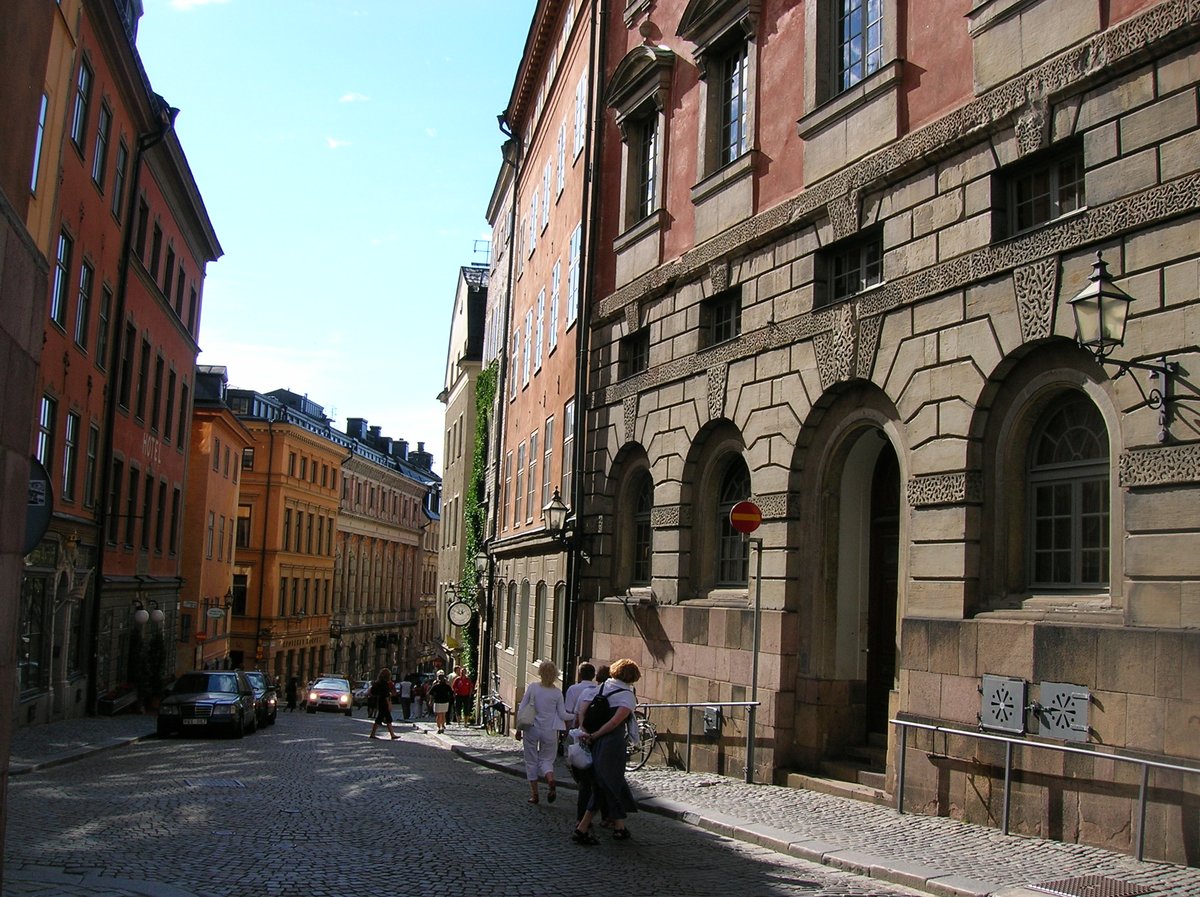
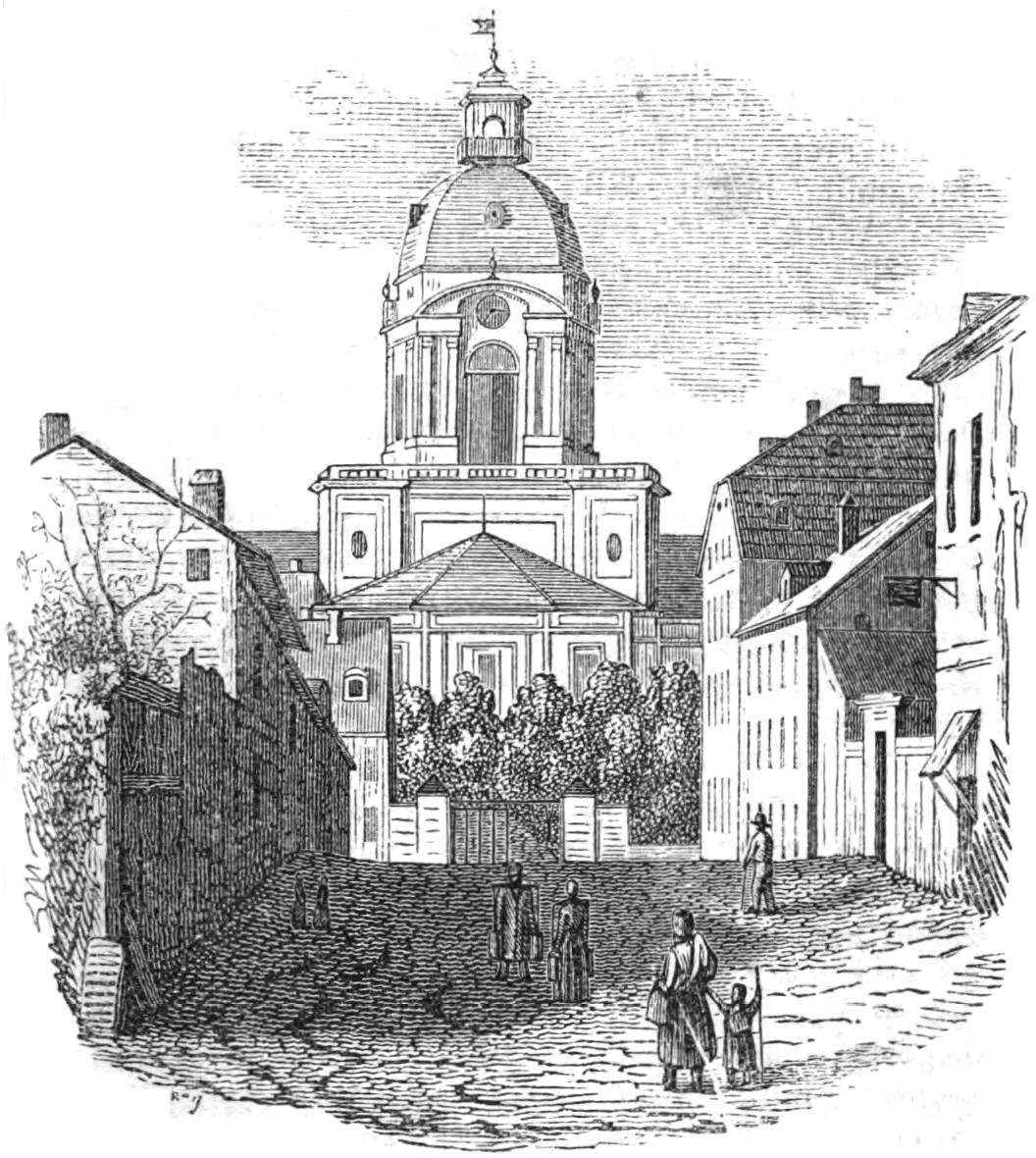
View of Storkyrkobrinken street in the historic Gamla stan district of Stockholm, showcasing traditional architecture and cobblestone streets
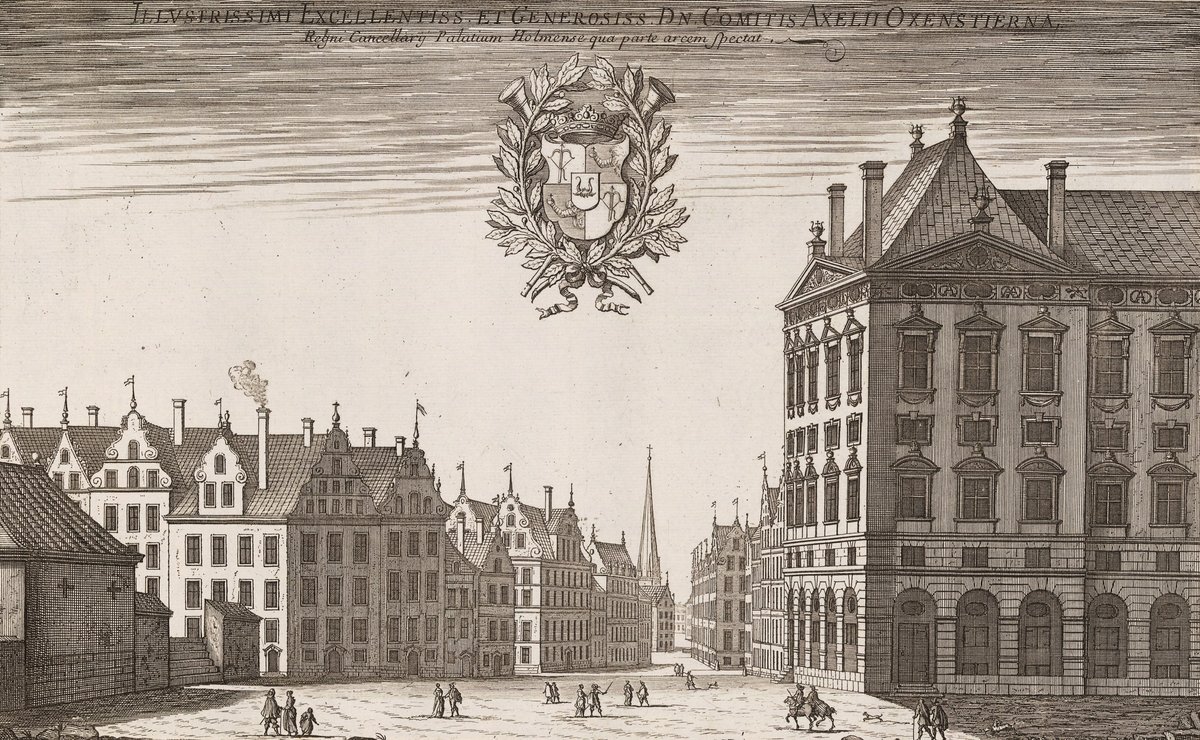
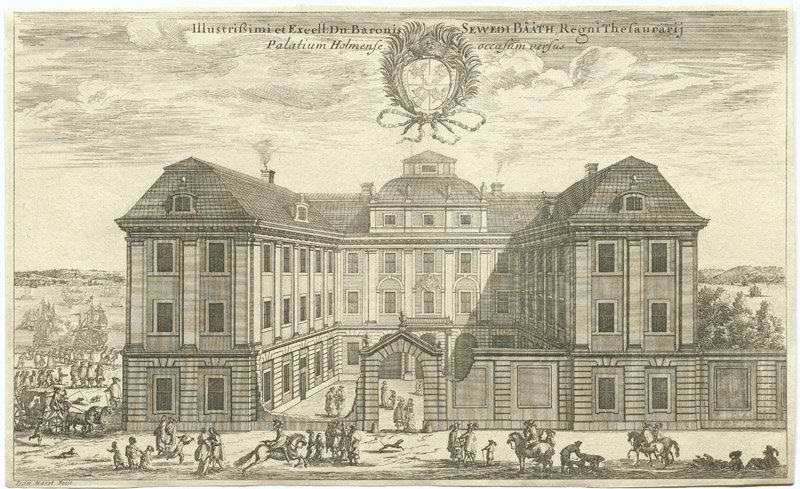
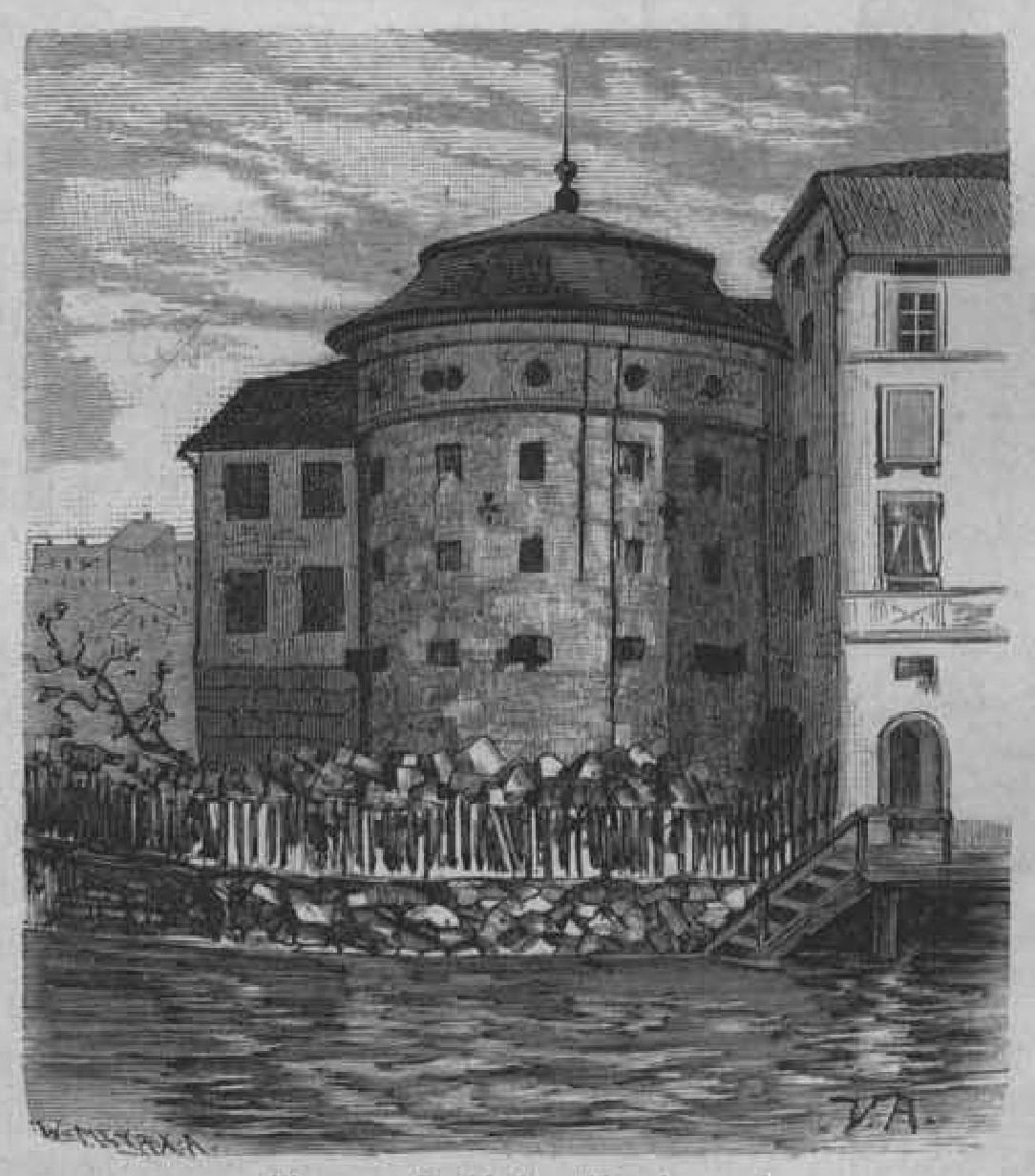
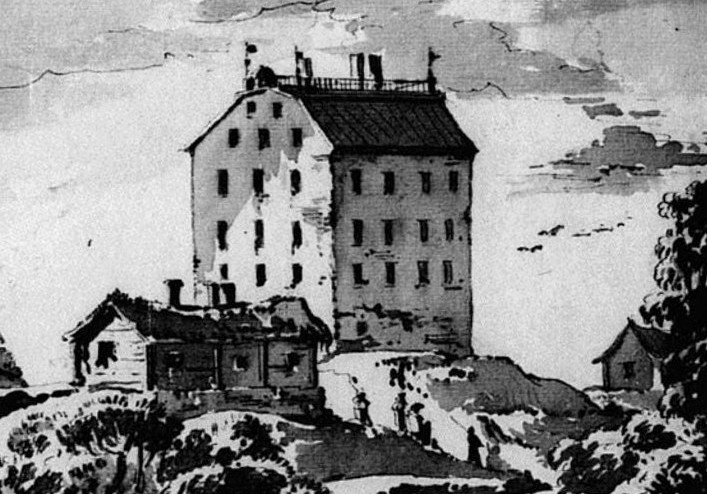
Historical image depicting the palace of the esteemed Count and Lord Axel Oxenstierna, Chancellor of the Realm, located in Stockholm as seen from the royal castle.
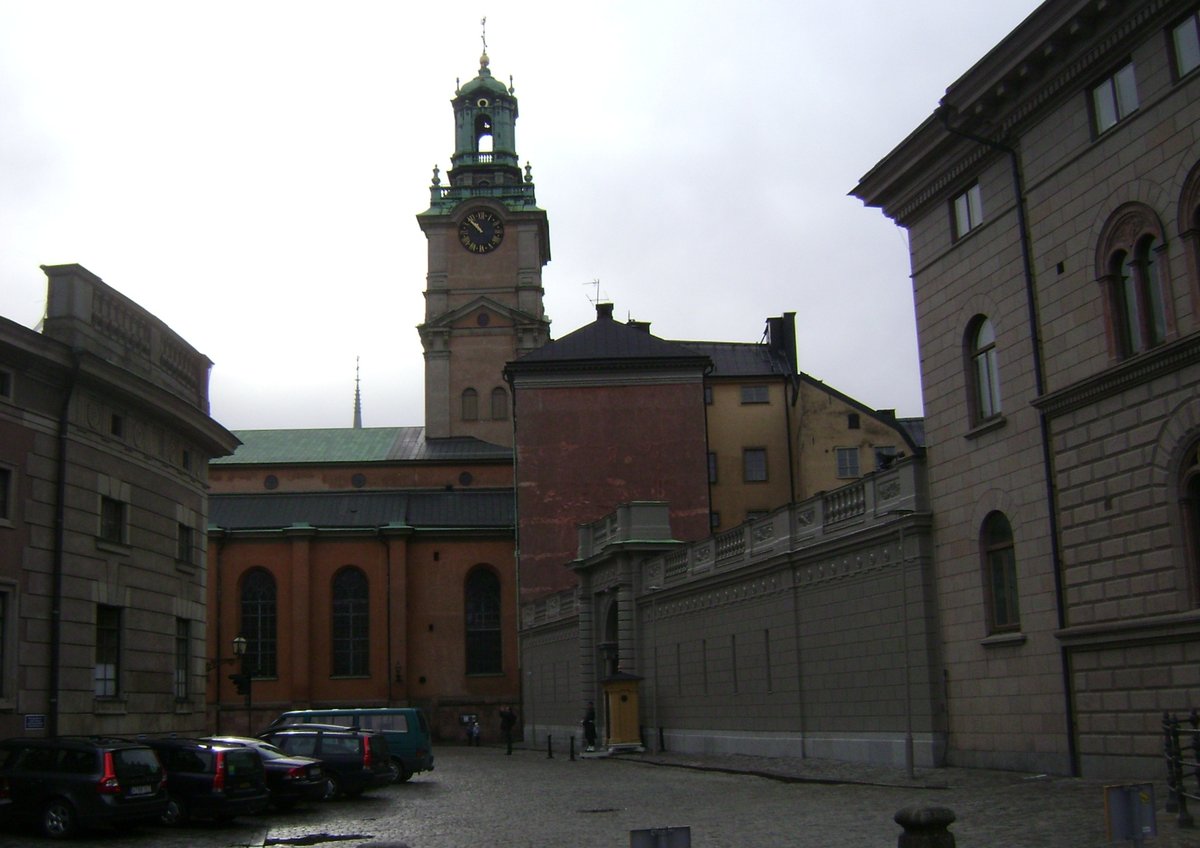
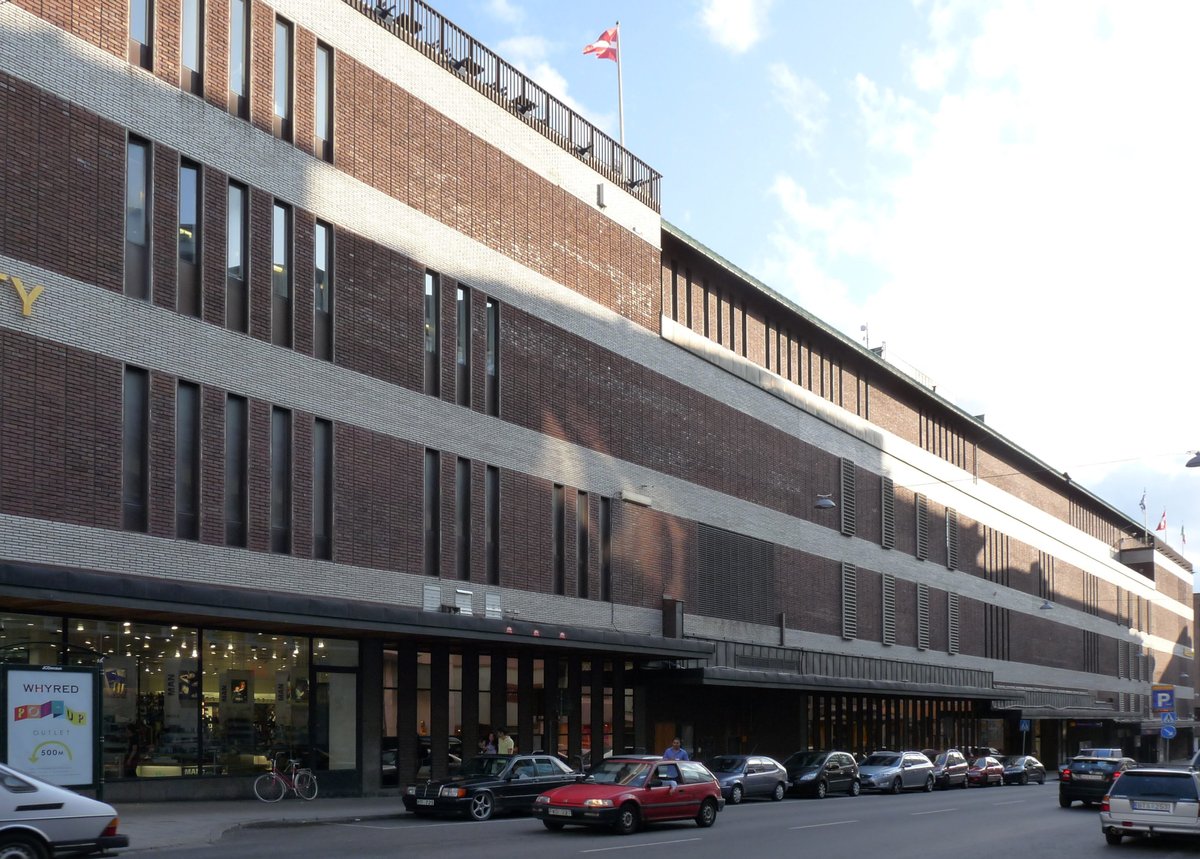
Scenic street in Old Town (Gamla Stan) area of Stockholm, Sweden, featuring colorful historic buildings and cobblestone streets
The Legacy of Axel Oxenstierna
Axel Oxenstierna (1583–1654) was one of Sweden’s most influential statesmen. He played a central role in shaping Swedish government during its emergence as a European power, serving as Chancellor to Gustavus Adolphus and orchestrating key reforms such as the 1634 Form of Government, which established a modern centralized bureaucracy (History Learning Site). The palace bearing his name is more than a residence; it’s a monument to his enduring impact on Swedish governance.
Architectural Style and Features
Commissioned in the 1650s, the palace was designed by Jean de la Vallée in the Baroque and Roman Mannerist styles, blending Nordic simplicity with continental elegance (Spotting History). The palace’s distinctive red façade, symmetrical windows, and classical ornamentation stand out among Gamla Stan’s medieval and Renaissance buildings (Wikipedia). Despite being never fully completed and never inhabited by the Oxenstierna family due to Axel’s death, the palace remains largely unchanged since the 17th century and was designated a state monument in 1935.
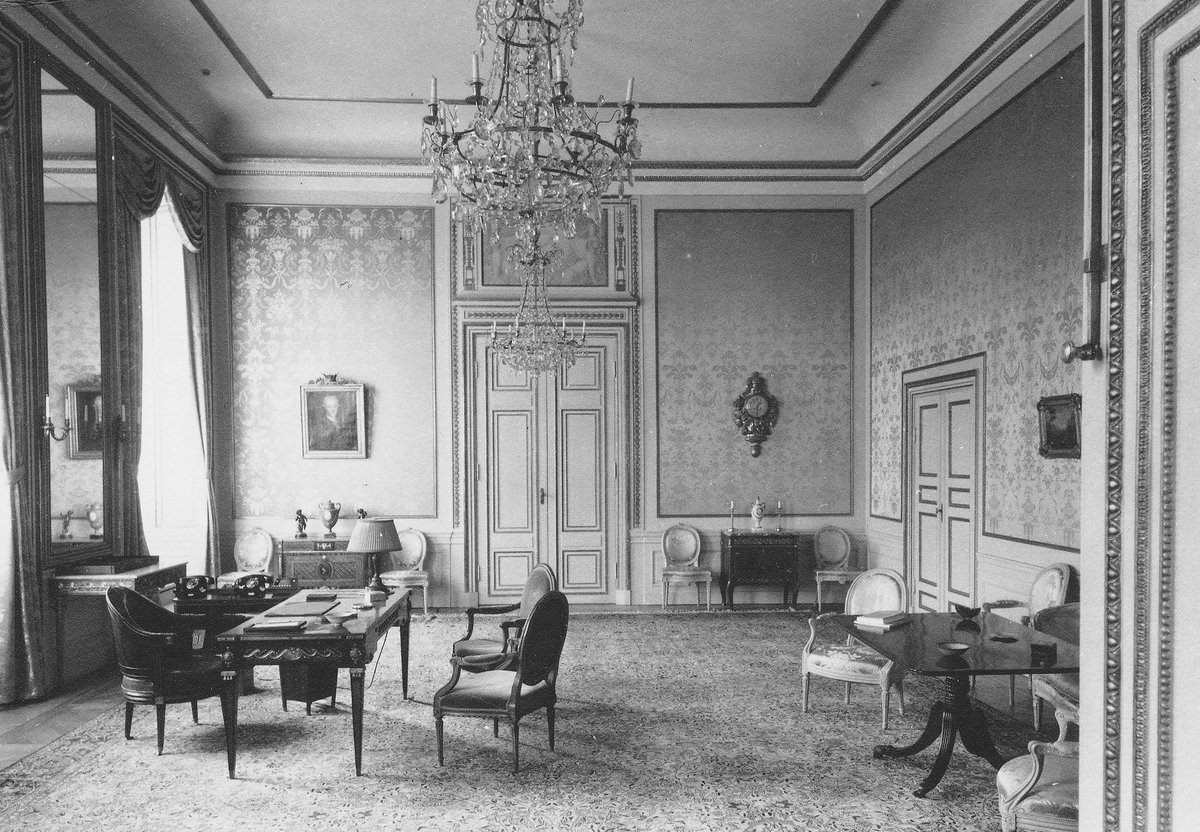
Inside, the palace preserves much of its original layout, reflecting the spatial hierarchy and ceremonial needs of Swedish nobility. Although direct public access to the interior is rare, the exterior’s craftsmanship and its integration into the historic urban landscape are a highlight for visitors.
Urban Setting in Gamla Stan
Located at the intersection of Storkyrkobrinken and Högvaktsterrassen, the palace is set amid the cobblestone streets and medieval alleyways of Stockholm’s Old Town. Its location underscores its historical role as both a noble residence and political center, with close proximity to other key institutions like the Royal Palace and the Riksdag (Official Stockholm Tourism).
Visiting Information
Visiting Hours and Tickets
Interior Access:
As of June 2025, the Axel Oxenstierna Palace is not regularly open to the public as a museum. Interior access is primarily possible during special events, guided tours, or by arrangement through the Swedish Property Agency (Swedish Property Agency, Trip.com).
Exterior Viewing:
The palace’s exterior can be viewed at any time from the surrounding streets, making it a popular stop on Gamla Stan walking tours (Nomad Epicureans).
Tickets:
No general admission fee is required for viewing the exterior. Tickets for special events or guided tours, when available, can be purchased or reserved via the official Swedish Property Agency website or Stockholm tourism portals.
Guided Tours and Special Events
Guided tours—sometimes offered in Swedish and English—provide rare access to the palace interior and expert historical commentary. These tours are typically limited and require advance booking. Many Gamla Stan walking tours also highlight the palace’s exterior and its historical importance (Free Tours by Foot).
Accessibility and Travel Tips
- Mobility: The palace is located in Gamla Stan, where cobblestone streets can be uneven. The exterior is accessible, but interior access may be more challenging for those with mobility needs.
- Transport: The palace is a short walk from the Gamla Stan metro station. Public transit is recommended, as parking in the area is limited (SL).
- Seasonal Tips: Spring and summer provide the best light for photography of the palace’s striking red facade.
- Visitor Amenities: Cafés, restaurants, and public restrooms are abundant throughout Gamla Stan.
Nearby Attractions
The palace’s central location makes it easy to explore other significant Stockholm historic sites, including:
- The Royal Palace: The Swedish monarch’s official residence, open for tours and exhibitions (Royal Palace of Stockholm).
- Storkyrkan (Stockholm Cathedral): Noted for its Gothic and Baroque architecture.
- Nobel Prize Museum: Learn about the Nobel Prize and its laureates.
- Riddarhuset (House of Nobility): A key site in Sweden’s aristocratic history.
Visitor Experience and Reviews
Many visitors praise the palace’s vivid red façade and distinctive Mannerist details. Although interior access is limited, the exterior offers rich photographic opportunities, especially in morning or late afternoon light. Interpretive signage (when available) and guided tours provide insights into the site’s dual legacy as a noble residence and governmental hub (Nomad Epicureans).
Insider Tips:
- The palace is a lesser-known gem, ideal for architecture and history aficionados.
- Combine your visit with a tour of Gamla Stan’s other landmarks for a comprehensive historical experience.
Frequently Asked Questions (FAQ)
Q: Is the palace open to the public?
A: Regular public access to the interior is not available. Interior visits are limited to special events or guided tours. The exterior can be viewed at any time (Swedish Property Agency).
Q: Are tickets needed to visit?
A: There is no charge to view the exterior. Tickets may be needed for special tours or events.
Q: Is the site accessible for those with mobility challenges?
A: The exterior is accessible, but the cobblestone streets may pose challenges. Check with tour organizers for interior accessibility.
Q: Can I take photos?
A: Photography of the exterior is allowed and encouraged. Interior photography depends on the specific event or tour.
Q: What else can I see nearby?
A: The Royal Palace, Storkyrkan Cathedral, and Nobel Prize Museum are all within walking distance.
Listen to the full story in the app
Your Personal Curator, in Your Pocket.
Audio guides for 1,100+ cities across 96 countries. History, stories, and local insight — offline ready.
Audiala App
Available on iOS & Android
Join 50k+ Curators
Sources
- verified
- verified
- verified
- verified
- verified
- verified
- verified
Last reviewed: