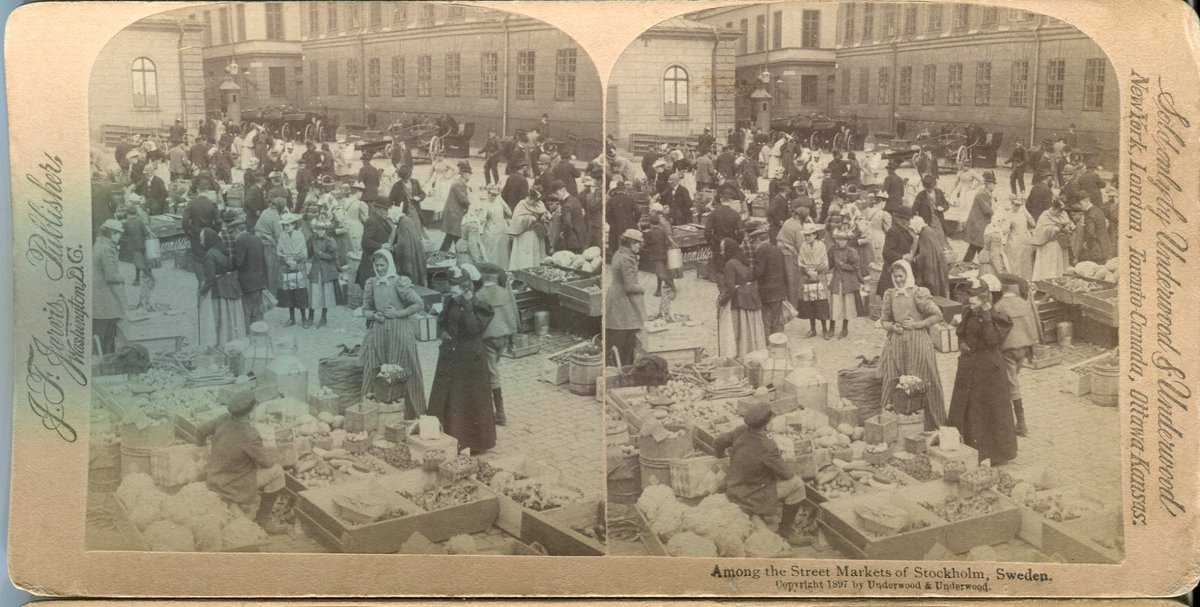
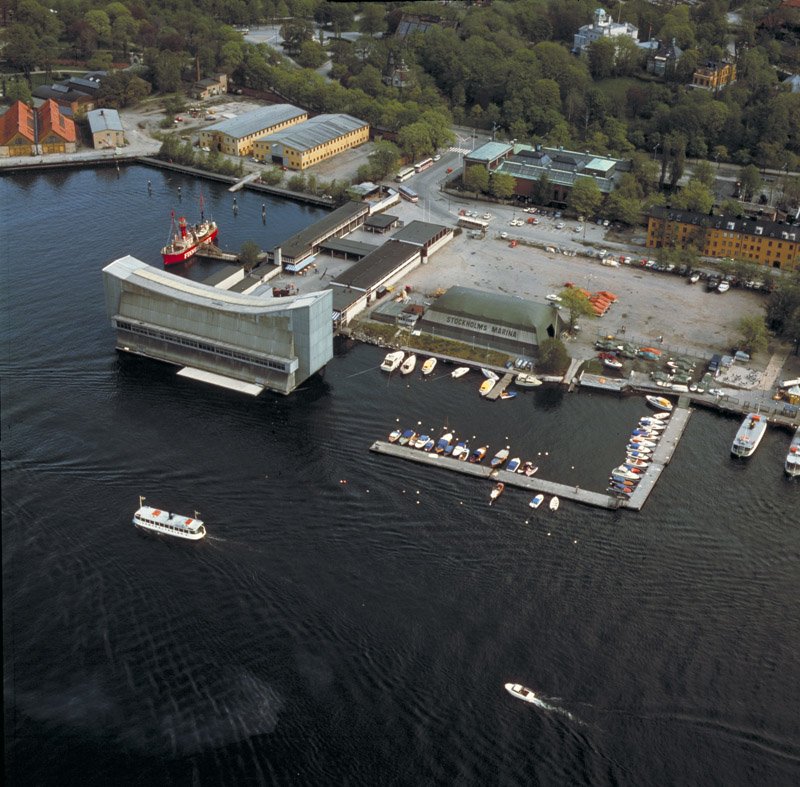
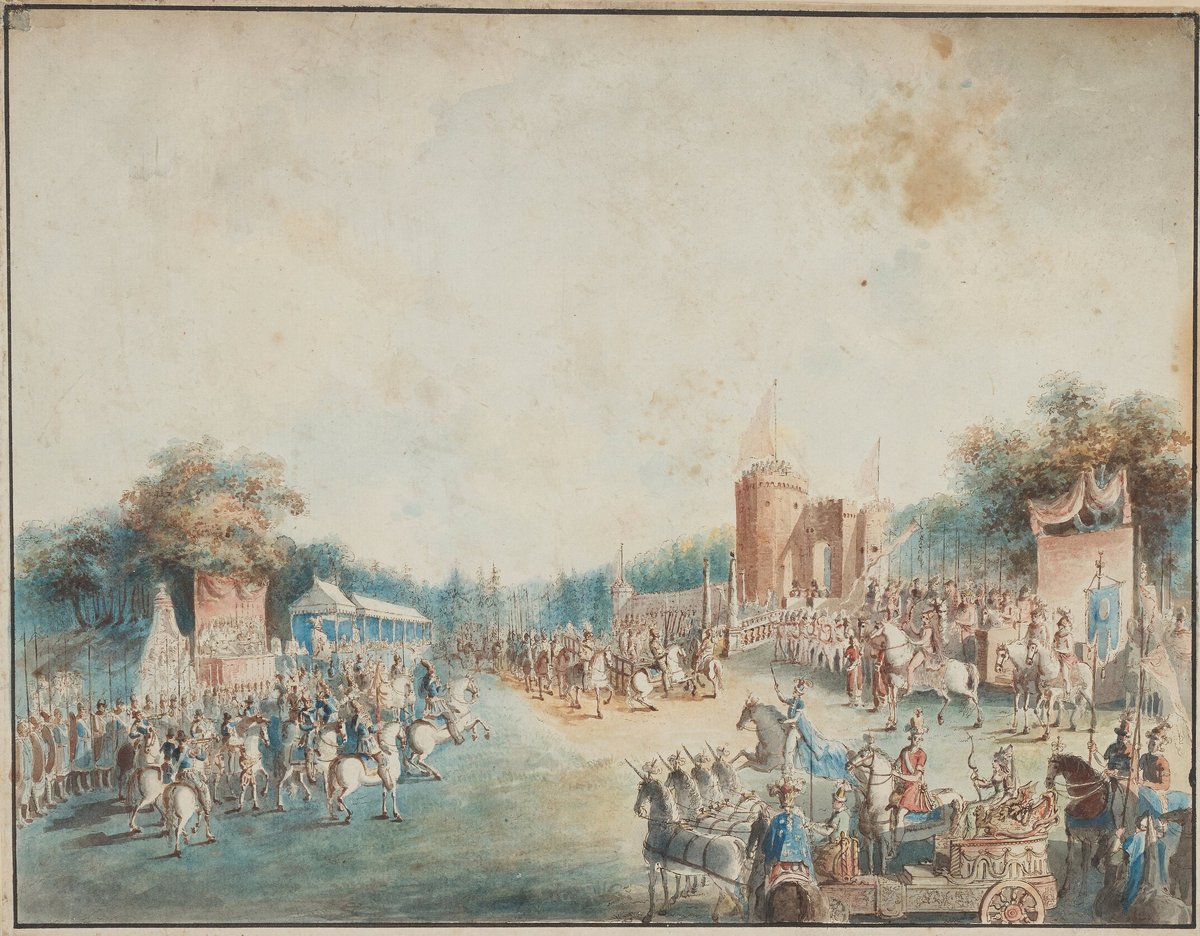
Destinations Sweden Stockholm

Stockholm.

59° N · 18° E Sweden

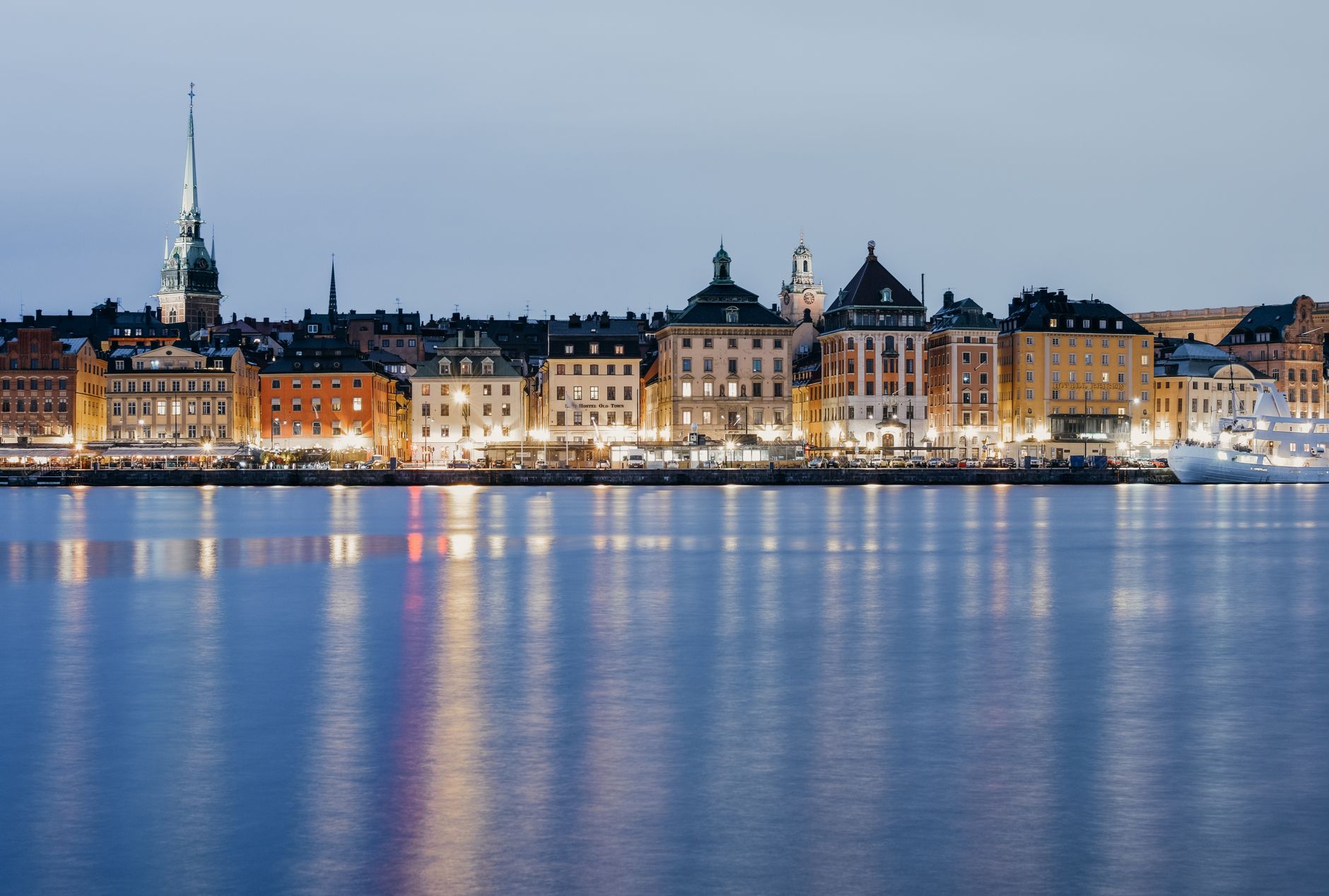
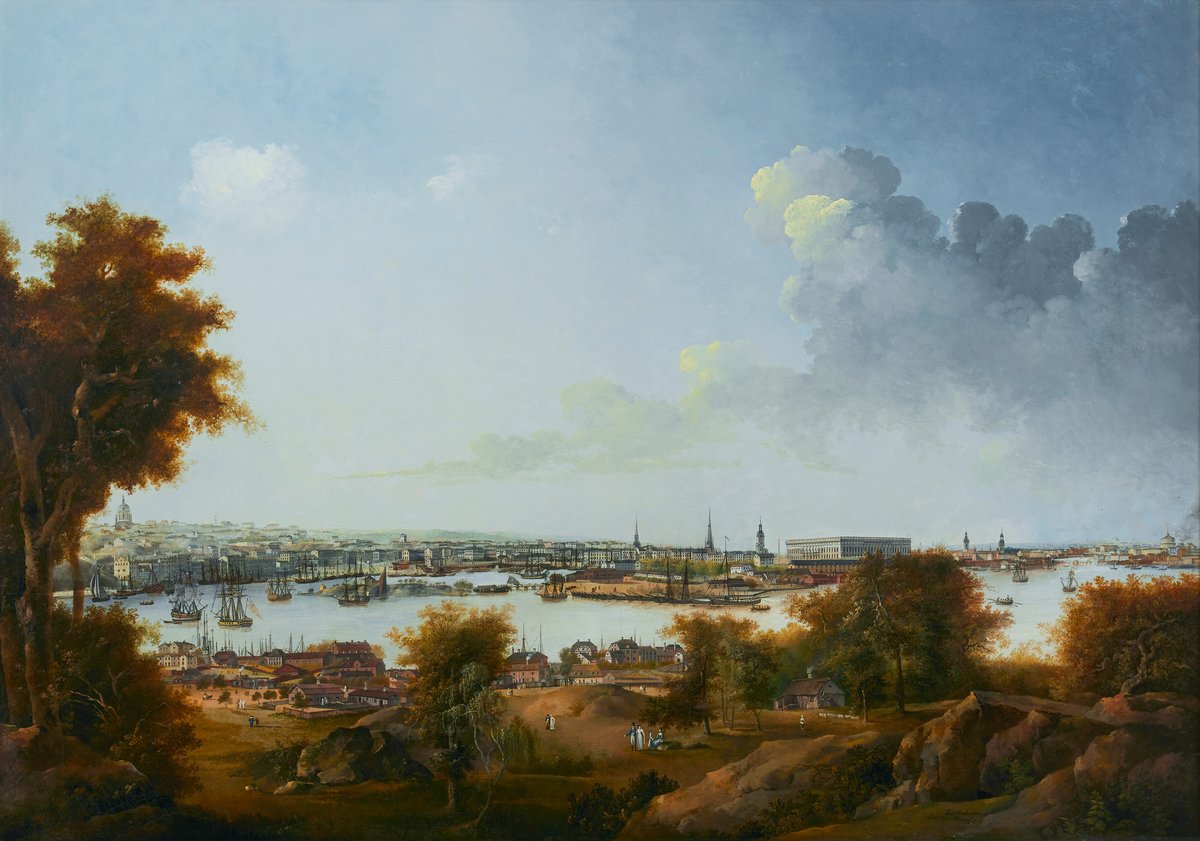
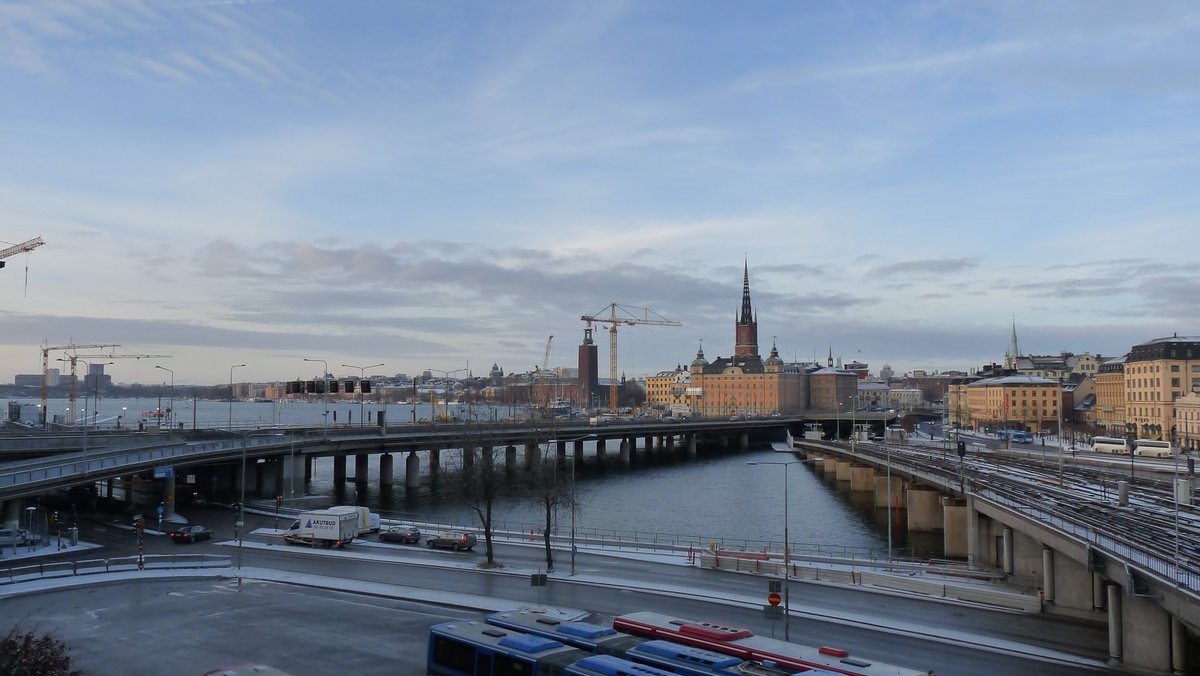
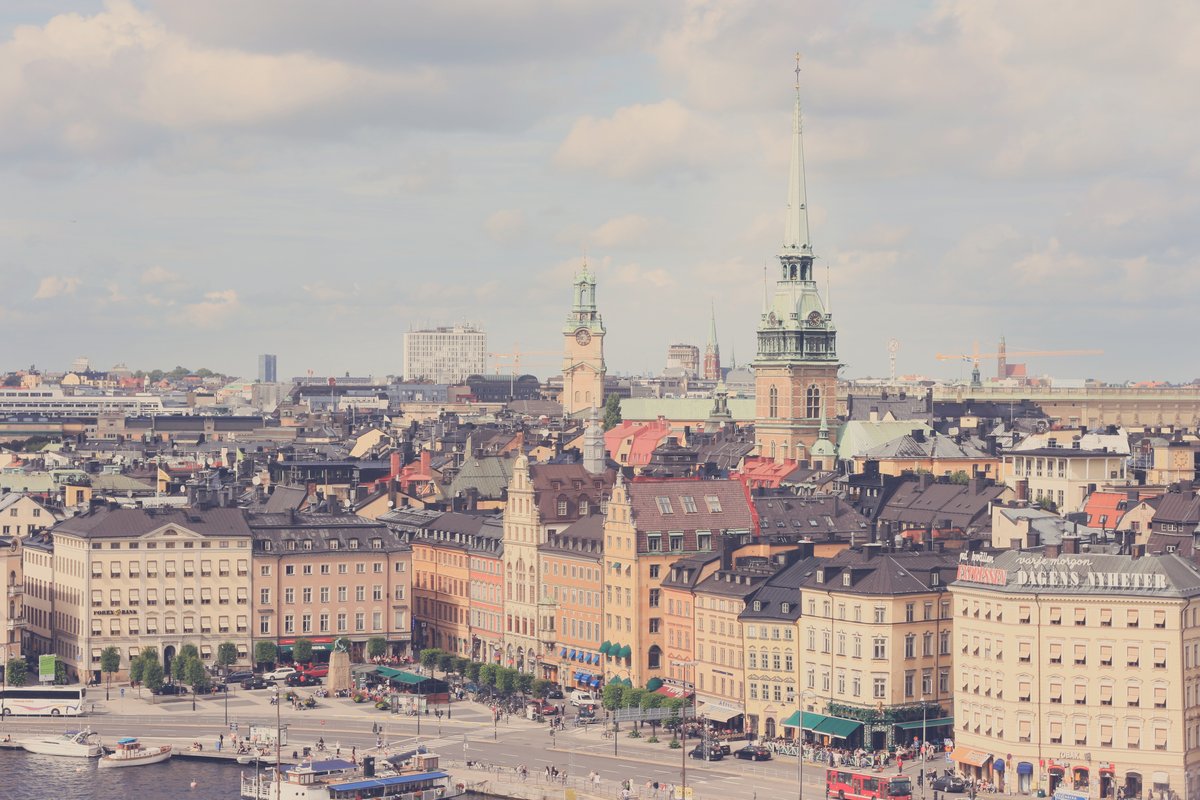
Stockholm smells like the sea in places where you can't see it — salt air drifting between 17th-century facades on islands you didn't realize you'd crossed onto. Sweden's capital sprawls across fourteen islands where Lake Mälaren drains into the Baltic, and the water is so clean that locals swim in it on their lunch breaks, a few hundred meters from the Royal Palace. This is a city that treats design as a public utility and silence as a form of hospitality.

Listen to the guide — 47 min Open the map
Stockholm, Sweden
Stockholm · Sweden
35
attractions
3-5 days
days suggested
Late spring / early autumn (May, September)
best season
EN · EN
narration

03 Top tickets in Stockholm.

Book ahead

Curated from places in this city. Same price as official sites.

Walking Tour of Stockholm Old Town
Gamla Stan
Walking Tour of Stockholm Old Town
4.9 from €19.90
Open Electric Boat Ride in Stockholm with Live-Guide
Gamla Stan
Open Electric Boat Ride in Stockholm with Live-Guide
4.9 from €26.07
Skansen: Open-Air Museum and Nordic Zoo
Open-Air Museum Skansen
Skansen: Open-Air Museum and Nordic Zoo
4.4 from €28.02
Astrid Lindgren's Fairytale World: Junibacken
Junibacken
Astrid Lindgren's Fairytale World: Junibacken
4.6 from €21.24
Fotografiska Museum Stockholm: Entry Ticket
Fotografiska
Fotografiska Museum Stockholm: Entry Ticket
4.4 from €17.89
Stockholm: SkyView
Skyview
Stockholm: SkyView
4.3 from €16.62

Prices shown are indicative — final pricing and availability are confirmed at checkout. Audiala may receive a commission from bookings made via these links.

01 An introduction

synthesized from 240+ sources ·

SStockholm smells like the sea in places where you can't see it — salt air drifting between 17th-century facades on islands you didn't realize you'd crossed onto. Sweden's capital sprawls across fourteen islands where Lake Mälaren drains into the Baltic, and the water is so clean that locals swim in it on their lunch breaks, a few hundred meters from the Royal Palace. This is a city that treats design as a public utility and silence as a form of hospitality.

The geography dictates everything. Because Stockholm is built on islands, every neighborhood has a waterfront, and ferries serve as public transit. Walking from the medieval alleys of Gamla Stan to the gallery-lined cliffs of Södermalm takes twenty minutes and crosses five centuries of architecture — a Baroque palace here, a Gunnar Asplund library there, a metro station decorated with cave paintings by artists the government commissioned in the 1950s. Ninety stations and counting: the longest art gallery in the world runs underground.

Stockholmers are quieter than you expect, more generous than they first appear, and serious about two things above all: fika and light. The coffee-and-pastry ritual called fika isn't a break from work — it is work, a twice-daily exercise in deliberate slowness that colleagues observe with near-religious discipline. And the light shifts so dramatically across seasons that it reshapes the city's personality: endless golden evenings in June when the sun barely sets, and the candlelit darkness of December when Lucia processions fill churches with song at seven in the morning.

Family Friendly Photography Hotspot

02 Why Stockholm.

What makes this place worth slowing down for.

A City Built on Water

Fourteen islands stitched together by 57 bridges, where Lake Mälaren meets the Baltic Sea. Stockholm's geography isn't backdrop — it shapes everything, from the ferry commutes to the wild swimming spots carved into granite shorelines minutes from the city center.

Museums That Earn the Visit

The Vasa Museum displays a 17th-century warship hauled intact from the harbor floor — 69 meters of carved oak that sank on its maiden voyage. Moderna Museet offers its permanent collection free. The metro itself is an art gallery: 90 stations decorated since the 1950s, from cave-blue murals at T-Centralen to the blood-red forest at Solna Centrum.

Wilderness at the City Limits

Tyresta National Park, 30 minutes south by bus, holds 400-year-old trees — the only old-growth forest this close to a European capital. Closer in, Djurgården's deer paths and Lilljansskogen's unmarked trails through ancient oaks feel genuinely wild despite a postal code.

30,000 Islands Within Reach

The Stockholm archipelago stretches east into the Baltic across tens of thousands of islands, from the 25-minute hop to Fjäderholmarna to the three-hour sail to Sandhamn's wooden village. Waxholmsbolaget ferries run year-round to the inner islands, and the outer routes open in summer like a second city appearing offshore.


03 Places to Visit.

Not every monument, just the ones we'd walk you past ourselves.

Editor's pick
01 · Place

Nordic Museum

Welcome to the Nordiska Museet, a crucial repository of Nordic cultural heritage nestled in the heart of Stockholm on Djurgården Island.

Nationalmuseum
02 Place

Nationalmuseum

Nestled in the vibrant heart of Stockholm, the Nationalmuseum stands as Sweden’s foremost institution dedicated to art and design, offering visitors a unique…

Stockholm Palace
03 Place

Stockholm Palace

Inre borggården, also known as the Inner Courtyard, is a captivating historical and architectural feature of the Royal Palace in Stockholm, Sweden.

04 Place

Swedish Museum of Natural History

Nestled in the Frescati district of Stockholm, the Swedish Museum of Natural History (Naturhistoriska riksmuseet) stands as a beacon of scientific heritage,…

05 Place

Swedish History Museum

Nestled in the heart of Stockholm, Historiska museet, also known as The Swedish History Museum, offers an immersive journey through Sweden's extensive past.

Royal Swedish Opera
06 Place

Royal Swedish Opera

The Royal Swedish Opera (Kungliga Operan) in Stockholm stands as a magnificent cultural landmark and Sweden’s national stage for opera and ballet, seamlessly…

Stockholm City Museum
07 Place

Stockholm City Museum

Nestled in the historic heart of Stockholm on Södermalm island, the Stockholm City Museum (Stockholms stadsmuseum) stands as a premier cultural destination…

All 250 places in Stockholm

04 Neighborhoods.

Where to wander, by quarter — each with its own rhythm.

01

Gamla Stan

Stockholm's medieval island core, founded in 1252 and still paved with the original cobblestones in places. The lanes are narrow enough that you can touch both walls in Mårten Trotzigs Gränd, which squeezes to 90 centimeters wide. The Royal Palace dominates the north end with its 600 rooms and daily Changing of the Guard, while Stortorget — the oldest square, ringed by merchant houses in ochre and terracotta — was the site of the 1520 Stockholm Bloodbath. Tourist density is high on the main streets, but slip one block sideways and you'll find antique shops, the Nobel Museum's café where laureates sign the underside of their chairs, and Sundbergs Konditori, pouring coffee since 1785. Locals will tell you to avoid eating here. They're mostly right, with a few sharp exceptions like Djuret, which cooks a single animal species per week, nose to tail.

02

Södermalm

The island south of the centre that Stockholmers use as a personality test — if you say you're a 'Söder person,' people know what you mean. Once working-class, now creative-class, its cliffs and hillsides pack in vintage shops, natural wine bars, and the world-class photography museum Fotografiska, which stays open until midnight and has a rooftop with views that justify the ticket alone. The sub-neighborhood SoFo (South of Folkungagatan) is Stockholm's indie heart: record shop bars, specialty coffee roasters like Drop Coffee, and Nytorget square where half the city seems to gather on summer evenings. For panoramas, walk the 500-meter Monteliusvägen promenade along the cliff edge at dusk, or climb Skinnarviksberget — the highest point in inner Stockholm — where locals bring wine to watch the sun go down over Kungsholmen.

03

Djurgården

A royal park island given over almost entirely to museums, gardens, and old-growth oak forest. The Vasa Museum draws 1.5 million visitors a year to see a 17th-century warship that sank on its maiden voyage and was pulled from the harbor intact in 1961 — the hull alone justifies the trip. But most visitors cluster around the big four (Vasa, ABBA, Skansen, Gröna Lund) and miss the quieter treasures: Thielska Galleriet at the island's far eastern tip, where Edvard Munch paintings hang in a banker's villa with almost no one looking at them, and Biologiska Museet, an 1893 circular building housing a 360-degree panoramic diorama of Swedish fauna found nowhere else on earth. Cycle here on a Sunday morning and end at Rosendals Trädgård, a biodynamic garden café where you eat cardamom buns in an apple orchard. This is peak Stockholm.

04

Östermalm

The prosperous east side — embassy row, grand apartment buildings, and Stockholm's finest food market. Östermalms Saluhall is the anchor: a red-brick 1888 market hall where Lisa Elmqvist has been serving open-faced shrimp sandwiches for decades and the fish counters could supply a small town. Beyond food, the neighborhood hides Historiska Museet, whose underground Gold Room holds one of Europe's largest collections of prehistoric gold — Viking hoards and Iron Age torques in a darkened vault that barely anyone visits. Stureplan, the square where velvet-rope nightlife concentrates, is either Stockholm at its most glamorous or its most insufferable, depending on your tolerance for dress codes.

05

Vasastan

The residential neighborhood that tourists walk through without noticing, which is precisely its appeal. Professors, writers, and old Stockholm families live here, and the restaurant street Rörstrandsgatan has become one of the city's best dining strips without trying. Gunnar Asplund's Stadsbiblioteket — the 1928 city library with its famous cylindrical reading room — is one of the most beautiful public buildings in Scandinavia and entirely free to enter. Locals drink coffee at Mellqvist Kaffebar (tiny, serious) or queue for Stockholm's largest cinnamon bun at Café Saturnus. The mood is intellectual, unhurried, and almost entirely devoid of selfie sticks.

06

Kungsholmen

Stockholm's most lived-in inner island, dominated by the silhouette of Stadshuset — the 1923 City Hall whose tower offers the best aerial views in the city and whose Golden Hall glitters with 18 million pieces of gold mosaic. The Nobel Banquet happens in the Blue Hall below (which is actually red brick — the architect changed his mind but kept the name). Beyond the landmark, Kungsholmen is about local life: the park at Rålambshovsparken fills with picnicking Stockholmers on summer evenings, and the rocky shoreline at Fredhällsparken offers wild swimming spots that feel improbably remote for a place ten minutes from Central Station.

07

Skeppsholmen

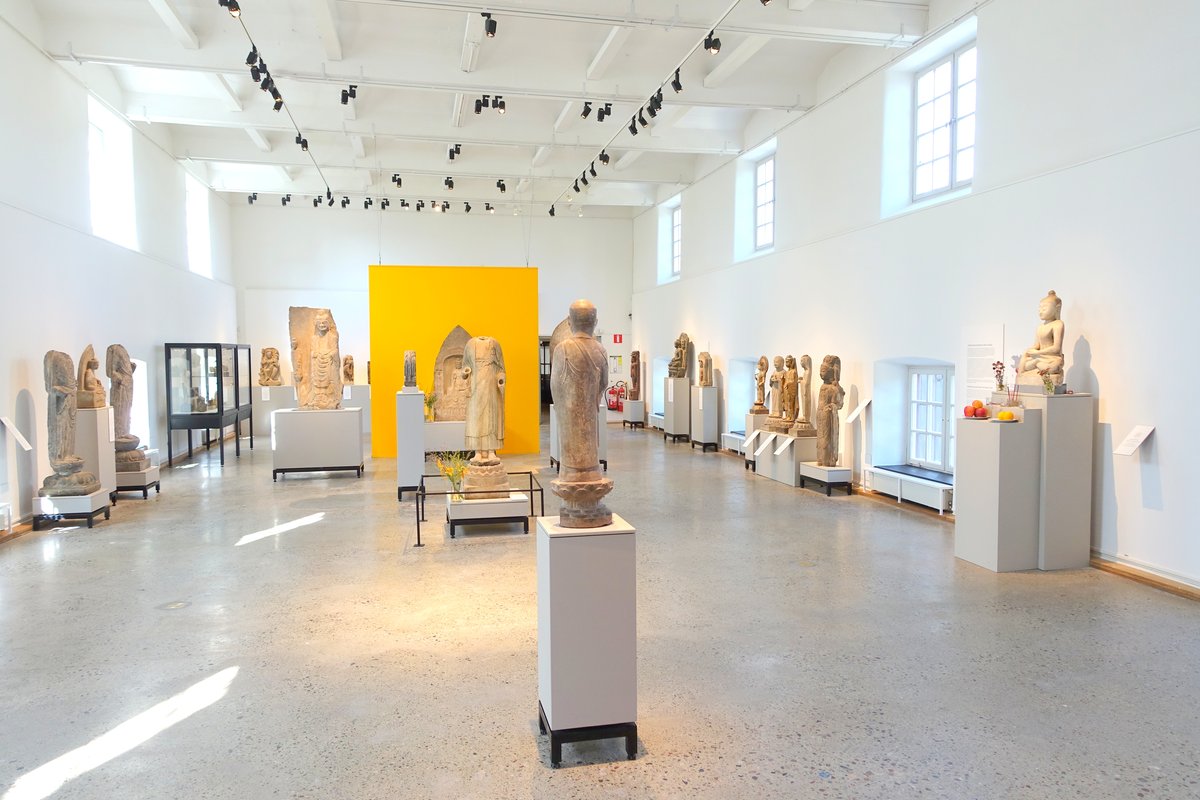
A tiny island connected by a pedestrian bridge that frames one of the best unobstructed views of Gamla Stan. Moderna Museet lives here — Sweden's answer to MoMA, with a permanent collection including Picasso, Dalí, and Rauschenberg that's free to visit. Next door, ArkDes covers Swedish architecture and design with rotating exhibitions in a former drill hall. The East Asian Museum, often overlooked entirely, holds one of Europe's finest Chinese ceramics collections. The whole island takes thirty minutes to walk around, and most of that time you'll have the waterfront to yourself.

08

Hornstull

The western tip of Södermalm with its own distinct energy — younger, scrappier, and oriented toward the waterfront at Hornstullsstrand where a weekend flea market sets up in summer with food trucks, vintage clothing, and natural wine vendors. The bars here are less curated than SoFo's, the restaurants more casual, and the vibe closer to a neighborhood that hasn't quite finished becoming whatever it's becoming. Locals come for the outdoor swimming, the street food, and the sense that this corner of Stockholm still has some rough edges left.

Historical Timeline

Log Boom to Unicorn Factory

Eight centuries on the islands where Lake Mälaren meets the Baltic

Medieval Foundation
1252

Birger Jarl Plants a Fortress

Regent Birger Jarl drives timber pilings into the muddy island of Stadsholmen and stretches a log boom — a stock — across the narrow channel where Lake Mälaren drains into the Baltic. The fortified trading post he builds atop this bottleneck controls every ship entering or leaving Sweden's vast interior waterway. A letter dated 1 July 1252 gives Stockholm its first written mention. The name stuck: stock (log) + holme (islet).

1350

The Black Death Arrives by Ship

Plague-carrying rats disembark at Stockholm's wharves and within months roughly a third of Sweden's population is dead. The city empties. Trade with the Hanseatic ports collapses. The survivors inherit a different world — labor is scarce, German merchants fill the vacuum, and for the next century half of Stockholm's population speaks Low German. The plague returns in 1360, 1413, and 1464, each wave reshaping the city's demographics.

Kalmar Union
1471

Battle of Brunkeberg

On the steep ridge of Brunkeberg — today's Norrmalm shopping district — Swedish regent Sten Sture the Elder ambushes the army of Danish King Christian I on 10 October. The Danes are routed. To celebrate, Sture commissions Lübeck sculptor Bernt Notke to carve a monumental St. George slaying the Dragon, installed in Storkyrkan in 1489. The dragon is Denmark. The message is not subtle. The sculpture still stands, still magnificent.

1520

Blood Runs in Stortorget

Danish King Christian II captures Stockholm after a grinding siege, then invites Sweden's leading nobles and clergy to a coronation feast. On 8 November, he locks the doors and reads out heresy charges. Over two days, some 80 to 90 men — two bishops, noblemen, Stockholm burghers, even servants — are beheaded in Stortorget square. Their bodies are burned on a pyre outside the city walls. The Stockholm Bloodbath is an atrocity so vivid it ignites the rebellion that will end the Kalmar Union.

Vasa Dynasty
1523

Gustav Vasa Frees Sweden

On 23 June, a 27-year-old noble whose father was butchered in the Bloodbath rides into Stockholm at the head of a rebel army. Gustav Vasa is elected king at Strängnäs, breaks the Kalmar Union permanently, seizes Church lands, imposes Lutheranism, and makes the Swedish crown hereditary within his dynasty. Modern Sweden begins here — one man's vengeance transmuted into a nation-state.

Swedish Empire
1628

The Vasa Sinks on Her Maiden Voyage

On 10 August, the most powerful warship in the Swedish fleet — 64 bronze cannons, gilt carvings stern to bow — sets sail from the royal dockyard in Stockholm harbor. She makes it 1,300 metres. A gust of wind heels her over, water floods the open gun ports, and the Vasa plunges to the bottom in full view of the horrified city. Around 30 sailors die. The humiliation is total. The ship will sit upright on the harbor floor for 333 years, preserved by the cold, brackish Baltic water.

1632

Gustav II Adolf, the Lion of the North

Born in Stockholm in 1594, Gustav II Adolf transforms Sweden from a regional kingdom into a European great power. He rewrites military tactics, intervenes in the Thirty Years' War to save the Protestant cause, and defeats every army he faces — until a musket ball kills him at the Battle of Lützen on 6 November 1632. He is 37. His six-year-old daughter Christina inherits an empire. Stockholm, population 10,000 when he took the throne, will reach 40,000 within two decades.

1654

Queen Christina Abdicates

Christina of Sweden has turned Stockholm into a dazzling court — René Descartes dies in her palace in 1650, summoned north to give the queen philosophy lessons at five in the morning. But Christina is restless, secretly Catholic, uninterested in marriage or producing an heir. In 1654, she dramatically abdicates, dresses as a man, rides south, and converts to Catholicism in Rome. Stockholm loses its most intellectually formidable monarch. Europe gains its most scandalous ex-queen.

1697

Tre Kronor Castle Burns to Ash

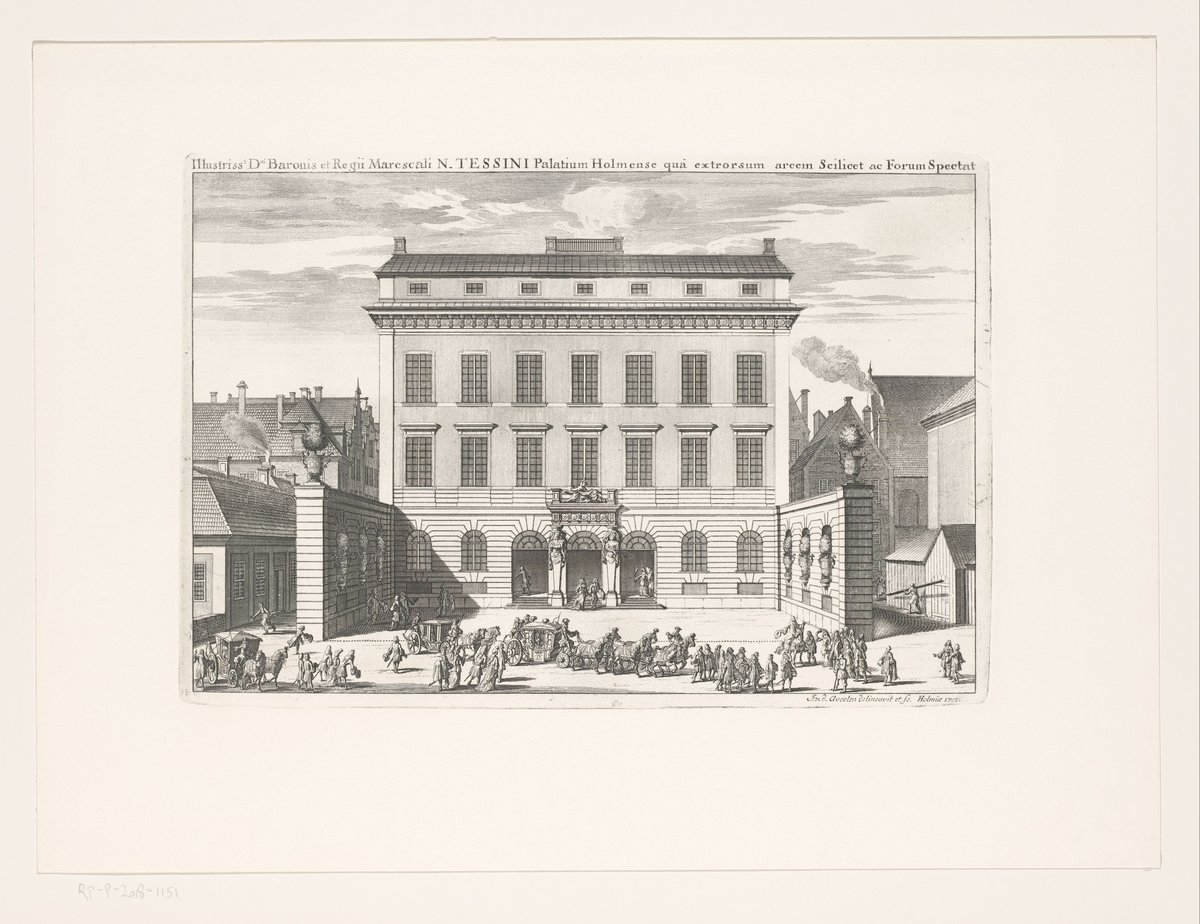
On 7 May, fire breaks out in the medieval Tre Kronor castle on Stadsholmen — the royal seat since the 13th century. The blaze is unstoppable. By morning the castle is a shell, centuries of archives and art destroyed. King Karl XI had died just weeks earlier; his 15-year-old son Karl XII inherits a throne and a ruin. Architect Nicodemus Tessin the Younger immediately begins designing a replacement: the colossal Baroque Royal Palace that still dominates Gamla Stan, 600 rooms strong, completed in 1754.

1710

Plague Empties the Capital

With Karl XII stranded in Ottoman exile after the catastrophe at Poltava, Stockholm has no king and no defences against what arrives by ship: bubonic plague. Through 1710 and 1711, roughly 20,000 Stockholmers die — a full third of the city's population. Bodies stack in the streets. Trade halts. It is the last great plague to strike Sweden, and it coincides with the death of the Swedish Empire itself. By the Peace of Nystad in 1721, the Baltic dominions are gone.

Enlightenment & Reform
1792

The King Shot at the Masquerade

Gustav III — playwright, opera founder, enlightened autocrat — attends a masked ball at the Royal Opera he himself created. At midnight on 16 March, nobleman Jacob Johan Anckarström pushes through the crowd and fires a pistol into the king's back. Gustav lingers for thirteen agonizing days before dying on 29 March. The murder of a king at his own opera becomes one of history's most theatrical assassinations — Verdi will turn it into Un ballo in maschera. The Swedish Enlightenment dies with him.

Industrial Transformation
1849

Strindberg, Stockholm's Angry Genius

August Strindberg is born in a cramped apartment in Riddarholmen in 1849, the son of a shipping agent and a former servant. He will spend most of his tormented, prolific life in Stockholm, writing Miss Julie in a fever, feuding with everyone, and reinventing European theatre. His final apartment on Drottninggatan — now the Strindberg Museum — is where he wrote, raged, and performed occult experiments. No writer is more Stockholm than Strindberg: brilliant, brooding, impossible.

1878

Ericsson Wires the Future

Lars Magnus Ericsson opens a telegraph repair shop in a small Stockholm workshop in 1876 and begins manufacturing telephones by 1878. By the 1890s, Stockholm has more telephones per capita than any city in the world — a distinction that foreshadows its 21st-century obsession with tech startups. L.M. Ericsson will grow into a global telecommunications giant. The workshop is long gone, but Stockholm's identity as a city that adopts technology first and fastest starts here.

1891

Skansen Opens the World's First Open-Air Museum

Ethnographer Artur Hazelius, terrified that industrialisation is erasing traditional Swedish life, buys an entire hilltop on Djurgården and begins relocating historic buildings from across Sweden — farmsteads, churches, workshops, a Sami camp — reassembled plank by plank. Skansen opens in 1891 with 150 structures and a small zoo of Scandinavian animals. The concept is so original that the word 'skansen' becomes the generic term for open-air museums in several languages.

1901

The First Nobel Prizes Awarded

On 10 December 1901 — the fifth anniversary of Alfred Nobel's death — the first Nobel Prizes are presented in Stockholm. Nobel, born on Norrmalm in 1833, had made a fortune from dynamite and a guilty conscience from its military applications. His will directs that the interest on his fortune fund annual prizes for physics, chemistry, medicine, literature, and peace. Stockholm becomes the permanent home of the ceremony (peace excepted — that goes to Oslo), and every December the city glows with Nobel Week.

1905

Garbo Born in Södermalm

Greta Lovisa Gustafsson is born in a cold-water flat on Blekingegatan in working-class Södermalm in 1905. She works as a lather girl in a barbershop, gets a scholarship to the Royal Dramatic Theatre's acting school at 17, and is discovered by director Mauritz Stiller, who renames her Garbo and takes her to Hollywood. She never comes back to live. But Södermalm claims her — the kid from the tenements who became the most enigmatic face in cinema history.

1912

The Stockholm Olympics

The 1912 Summer Games are the best-organized Olympics yet held — and the last in which gold medals are made of solid gold. Jim Thorpe wins the pentathlon and decathlon in the new Stockholm Olympic Stadium, designed by Torben Grut in a restrained National Romantic style that still looks modern. Electric timing and a public address system debut here. The stadium on Valhallavägen is still in active use, its distinctive towers unchanged, a rare Olympic venue that outlived its moment.

1923

City Hall Rises from the Waterfront

After twelve years of construction, Ragnar Östberg's Stockholm City Hall opens on Kungsholmen — eight million red bricks, a gilded tower crowned by three golden crowns, and the Blue Hall (which is, confusingly, not blue — Östberg liked the exposed brick too much to paint it). The Golden Hall glitters with 18 million pieces of gold mosaic. Since 1934, this is where the Nobel banquet is held every December, 1,300 guests descending the grand staircase to dinner. It is Stockholm's most recognisable silhouette.

1944

Wallenberg Saves 100,000 Lives

In July 1944, Stockholm architect and businessman Raoul Wallenberg arrives in Budapest on a Swedish diplomatic passport with one mission: save Hungarian Jews from deportation to Auschwitz. He issues thousands of fake Swedish protective passports, rents buildings and declares them Swedish territory, and personally pulls people off deportation trains. He saves an estimated 100,000 lives. When the Soviets take Budapest in January 1945, Wallenberg is arrested and vanishes into the Gulag. He is never seen again. Stockholm's grief has never quite resolved.

Modern Stockholm
1961

The Vasa Rises After 333 Years

On 24 April 1961, the warship Vasa breaks the surface of Stockholm harbor for the first time since its catastrophic sinking in 1628. Marine archaeologist Anders Franzén had spent years searching the harbour bottom with a core sampler, finally striking oak in 1956. The cold, low-salinity Baltic water has preserved the ship almost perfectly — 95% original timber, carvings still sharp. The Vasa Museum opens in 1990 and immediately becomes Sweden's most visited museum, drawing 1.5 million visitors a year to stare at a 17th-century embarrassment turned national treasure.

1972

The World Discovers the Environment

From 5 to 16 June, Stockholm hosts the United Nations Conference on the Human Environment — the first time the world's nations gather to discuss the planet as a shared problem. 113 countries attend. The conference produces the Stockholm Declaration and creates the United Nations Environment Programme. June 5 becomes World Environment Day. It is the beginning of international environmental governance, and it happens in a city already obsessed with clean water and green space.

1973

A Bank Robbery Invents a Syndrome

On 23 August, escaped convict Jan-Erik Olsson walks into Kreditbanken on Norrmalmstorg square, fires a submachine gun at the ceiling, and takes four bank employees hostage in the vault. Over six days, the hostages begin to sympathise with their captors — defending them to police, refusing rescue. Psychiatrist Nils Bejerot coins the term 'Stockholm Syndrome.' The phenomenon enters global psychology, and one botched robbery in a nondescript bank gives the city's name to a condition recognised worldwide.

1974

ABBA Conquers from Södermalm

When ABBA win Eurovision in Brighton with Waterloo on 6 April, four Stockholm-based musicians launch the most commercially successful pop act Scandinavia has ever produced. Benny Andersson and Björn Ulvaeus had been writing songs together in Stockholm studios since 1966. ABBA Gold (1992) will sell over 30 million copies. The ABBA Museum on Djurgården now draws pilgrims from every continent to the island where the city keeps its cultural treasures.

1986

The Prime Minister Shot on Sveavägen

At 11:21 pm on 28 February, Prime Minister Olof Palme is walking home from the Grand cinema on Sveavägen with his wife Lisbeth — no bodyguards, as was his custom. A man steps from the shadows and shoots him in the back at point-blank range. Palme dies on the pavement. Sweden's most consequential postwar leader is gone, and the murder remains the country's deepest wound. The case was closed in 2020, naming a suspect who had died in 2000, but doubt lingers. A plaque in the sidewalk marks the spot.

2006

Spotify Streams from a Stockholm Flat

Daniel Ek, a 23-year-old programmer from Rågsved in southern Stockholm, and Martin Lorentzon begin building a music streaming service in a small Stockholm apartment. Spotify launches in 2008 and by the mid-2010s it is the world's largest music platform. It joins Minecraft (Mojang, acquired by Microsoft for $2.5 billion), Klarna, and King in making Stockholm the city with more tech unicorns per capita than anywhere outside Silicon Valley. The telephone-obsessed city of 1890 has found its 21st-century equivalent.

2024

Sweden Joins NATO After Two Centuries

On 7 March 2024, Sweden formally accedes to NATO — ending over 200 years of military non-alignment that began after the Napoleonic Wars. Russia's invasion of Ukraine in February 2022 shattered the consensus that neutrality kept Sweden safe. The country that sat out both World Wars, refused to join military alliances through the entire Cold War, and built its identity on peaceful independence, signs a mutual defence treaty. Stockholm's strategic position on the Baltic, coveted since Birger Jarl's log boom, matters once again.

Present Day

06 Who lived here.

The people who shaped the city — and were shaped by it.

Actress 1905–1990

Greta Garbo

Born in Södermalm, Stockholm

Greta Lovisa Gustafsson grew up in a cramped apartment in working-class Södermalm — the same island that would later become Stockholm's most creative neighborhood. She left for Hollywood at 17 and became the silver screen's most enigmatic presence, but Stockholm never quite let her go: she remains the city's most celebrated cultural export and a permanent argument for what Södermalm produces when it's paying attention.
Chemist and Inventor 1833–1896

Alfred Nobel

Born in central Stockholm

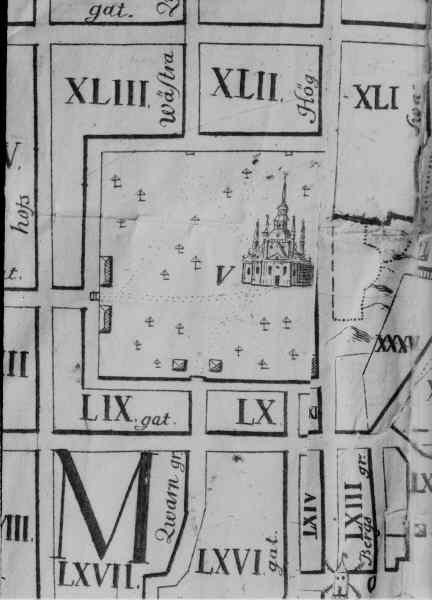
Nobel was born at Norrlandsgatan 9 in central Stockholm, the son of an engineer who was often bankrupt, and grew up moving between poverty and sudden possibility. He invented dynamite, assembled a fortune from arms and engineering, and then — perhaps troubled by the obituary that called him a 'merchant of death' — endowed the Nobel Prizes in his will. Every December 10, the prizes are awarded at Konserthuset on Hötorget, a few hundred meters from where he was born.
Playwright and Author 1849–1912

August Strindberg

Born and died in Stockholm

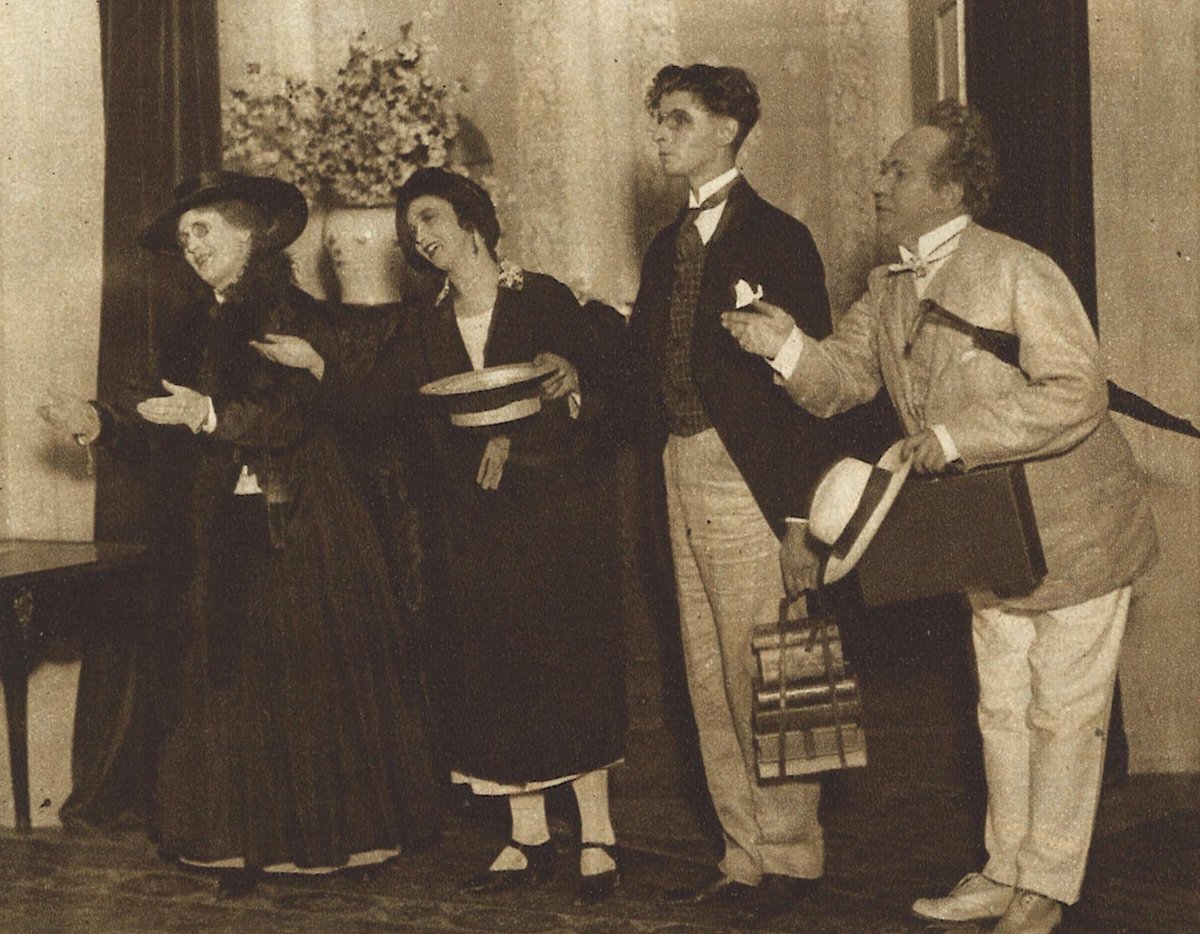
Strindberg was born in Riddargatan in central Stockholm and spent most of his fractured, furious life in the city, even as his plays were reshaping world theater from *Miss Julie* to *A Dream Play*. His final apartment on Drottninggatan — where he wrote through illness and estrangement, keeping a small window garden as his only concession to peace — is now the Strindberg Museum. Stockholm never made things easy for him, and he returned the favor in print.

Actress 1915–1982

Ingrid Bergman

Born in Stockholm; trained at the Royal Dramatic Theatre

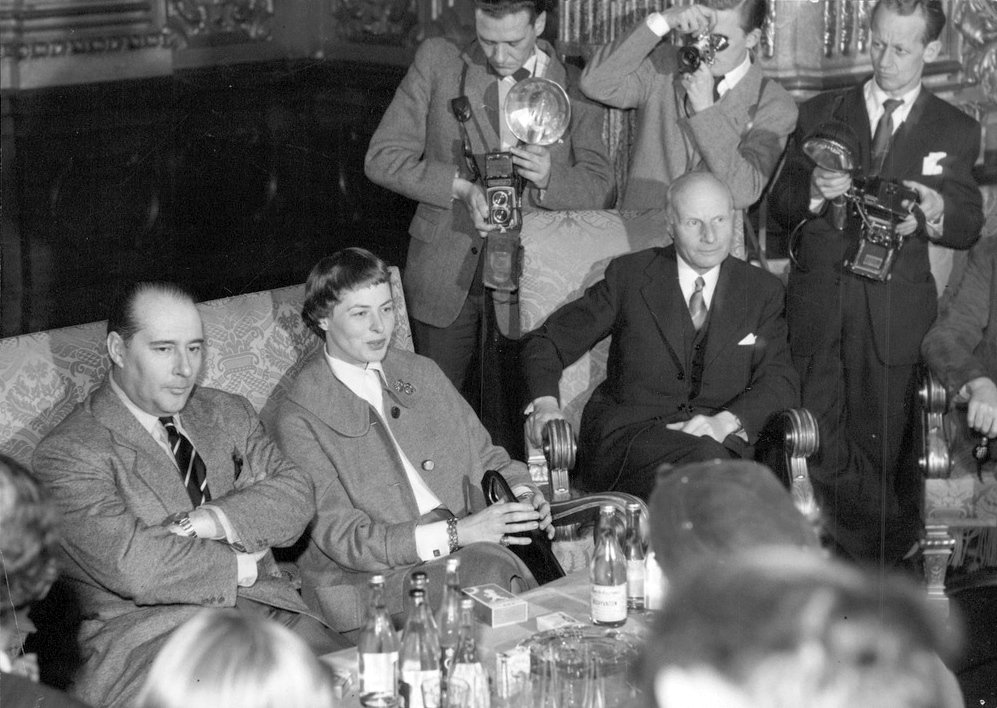
Bergman was born in Östermalm and trained at Dramaten — the Art Nouveau theatre on Nybroplan whose marble foyer she crossed as a young unknown in the early 1930s. Three Academy Awards and iconic roles in *Casablanca* and *Notorious* followed, but she always said her Swedish theatrical training gave her the technical foundation that Hollywood could not have provided. Dramaten still stands on Nybroplan, the building where her career began still in daily use.

DJ and Music Producer 1989–2018

Avicii (Tim Bergling)

Born in Stockholm

Tim Bergling grew up in Östermalm and began producing electronic music on his bedroom computer as a teenager, uploading tracks before the music industry had fully understood what he was doing. By his mid-twenties he was selling out arenas — including one in southern Stockholm now named after him: Avicii Arena, the former Ericsson Globe. The Avicii Experience museum in the city traces a rise so steep and so fast that it became its own kind of reckoning.

Tennis Player born 1956

Björn Borg

Born in Södermalm, Stockholm

Borg grew up in Södermalm and became Sweden's first truly global sports icon, winning five consecutive Wimbledon titles and dominating the clay at Roland Garros with a composure that made his opponents look frantic by contrast. He retired at 26, having compressed a legend's worth of tennis into a single decade, and returned to Stockholm to find the city had quietly built a fashion brand around his name. The calm was always the point.

Painter 1853–1919

Carl Larsson

Born in Gamla Stan, Stockholm

Larsson was born into poverty in Gamla Stan — the medieval island whose narrow lanes he would later paint with a warmth that bore no resentment toward a difficult childhood. His luminous watercolors of domestic Swedish life became the template for what Sweden imagined itself to be: light-filled rooms, children at long tables, a farmhouse in Dalarna that felt like home even to people who had never been there. His images remain the visual grammar of Swedish domestic identity.

Pop Group formed 1972

ABBA

Formed in Stockholm

Agnetha Fältskog, Björn Ulvaeus, Benny Andersson, and Anni-Frid Lyngstad came together in Stockholm in 1972 and became one of the best-selling music acts in history — their gold lamé jumpsuits now hanging in the ABBA Museum on Djurgården. Benny and Björn grew up in the city and still live here, and Stockholm treats them with the fond, slightly disbelieving pride of a place that can't quite believe what it once put in a room together.

08 Where to Eat.

Where locals actually book dinner — not the tourist menus.

Vete-Katten Kungsgatan Vete-Katten Kungsgatan
Cafe €€

Vete-Katten Kungsgatan

4.4 View
Östermalms Food Hall Östermalms Food Hall
Market €€€

Östermalms Food Hall

4.4 View
Hermans Hermans
Local favorite €€

Hermans

4.6 View
Sturehof Sturehof
Local favorite €€€

Sturehof

4.3 View
Restaurang Kvarnen Restaurang Kvarnen
Local favorite €€

Restaurang Kvarnen

4.2 View
Restaurang Michelangelo Restaurang Michelangelo
Local favorite €€

Restaurang Michelangelo

4.3 View

09 Insider tips.

Small things that change how the city treats you.

Tour the Metro Gallery

Stockholm's T-bana is the world's longest art gallery — 90+ stations decorated by artists since the 1950s. Buy a 24-hour SL pass (around SEK 165) and ride the blue line to Kungsträdgården for cave-carved classical statues, or Solna Centrum for its haunting red forest ceiling.

Skip the Cash

Sweden is one of the world's most cashless societies — contactless card payment is accepted everywhere including food trucks, market stalls, and taxis. Carrying cash is genuinely unnecessary.

Free Museum Days

Moderna Museet (Skeppsholmen) and Nationalmuseum offer free entry to their permanent collections — together that's Picasso, Dalí, Warhol, and 700 years of Swedish and European art without spending a krona.

Skip Arlanda Express

The Arlanda Express (SEK 299–329) is fast but overpriced. The SL commuter train with an Arlanda surcharge supplement adds about 20 minutes but costs roughly half as much — buy the 'Arlanda tillägg' ticket at any platform machine alongside a standard SL single.

Midsummer Shuts Down

Swedes evacuate Stockholm on Midsummer (around June 21) for the countryside — a major national holiday when much of the city closes and remaining accommodation books out months in advance. Plan around it or embrace the uncanny quiet.

Tram 7 to Djurgården

Tram line 7 (Djurgårdslinjen) runs directly from Stockholm Central Station to Djurgården and is the cheapest, most scenic route to the Vasa Museum, Skansen, and ABBA The Museum — covered by a standard SL ticket, no supplement needed.

Watch Your Pockets

Pickpocketing concentrates in Gamla Stan and at Stockholm Central Station — specifically on T-bana escalators and in arrival-hall crowds. Keep bags closed and in front of you in these areas; everything else is largely fine.

Tipping Not Expected

Swedish law includes service in restaurant prices, and the culture carries zero social pressure around tipping. Rounding up to the nearest 10 or leaving 5–10% for genuinely good service is appreciated but never assumed.

10 Watch.

A few films to set the scene before you go.

Costco FOOD TOUR & #1 BEST Local Food Spot in Stockholm Sweden
Strictly Dumpling

Costco FOOD TOUR & #1 BEST Local Food Spot in Stockholm Sweden

37 Tips I Wish I Knew Before Visiting Stockholm, Sweden
Camden David

37 Tips I Wish I Knew Before Visiting Stockholm, Sweden

WHY WE LOVE STOCKHOLM: Places to Visit, Fun Things to Do, Food You Must Try and Travel Tips! 4K
Worthy Travels

WHY WE LOVE STOCKHOLM: Places to Visit, Fun Things to Do, Food You Must Try and Travel Tips! 4K

We Didn't Expect Swedish Food To Be Like THIS! (Stockholm Food Tour)
Jacob and Jenny

We Didn't Expect Swedish Food To Be Like THIS! (Stockholm Food Tour)

12 Frequently asked

Is Stockholm worth visiting?

Yes — Stockholm is one of Europe's most coherent cities: architecturally beautiful, navigable on foot, and full of genuinely world-class institutions packed into a walkable core. The Vasa Museum alone — a 17th-century warship pulled intact from the harbor after 333 years on the seabed — is worth the trip. What surprises most visitors is how much exists beyond the obvious: hidden cliffside viewpoints, quiet islands barely five minutes from the tourist trail, and a metro system that doubles as an art gallery.

How many days do you need in Stockholm?

Three days covers the highlights comfortably: Gamla Stan and the Royal Palace on day one, Djurgården's museums (Vasa, Skansen) on day two, Södermalm's viewpoints and Fotografiska on day three. Four to five days lets you slow down — explore Östermalm's food hall, the Moderna Museet on Skeppsholmen, City Hall's golden mosaic interior, and the outer residential islands. A week is not too long for anyone who likes digging into neighborhoods.

How do I get from Arlanda Airport to Stockholm city center?

Three practical options: the Arlanda Express train takes 18–20 minutes to Central Station (around SEK 299–329); the SL commuter train with an Arlanda surcharge supplement costs roughly half that but takes about 40 minutes — buy the 'Arlanda tillägg' at the ticket machine. Flybussarna coaches (SEK 129–159) reach the City Terminal in 40–60 minutes. Taxis run SEK 500–700 fixed rate — use only metered cabs or apps like Taxi Stockholm; avoid unlicensed drivers at the arrivals hall.

Is Stockholm safe for tourists?

Stockholm is consistently ranked among Europe's safest capitals. The realistic tourist risk is pickpocketing in Gamla Stan and on the T-bana, particularly on escalators and in dense crowds at Central Station. The outer northwestern suburbs (Rinkeby, Tensta) have higher crime statistics but contain no tourist attractions and visitors have no reason to go there. For emergencies dial 112; non-emergency police is 114 14.

How expensive is Stockholm?

Stockholm is expensive by European standards — comparable to Oslo, Zurich, or London. A sit-down lunch runs SEK 130–180, a beer SEK 80–120, and a mid-range hotel bed SEK 1,200–2,000 per night. The offset: Sweden's two best art museums (Moderna Museet, Nationalmuseum) are free, picnic supplies from ICA or Hemköp supermarkets are affordable, and shoulder-season hotel rates in May and September drop meaningfully. Budget travelers who self-cater and visit free museums can keep daily costs reasonable.

What is the best time to visit Stockholm?

May and September offer the best balance — temperatures of 11–17°C, lower hotel prices, thinner crowds, and virtually every attraction open. June through August brings up to 18–20 hours of daylight and Stockholm's full outdoor season, but also peak prices and the largest tour groups. Avoid Midsummer weekend (around June 21) unless accommodation is booked months ahead — it's a major national holiday and the city half-empties and half-closes simultaneously.

Do I need to speak Swedish in Stockholm?

No. Sweden consistently ranks in the global top three for English proficiency, and every tourist-facing staff member will be fully bilingual. English menus are standard across the city. A few words of Swedish — hej (hello), tack (thank you) — are appreciated but never expected, and no one will make you feel awkward for not knowing them.

Is the Stockholm Pass worth buying?

Potentially yes, if you're covering multiple paid attractions in a day. The pass includes Vasa Museum (around SEK 190), Skansen (SEK 220), ABBA The Museum (SEK 250), and Fotografiska (SEK 195) among 60+ sites — three of those already approach the cost of a one-day pass. It's poor value for slow travelers who spend a whole day in a single place. Check gocity.com for current pricing and inclusions before buying, as prices and the attraction lineup change regularly.

Ready to book?

03 Top tickets in Stockholm.

Book ahead

Curated from places in this city. Same price as official sites.

Walking Tour of Stockholm Old Town
Gamla Stan
Walking Tour of Stockholm Old Town
4.9 from €19.90
Open Electric Boat Ride in Stockholm with Live-Guide
Gamla Stan
Open Electric Boat Ride in Stockholm with Live-Guide
4.9 from €26.07
Skansen: Open-Air Museum and Nordic Zoo
Open-Air Museum Skansen
Skansen: Open-Air Museum and Nordic Zoo
4.4 from €28.02
Astrid Lindgren's Fairytale World: Junibacken
Junibacken
Astrid Lindgren's Fairytale World: Junibacken
4.6 from €21.24
Fotografiska Museum Stockholm: Entry Ticket
Fotografiska
Fotografiska Museum Stockholm: Entry Ticket
4.4 from €17.89
Stockholm: SkyView
Skyview
Stockholm: SkyView
4.3 from €16.62

Prices shown are indicative — final pricing and availability are confirmed at checkout. Audiala may receive a commission from bookings made via these links.

13Before you go

Practical Information

Flight

Getting There

Stockholm Arlanda Airport (ARN) handles most international flights, 40 km north — the Arlanda Express train reaches Stockholm Central in 18 minutes (around SEK 300 one-way), or take the SL commuter rail for roughly half the price in 40 minutes. Bromma Airport (BMA) serves domestic routes just 8 km west, connected by bus 152 to Fridhemsplan metro. Budget carriers use Skavsta Airport (NYO), misleadingly branded 'Stockholm' but 100 km south near Nyköping — allow 80 minutes by Flygbussarna coach. Stockholm Central Station is the rail hub, with SJ high-speed trains to Gothenburg (3 hrs) and Malmö/Copenhagen (4.5 hrs).

Directions transit

Getting Around

SL runs the Tunnelbana metro (3 color-coded lines, 100 stations), plus buses, trams, and inner-archipelago ferries — all on one ticket system. A single ride costs around SEK 42 (valid 75 minutes with transfers); 24-hour passes run about SEK 165, 72-hour around SEK 330. Buy via the SL app or a reloadable Access card from Pressbyrån kiosks. Tram line 7 (Djurgårdslinjen) is the tourist workhorse: Central Station straight to Djurgården's museums. Stockholm has 800 km of separated cycle lanes, and City Bikes (citybikes.se) offers docked rentals April through October. Sweden is nearly cashless — card and contactless payment work everywhere, including market stalls and public toilets.

Thermostat

Climate & Best Time

Summers are mild and luminous — June and July average 21–23°C with up to 20 hours of daylight, though rain can arrive unannounced (pack a light waterproof). Winters are cold and dark: December and January hover around 0°C with barely 6 hours of light, but the city compensates with Advent markets, candlelit cafés, and the Nobel Prize ceremony on December 10. The sweet spot is late May through mid-June — long light, cherry blossoms in Kungsträdgården, all attractions open, and crowds still manageable before July's peak. September is a quieter second chance at pleasant weather. Note that Midsummer (around June 21) empties the city as Swedes head to the countryside — some venues close, and accommodation books fast.

Translate

Language & Currency

Swedish is the official language, but English fluency is near-universal — Sweden ranks among the top three countries globally for English proficiency, and every tourist-facing interaction defaults to it comfortably. The currency is the Swedish Krona (SEK); expect roughly 11 SEK to the euro, 10.5 to the dollar. Cash is functionally obsolete — some shops and restaurants refuse it entirely. Visa, Mastercard, Apple Pay, and Google Pay work at every stall, taxi, and turnstile.

Shield

Safety

Stockholm is consistently one of Europe's safest capitals. The realistic risk is pickpocketing — concentrated on T-bana escalators, in Gamla Stan's crowds, and around Stockholm Central. Keep bags zipped and phones pocketed in those areas. The outer suburbs of Rinkeby, Tensta, and Husby see higher crime statistics but hold nothing of tourist interest. Emergency services: dial 112; non-emergency police: 114 14.

Take Stockholm with you

47 minutes of Stockholm,
downloaded once.

250 places, one continuous walking route. Free with your first city.

Get this guide on the app Open in browser

All Places to Visit.

250 places to discover

Place

Nordic Museum

Nationalmuseum
Place

Nationalmuseum

Stockholm Palace
Place

Stockholm Palace

Place

Swedish Museum of Natural History

Place

Swedish History Museum

Royal Swedish Opera
Place

Royal Swedish Opera

Stockholm City Museum
Place

Stockholm City Museum

Riddarholm Church
Place

Riddarholm Church

Open-Air Museum Skansen
Place

Open-Air Museum Skansen

Gamla Stan
Place

Gamla Stan

Vasa Museum
Place

Vasa Museum

Drottningholm Palace
Place

Drottningholm Palace

Place

Swedish Centre for Architecture and Design

Place

Nobel Prize Museum

Maritime Museum
Place

Maritime Museum

Djurgården
Place

Djurgården

National Museum of Science and Technology
Place

National Museum of Science and Technology

Bonde Palace
Place

Bonde Palace

National Library of Sweden
Place

National Library of Sweden

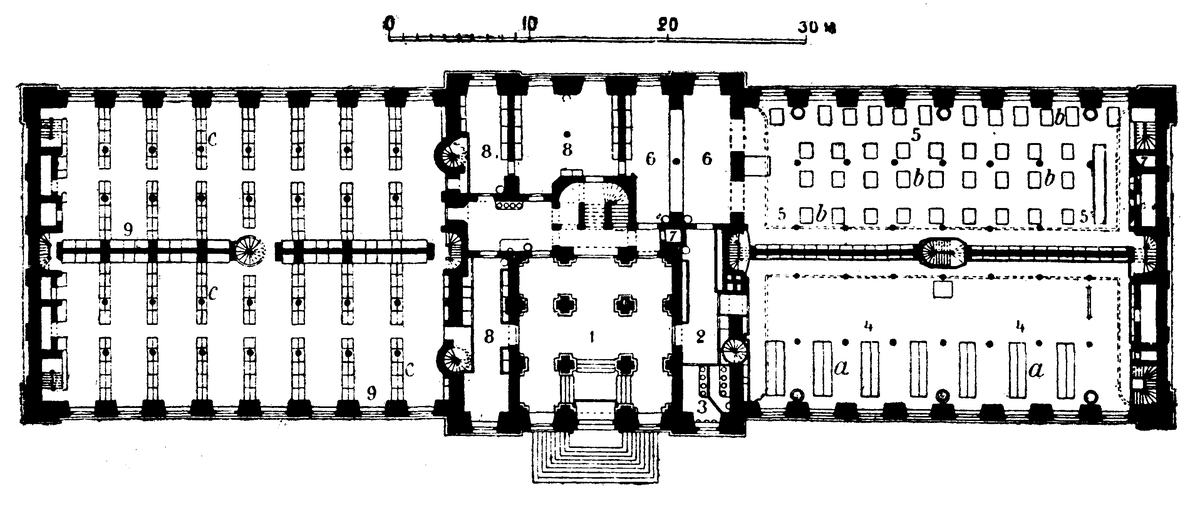
Museum of Far Eastern Antiquities
Place

Museum of Far Eastern Antiquities

Place

Hallwyl Museum

Riddarholmen
Place

Riddarholmen

Katarina Church
Place

Katarina Church

Vasa Theatre
Place

Vasa Theatre

Place

Thiel Gallery

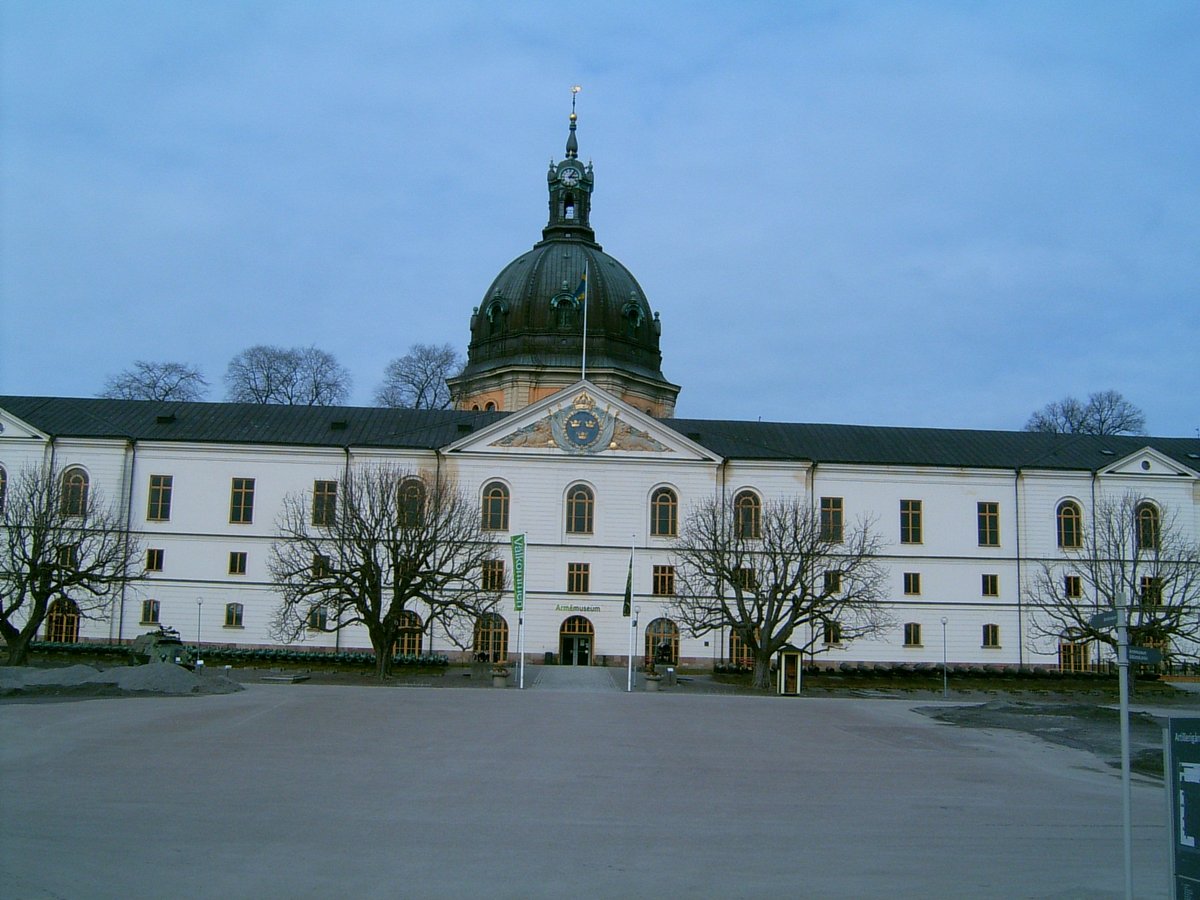
Swedish Army Museum
Place

Swedish Army Museum

German Church
Place

German Church

Klara Church
Place

Klara Church

Museum of Ethnography
Place

Museum of Ethnography

Museum of Medieval Stockholm
Place

Museum of Medieval Stockholm

Wrangel Palace
Place

Wrangel Palace

Gustaf Vasa Church
Place

Gustaf Vasa Church

Adolf Fredrik Church
Place

Adolf Fredrik Church

Place

Strindberg Museum

Abba: The Museum
Place

Abba: The Museum

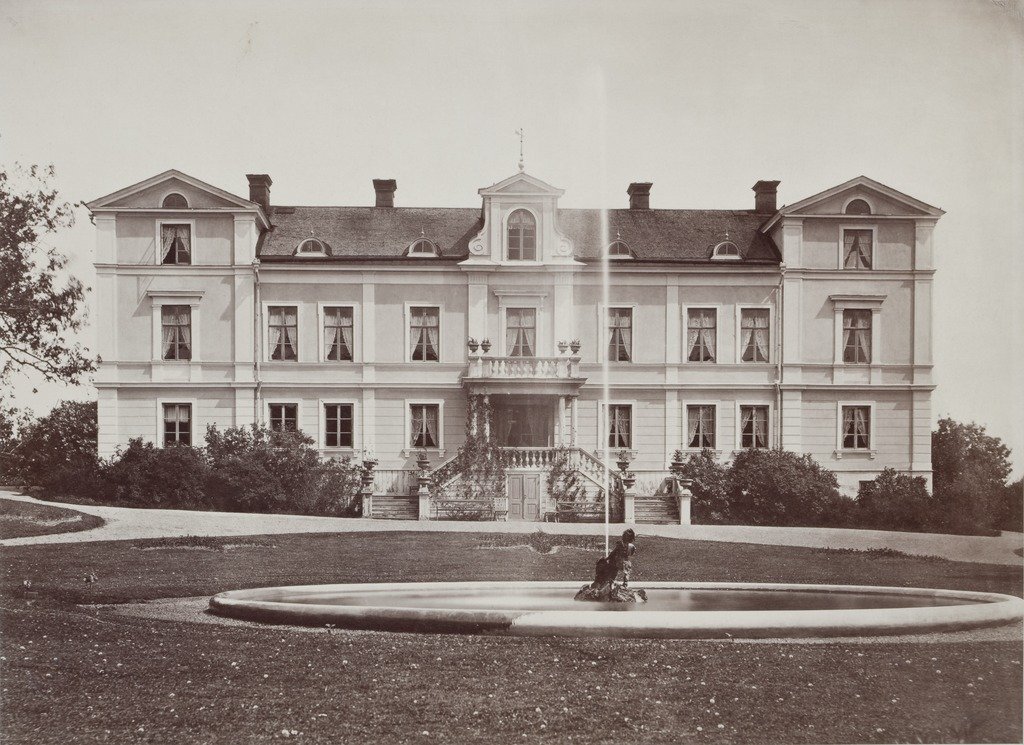
Rosendal Palace
Place

Rosendal Palace

Karlberg Palace
Place

Karlberg Palace

Saint James'S Church
Place

Saint James'S Church

Saint James'S Church
Place

Saint James'S Church

Museum of Mediterranean and Near Eastern Antiquities
Place

Museum of Mediterranean and Near Eastern Antiquities

Swedish Museum of Performing Arts
Place

Swedish Museum of Performing Arts

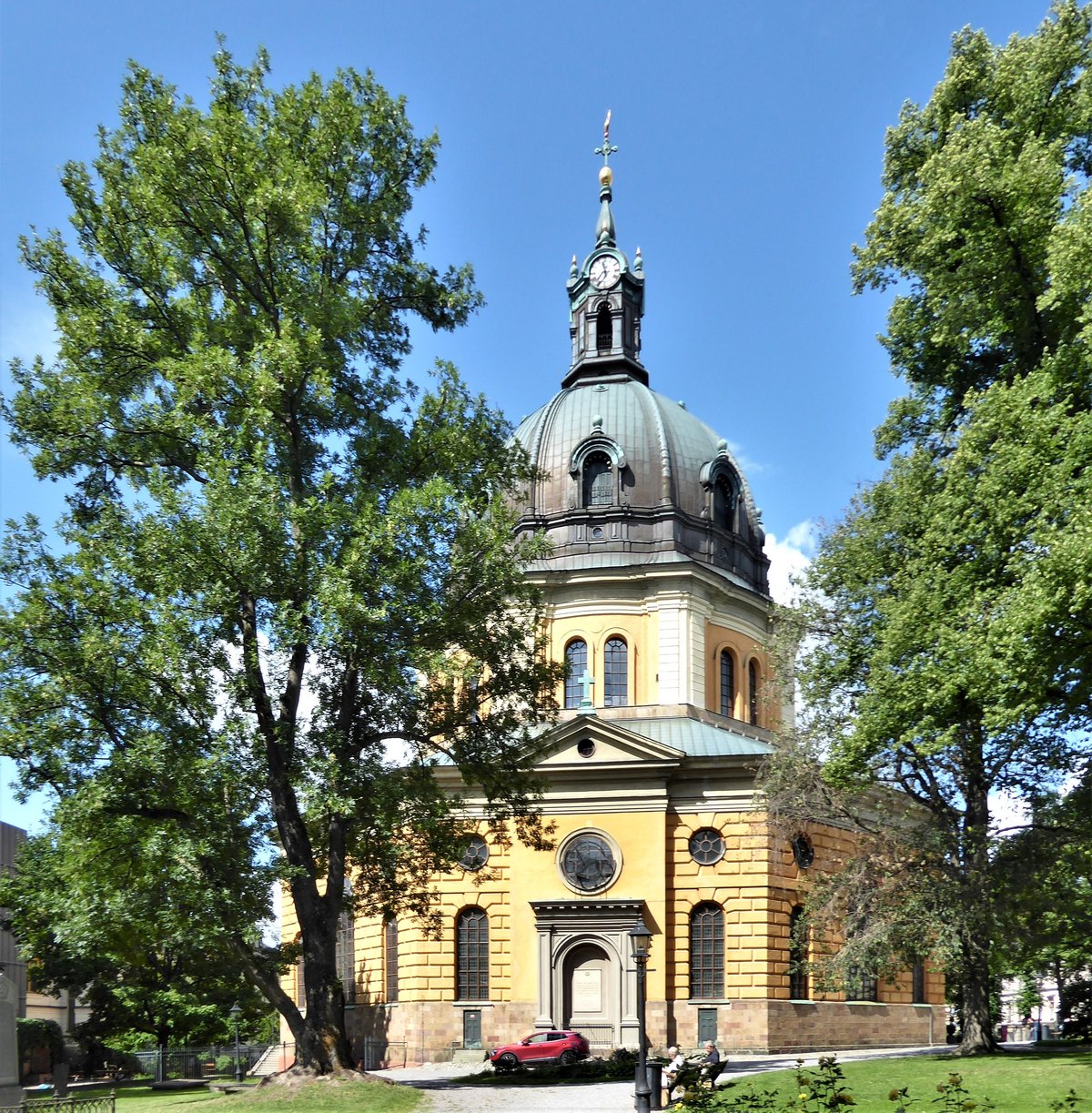
Hedvig Eleonora Church
Place

Hedvig Eleonora Church

Engelbrecht Church
Place

Engelbrecht Church

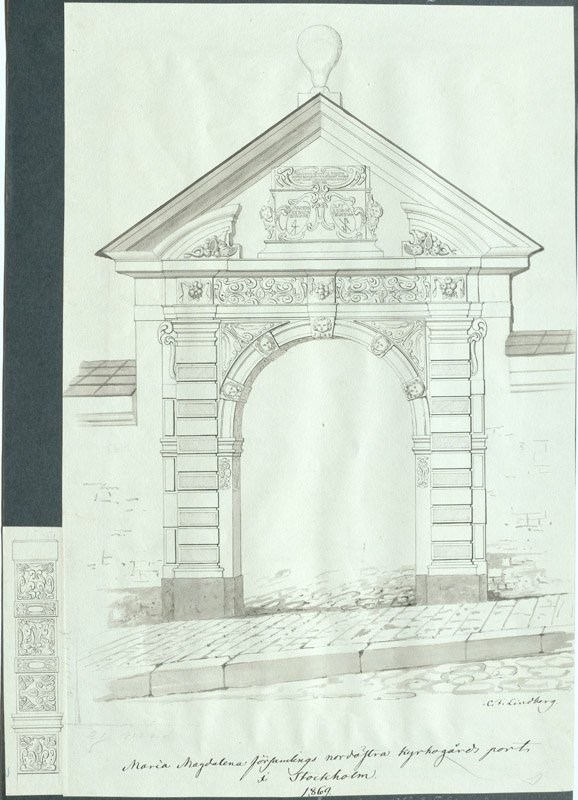
Maria Magdalena Church
Place

Maria Magdalena Church

Folkoperan
Place

Folkoperan

Sergels Torg
Place

Sergels Torg

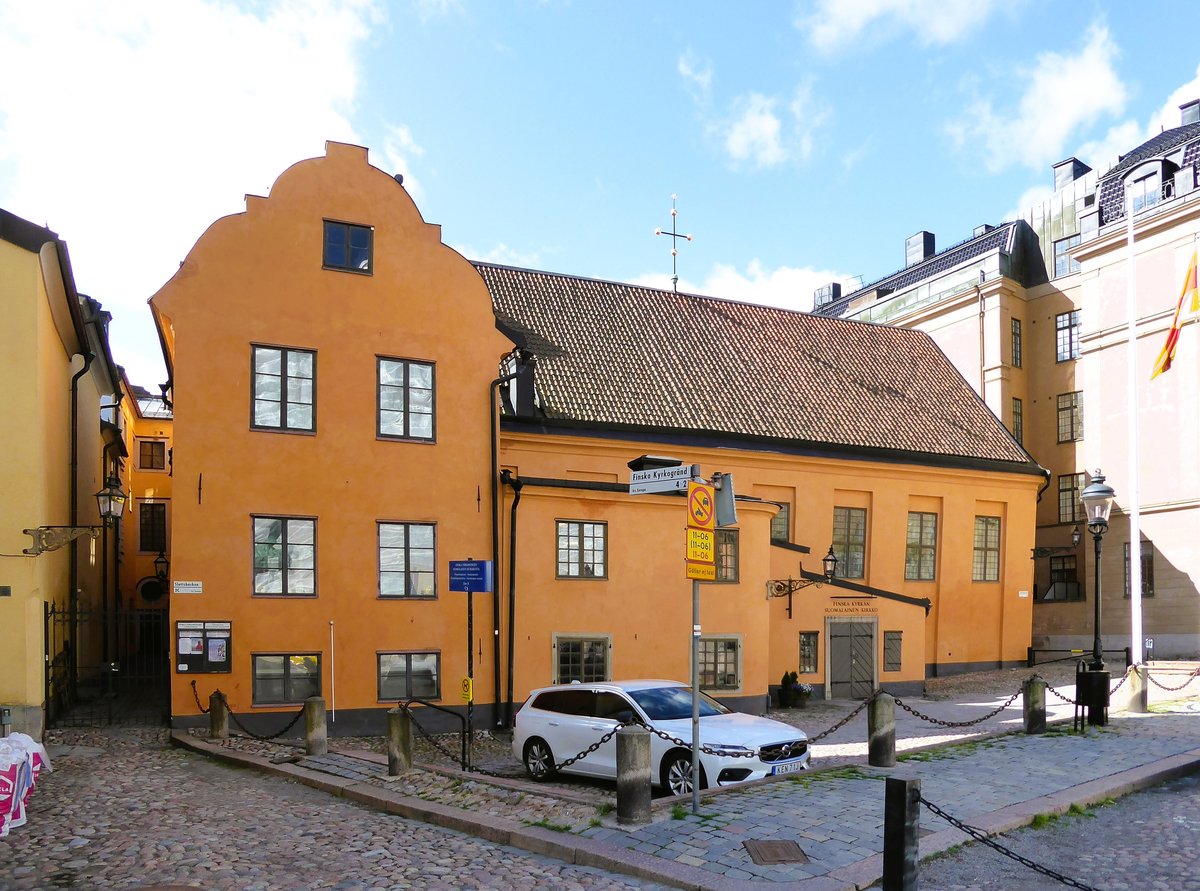
Finnish Church
Place

Finnish Church

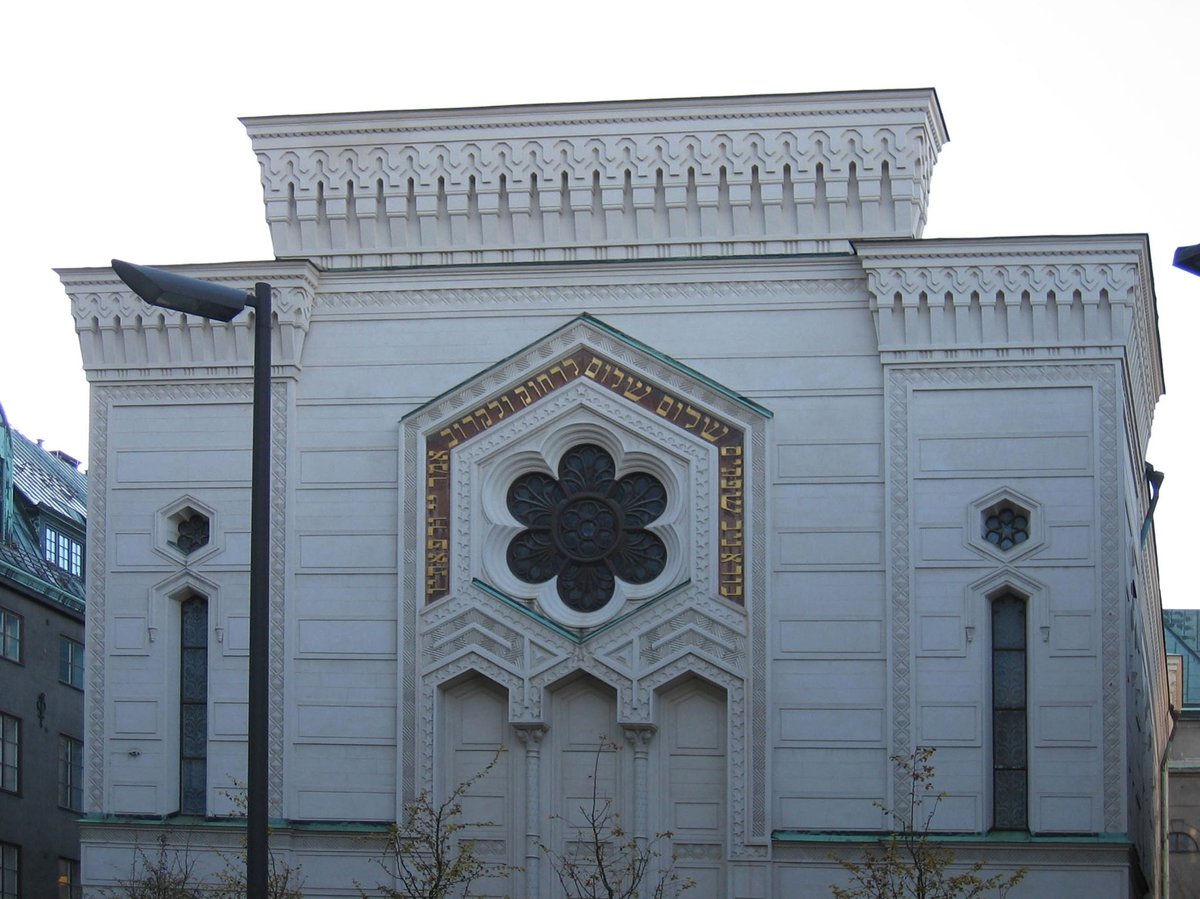
Stockholm Synagogue
Place

Stockholm Synagogue

Showing 48 of 250 — search any place to jump straight there.