Malmö
Sweden Updated Apr 2026
Salt air hits first in Malmö, Sweden, then the sightline snaps from red-brick church towers to a white skyscraper twisted 90 degrees against the Øresund. Few cities shift mood this fast. Five minutes can take you from cobbles and half-timbered facades to a seawall where locals climb down ladders for a cold swim with Copenhagen faint across the water.
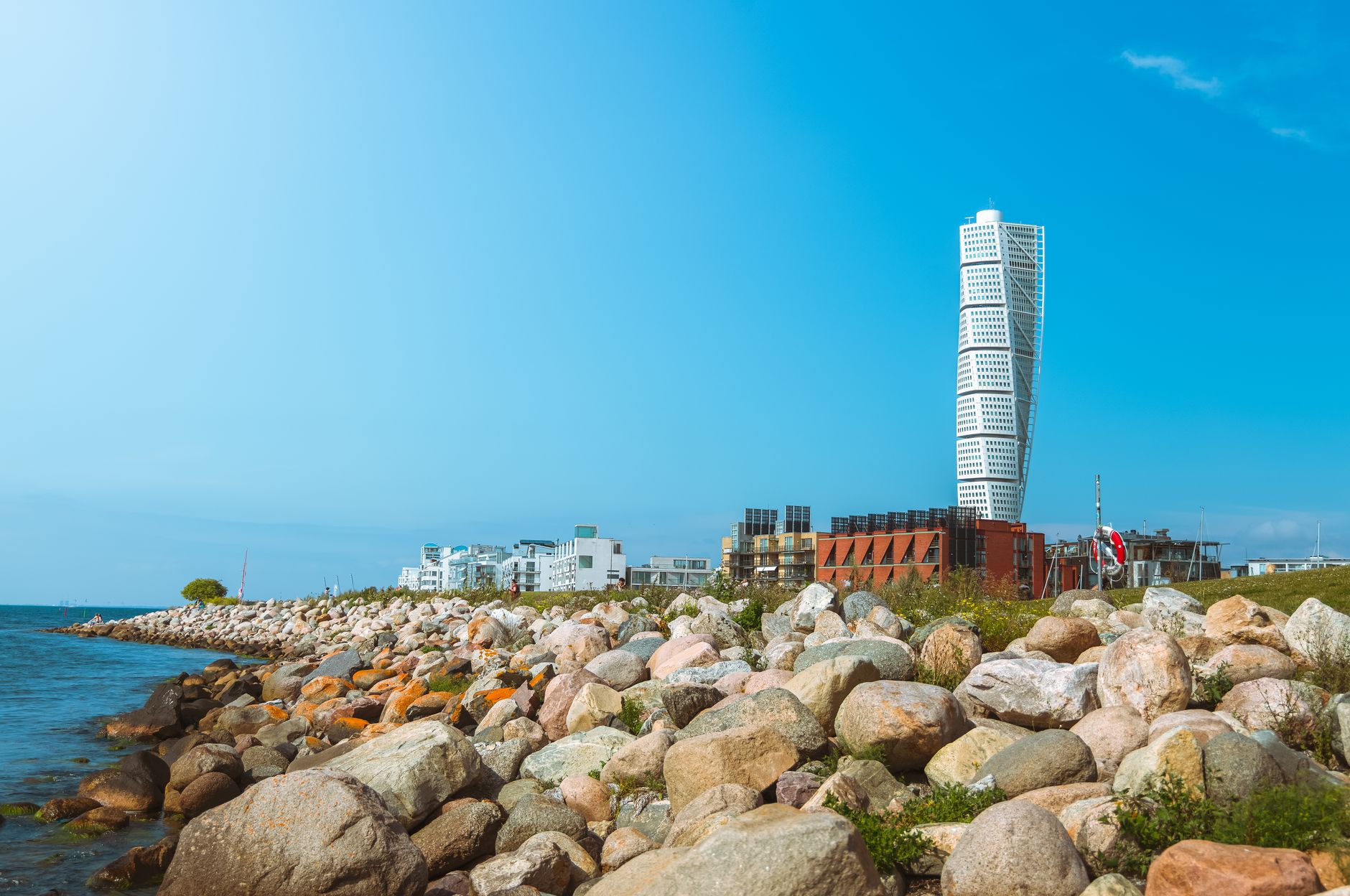 Photo: Nik Nikolla / Pexels
- Attractions
- 12
- Trip length
- 2-3 days
- Best season
- June-August
Why Malmö
Built from cited sources · see the method · How we make our guides →
Malmö makes more sense once you stop treating it as Copenhagen's smaller neighbor and start seeing it as a port city that rebuilt its own identity after the shipyards faded. Turning Torso rose in 2005 where the Kockums Crane once defined the skyline, and that swap tells the whole story: working harbor, industrial loss, then a deliberate wager on design, housing, and public waterfront life.
The center still keeps older rhythms. Stortorget carries the weight of the 15th century, Lilla Torg smells of coffee and butter from morning fika, and St. Petri's brick Gothic interior cools the air the moment you step inside. Then Malmö swerves again, into food halls, Syrian kitchens, market stalls at Möllevångstorget, and bike lanes that make the city feel scaled to human conversation rather than traffic.
What stays with you is Malmö's lack of ceremony. This is a city where an experimental art hall, a medieval castle, a two-hour dockside lunch service, and a nude sauna on a pier all fit the same afternoon without strain. The place feels unpretentious because it is; people here don't perform their city, they use it.
Bridge City
Malmö lives with one foot in Sweden and the other on the far side of the Øresund. The 16-kilometer Öresund Bridge turns Copenhagen into a 35-minute train hop, so the city feels less like a border stop than a place with two horizons.A New Skyline
Turning Torso still stops you cold: 190 meters tall, 54 floors, nine stacked segments twisting 90 degrees by the top. Santiago Calatrava opened it in 2005, and the tower was built quite deliberately to replace the vanished Kockums shipyard crane as Malmö's new emblem.Castle and Cobblestones
Malmö keeps its older self close at hand. Around Stortorget, Lilla Torg and St. Petri Church, brick Gothic walls and half-timbered facades lead back to Malmöhus Castle, where moats, gardens and the old city museum soften the edges of a former fortress.Falafel and Fine Dining
Few Swedish cities eat like this one. Street-corner falafel, Lebanese bread, Korean-Swedish cooking and serious Skåne produce all share the same few neighborhoods, which means dinner can start with chickpeas in paper wrap and end with a Michelin-level tasting menu in a 19th-century townhouse.
Neighborhoods
Where to wander, by quarter — each with its own rhythm.
Gamla Väster
Gamla Väster is the part of Malmö that looks as if it has decided to ignore the 21st century for a few blocks. Narrow lanes, low townhouses, and half-timbered facades make it the district for slow walks, independent shops, and a good aimless hour on streets like Jöns Filsgatan, where the light bounces softly off pale plaster and old brick.Stortorget and Lilla Torg
The old civic heart still does its job. Stortorget gives you the broad medieval square, the Town Hall, and the equestrian statue of Karl X Gustav; Lilla Torg, just beside it, tightens the scale to cobbles, timbered houses, outdoor tables, and the smell of coffee before noon, though locals often eat better once they wander a few streets away.Västra Hamnen
Västra Hamnen is Malmö's argument for reinvention made visible in steel, glass, and sea wind. The district grew out of the Bo01 housing expo area, so the streets feel planned for modern city life rather than inherited from it, and visitors come for the Turning Torso, the promenade, the bathing spots, and that peculiar pleasure of watching expensive architecture try not to look too pleased with itself.Möllevången
Möllevången, or Möllan, is where Malmö relaxes and gets interesting. Around Möllevångstorget you'll find produce stalls, late coffee at Kaffebaren på Möllan, natural wine, falafel, ambitious kitchens like Lyran, and the kind of mixed crowd that makes the neighborhood feel lived-in rather than staged for visitors.Folkets Park
Folkets Park works as both green refuge and social engine, especially once the weather turns kind. Families, students, clubgoers, and pizza-seekers all end up here for Far i Hatten, Moriska Paviljongen, summer events, and long evenings when the park feels less like a formal attraction than Malmö's communal backyard.Rörsjöstaden
Rörsjöstaden is quieter on first glance, which is part of the point. The handsome residential streets hide some of the city's more curious cultural addresses, including Drottninggatan 6 and Signal Center for Contemporary Art, so this is where you go when you want Malmö to stop posing and start talking.St: Knut
St: Knut sits slightly outside the standard visitor loop and rewards the detour. About 10 minutes by bike from the center, it has neighborhood bakeries, thoughtful old apartment blocks, and a calmer tempo that shows how Malmö actually lives when nobody is trying to sell you a table with a view.Triangeln
Triangeln is less picturesque than the old town and more useful, which is why it matters. The station, shopping streets, and steady local foot traffic make it a good base for seeing everyday Malmö, with cafés, retail, and quick links outward rather than postcard scenery at every turn.
Plan your trip
Before you go
- Getting There
- As of 2026, most international visitors arrive via Copenhagen Airport (CPH), then take a direct Öresundståg train over the bridge to Malmö Central in about 22 minutes from the airport station. Malmö Airport (MMX) sits about 30 kilometers southeast of town and connects to Malmö Central by Flygbussarna in roughly 40 to 45 minutes; main rail hubs are Malmö Central, Triangeln and Hyllie, while drivers usually come in on the E6/E20, E22 or E65.
- Getting Around
- Malmö has no metro; daily movement runs on Skånetrafiken city buses plus Pågatåg and Öresundståg regional trains. The center is compact, and the city backs that up with about 520 kilometers of cycling infrastructure and the Malmö by Bike share system; in 2026, Skånetrafiken's 48-hour Tourist Ticket Skåne costs 299 SEK and the 48-hour Tourist Ticket Öresund costs 599 SEK, covering Malmö-Copenhagen travel and Copenhagen Metro access.
- Climate & Best Time
- Spring usually runs from about 0 to 17C, summer from 11 to 23C, autumn from 3 to 18C, and winter from -1 to 4C; wind matters here, especially near the water. April is the driest month at roughly 30 mm of rain, while August and parts of late autumn are wetter, around 60 to 70 mm; peak visitor months are June to August, but late April to June and late August to September give you long light, easier tables and fewer crowds.
- Language & Currency
- Swedish is the official language, but English works almost everywhere you will need it, from bakeries to museum desks. Sweden uses the Swedish krona (SEK), not the euro, and Malmö in 2026 remains heavily cashless, so contactless Visa or Mastercard payments are far more useful than carrying notes.
- Safety
- Malmö is broadly safe for visitors, especially around the center, Västra Hamnen and the main museum districts. The usual problems are pickpocketing around Malmö Central and bike theft, while residential districts such as Rosengård, Lindängen and Seved make little sense for casual sightseeing after dark; emergency number 112, non-urgent medical advice 1177.
A Port Recast by Kings, Cranes, and the Bridge
From Danish herring town to the hinge between Sweden and Copenhagen
- 1275
Malmö Enters the Record
Malmö first appears in writing in 1275, already important enough to be named rather than guessed at. The town grew on a low, gravelly stretch of coast facing the Øresund, where salted herring, tolls, and sea traffic could turn a windy shoreline into money.
- c. 1319
St. Petri Rises in Brick
Most scholars date St. Petri Church to the early 14th century, when Malmö was rich enough to build in the Baltic Brick Gothic style shared with Lübeck. Step inside and the city still sounds medieval: a long echo, cold air, and light falling across red brick that once announced mercantile ambition as clearly as any flag.
- c. 1350
Herring Makes the Town Rich
By the 14th century Malmö had become one of the main winners of the great Scanian herring trade. German merchants crowded the quays, barrels of salted fish left for markets around northern Europe, and the town began to matter far beyond its size.
- c. 1430
Walls, Arms, and Royal Attention
In the early 15th century King Eric of Pomerania tightened royal control here with fortifications and a coat of arms, treating Malmö less as a provincial town than as a cash box beside the sound. That decision hardened the shoreline into a defended city, with customs, soldiers, and suspicion built into the street plan.
- c. 1527
Reformation Reaches the Pulpit
Malmö became one of Scandinavia's early centers of the Reformation in the 16th century, and religion changed here with a crack rather than a whisper. Latin ritual gave way to Lutheran preaching, church property was contested, and the city's spiritual life became entangled with royal power.
- 1585
Caspar Bartholin Is Born
Caspar Bartholin the Elder was born in Malmö when the city was still Danish, and he carried that borderland sharpness into European medicine. His later anatomical work made his name abroad, but the story starts in a port city where scholars, traders, and preachers moved through the same narrow streets.
Show the full timeline (21 moments)
- 1658
Sweden Takes Malmö
The Treaty of Roskilde in 1658 shifted Malmö from Denmark to Sweden in a single diplomatic stroke, though the change felt nothing like smooth paperwork on the ground. Loyalties split, Danish reconquest attempts followed, and the city woke up as a frontier town facing the country it had belonged to the week before.
- 1718
Alexander Roslin Arrives
Portrait painter Alexander Roslin was born in Malmö in 1718, long before the city acquired its modern self-confidence. His later fame in European courts hints at something easy to miss here: Malmö has often exported talent even when it seemed overshadowed by capitals.
- 1744
Frans Suell and the Harbour
Frans Suell, born in 1744, helped build the modern harbour that pulled Malmö toward its industrial future. Ports don't just handle cargo; they change the smell of a city, the work people do, and the horizon they imagine for themselves.
- 1849
August Palm's Red Thread
August Palm was born in Malmö in 1849 and would go on to found the Swedish Social Democratic movement. That mattered here. Malmö's later identity as a working-class, reform-minded city owes something to the politics Palm helped set in motion.
- 1885
Per Albin Hansson Begins Here
Per Albin Hansson, born in Malmö in 1885, later became prime minister and the chief political architect of the Swedish folkhem, the 'people's home.' His rise from this southern port gives Malmö a direct line into the story of the modern Swedish welfare state.
- 1931
Anita Ekberg's First Stage
Anita Ekberg was born in Malmö in 1931 and entered Miss Malmö as a teenager before Rome and Fellini turned her into an international image. That detail matters because cities often rehearse their myths locally first, under fluorescent hall lights rather than cinema spotlights.
- 1943
Refugees Cross the Sound
During the German occupation of Denmark, Malmö became one of the Swedish shorelines reached by refugees crossing the Øresund, including Danish Jews fleeing deportation. Cold water, blacked-out boats, and a crossing of barely an hour turned the strait from a border into a lifeline.
- 1948
The Imaginists Break the Surface
The Imaginist Group formed in Malmö in 1948, with Max Walter Svanberg among its driving forces, and gave the city a streak of surrealist mischief. Postwar Malmö was not only cranes and factory whistles; it could make room for dream imagery, erotic symbolism, and arguments about what art was for.
- 1975
Malmö Konsthall Opens Wide
Malmö Konsthall opened in 1975 with a vast, light-filled hall built for contemporary art rather than polite decoration. The glass roof changes everything. Works don't sit under theatrical spotlights here; they live in a Nordic daylight that can feel forensic one hour and soft the next.
- 1981
Zlatan Starts in Rosengård
Zlatan Ibrahimović was born in Malmö in 1981 and learned his football in the city's immigrant neighborhoods before breaking through at Malmö FF. Rosengård gave him the hard edges: concrete courtyards, small pitches, and the kind of competitive street pride that produces style as much as survival.
- 1995
Europe Moves Closer
Sweden joined the European Union in 1995, and Malmö suddenly sat in a new economic geography rather than at the edge of the map. The city had already been looking across the water for its next life. Now policy finally caught up with instinct.
- 2000
The Øresund Bridge Opens
On 1 July 2000 the Øresund link opened, a 16-kilometer chain of bridge, artificial island, and tunnel that tied Malmö to Copenhagen with steel, cable, and nerve. The old ferry logic gave way to commuter logic. A city that once stared across the sound could now cross it before coffee cooled.
- 2001
Bo01 Rewrites the Waterfront
The Bo01 housing exposition turned former Kockums shipyard land in Västra Hamnen into a test bed for sustainable urban living. That was more than urban design. It marked Malmö's refusal to remain a post-industrial ruin with nostalgic stories about cranes.
- 2005
Turning Torso Twists the Skyline
Turning Torso opened on 27 August 2005, rising 190 meters in nine twisting segments that rotate 90 degrees from base to top. It was built to replace the vanished Kockums Crane as the city's emblem, and you can feel the argument in the building itself: Malmö would rather invent a new silhouette than mourn the old one forever.
- 2024
A Bigger, Stranger Malmö
By December 2024 Malmö's population had reached 365,644, making it Sweden's third-largest city and one of its most visibly mixed. Numbers only tell part of it. Walk the center, then Rosengård, then the wind-cut edge of Västra Hamnen, and the city feels less like a single place than a conversation still underway.
Who lived here
-
Footballer · born 1981
Zlatan Ibrahimović
Born here; grew up in Rosengård and played for Malmö FF
Malmö gave Zlatan Ibrahimović the hard edges that became part of the myth: Rosengård football cages, immigrant ambition, and a local club that turned street swagger into professional timing. He'd probably still read the city by its attitude first, then notice how the old shipyard skyline now ends in glass and steel.
-
Actress · 1931–2015
Anita Ekberg
Born here
Anita Ekberg left Malmö and became immortal in Rome's Trevi Fountain, but the story starts in this southern port city, far from Fellini's floodlit glamour. She might find today's waterfront amusingly cinematic: all that Nordic restraint, then suddenly a skyline that knows how to pose.
-
Filmmaker · born 1931
Jan Troell
Born in Limhamn, now part of Malmö
Jan Troell was born in Limhamn, the old limestone-and-industry side of Malmö, and his films kept that worker's-eye patience even when they grew epic. He would still recognize the southern light here, low and silvery, the kind that makes ordinary streets look like memory before you've even left them.
-
Film director · 1930–1997
Bo Widerberg
Born here
Bo Widerberg put working-class Sweden on screen with a tenderness that never softened the rough parts, and Malmö never quite stopped claiming him. Walk past Bo Widerbergs plats near the station and you can feel the fit: a city that distrusts polish a little, even when it knows how to look good.
Where to Eat
Where locals actually book dinner — not the tourist menus.
-
Falafel
Malmö is widely called Sweden's falafel capital, and for once the civic boast holds up. Start in Möllevången or around Triangeln, where Syrian and Lebanese influences reshaped the city's fast food into something cheap, crisp and properly seasoned.
-
Malmö Saluhall
This former freight depot on Gibraltargatan 6 is the cleanest snapshot of how Malmö eats now. One roof, about 15 traders, and a range that jumps from seafood and sourdough to falafel and Mexican cooking without feeling forced.
-
Fika and Kanelbullar
Skip the rush and take fika seriously. A cardamom bun or cinnamon bun with strong coffee explains more about Swedish daily life than most museums manage in an hour.
-
Äggakaka
This thick Scanian egg pancake is the local comfort dish to look for when menus lean traditional. Done well, it arrives rich and browned at the edges, usually with fried pork and lingonberries to cut the fat.
-
Herring and Husmanskost
For older-school Swedish cooking, look for pickled herring, meatballs and other husmanskost staples rather than another generic burger. Bullen, serving since 1897, is the classic address if you want dark wood, beer and food that remembers winter.
-
Lebanese and Middle Eastern Tables
Malmö's food tells the story of the people who moved here. Hummus, shawarma, hot flatbread and long meze tables are part of the city's everyday eating now, not a side note, and places like OCCO or Hummusson make that plain.
-
Modern Skåne Cooking
The high end of Malmö cooking leans hard on nearby farms, Baltic fish and seasonality. Vollmers carries two Michelin stars, while places like Mutantur and Lyran show the city's sharper habit: local ingredients, but no fear of black garlic, tamarind or a handful of herbs that came from somewhere else.
Insider tips
Small things that change how the city treats you.
Fly via Copenhagen
Copenhagen Airport is usually the smarter gateway: direct Öresundståg trains reach Malmö Central in about 22 minutes, often faster than coming in from Malmö Airport by bus. Buy through the Skånetrafiken app before boarding.Use the Oresund Ticket
If you're splitting time between Malmö and Copenhagen, the 48-hour Tourist Ticket Öresund can save money and hassle. It covers the bridge crossing plus Malmö buses and Copenhagen public transport on one ticket.Bring a Card
Malmö runs on cards and contactless payments, and many buses, cafés, and shops won't take cash at all. Sweden uses SEK, while Copenhagen across the bridge uses DKK, so don't rely on leftover coins from either side.Cycle Short Distances
Malmö has more than 520 kilometers of bike paths, and the city bike system runs year-round. For places like St: Knut, Möllevången, and Ribersborg, a bike often beats waiting for a bus.Pack for Wind
June to August brings the longest days and the easiest weather, but the waterfront can turn windy fast even in summer. April and May are drier and quieter, which makes the parks and old town feel better paced.Eat Beyond Lilla Torg
Lilla Torg is pleasant for a coffee, but locals often head to Möllevången or Davidshall when they want dinner that justifies the bill. For a classic insider move, Saltimporten Canteen serves a famous dockside lunch for a short midday window.Use Normal Caution
Tourist areas are generally safe, but keep an eye on bags around Malmö Central and lock any bike like you expect it to be tested. Rosengård, Lindängen, and Seved have little for visitors and aren't where you'd wander late just for a look around.
Gallery
The city, as it actually looks.
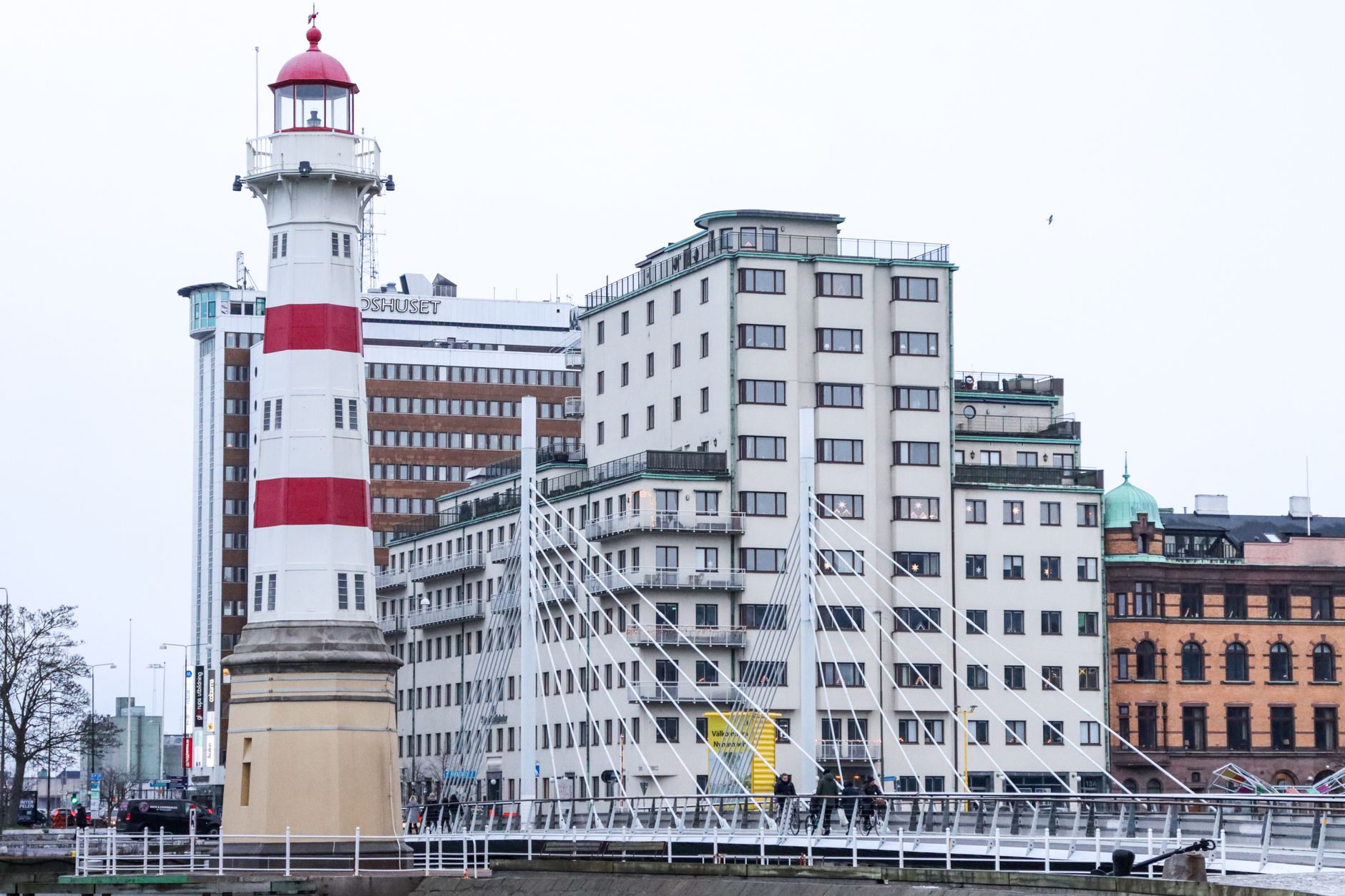


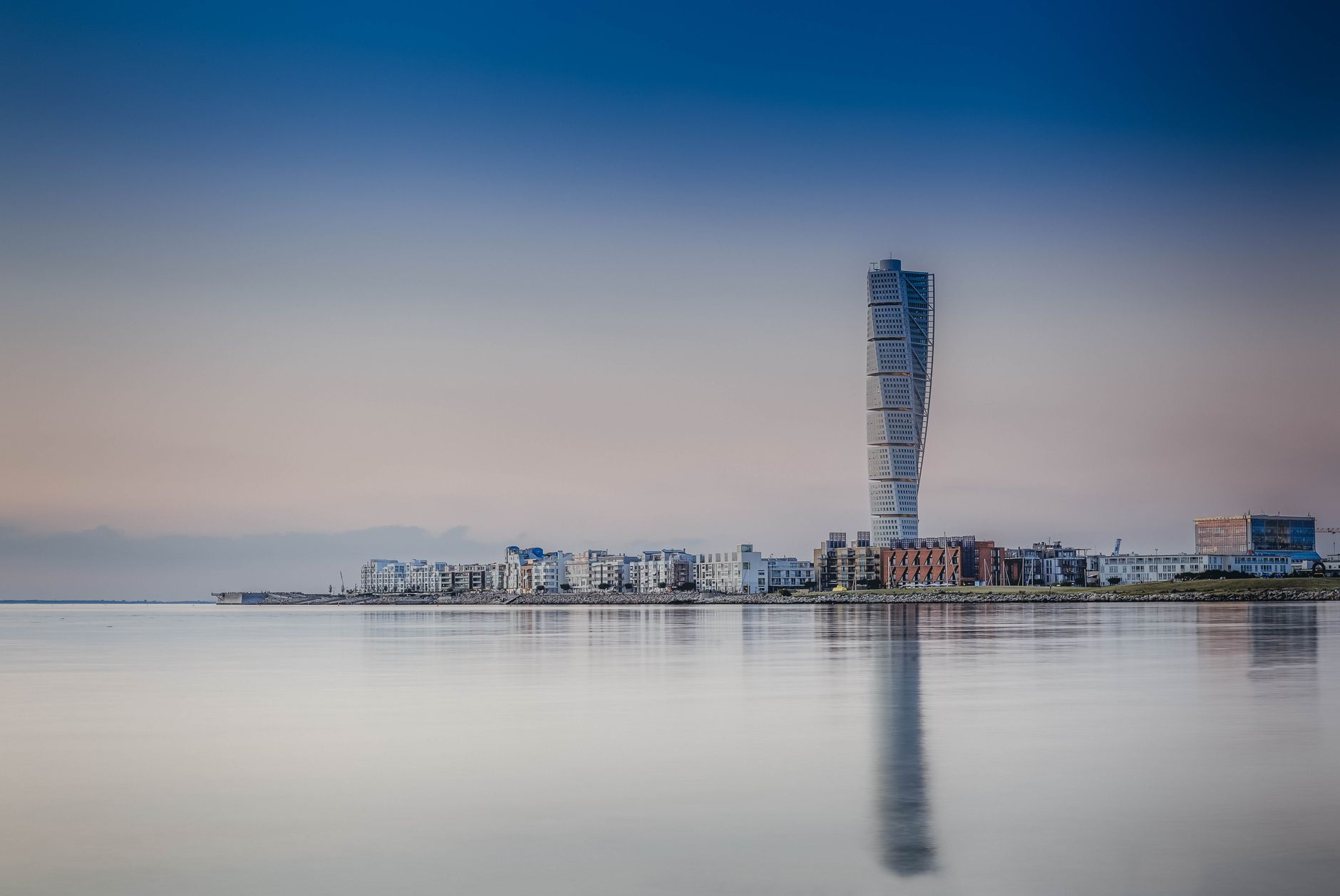
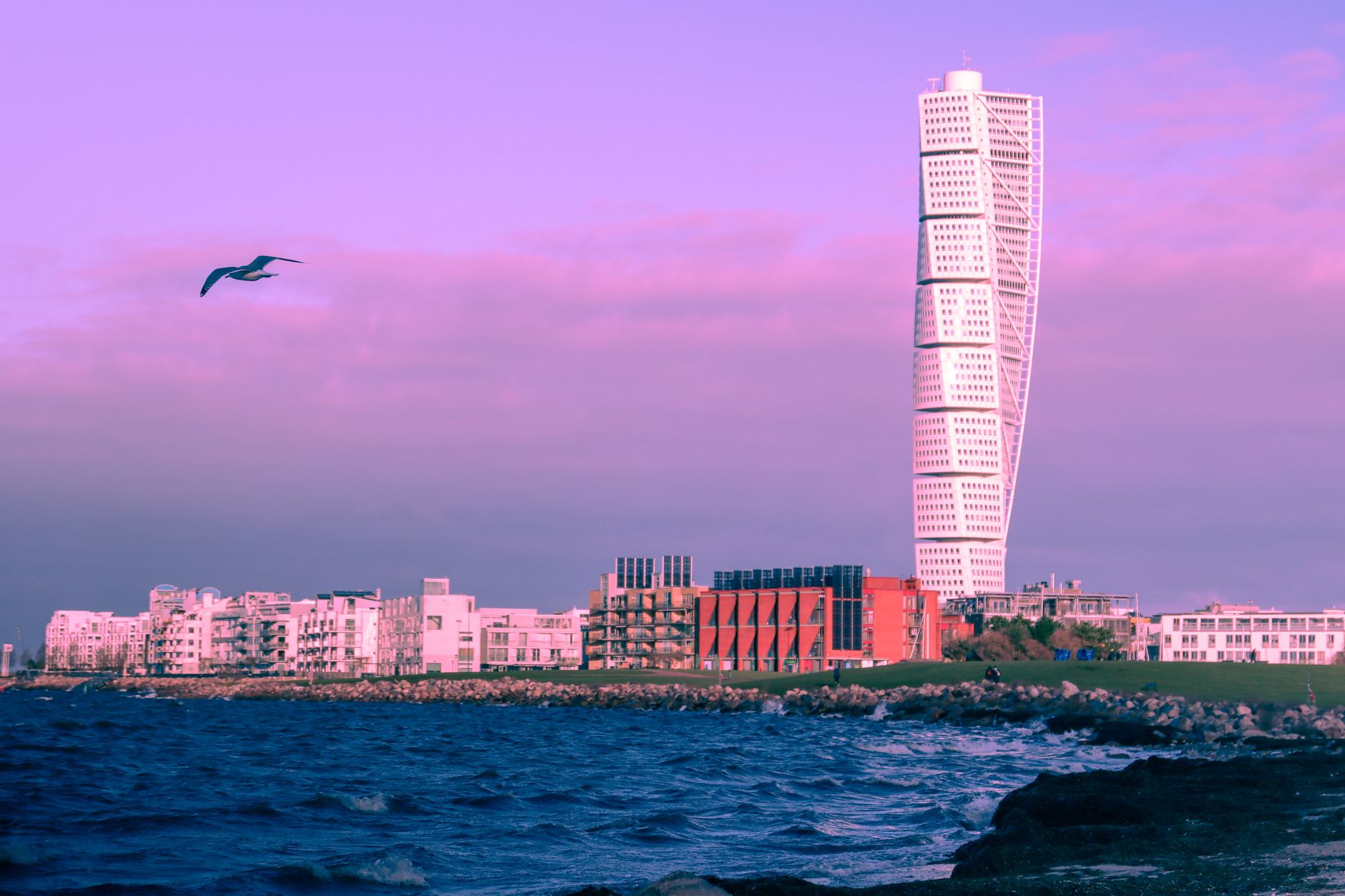

Frequently asked
Is Malmö worth visiting?
Yes, especially if you like cities that change block by block. Malmö gives you a medieval castle, half-timbered squares, a 190-meter modern tower, cold sea air, and one of Scandinavia's easiest day trips to another country.
How many days in Malmö?
Two to three days works well for most travelers. That gives you time for the old center, Malmöhus, Ribersborg, Västra Hamnen, a proper fika, and either a slow museum day or a quick train trip to Copenhagen or Lund.
How do I get from Copenhagen Airport to Malmö?
Take the direct train. Öresundståg services run from Copenhagen Airport to Malmö Central with no transfer, and the ride is about 22 minutes.
Is Malmö safe for tourists?
Generally, yes. Visitors mostly deal with the same issues they'd face in any transit city: pickpocketing near the station, bike theft, and the occasional overpriced meal in a pretty square.
Is Malmö expensive to visit?
It can be, but it doesn't have to be. Public transport is efficient, several art venues are free or low-cost, and Malmö's food scene ranges from careful set-menu restaurants to falafel counters and canteens that keep your budget intact.
Do I need cash in Malmö?
Probably not. Malmö is heavily cashless, and many businesses prefer cards or mobile payment only, so a contactless Visa or Mastercard matters more than a wallet full of notes.
Can you get around Malmö without a car?
Easily. The center is walkable, buses cover the city, regional trains handle day trips, and the bike network is dense enough that many locals cycle instead of bothering with a car.
When is the best time to visit Malmö?
June through August brings the longest days, mild temperatures, and beach weather at Ribersborg. April and May are a strong second choice if you'd rather trade swimming for quieter streets and drier days.
Pick up where you left off
Saved and recently read places — kept on this device only.
Photo credits (9)
- Nik Nikolla — Pexels License (https://www.pexels.com/license/) — Source: https://www.pexels.com/photo/33253307/
- Efrem Efre — Pexels License (https://www.pexels.com/license/) — Source: https://www.pexels.com/photo/30437774/
- Nathan J Hilton — Pexels License (https://www.pexels.com/license/) — Source: https://www.pexels.com/photo/35171253/
- Efrem Efre — Pexels License (https://www.pexels.com/license/) — Source: https://www.pexels.com/photo/16480408/
- Adriaan Westra — Pexels License (https://www.pexels.com/license/) — Source: https://www.pexels.com/photo/36268750/
- Patrik Stoltz — Pexels License (https://www.pexels.com/license/) — Source: https://www.pexels.com/photo/13071481/
- Efrem Efre — Pexels License (https://www.pexels.com/license/) — Source: https://www.pexels.com/photo/30410248/
- Efrem Efre — Pexels License (https://www.pexels.com/license/) — Source: https://www.pexels.com/photo/30452426/
- Nik Nikolla — Pexels License (https://www.pexels.com/license/) — Source: https://www.pexels.com/photo/33253308/
Photos may have been resized or cropped.