sailing
Archipelagos And Ferries
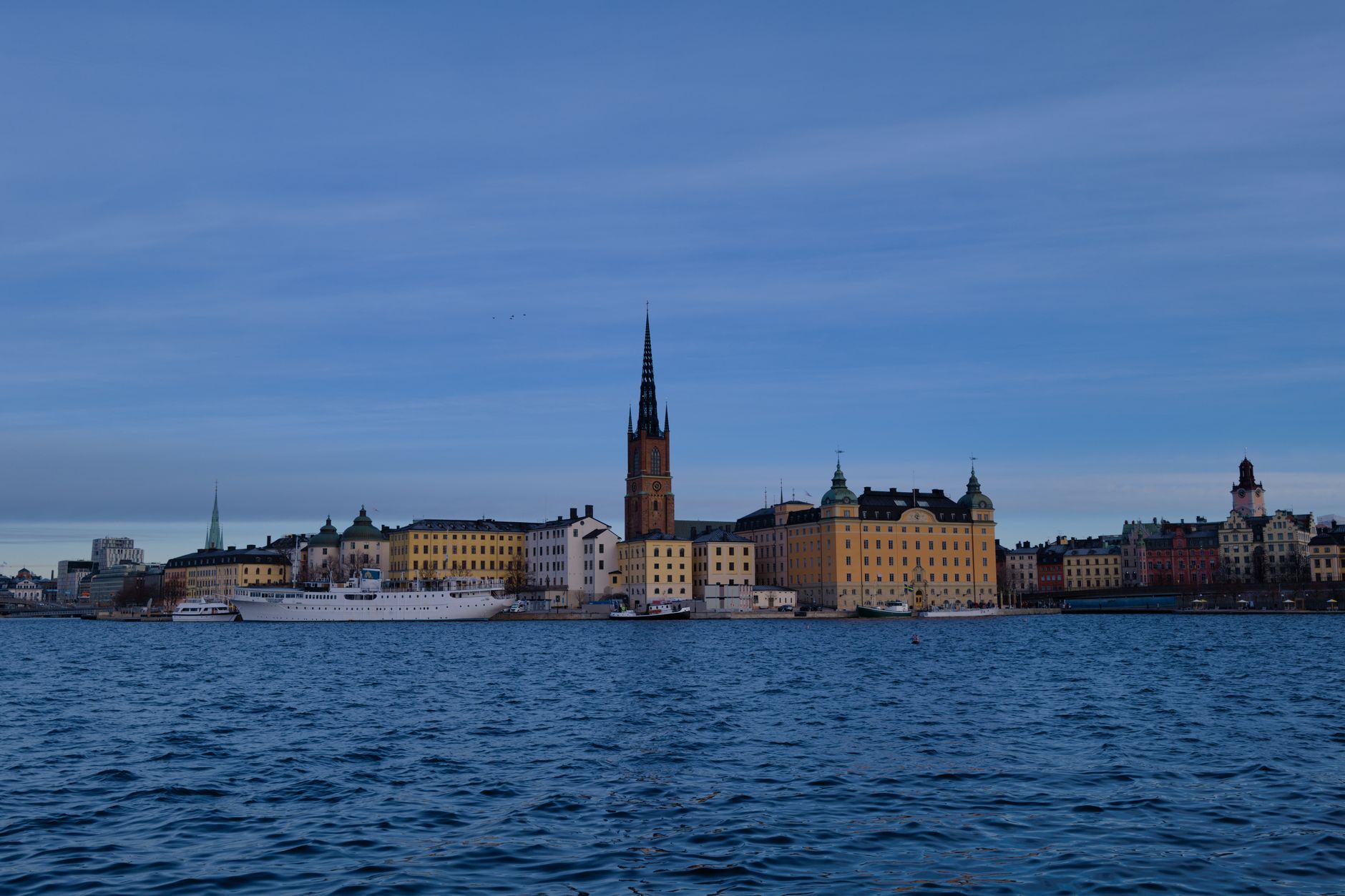
Sweden's coastline runs for 3,218 kilometers and the island count is absurd: 221,831. Around Stockholm and Gothenburg, boats are not scenery but part of how you move through the day.
Sweden works because it never forces one version of itself on you: archipelago capital, medieval walled town, design city, Arctic frontier. The trip gets richer the more you lean into the contrasts.
 Sweden
EntrySchengen area; 90/180 days for many non-EU visitors
SA Sweden travel guide starts with one surprise: this is a country of 221,831 islands, midnight sun, and cities built for silence as much as spectacle.
Sweden rewards travelers who like contrast with sharp edges. In Stockholm, ferries thread between islands and 17th-century facades while the Vasa warship sits intact enough to make 1628 feel uncomfortably close. Gothenburg turns west toward oyster bars, trams, and ferries into the Bohuslän archipelago. Malmö faces Copenhagen across the Öresund Bridge, where old brick warehouses now share space with bold contemporary design. You can move between these cities fast by train, then step out into pine forest, granite coast, or a harbor where the light hangs on long after dinner.
The country gets bigger the farther north you go. Uppsala and Lund carry the weight of medieval Sweden in cathedral stones and university halls, while Visby still keeps its Hanseatic walls wrapped around rose-covered lanes and church ruins. Then the map opens: Kiruna shifts with the mining ground beneath it, Abisko gives you winter skies built for aurora watching and summer trails under the midnight sun, and Falun tells the story of the copper that once bankrolled an empire. Sweden rarely shouts. It changes your pace instead.
From Rock Carvings to River Routes, c. 1700 BCE–1066
A wind comes off the Baltic at Tanum, and the granite is already old when Bronze Age hands begin to cut ships into it. Not one ship, but hundreds: prows, crews, sun wheels, warriors, bodies caught mid-gesture as if ritual had to be pinned to the rock before winter swallowed the light. At Kivik in Skane, a cairn raised around 1400 BCE shelters carved slabs with chariots and processions, the sort of funeral staging reserved for someone whose name mattered desperately and then vanished completely.
Ce que l'on ignore souvent, c'est that Sweden enters history first through objects, not chronicles. A gold neck ring buried on Oland, a razor, a boat image, an amber bead: these are the country before it becomes a kingdom. And then the routes open. By the eighth century, the waters around Birka in Lake Malaren carry fur, walrus ivory, slaves, and Arab silver; the little trading town near present-day stockholm is less a romantic Viking outpost than a hard, noisy market where languages collide and profit settles arguments.
The Swedish Vikings did not look west first. They pushed east, down the rivers of what are now Russia and Ukraine, toward Novgorod, Kyiv, and Constantinople. Ibn Fadlan, who met Rus traders in 922, was scandalized by their hygiene and stunned by their physical presence. He noticed the tattoos, the blades, the funeral rites. He also understood what many schoolbooks soften: these were merchants when trade paid better, raiders when it did not, and both on the same voyage.
Then Christianity arrives in fragments. Ansgar reaches Birka in 829, builds a church, leaves, returns, and finds how fragile any conversion can be when it depends on one ruler's patience. The old gods do not step aside politely. Yet the route from Birka to Sigtuna, and then toward Uppsala, is already preparing another Sweden: less tribal, more royal, and far more dangerous once crowns and bishops begin to speak the same language.
Ansgar, the anxious missionary from the Frankish world, looks almost touching here: brave, stubborn, and repeatedly defeated by weather, politics, and pagan common sense.
Gotland has yielded more Viking Age silver hoards than anywhere else on earth, which means Sweden's soil still keeps the savings of merchants who never came back.
Saints, Unions, and the Price of a Crown, 1066–1520
A church service in Uppsala, 18 May 1160. King Erik has time to hear Mass before armed men fall on him outside the church, and later generations insist that he finished praying before facing the blades. His death gives medieval Sweden what politics alone cannot provide: a royal martyr. The kingdom is still being assembled from rival regions, rival dynasties, and rival loyalties, but a murdered saint can do what armies cannot. His relics remain in Uppsala Cathedral, and that is not a minor detail. Sweden's state grows in the shadow of a shrine.
This medieval kingdom never settles into calm. Birger Jarl founds stockholm in the mid-thirteenth century to control trade and defend the inlet to Lake Malaren, and the city rises as a lock on the water and a hand on the purse. German merchants arrive. Brick churches rise. Law becomes more legible. Yet the crown remains unstable, always bargaining with magnates, bishops, and regional pride. Ce que l'on ignore souvent, c'est how often Sweden was made by negotiation that failed, then by violence that finished the sentence.
In 1397, the Kalmar Union joins Denmark, Norway, and Sweden under one crown. On paper it looks formidable. In practice it produces a century of suspicion, rebellions, and exhausted compromises. Stockholm becomes the stage on which the argument over who rules the North turns theatrical. Every faction claims legality. Every faction also keeps armed men close at hand.
Then comes November 1520. Christian II of Denmark enters stockholm, is crowned, hosts days of ceremony, wine, and reconciliation, and then orders the executions that history remembers as the Stockholm Bloodbath. Bishops, nobles, burghers: around eighty or more are beheaded or hanged in Stortorget. The square still holds the memory. Blood in the capital does what diplomacy could not. It turns resistance into a cause and leaves one young nobleman, Gustav Eriksson Vasa, with a kingdom to win.
Saint Erik is useful because he is more than piety; he is the moment Sweden discovers that sanctity can be a tool of statecraft.
Legend says Erik's severed head struck the ground and a spring appeared, which pilgrims then treated as proof that politics had become miracle.
The Vasa Break and the Baltic Empire, 1521–1718
A young fugitive moves through the winter landscape of Dalarna in 1521, skiing, hiding, persuading, surviving by luck and resentment. Gustav Vasa is not yet a liberator in fur cloak and legend. He is a hunted aristocrat trying to turn outrage over the Stockholm Bloodbath into an army. Mora first hesitates, then recalls him. That hesitation matters. Kingdoms are often saved by men whom their future subjects nearly let escape.
Once crowned in 1523, Gustav does not merely break from Denmark. He refashions Sweden. The Reformation lets him seize church wealth, weaken Rome, and bring administration closer to the crown. Monasteries are dissolved, bells and silver counted, bishops disciplined. This is the less sentimental truth of Swedish state-building: Lutheranism arrives with theology, certainly, but also with ledgers. And the Vasa family brings drama enough for any court chronicle, from Eric XIV's paranoia to fratricidal rivalry and whispered madness.
By the seventeenth century, Sweden becomes what Europe had not expected from its cold northern edge: a great power. Gustavus Adolphus lands in Germany during the Thirty Years' War and turns disciplined artillery and mobile tactics into an argument for Swedish relevance. He dies at Lutzen in 1632, in fog and confusion, leaving behind a legend polished by Protestant Europe and a child, Christina, who will inherit more symbolism than safety. Stockholm fills with nobles' palaces, war trophies, and the confidence of a state spending lives abroad to buy rank at home.
Christina herself is the sort of Bern heroine one cannot resist. Brilliant, theatrical, resistant to marriage, she abdicates in 1654, converts to Catholicism, and rides south to Rome, scandal trailing after her like velvet. Back in Sweden, the empire stretches around the Baltic, then overreaches. Charles XII marches with astonishing stubbornness, refuses compromise, invades Russia, and watches his army broken at Poltava in 1709. When he is shot in Norway in 1718, Sweden's age of greatness is already ending. The empire has spent itself. A different country must now be invented.
Queen Christina, raised as a king in all but title, remains the most dazzling refusal in Swedish history: she inherited an empire and walked away from it.
The warship Vasa, launched in stockholm in 1628, sailed barely 1,300 meters before tipping over and sinking in front of horrified spectators because too much grandeur had been crammed too high into the hull.
Liberty, Loss, and a New Dynasty, 1719–1905
After Charles XII, Sweden does something almost revolutionary for an exhausted monarchy: it limits the crown. The Age of Liberty begins in 1719, and parliament, factions, and pamphlets take their turn at ruling. The Hats and the Caps, those wonderfully named parties, argue over foreign policy and finances while coffee, newspapers, and political gossip reshape elite life. This is not democracy in the modern sense. But the kingdom is learning that debate can be a form of power, even when it is vain, theatrical, and often incompetent.
Then the pendulum swings back. Gustav III seizes authority in 1772 with a bloodless coup staged like court theater and governs as an enlightened monarch who adores opera, etiquette, and his own historical role. Stockholm becomes more polished under him, more brilliant too. Yet brilliance breeds enemies. At a masked ball in 1792, at the Royal Opera, the king is shot in the back by conspirators. Sweden gets its most operatic murder, and Europe gets another lesson in how dangerous style becomes when it begins to look like sovereignty without consent.
The Napoleonic era breaks the map. Sweden loses Finland to Russia in 1809, a trauma so deep it rearranges the kingdom's idea of itself. Out of that defeat comes a new constitution and, soon after, one of history's delicious improbabilities: the French marshal Jean-Baptiste Bernadotte is elected heir to the Swedish throne in 1810. A Gascon soldier becomes Crown Prince Charles John, then king. Ce que l'on ignore souvent, c'est how practical the choice was. Sweden did not fall in love with a Frenchman; it hired one.
The nineteenth century that follows is less theatrical and more consequential. Peace after 1814 allows roads, schools, timber exports, ironworks, railways, and eventually mass emigration to America. Poverty remains real. So does social discipline. But Sweden begins to turn from warrior kingdom to orderly modern state, while stockholm, Gothenburg, Malmo, Uppsala, and Lund each take on sharper civic identities. By 1905, when the union with Norway ends peacefully, the country has traded imperial ambition for something more durable: administrative competence and social patience.
Jean-Baptiste Bernadotte, a son of Pau who once served Napoleon, understood that to survive in Sweden he had to become more Swedish than the Swedes imagined possible.
Gustav III attended the masked ball despite warnings, and the anonymous letter predicting danger did not keep him home; vanity and courage can wear the same silk.
Folkhemmet, Neutrality, and the Country Sweden Became, 1905–present
A factory whistle, a workers' meeting, a schoolroom with winter coats steaming by the door: modern Sweden begins not with a coronation but with organization. In the twentieth century, Social Democrats and trade unions build the idea of folkhemmet, the people's home, where the state should make life less humiliating and poverty less hereditary. Universal schooling expands. Housing rises. Public health improves. The monarchy remains, but the emotional center of the nation shifts toward welfare, work, and social contract.
Neutrality becomes part principle, part strategy, part self-image. Sweden avoids direct participation in both world wars, though neutrality in 1939-45 is more morally uncomfortable than national myth once liked to admit. Iron ore moves. Diplomacy hedges. Refugees arrive too, including Danes, Norwegians, Balts, and later survivors of Europe's catastrophe. This is the century in which Sweden learns to present itself as humane while discovering, repeatedly, how difficult humanity becomes under pressure.
Then 28 February 1986. Prime Minister Olof Palme leaves a cinema in stockholm with his wife, without bodyguards, and is shot on Sveavagen. The crime tears a hole in Swedish self-confidence because it violates a cherished belief: that power here can remain ordinary, accessible, unarmored. The investigation drags on for decades, part tragedy, part national obsession. Few countries have been so haunted by one midnight pavement.
In the decades that follow, Sweden globalizes without becoming unrecognizable. It joins the European Union in 1995 but keeps the krona. It absorbs new communities, new arguments, new anxieties over migration, crime, identity, and welfare. And still the older images persist: midsummer light, the court in stockholm, the university gravity of Uppsala and Lund, the sea wind at Visby, the industrial memory of Falun, the north stretching toward Kiruna and Abisko. The story is no longer imperial and not entirely innocent. It is democratic, restless, and still unfinished.
Olof Palme mattered because he made politics sound moral and immediate, which is exactly why his murder felt like an attack on the country's idea of itself.
Sweden kept left-hand traffic until 3 September 1967, when 'Dagen H' switched the country to the right in a single, meticulously choreographed morning of national confusion.
Swedish does not seduce by volume. It wins by calibration. People lower their voices, trim the extra clause, and place each word as if language were cut glass that could chip if handled with vanity.
You hear it at a bakery counter in stockholm, in a pharmacy queue in Uppsala, on a train platform where nobody mistakes punctuality for a personality trait. The famous words are not ornaments but instructions for living: fika for the social pause, lagom for the exact measure, mys for the warm pocket of evening made from lamps, cinnamon, and consent.
What unsettles an outsider is the politeness of precision. A Swede may sound reserved when they are, in fact, being generous enough to spare you rhetoric. They do not inflate. They specify. A country reveals itself by its verbs.
Swedish food looks modest until it enters the mouth. Then the conspiracy begins. Dill arrives first, then butter, then vinegar, then the sweet dark interruption of lingonberries, and suddenly you understand that restraint can be voluptuous if the proportions are exact.
A table in Malmö or Gothenburg often tells the whole national story: herring in one bowl, boiled potatoes steaming under their skins, crispbread that cracks like thin ice, sour cream, chives, aquavit, coffee. This is not decorative simplicity. This is a system. Each bite corrects the previous one.
And then comes the strange tenderness of fermented things, preserved fish, cured salmon, buns perfumed with cardamom, Friday tacos adopted with comic seriousness, crayfish parties conducted in paper hats as if absurdity itself deserved ritual. Sweden treats appetite with moral gravity. A country is a table set for strangers.
Swedish etiquette is not cold. It is spatial. People give each other room in the queue, on the pavement, in conversation, even in affection. Nobody lunges. Nobody performs intimacy before it has been earned.
This can feel severe for six minutes. After that, it feels merciful. The bus in Lund falls quiet without resentment. Shoes come off at the door without discussion. Time is kept because lateness steals from other people. Even the pause between two remarks has rights.
The marvel is that this reserve coexists with communal rites of almost liturgical softness: the office fika, the summer table, the shared sauna in the north near Kiruna, the candlelit winter dinner where the room glows like a promise. Sweden believes that warmth should be deliberate. I find this far more erotic than spontaneity.
Swedish design is famous for clean lines, which is like saying the Baltic is famous for water. The line matters, yes, but the true subject is discipline in the service of comfort. A chair is not made to impress you. It is made to receive your spine without ceremony.
In stockholm, design shops stage this theology with pale timber, wool, glass, and lamps that seem to dislike overhead glare on principle. Light is treated as a material, not an accident. Winter taught the country that illumination must be intimate or it is useless.
The severity is partly a bluff. Beneath the white walls and careful joinery lies a deep appetite for texture: sheepskin, ribbed ceramics, heavy linen, the lacquered red of a Dala horse, the blue-and-yellow audacity of a tiled stove. Swedish design pretends to be austere. Then it hands you a blanket.
Swedish literature has never trusted surfaces. Even when the prose is plain, something old and damp stands behind it, waiting. You feel this in Selma Lagerlöf, where landscape behaves like conscience, and in August Strindberg, who could turn a room into a tribunal merely by describing the furniture.
Then comes Astrid Lindgren, who understood that childhood is not innocence but sovereignty, and Tove Jansson just across the water in the Nordic family, proving that tenderness and dread are happiest when they share a teacup. Later, the crime writers did not invent Swedish darkness; they merely put it under fluorescent light.
Read in Visby, with the sea knocking at the walls, or on a train north where the pines repeat themselves with almost ecclesiastical persistence, these books make sense in the body. Sweden writes as it lives: with order at the surface and weather moving underneath.
Swedish architecture has a genius for understatement. A medieval church in Gotland does not shout about survival. It simply keeps its limestone walls in place and lets the centuries do the talking. A wooden house in Falun, painted with that rusty copper-red pigment, can make modesty look almost aristocratic.
The country builds in conversation with climate. Windows gather light like collectors. Interiors tuck themselves around stoves. Public buildings in stockholm often hold the line between grandeur and embarrassment with rare intelligence, as if architecture knew that vanity is expensive and winters are long.
And yet Sweden is capable of drama when it chooses. The ship settings at Ales stenar, the cathedral in Uppsala rising in brick, the ring wall of Visby, the mining scar of Falun turned into national memory: these places understand that permanence is not the same thing as noise. The wall stands. The wind provides the speech.
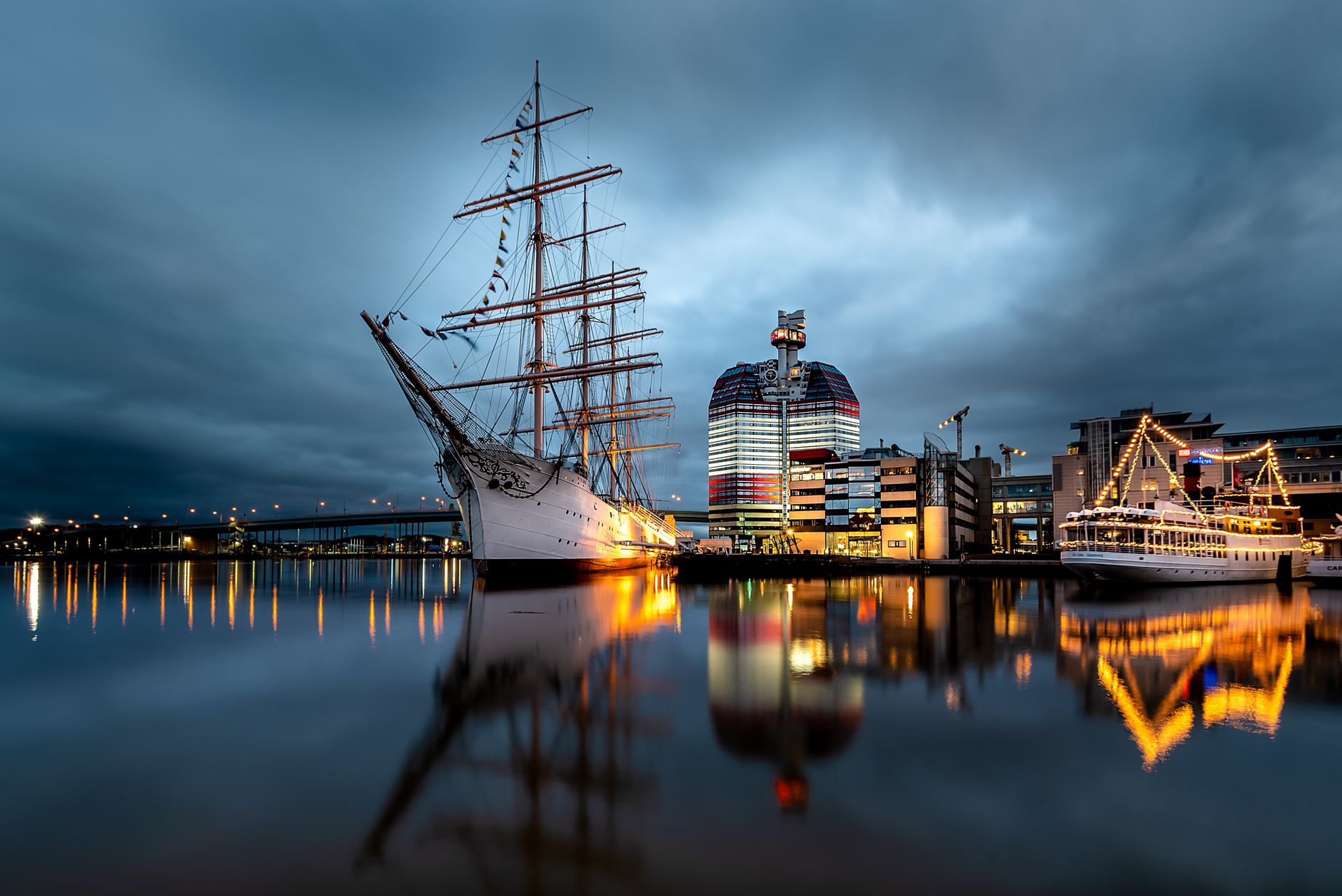
Sweden's coastline runs for 3,218 kilometers and the island count is absurd: 221,831. Around Stockholm and Gothenburg, boats are not scenery but part of how you move through the day.
Uppsala, Lund, Visby, and Falun show how Swedish history actually feels on the ground: cathedral brick, Hanseatic walls, mine shafts, university streets. Then Malmö and Stockholm pull the story straight into contemporary architecture and design.
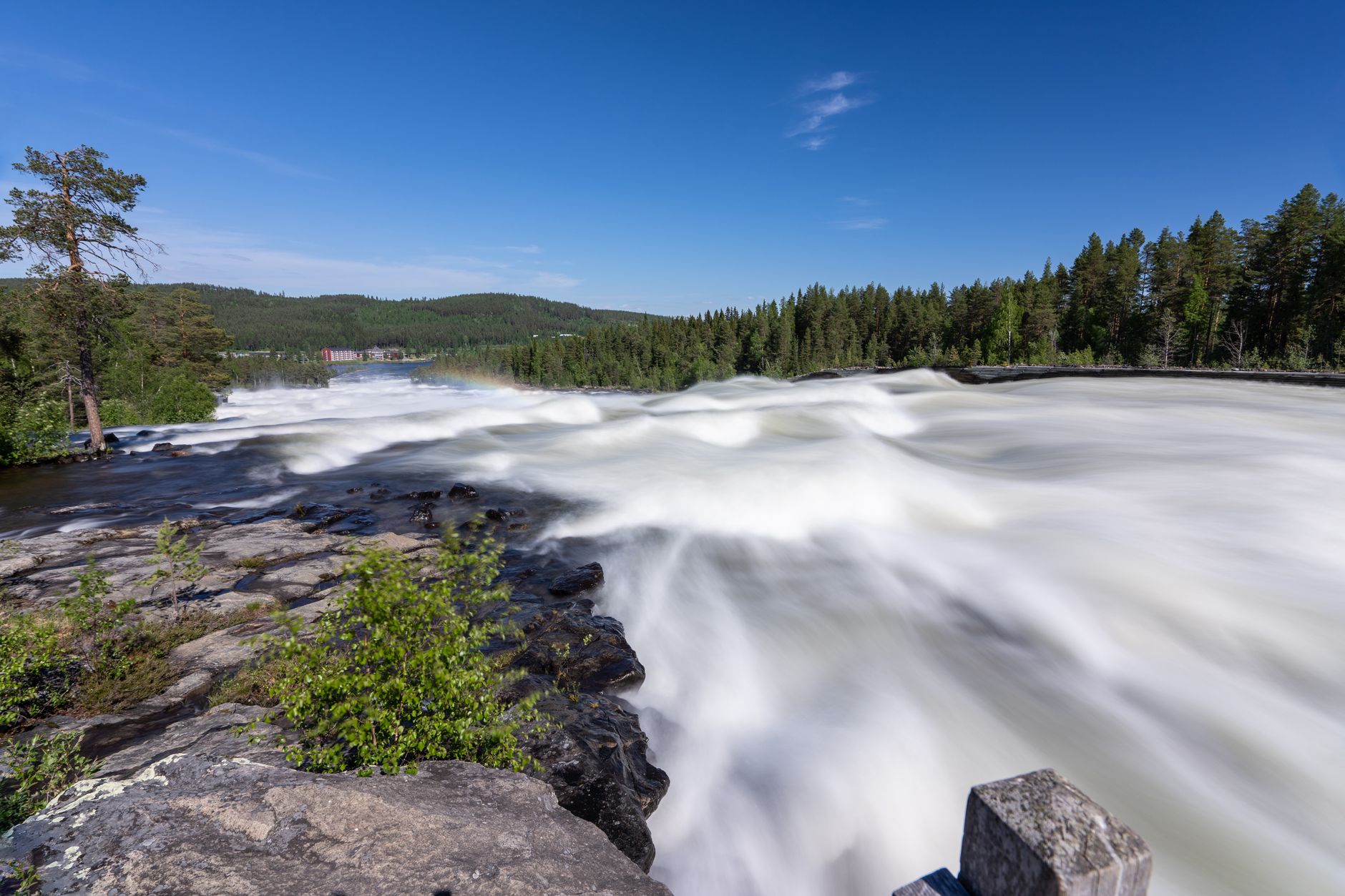
In Kiruna and Abisko, winter brings aurora season and deep snow; around midsummer, darkness barely arrives. Few countries make daylight itself feel like a reason to travel.
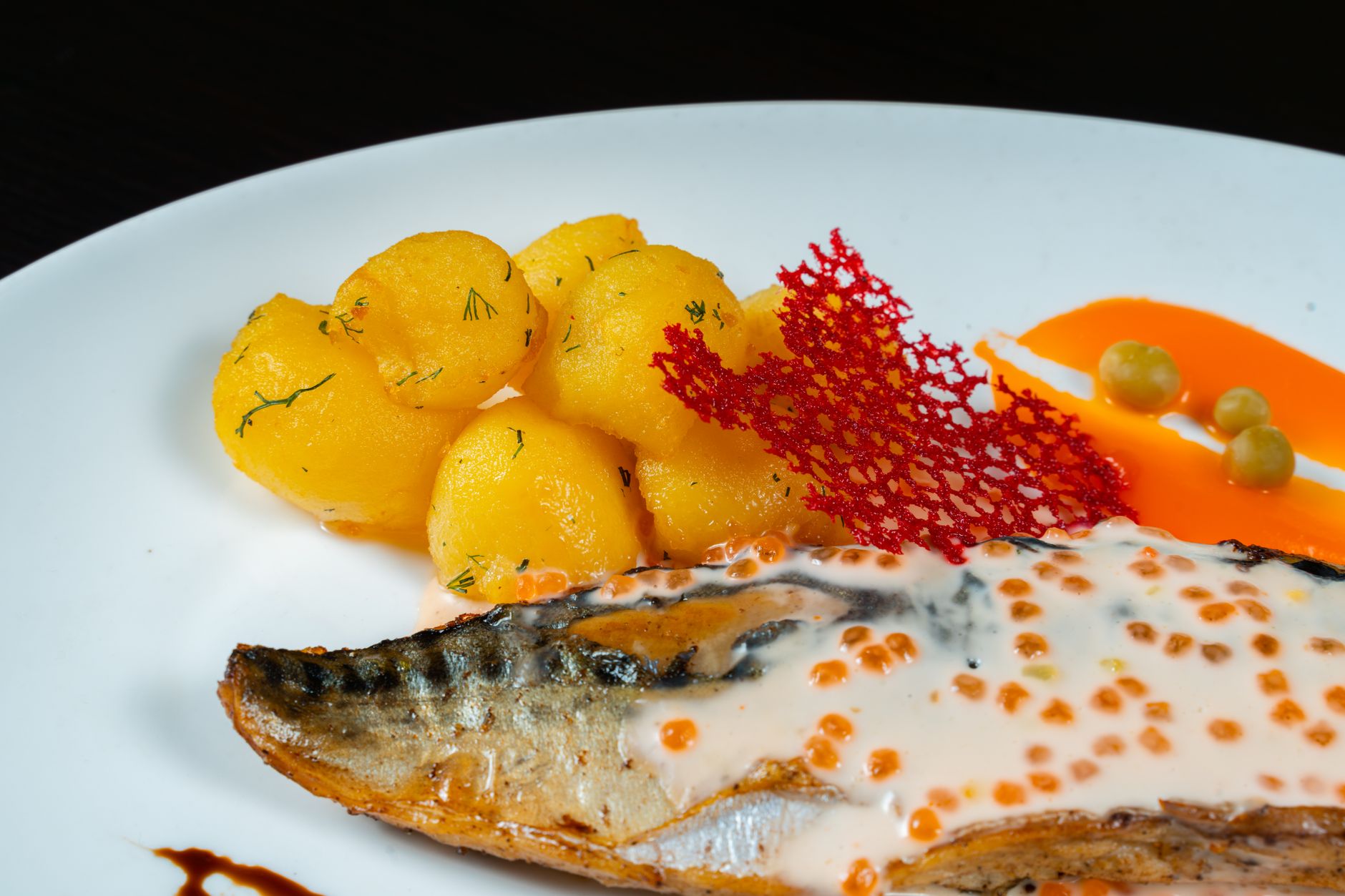
Swedish food is quieter than southern Europe and more memorable than outsiders expect. Think cinnamon buns at fika, pickled herring, gravlax, wild berries, crayfish in late summer, and seafood on the west coast.
Sweden is one of the rare countries where long-distance rail still shapes good itineraries. You can leave Stockholm after dinner and wake up near the Arctic Circle with forests and frozen rivers outside the window.
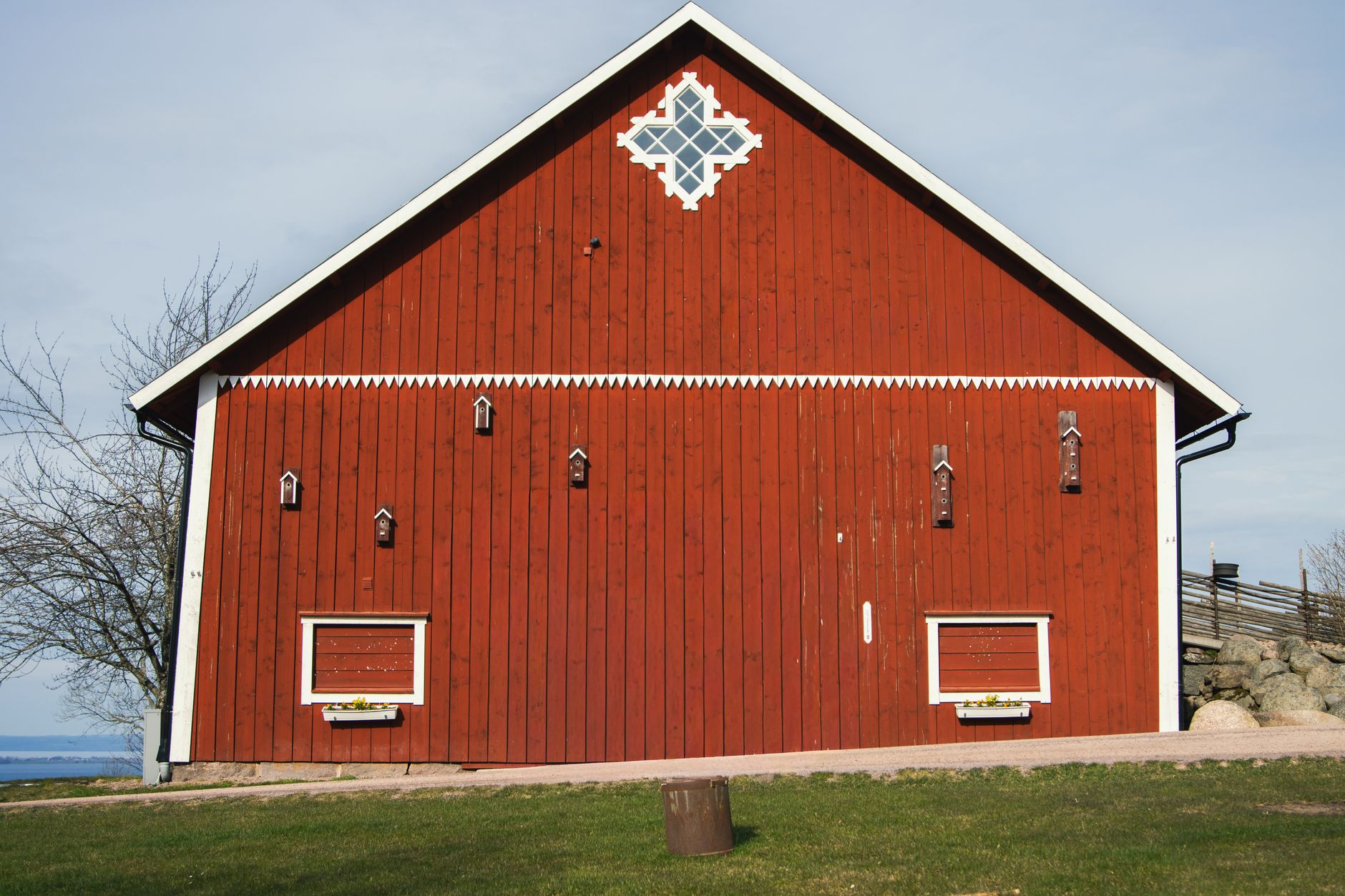
This is a strong country for photographers because the scale keeps changing. One day it's cobbled alleys in Visby, the next it's mirror-flat lakes, red cottages, and mountain light in the far north.
12 cities — start with the ones we'd send you to first.
Stockholm doesn't show off — it just keeps revealing itself: a medieval alley that opens onto a harbor view, a metro station that turns out to be a cave painting, a warship that sank 400 years ago and never stopped being…
Sweden's second city runs on fish auctions, tram lines, and a canal district where Dutch engineers left their architectural fingerprints in the 1620s.
Separated from Copenhagen by a 16-kilometre bridge and 35 minutes of train, Malmö has spent the last two decades turning a derelict shipyard into a neighbourhood dense enough to make urban planners take notes.
Sweden's oldest university city, where Carl Linnaeus classified the natural world from a botanical garden he designed himself and is still maintained to his original plan.
A 13th-century Hanseatic trading port on the island of Gotland, ringed by 3.4 kilometres of intact medieval wall and containing more ruins of medieval churches per square kilometre than anywhere else in Scandinavia.
Sweden's northernmost city is currently being physically relocated two kilometres east — entire apartment blocks lifted and moved — because the iron mine underneath it is eating the ground the original town stands on.
A cathedral city older than Stockholm, where an astronomical clock built in 1380 still performs a mechanical procession of knights twice a day.
Gateway to the Jämtland highlands and the only Swedish city on the eastern shore of Storsjön, a lake whose alleged sea creature has been under legal protection since 1986.
The only city in Sweden built entirely in stone — rebuilt after an 1888 fire that destroyed the original wooden town in a single afternoon, leaving a compact neoclassical centre that feels architecturally overqualified f
stockholm is where Sweden makes its first argument: water, ferries, granite, and a capital that rarely needs to raise its voice. Uppsala sits close enough for an easy day trip but changes the register completely, trading royal polish for cathedral stone, student ritual, and older ecclesiastical power.
Gothenburg feels looser than stockholm and more interested in dinner than ceremony. The coast north of the city is all polished granite, fishing villages, cold swims, and shellfish so fresh that booking the wrong restaurant is an avoidable mistake.
Malmö is Sweden with a Danish horizon and a sharper urban edge, while Lund keeps one foot in the Middle Ages and the other in the lab. Ystad and the wider south coast bring orchards, beaches, and open farmland that feel far from the forests many travellers imagine when they picture Sweden.
Visby is Sweden at its most theatrical without becoming fake: intact walls, church ruins, rose-covered lanes, and summer light that lingers into the evening. Outside town, Gotland turns starker and stranger, with sea stacks, windswept beaches, and limestone landscapes that barely resemble the mainland.
This middle belt is less famous abroad and better for that. Sundsvall shows off one of Sweden's most handsome stone city centres, while Falun gives you the mining history that helped finance the Swedish state, and the wider High Coast pushes the scenery toward cliffs, pine forest, and cold clear water.
Kiruna and Abisko belong to the Sweden of long rail journeys, reindeer-warning signs, and weather that can rewrite your day. Östersund makes a useful southern anchor for this region, especially if you want a softer entry before moving into true Arctic distances.
A northern kingdom shaped by trade routes, dynastic gambles, imperial ambition, and social reform
A monumental cairn near today's southeast coast preserves carved slabs with chariots, processions, and ritual scenes. Sweden's earliest prestige cultures speak through stone and image long before any chronicler records their names.
The Frankish missionary Ansgar arrives at the trading town of Birka and attempts to plant Christianity in Swedish soil. His mission is fragile, often reversed, but it marks the beginning of a long struggle between old cults and royal faith.
Sweden's first major trading town fades with surprising speed. Trade routes shift, political centers move, and the future turns toward Sigtuna and the inland power structures that will produce a kingdom.
Often treated as Sweden's first Christian king, Olof Skotkonung stands at the hinge between saga polity and more legible monarchy. Coins minted in his name announce a ruler who wants recognition in both silver and memory.
The king is murdered after hearing Mass, and his death quickly becomes political liturgy. A fragile kingdom gains a patron saint, and royal legitimacy acquires relics, miracles, and pilgrimage.
A document tied to Birger Jarl gives the earliest surviving mention of stockholm. The site matters because it controls trade and access to Lake Malaren, which is another way of saying it controls money.
Denmark, Norway, and Sweden are joined under one crown at Kalmar. The arrangement looks impressive from a distance and combustible from within, which is more or less how it functions for the next century.
Christian II invites Sweden's elite to celebrations after his coronation and then orders mass executions in Stockholm's old square. The killings turn dynastic quarrel into national revolt.
After rebellion and civil war, Gustav Vasa enters Stockholm and is elected king. Sweden leaves Danish domination and begins the long, disciplined work of becoming a centralized state.
At the Diet of Vasteras, the crown gains sweeping control over church property and clerical power. Lutheranism in Sweden is not just a matter of doctrine; it is a transfer of wealth and authority.
The king falls in battle during the Thirty Years' War, but Sweden's military prestige survives him. His campaigns have already pushed the kingdom into the front rank of European powers.
One of Europe's most brilliant and confounding monarchs gives up the throne and soon leaves for Rome. Her abdication shocks Europe and exposes how uneasy Sweden remains with a ruler who refuses expected roles.
Charles XII's invasion of Russia ends in disaster at Poltava. The defeat breaks Sweden's imperial momentum and signals that Baltic supremacy will not survive the century.
After the death of Charles XII, royal authority is curtailed and parliament gains unusual influence. Sweden experiments with factional politics, public debate, and a less absolute crown.
The king restores stronger monarchical rule in a carefully staged seizure of power. He presents himself as reformer and patron, but court elegance will not protect him from conspiracy.
At the Royal Opera in Stockholm, conspirators turn a court entertainment into political murder. The episode is so theatrical that Verdi will later borrow it for opera, though reality hardly needed embellishment.
War with Russia ends with the loss of Finland, a blow that strips away a huge eastern half of the realm. Out of humiliation comes constitutional change and a more cautious political future.
The Riksdag elects French marshal Jean-Baptiste Bernadotte as crown prince. Sweden responds to crisis with startling pragmatism and acquires the dynasty that still sits on the throne.
After growing tension, Sweden and Norway dissolve their union without war. The separation confirms that the country has moved far from its old imperial reflexes.
The election victory of the Social Democrats opens the long age of welfare-state construction. The idea of Sweden as the people's home becomes a governing ambition rather than a slogan.
The prime minister is shot after leaving a cinema in Stockholm, without bodyguards, in a country that believed such openness was part of its civic character. The murder leaves a wound in modern Swedish identity.
The country enters the EU while keeping the krona, an arrangement that suits its habit of selective integration. Sweden is European without surrendering the small markers of sovereign independence it still values.
From Rock Carvings to River Routes
Ansgar, the anxious missionary from the Frankish world, looks almost touching here: brave, stubborn, and repeatedly defeated by weather, politics, and pagan common sense.
A wind comes off the Baltic at Tanum, and the granite is already old when Bronze Age hands begin to cut ships into it. Not one ship, but hundreds: prows, crews, sun wheels, warriors, bodies caught mid-gesture as if ritual had to be pinned to the rock before winter swallowed the light. At Kivik in Skane, a cairn raised around 1400 BCE shelters carved slabs with chariots and processions, the sort of funeral staging reserved for someone whose name mattered desperately and then vanished completely.
Ce que l'on ignore souvent, c'est that Sweden enters history first through objects, not chronicles. A gold neck ring buried on Oland, a razor, a boat image, an amber bead: these are the country before it becomes a kingdom. And then the routes open. By the eighth century, the waters around Birka in Lake Malaren carry fur, walrus ivory, slaves, and Arab silver; the little trading town near present-day stockholm is less a romantic Viking outpost than a hard, noisy market where languages collide and profit settles arguments.
The Swedish Vikings did not look west first. They pushed east, down the rivers of what are now Russia and Ukraine, toward Novgorod, Kyiv, and Constantinople. Ibn Fadlan, who met Rus traders in 922, was scandalized by their hygiene and stunned by their physical presence. He noticed the tattoos, the blades, the funeral rites. He also understood what many schoolbooks soften: these were merchants when trade paid better, raiders when it did not, and both on the same voyage.
Then Christianity arrives in fragments. Ansgar reaches Birka in 829, builds a church, leaves, returns, and finds how fragile any conversion can be when it depends on one ruler's patience. The old gods do not step aside politely. Yet the route from Birka to Sigtuna, and then toward Uppsala, is already preparing another Sweden: less tribal, more royal, and far more dangerous once crowns and bishops begin to speak the same language.
Gotland has yielded more Viking Age silver hoards than anywhere else on earth, which means Sweden's soil still keeps the savings of merchants who never came back.
Saints, Unions, and the Price of a Crown
Saint Erik is useful because he is more than piety; he is the moment Sweden discovers that sanctity can be a tool of statecraft.
A church service in Uppsala, 18 May 1160. King Erik has time to hear Mass before armed men fall on him outside the church, and later generations insist that he finished praying before facing the blades. His death gives medieval Sweden what politics alone cannot provide: a royal martyr. The kingdom is still being assembled from rival regions, rival dynasties, and rival loyalties, but a murdered saint can do what armies cannot. His relics remain in Uppsala Cathedral, and that is not a minor detail. Sweden's state grows in the shadow of a shrine.
This medieval kingdom never settles into calm. Birger Jarl founds stockholm in the mid-thirteenth century to control trade and defend the inlet to Lake Malaren, and the city rises as a lock on the water and a hand on the purse. German merchants arrive. Brick churches rise. Law becomes more legible. Yet the crown remains unstable, always bargaining with magnates, bishops, and regional pride. Ce que l'on ignore souvent, c'est how often Sweden was made by negotiation that failed, then by violence that finished the sentence.
In 1397, the Kalmar Union joins Denmark, Norway, and Sweden under one crown. On paper it looks formidable. In practice it produces a century of suspicion, rebellions, and exhausted compromises. Stockholm becomes the stage on which the argument over who rules the North turns theatrical. Every faction claims legality. Every faction also keeps armed men close at hand.
Then comes November 1520. Christian II of Denmark enters stockholm, is crowned, hosts days of ceremony, wine, and reconciliation, and then orders the executions that history remembers as the Stockholm Bloodbath. Bishops, nobles, burghers: around eighty or more are beheaded or hanged in Stortorget. The square still holds the memory. Blood in the capital does what diplomacy could not. It turns resistance into a cause and leaves one young nobleman, Gustav Eriksson Vasa, with a kingdom to win.
Legend says Erik's severed head struck the ground and a spring appeared, which pilgrims then treated as proof that politics had become miracle.
The Vasa Break and the Baltic Empire
Queen Christina, raised as a king in all but title, remains the most dazzling refusal in Swedish history: she inherited an empire and walked away from it.
A young fugitive moves through the winter landscape of Dalarna in 1521, skiing, hiding, persuading, surviving by luck and resentment. Gustav Vasa is not yet a liberator in fur cloak and legend. He is a hunted aristocrat trying to turn outrage over the Stockholm Bloodbath into an army. Mora first hesitates, then recalls him. That hesitation matters. Kingdoms are often saved by men whom their future subjects nearly let escape.
Once crowned in 1523, Gustav does not merely break from Denmark. He refashions Sweden. The Reformation lets him seize church wealth, weaken Rome, and bring administration closer to the crown. Monasteries are dissolved, bells and silver counted, bishops disciplined. This is the less sentimental truth of Swedish state-building: Lutheranism arrives with theology, certainly, but also with ledgers. And the Vasa family brings drama enough for any court chronicle, from Eric XIV's paranoia to fratricidal rivalry and whispered madness.
By the seventeenth century, Sweden becomes what Europe had not expected from its cold northern edge: a great power. Gustavus Adolphus lands in Germany during the Thirty Years' War and turns disciplined artillery and mobile tactics into an argument for Swedish relevance. He dies at Lutzen in 1632, in fog and confusion, leaving behind a legend polished by Protestant Europe and a child, Christina, who will inherit more symbolism than safety. Stockholm fills with nobles' palaces, war trophies, and the confidence of a state spending lives abroad to buy rank at home.
Christina herself is the sort of Bern heroine one cannot resist. Brilliant, theatrical, resistant to marriage, she abdicates in 1654, converts to Catholicism, and rides south to Rome, scandal trailing after her like velvet. Back in Sweden, the empire stretches around the Baltic, then overreaches. Charles XII marches with astonishing stubbornness, refuses compromise, invades Russia, and watches his army broken at Poltava in 1709. When he is shot in Norway in 1718, Sweden's age of greatness is already ending. The empire has spent itself. A different country must now be invented.
The warship Vasa, launched in stockholm in 1628, sailed barely 1,300 meters before tipping over and sinking in front of horrified spectators because too much grandeur had been crammed too high into the hull.
Liberty, Loss, and a New Dynasty
Jean-Baptiste Bernadotte, a son of Pau who once served Napoleon, understood that to survive in Sweden he had to become more Swedish than the Swedes imagined possible.
After Charles XII, Sweden does something almost revolutionary for an exhausted monarchy: it limits the crown. The Age of Liberty begins in 1719, and parliament, factions, and pamphlets take their turn at ruling. The Hats and the Caps, those wonderfully named parties, argue over foreign policy and finances while coffee, newspapers, and political gossip reshape elite life. This is not democracy in the modern sense. But the kingdom is learning that debate can be a form of power, even when it is vain, theatrical, and often incompetent.
Then the pendulum swings back. Gustav III seizes authority in 1772 with a bloodless coup staged like court theater and governs as an enlightened monarch who adores opera, etiquette, and his own historical role. Stockholm becomes more polished under him, more brilliant too. Yet brilliance breeds enemies. At a masked ball in 1792, at the Royal Opera, the king is shot in the back by conspirators. Sweden gets its most operatic murder, and Europe gets another lesson in how dangerous style becomes when it begins to look like sovereignty without consent.
The Napoleonic era breaks the map. Sweden loses Finland to Russia in 1809, a trauma so deep it rearranges the kingdom's idea of itself. Out of that defeat comes a new constitution and, soon after, one of history's delicious improbabilities: the French marshal Jean-Baptiste Bernadotte is elected heir to the Swedish throne in 1810. A Gascon soldier becomes Crown Prince Charles John, then king. Ce que l'on ignore souvent, c'est how practical the choice was. Sweden did not fall in love with a Frenchman; it hired one.
The nineteenth century that follows is less theatrical and more consequential. Peace after 1814 allows roads, schools, timber exports, ironworks, railways, and eventually mass emigration to America. Poverty remains real. So does social discipline. But Sweden begins to turn from warrior kingdom to orderly modern state, while stockholm, Gothenburg, Malmo, Uppsala, and Lund each take on sharper civic identities. By 1905, when the union with Norway ends peacefully, the country has traded imperial ambition for something more durable: administrative competence and social patience.
Gustav III attended the masked ball despite warnings, and the anonymous letter predicting danger did not keep him home; vanity and courage can wear the same silk.
Folkhemmet, Neutrality, and the Country Sweden Became
Olof Palme mattered because he made politics sound moral and immediate, which is exactly why his murder felt like an attack on the country's idea of itself.
A factory whistle, a workers' meeting, a schoolroom with winter coats steaming by the door: modern Sweden begins not with a coronation but with organization. In the twentieth century, Social Democrats and trade unions build the idea of folkhemmet, the people's home, where the state should make life less humiliating and poverty less hereditary. Universal schooling expands. Housing rises. Public health improves. The monarchy remains, but the emotional center of the nation shifts toward welfare, work, and social contract.
Neutrality becomes part principle, part strategy, part self-image. Sweden avoids direct participation in both world wars, though neutrality in 1939-45 is more morally uncomfortable than national myth once liked to admit. Iron ore moves. Diplomacy hedges. Refugees arrive too, including Danes, Norwegians, Balts, and later survivors of Europe's catastrophe. This is the century in which Sweden learns to present itself as humane while discovering, repeatedly, how difficult humanity becomes under pressure.
Then 28 February 1986. Prime Minister Olof Palme leaves a cinema in stockholm with his wife, without bodyguards, and is shot on Sveavagen. The crime tears a hole in Swedish self-confidence because it violates a cherished belief: that power here can remain ordinary, accessible, unarmored. The investigation drags on for decades, part tragedy, part national obsession. Few countries have been so haunted by one midnight pavement.
In the decades that follow, Sweden globalizes without becoming unrecognizable. It joins the European Union in 1995 but keeps the krona. It absorbs new communities, new arguments, new anxieties over migration, crime, identity, and welfare. And still the older images persist: midsummer light, the court in stockholm, the university gravity of Uppsala and Lund, the sea wind at Visby, the industrial memory of Falun, the north stretching toward Kiruna and Abisko. The story is no longer imperial and not entirely innocent. It is democratic, restless, and still unfinished.
Sweden kept left-hand traffic until 3 September 1967, when 'Dagen H' switched the country to the right in a single, meticulously choreographed morning of national confusion.
Swedish does not seduce by volume. It wins by calibration. People lower their voices, trim the extra clause, and place each word as if language were cut glass that could chip if handled with vanity.
You hear it at a bakery counter in stockholm, in a pharmacy queue in Uppsala, on a train platform where nobody mistakes punctuality for a personality trait. The famous words are not ornaments but instructions for living: fika for the social pause, lagom for the exact measure, mys for the warm pocket of evening made from lamps, cinnamon, and consent.
What unsettles an outsider is the politeness of precision. A Swede may sound reserved when they are, in fact, being generous enough to spare you rhetoric. They do not inflate. They specify. A country reveals itself by its verbs.
Swedish food looks modest until it enters the mouth. Then the conspiracy begins. Dill arrives first, then butter, then vinegar, then the sweet dark interruption of lingonberries, and suddenly you understand that restraint can be voluptuous if the proportions are exact.
A table in Malmö or Gothenburg often tells the whole national story: herring in one bowl, boiled potatoes steaming under their skins, crispbread that cracks like thin ice, sour cream, chives, aquavit, coffee. This is not decorative simplicity. This is a system. Each bite corrects the previous one.
And then comes the strange tenderness of fermented things, preserved fish, cured salmon, buns perfumed with cardamom, Friday tacos adopted with comic seriousness, crayfish parties conducted in paper hats as if absurdity itself deserved ritual. Sweden treats appetite with moral gravity. A country is a table set for strangers.
Swedish etiquette is not cold. It is spatial. People give each other room in the queue, on the pavement, in conversation, even in affection. Nobody lunges. Nobody performs intimacy before it has been earned.
This can feel severe for six minutes. After that, it feels merciful. The bus in Lund falls quiet without resentment. Shoes come off at the door without discussion. Time is kept because lateness steals from other people. Even the pause between two remarks has rights.
The marvel is that this reserve coexists with communal rites of almost liturgical softness: the office fika, the summer table, the shared sauna in the north near Kiruna, the candlelit winter dinner where the room glows like a promise. Sweden believes that warmth should be deliberate. I find this far more erotic than spontaneity.
Swedish design is famous for clean lines, which is like saying the Baltic is famous for water. The line matters, yes, but the true subject is discipline in the service of comfort. A chair is not made to impress you. It is made to receive your spine without ceremony.
In stockholm, design shops stage this theology with pale timber, wool, glass, and lamps that seem to dislike overhead glare on principle. Light is treated as a material, not an accident. Winter taught the country that illumination must be intimate or it is useless.
The severity is partly a bluff. Beneath the white walls and careful joinery lies a deep appetite for texture: sheepskin, ribbed ceramics, heavy linen, the lacquered red of a Dala horse, the blue-and-yellow audacity of a tiled stove. Swedish design pretends to be austere. Then it hands you a blanket.
Swedish literature has never trusted surfaces. Even when the prose is plain, something old and damp stands behind it, waiting. You feel this in Selma Lagerlöf, where landscape behaves like conscience, and in August Strindberg, who could turn a room into a tribunal merely by describing the furniture.
Then comes Astrid Lindgren, who understood that childhood is not innocence but sovereignty, and Tove Jansson just across the water in the Nordic family, proving that tenderness and dread are happiest when they share a teacup. Later, the crime writers did not invent Swedish darkness; they merely put it under fluorescent light.
Read in Visby, with the sea knocking at the walls, or on a train north where the pines repeat themselves with almost ecclesiastical persistence, these books make sense in the body. Sweden writes as it lives: with order at the surface and weather moving underneath.
Swedish architecture has a genius for understatement. A medieval church in Gotland does not shout about survival. It simply keeps its limestone walls in place and lets the centuries do the talking. A wooden house in Falun, painted with that rusty copper-red pigment, can make modesty look almost aristocratic.
The country builds in conversation with climate. Windows gather light like collectors. Interiors tuck themselves around stoves. Public buildings in stockholm often hold the line between grandeur and embarrassment with rare intelligence, as if architecture knew that vanity is expensive and winters are long.
And yet Sweden is capable of drama when it chooses. The ship settings at Ales stenar, the cathedral in Uppsala rising in brick, the ring wall of Visby, the mining scar of Falun turned into national memory: these places understand that permanence is not the same thing as noise. The wall stands. The wind provides the speech.
He fled through Dalarna like a desperate man, not a bronze statue, and turned the Stockholm Bloodbath into a revolution. Once king, he broke with Rome, seized church wealth, and built the hard administrative skeleton of modern Sweden.
His reign was brief, his afterlife immense. Murdered outside a church in Uppsala, he became the sacred face of a kingdom still trying to decide what it was, and his relics helped make monarchy look holy as well as political.
He understood water, trade, and force. By securing the inlet to Lake Malaren and shaping stockholm into a defended commercial hub, he gave Sweden a capital before it fully knew it would need one.
Raised to think like a sovereign and behave like an exception, she filled the court with scholars, ceremony, and confusion. Then she abdicated, converted, and left for Rome, which is one way of telling your council they never owned you.
He made Sweden feared on battlefields far from the Baltic and died young enough to become legend before failure could dull the shine. Protestant Europe adored him; Swedish mothers paid the bill in sons.
He loved theater so much that he staged politics as if the kingdom were an extension of the opera house. Shot at a masked ball, he died inside the kind of ending he might have commissioned for himself.
No novelist would dare invent it: a former marshal of Napoleon is invited to become heir to the Swedish throne and does not ruin the country. As Charles XIV John, he gives Sweden a dynasty that still reigns, which remains one of Europe's best dynastic plot twists.
She took Swedish landscapes, ghosts, farmsteads, and moral unease and turned them into prose that travels far beyond Värmland. When she won the Nobel in 1909, Sweden was not merely honoring a writer; it was discovering what its own myths sounded like in a modern voice.
In Budapest in 1944, he used Swedish protective passports, nerve, and audacity to pull people back from deportation. His disappearance into Soviet custody turned him into something more painful than a hero: a national conscience that never came home.
He made Sweden sound engaged with the wider world, morally argumentative, and unwilling to whisper. His murder on a stockholm street ended more than a life; it damaged the country's belief that openness could protect itself.
This is the cleanest first trip if you want Sweden without wasting time in transit. Base yourself in stockholm for museums and waterborne city views, then take the short train north to Uppsala for cathedral scale, student life, and a sharper sense of medieval Sweden.
Southern Sweden works well by rail, and this route keeps costs lower than a week in the capital while giving you a stronger food-and-street-life rhythm. Malmö brings contemporary Sweden, Lund adds university gravity, and Ystad slows the pace with half-timbered streets and easy access to the Skåne coast.
This is a summer-leaning route for travellers who prefer harbours, seafood, and stone streets to royal pomp. Start in Gothenburg for the west coast's salt-and-shellfish mood, then fly or connect onward to Visby for medieval walls, Baltic light, and a completely different pace.
This is the long Sweden trip: forests, thinner population, bigger skies, and the feeling that distances matter again. Move north in stages through Sundsvall and Östersund before continuing to Kiruna and Abisko, where winter means aurora and snow, while summer means hiking under a sun that barely leaves.
Coffee, cinnamon bun, table, pause. Midmorning or midafternoon, colleagues or grandparents, no haste.
Meatballs, potatoes, cream sauce, lingonberries, pickled cucumber. Sunday lunch, family table, quiet approval.
Pickled herring, new potatoes, sour cream, chives, crispbread. Midsummer table, friends, songs, aquavit.
Cured salmon, dill, mustard sauce, dark bread. Holiday buffet, long lunch, several plates.
Crayfish, dill crowns, bread, cheese, schnapps. August evening, paper lanterns, loud relatives.
Fermented herring, thin bread, potatoes, red onion, sour cream. Late summer, outdoors, brave company.
Cardamom bun, almond paste, whipped cream, coffee. Lent season, bakery counter, winter afternoon.









Sweden is in Schengen, so short stays follow the 90-days-in-180 rule across the whole zone, not Sweden alone. EU and EEA travellers do not need a visa, while many non-EU passports can enter visa-free for short visits; ETIAS is scheduled to start in the last quarter of 2026, and the EU says no action is required yet.
Sweden uses the Swedish krona, or SEK, and daily spending is heavily card-based. Visa and Mastercard work almost everywhere, but cash is fading fast, so carry a backup card and do not assume cafés, buses, or kiosks will take notes and coins.
Most international arrivals land at Stockholm Arlanda, while Gothenburg Landvetter handles western Sweden and Copenhagen Airport is often the smartest gateway for Malmö. From Arlanda, the Arlanda Express reaches central stockholm in 18 minutes, while buses and commuter rail cost less and take longer.
SJ trains are the fastest way between major cities, with stockholm to Gothenburg around 3 hours and stockholm to Malmö around 4.5 hours. Night trains to Kiruna and Abisko save a hotel night but sell out early in winter and high summer, so book as soon as your dates are fixed.
Sweden stretches roughly 1,500 kilometres north to south, so June in Malmö and February in Kiruna can feel like different countries. July and early August bring the warmest weather and the highest prices, while May, early June, and September usually give better room rates and lighter crowds.
Mobile coverage is excellent in cities and strong across most rail routes, though mountain and Arctic areas still have dead zones. Buy a local SIM or eSIM if you are heading north, and choose Telia if your trip includes Kiruna, Abisko, or long drives through Lapland.
Sweden is a low-risk destination, with the usual pickpocket pressure around major stations, airport buses, and crowded summer ferries. Tap water is safe, emergency number 112 works nationwide, and hikers in forested parts of central and southern Sweden should think about TBE vaccination and tick checks.
Sweden runs on cards, not cash. Bring two cards on different networks if you can, because a failed tap at a station machine is a nuisance in stockholm and a real problem on a rural stop north of Östersund.
Long-distance train prices move a lot. Buy stockholm to Gothenburg, stockholm to Malmö, and night-train tickets as early as possible if you want the cheaper fare buckets.
Book early for Visby in July, Malmö during major events, and Kiruna or Abisko in aurora season. Small hotels and guesthouses fill before big chain properties do.
Weekday lunch specials are one of the easiest ways to keep Sweden affordable. A proper lunch in Gothenburg or Malmö often costs far less than dinner and is usually the better-value restaurant meal of the day.
Midsummer week can be magical, but it changes operating hours fast. Shops, museums, and even restaurants may close early or shut for the holiday, especially outside the biggest cities.
Signal is strong in cities but patchier in the far north and on some coastal roads. Download rail tickets, maps, and hotel details before you leave Wi-Fi if your route includes Kiruna, Abisko, or long drives.
If you are walking in grassy or wooded areas around stockholm, Uppsala, or the southern coast in warmer months, use repellent and check for ticks at the end of the day. The risk is not a reason to cancel the walk, just a reason to act like an adult.
Explore Sweden with a personal guide in your pocket
Audio guides for 1,100+ cities across 96 countries. History, stories, and local insight — offline ready.
Usually no for trips up to 90 days, but the Schengen 90-in-180 rule still applies. As of April 20, 2026, the EU says ETIAS will start in the last quarter of 2026 and travellers do not need to apply yet, so check the official ETIAS page again before departure if you are travelling later in the year.
Not much, and often none at all. Sweden is one of Europe's most card-dependent countries, but carrying a small backup amount or having access to a Bankomat ATM is sensible in case of technical glitches or small rural vendors.
Yes, Sweden is expensive by European average, but the gap narrows if you use trains, lunch specials, and supermarket breakfasts. A careful traveller can keep a week manageable in Malmö or Gothenburg, while stockholm, Visby in July, and Arctic winter trips push costs up quickly.
Yes, and it is often the smartest move for southern Sweden. Trains cross the Öresund Bridge from Copenhagen Airport to Malmö in about 35 minutes, which can beat a separate domestic connection inside Sweden.
As early as you can once your dates are fixed. Cheap SJ tickets disappear first, and night trains to Kiruna and Abisko can sell out months ahead around Christmas, February school holidays, and the main summer hiking season.
Yes between the main cities, less so in rural areas. stockholm, Gothenburg, Malmö, Lund, Uppsala, Sundsvall, and Östersund work well by train, while a car becomes much more useful for scattered coastlines, smaller villages, and national-park detours.
February is one of the strongest bets because you still get deep winter darkness but often better stability than early winter. Kiruna and Abisko are the classic bases, and Abisko in particular has a reputation for clearer skies than many other Lapland locations.
Yes if winter road conditions apply between December 1 and March 31 for cars and light vehicles. In practice, if you are driving anywhere near Kiruna, Abisko, Östersund, or inland roads in colder months, book a rental that is fully winter-equipped and do not treat this as optional.
Last reviewed