Indigenous River World
public
c. 3000 BCE
First Settlements on the Coast
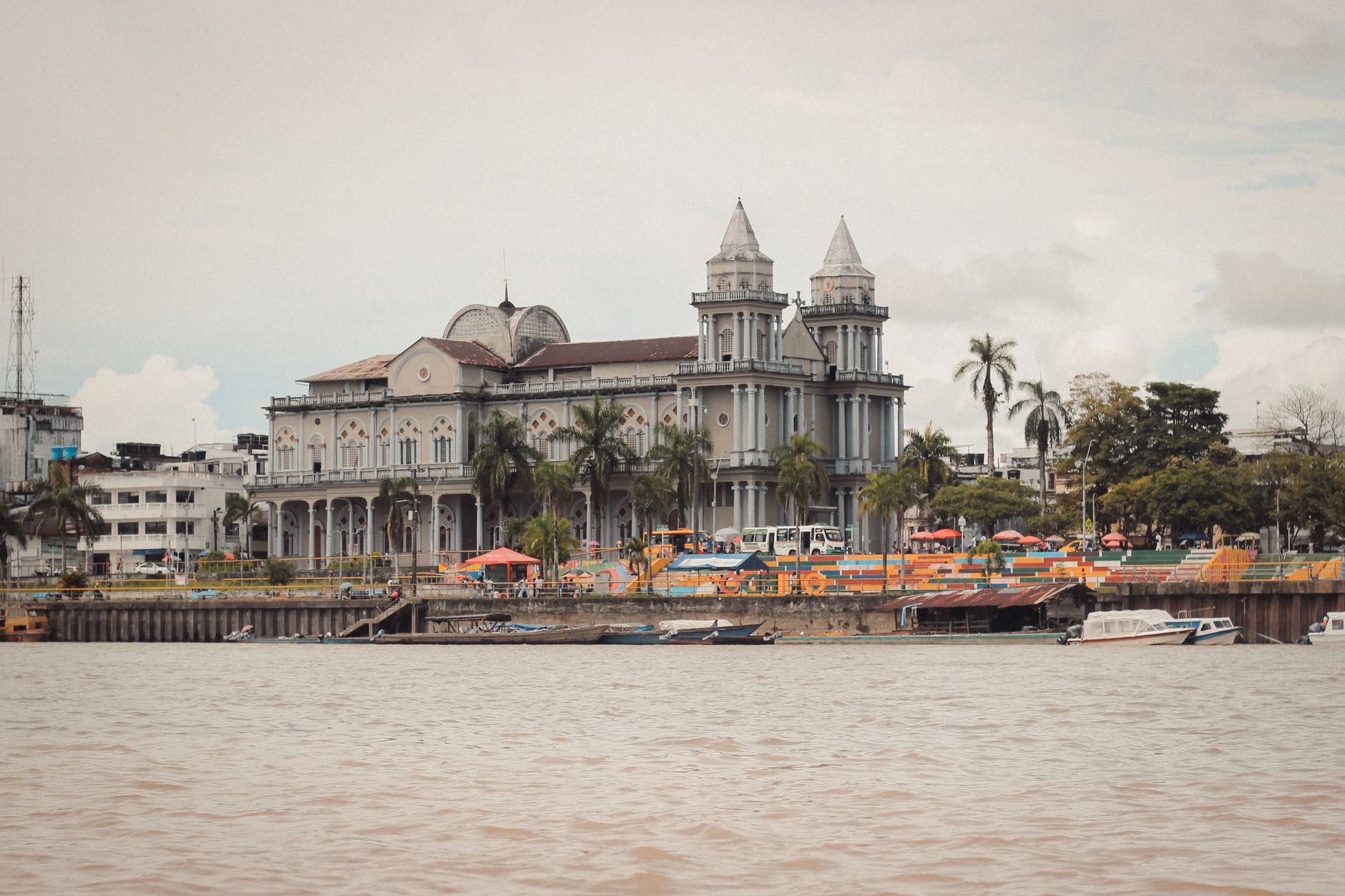
Long before church bells or gun salutes, Indigenous communities lived along these muddy Atlantic rivers and shell-lined ridges. Archaeological evidence points to human settlement in the region by about 3000 BCE, with Lokono and Kalina peoples shaping the coast through fishing, farming, trade, and river knowledge that Europeans later depended on.
Rival Colonies on the Suriname River
public
1613
Dutch Traders Reach Parmurbo
Dutch merchants set up an early trading post near the Indigenous settlement remembered as Parmurbo. The move looked small on paper. It opened the pattern that would define Paramaribo for centuries: river access first, profit second, and human cost tucked behind the ledger.
castle
1640
French Build a River Outpost
A French wooden fort rose near the Suriname River, more foothold than city. Timber walls and tropical heat made a fragile pairing, but the site mattered because everyone with imperial ambitions could see the same thing: whoever held this bend in the river controlled the colony's throat.
castle
1651
Fort Willoughby Takes Shape
English colonists, backed by Francis Willoughby of Barbados, turned the settlement into something permanent and armed, building Fort Willoughby and laying out plantations inland. Records describe a colony built fast and hard, with enslaved Africans forced into the system almost from the start. Paramaribo's future wealth had entered the room. So had its deepest wound.
person
1651
Francis Willoughby Backs the Colony
Francis Willoughby never gave Paramaribo its soul, but he helped give it its colonial skeleton. From Barbados he financed the English settlement that hardened this river stop into a plantation town, tying it to the Atlantic world of sugar, ships, and slavery. His influence still hangs over the place, even if the name on the fort did not last.
swords
1667
Dutch Seize the Fort
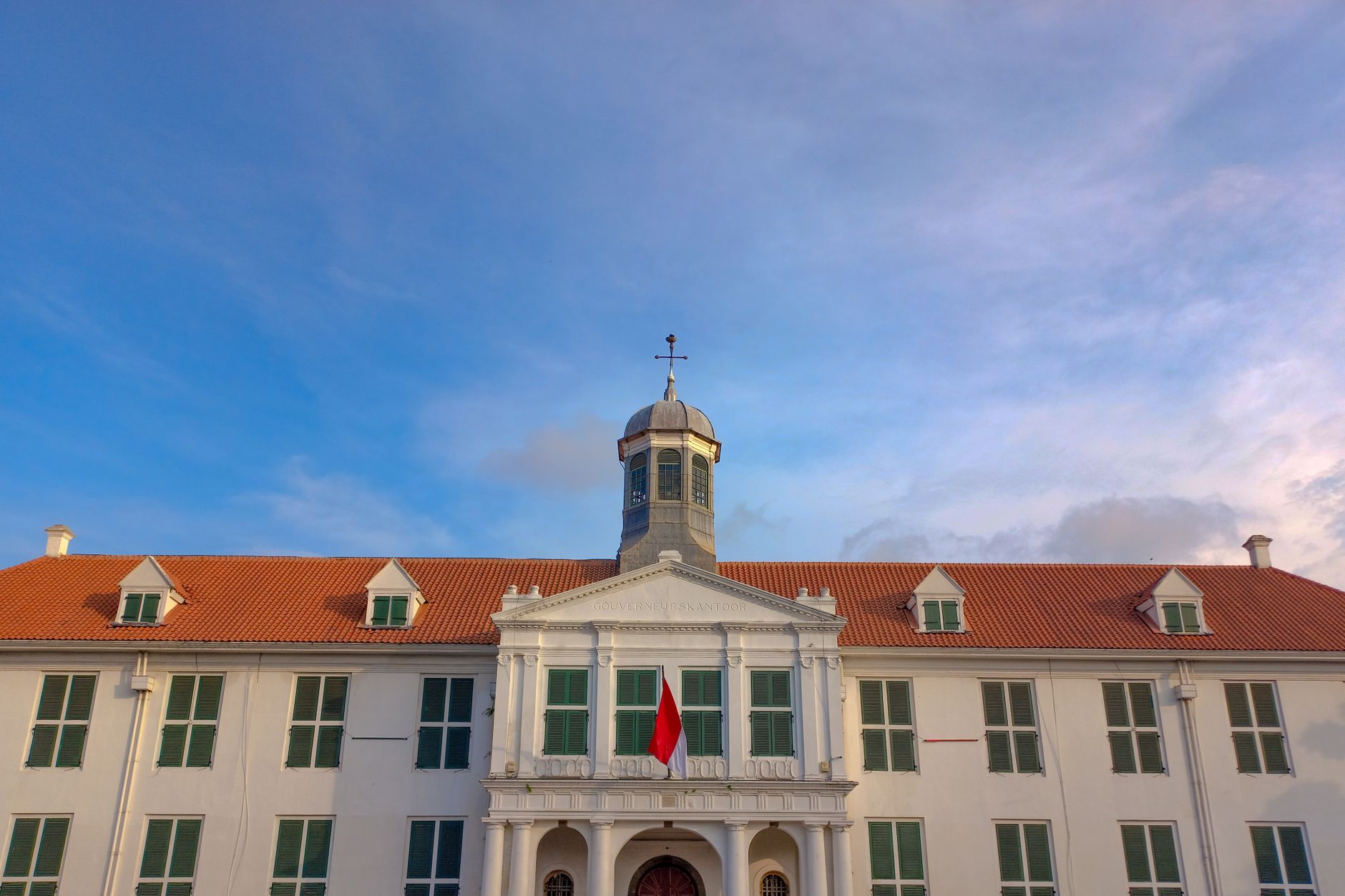
On 26 February 1667, a Zeeland fleet under Abraham Crijnssen took Fort Willoughby after a short siege and renamed it Fort Zeelandia. The change sounded bureaucratic. It was anything but. Paramaribo shifted from English colony to Dutch possession, and the city that followed would be planned, taxed, and built under Dutch rule for more than three centuries.
person
1667
Abraham Crijnssen Changes the Map
Abraham Crijnssen arrived as an admiral and left as the man who rerouted Paramaribo's political future. His capture of the fort fixed the city inside the Dutch colonial orbit, a decision later confirmed when the Dutch kept Suriname and the English kept New Amsterdam. One river town changed hands. Another became New York.
gavel
1667
Treaty of Breda Seals It
The Treaty of Breda, signed on 31 July 1667, confirmed the bargain that still startles people: the Dutch retained Suriname while the English kept New Amsterdam. Paramaribo was not a footnote in that exchange. It was one of the prizes, valued for plantation income and river access in an age that counted wealth in ships, sugar, and coerced labor.
Dutch Plantation Capital
gavel
1683
Society of Suriname Takes Control
The Society of Suriname, a joint venture linking Amsterdam, the West India Company, and the Van Aerssen van Sommelsdijck family, took over the colony's management in 1683. Paramaribo became an administrative engine for plantation wealth, where orders traveled outward and sugar, coffee, and human suffering flowed back toward Europe.
castle
1685
Palmentuin Is Planted
Behind the governor's residence, the Palm Garden was laid out in 1685, a formal pocket of shade in a city built on heat and authority. Today its royal palms look calm. They began as part of the colonial theater, a landscaped backdrop for power a few steps from the river.
church
1716
Jewish Worship Gains a Foothold
Land was granted for Jewish worship on what would become Keizerstraat, marking the city's growing religious complexity. Paramaribo was already a plantation capital. It was becoming something else too: a place where communities from different continents built institutions side by side, even within a brutal colonial order.
swords
1760s
Maroon Resistance Reshapes the Colony
Across the 18th century, escaped enslaved people founded Maroon communities in the interior and fought guerrilla campaigns against the plantation regime centered on Paramaribo. Peace treaties in the 1760s forced colonial authorities to recognize what violence had failed to crush. Freedom had been built in the forest, beyond the city's reach.
Emancipation and Migration
person
1830
Johannes King Writes from the Margins
Johannes King, born in 1830, became one of the first Maroon authors to write extensively in Sranan Tongo. His work matters in Paramaribo because the city had long been narrated by governors, merchants, and missionaries. King made room for another voice, one shaped by Maroon life and Surinamese language rather than colonial paperwork.
church
1842
Neveh Shalom Rises on Keizerstraat
The Neveh Shalom Synagogue was built in 1842 on a site used by the Jewish community since 1716. Its white sand floor, carried from Sephardi tradition, changes the sound of a footstep; you do not stride here, you hush. A few meters away today stands the mosque, one of those urban facts that would sound invented if Paramaribo had not made it ordinary.
gavel
1863
Slavery Is Abolished
On 1 July 1863, slavery was formally abolished in Suriname, ending legal bondage for more than 30,000 people. Freedom arrived with an asterisk: many formerly enslaved people were forced into a ten-year transition system that kept plantation labor in place. Paramaribo heard church bells and official language. Many residents heard delay.
public
1873
Indentured Migrants Remake the City
After slavery, the Dutch colonial state recruited laborers from British India, then from Java, China, and elsewhere, and Paramaribo became the receiving room for those arrivals. Markets, languages, prayer houses, and kitchens changed block by block. The city stopped pretending it was only Dutch. It never really had been.
church
1885
Cathedral of Cedar Opens
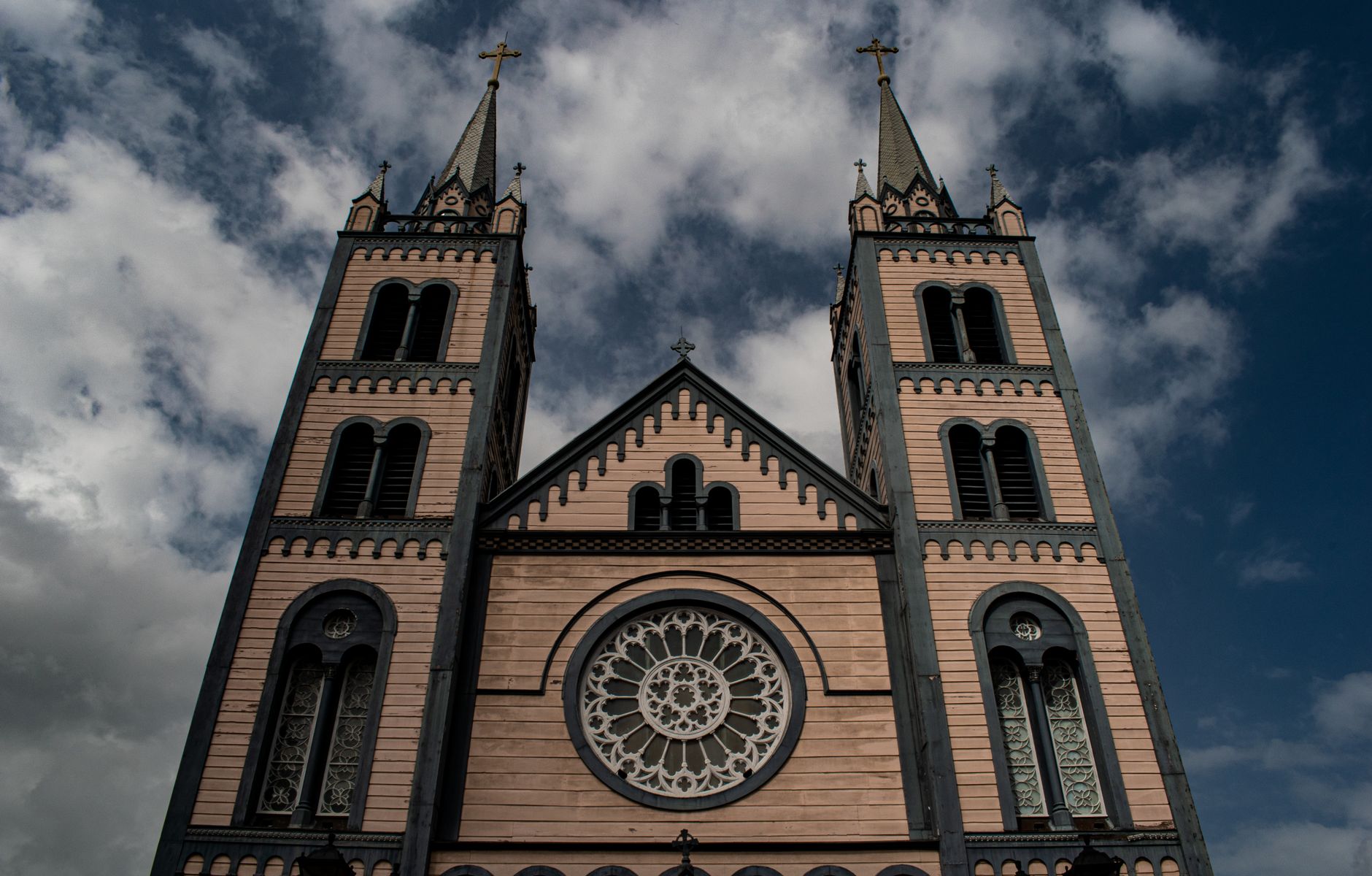
Construction on Saint Peter and Paul Cathedral began in the 1880s, and the cedar giant that emerged gave Paramaribo one of its strangest sights: a monumental basilica made largely of wood in a humid equatorial capital. Inside, unpainted timber catches the light softly and holds the smell of resin and age. Stone would have felt obvious. Cedar feels local, vulnerable, and much more interesting.
person
1910
Johan Ferrier Is Born
Johan Ferrier, born in Paramaribo in 1910, would become the city's best-known schoolman turned statesman. He spent decades in education before becoming Suriname's first president at independence, which fits Paramaribo rather well: in this city, classrooms and politics have always been closer than they look.
factory
1916
Bauxite Changes the Economy
When Alcoa began bauxite mining in 1916, Paramaribo's role shifted from plantation port to administrative center of an industrial export economy. Aluminum ore lay inland, but the money, paperwork, and outward shipping passed through the capital. New industries arrived. Old hierarchies stayed stubbornly familiar.
Autonomy, Coup, and Republic
gavel
1954
Autonomy Comes by Charter
The Charter of the Kingdom of the Netherlands gave Suriname full internal autonomy in 1954, leaving defense and foreign affairs with The Hague. For Paramaribo, this meant ministries with more local power, politics with sharper local stakes, and a capital beginning to imagine itself as more than a colonial headquarters.
public
1975
Independence at Midnight
On 25 November 1975, Suriname became independent, and Paramaribo moved from colonial capital to national capital in a single constitutional stroke. Johan Ferrier became president, Henk Arron prime minister, and the city filled with ceremony, anxiety, and departure. About a third of the country's population moved to the Netherlands around independence. Joy and uncertainty often share the same street.
person
1975
Johan Ferrier Becomes President
Ferrier's presidency gave independent Paramaribo a figure of calm dignity, a former teacher standing at the center of a fragile new republic. His presence mattered because the city was not entering a settled future. It was stepping into self-rule with high hopes, thin institutions, and a population already splintering across the Atlantic.
gavel
1980
Soldiers Seize the State
On 25 February 1980, Dési Bouterse and other sergeants overthrew the government, and Paramaribo woke to a new grammar of power: barracks, decrees, fear. The coup did not just change who ruled. It altered the sound of the city, turning rumor into a civic habit.
person
1980
Dési Bouterse Takes Center Stage
Bouterse's rise in Paramaribo began with military force and ended up shadowing the city for decades. He was not a passing strongman. His presence shaped how residents talked, what they feared, and how Fort Zeelandia would be remembered from then on.
local_fire_department
1982
Fort Zeelandia Becomes a Crime Scene
In December 1982, fifteen critics of the military regime were arrested, tortured, and killed at Fort Zeelandia. The fort's brick walls, once a colonial monument, became inseparable from modern state terror. Paramaribo still carries that memory heavily, and rightly so.
gavel
1991
Civilian Rule Returns
After coups, repression, and the civil war years, civilian government returned in 1991. The shift did not erase what had happened. It reopened political life in a city that had learned to read danger in uniforms, late-night phone calls, and sudden silences.
UNESCO Capital
public
2002
UNESCO Names the Inner City
UNESCO inscribed the Historic Inner City of Paramaribo in 2002, recognizing the unusual marriage of Dutch urban planning and local wooden building techniques. That designation was earned in cedar, not marble. Walk the old center and you see a colonial city adapted to heat, rain, termites, and river light, all of it more improvised than the clean word heritage usually admits.
gavel
2004
A New Dollar for a New Century
The Surinamese dollar replaced the guilder in January 2004, a small object carrying a larger message about sovereignty and economic reset. Money changes texture before it changes memory. Still, for Paramaribo, the new notes marked another step away from colonial bookkeeping and toward a republic naming itself in its own currency.
person
2020
Santokhi Inherits a Reckoning
When Chan Santokhi became president in July 2020, Paramaribo was dealing with economic strain, political fatigue, and the long afterlife of Bouterse's era. The handover mattered because the city was no longer arguing only about power. It was arguing about memory, accountability, and what kind of capital it wanted to be.