In Khartoum, you watch two rivers get married. The Blue Nile, thick with silt from Ethiopian highlands, slides into the milky White Nile at the city's tip. Their currents take three kilometers to fully mix, a permanent, slow-motion ceremony called Al-Mogran. This confluence isn't just geography — it's the city's founding myth and its daily rhythm.
Researched from Wikidata, Wikipedia & official sources · fact-checked ·
How we make our guides →
KIn Khartoum, you watch two rivers get married. The Blue Nile, thick with silt from Ethiopian highlands, slides into the milky White Nile at the city's tip. Their currents take three kilometers to fully mix, a permanent, slow-motion ceremony called Al-Mogran. This confluence isn't just geography — it's the city's founding myth and its daily rhythm.
Khartoum lives at the center of a triangle. Across the Nile, Omdurman holds the spiritual weight of the Mahdist state, its dusty streets leading to the Sufi cemetery where dervishes spin every Friday. Khartoum North, Bahri, feels more residential. But central Khartoum itself, laid out by British engineers in a grid, offers the quiet shade of the University of Khartoum's botanical gardens and the stark silence of the National Museum, where rescued Nubian temple facades stand in the courtyard like forgotten guests.
Time here is measured in layers. The 19th-century Mahdist revolt left its tombs and the Khalifa's house, now a museum with creaking wooden floors. The Anglo-Egyptian condominium left its administrative buildings, nicknamed 'The Beautiful and Impossible' by generations of students. The 20th century brought a brittle modernity along Nile Street. Yet the deepest layer is Nubian, a civilization that predates the pharaohs, whose artifacts fill the museum's cool, dim halls.
Budget Friendly
Photography Hotspot
02
Why Khartoum.
What makes this place worth slowing down for.
water
The Nile's Blue-Green Seam
At Al-Mogran, the Blue and White Niles don't just meet. They flow side by side for miles, a distinct line of deep indigo and pale jade, before reluctantly merging. You can see the seam from the bridge, but a small boat gets you inside the phenomenon.
groups
Friday's Sufi Ecstasy
Every Friday afternoon at the Hamed al-Nil Tomb in Omdurman, the air thickens with the smell of incense and the rhythm of drums. Whirling dervishes spin for hours, their white robes a hypnotic blur, in a ceremony of devotion that's as raw and public as it gets.
history
A Kingdom of Pyramids
The National Museum's quiet garden holds rescued Nubian temples, moved stone by stone from the Aswan floodwaters. Inside, you'll find more pyramids than Egypt, but here you're likely to have the entire Meroitic royal jewelry collection to yourself.
04
Neighborhoods.
Where to wander, by quarter — each with its own rhythm.
01
Al-Mogran & Nile Street
This is the city's prow, the sharp point where the two Niles meet. Come at sunset. The water turns the color of old brass, and the low rumble of the city fades behind the sound of the currents. The promenade here is for slow walks and boat tours that give you the best angle on the marriage of waters. The architecture along Nile Street is a fading album of 20th-century ambition.
02
Tuti Island
Cross the short bridge and you leave the 21st century. The air smells of wet earth and diesel from the puttering irrigation pumps. Palm groves and small farms patchwork the island. You can rent a bicycle for a few Sudanese pounds and follow dirt tracks past donkey carts. Stop at a local tea shack. The tea is dark, sweet, and served in small glasses. It's the quietest place in Khartoum, yet you're never more than a kilometer from the presidential palace.
03
University of Khartoum Campus
Enter through the gates and the traffic noise dissolves. The colonial-era buildings have a weary grandeur. Students sprawl on shaded lawns that slope down to the Nile's edge. The botanical gardens are a catalog of drought-resistant species. It feels less like a campus and more like a large, slightly overgrown park where people happen to study. Find a bench. The light through the acacia trees is soft and granular.
04
Omdurman (Souq & Cemetery District)
Omdurman is a different city. Where Khartoum is ordered, Omdurman is organic. Its vast souq is a labyrinth of alleys smelling of spices, leather, and charcoal. But the real draw is the cemetery around the Hamed al-Nil Tomb. On Fridays, it transforms. The air vibrates with the beat of drums and the chanting of hundreds of men. Sufi dervishes in patchwork robes spin, their eyes closed, reaching for divine connection. It's free, overwhelming, and profoundly human. Respectful observation is expected; intrusive photography is not.
05
Khartoum North (Bahri)
Locals call it Bahri, 'the sea.' It's the industrial and residential arm of the capital, connected by bridges. The pace is slower here. The neighborhoods feel lived-in, with families gathering in courtyards in the evening. It lacks major tourist sights, which is the point. This is where you see Khartoum as a home, not a destination. The view back across the Nile to the central city skyline at dusk is the postcard view you didn't know you needed.
06
Who lived here.
The people who shaped the city — and were shaped by it.
Religious and Political Leader
1844–1885
Muhammad Ahmad
Founded the Mahdist state with its capital in Omdurman
He declared himself the Mahdi, the prophesied redeemer of Islam, and led a successful revolt against Ottoman-Egyptian rule. From Omdurman, he established a strict Islamic state that controlled much of modern-day Sudan. His tomb in Omdurman became a central site of pilgrimage and political power, long after the British destroyed his original tomb and scattered his bones in the Nile.
British Army Officer and Administrator
1833–1885
Gordon of Khartoum
Governor-General of Sudan, died in Khartoum
Charles George Gordon was sent to evacuate Egyptian forces from Khartoum as the Mahdi's army advanced. He chose to dig in and defend the city instead. The siege lasted 10 months. He was killed on the palace steps, his head presented to the Mahdi. His last stand became a legendary episode of British imperial tragedy, immortalized in paintings and films.
09
Insider tips.
Small things that change how the city treats you.
warning
Verify Safety First
Check your government's travel advisory before planning a trip to Sudan. As of early 2026, Khartoum is a primary battleground in an active civil war, with severe destruction and mass displacement.
schedule
Friday for Sufis
Visit Omdurman's Hamed al-Nil Tomb on a Friday afternoon to witness the Zikr ceremony. Sufi dervishes perform rhythmic chanting and spinning in a powerful, photogenic display of devotion.
boat
Take a Boat
To truly see the Nile confluence, book a boat tour. From the water, you get the best angle to witness the distinct Blue and White Niles merging into one.
agriculture
Escape to Tuti
Cross the short bridge to Tuti Island for a quiet break. Wander palm groves and small farms, then stop at a local shop for cheap, strong tea.
museum
Start at the Museum
Begin your visit at the National Museum of Sudan. Its collection of Nubian and Meroitic artifacts provides essential context before you explore the rest of the country's ancient sites.
11
Gallery.
The city, as it actually looks.
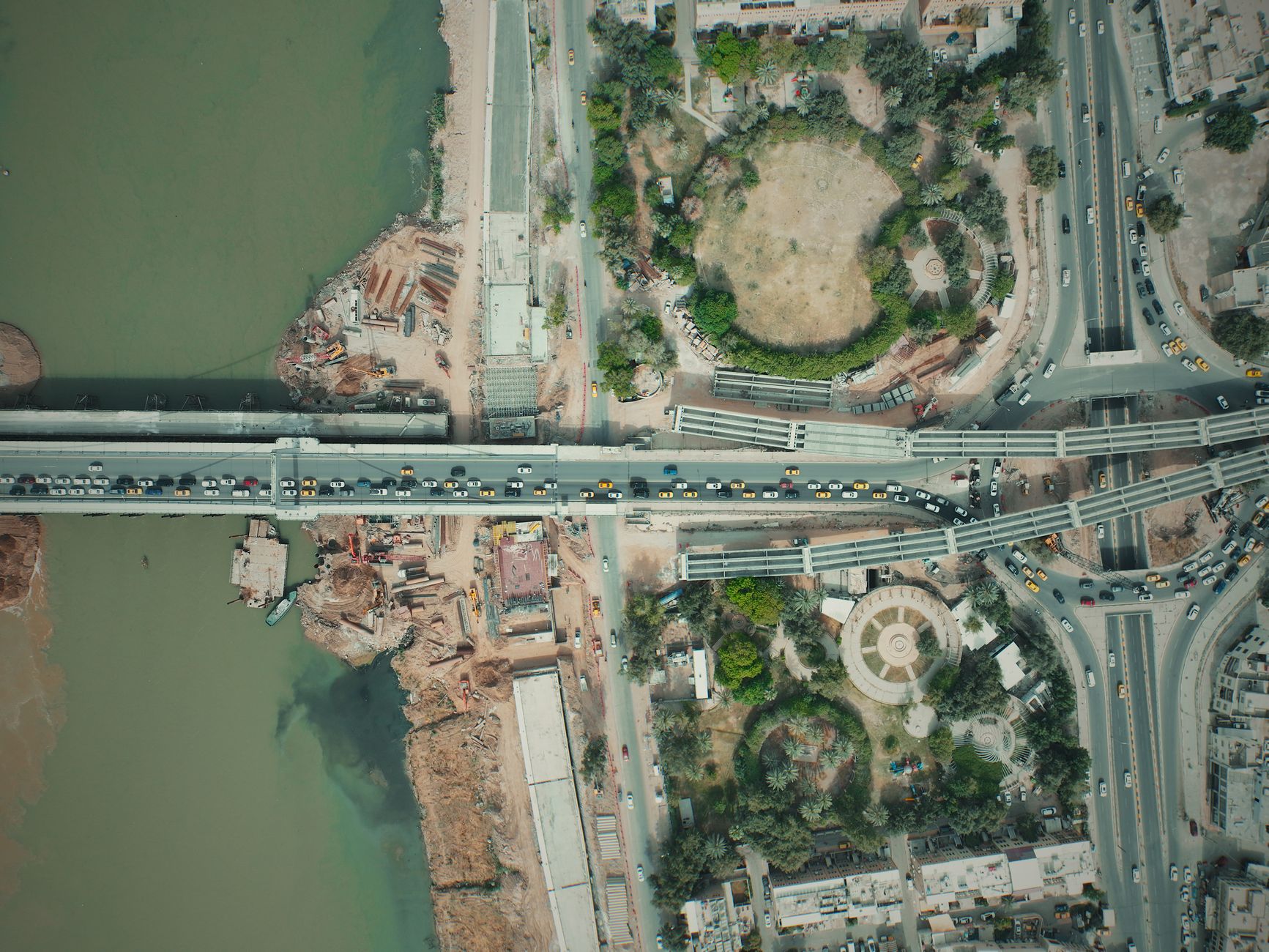
An aerial perspective captures ongoing bridge infrastructure development and urban parklands along the Nile in Khartoum, Sudan.
Aladdin Alhakeem on Pexels
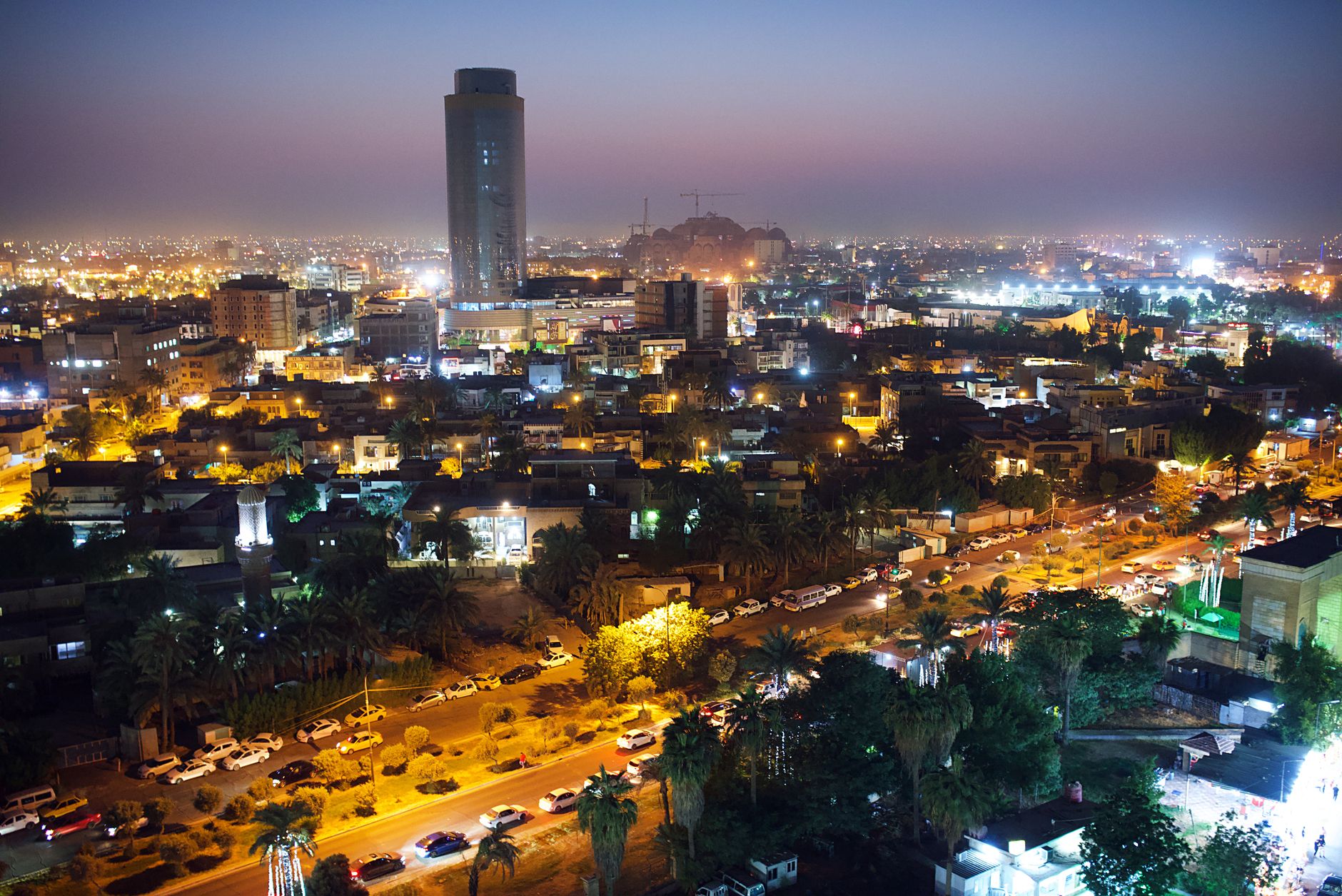
The sun sets over the Blue Nile in Khartoum, casting a warm golden glow across the water, the bridge, and the city skyline.
Oleksandra Muntian on Pexels
The Great Mosque of Khartoum stands as a stunning architectural landmark in Sudan, characterized by its golden domes and towering minarets.
FERA on Pexels
A pedestrian walks past a prominent Royal Steel Door storefront on a dusty, sunlit street in Khartoum, Sudan.
Faruk Tokluoğlu on Pexels
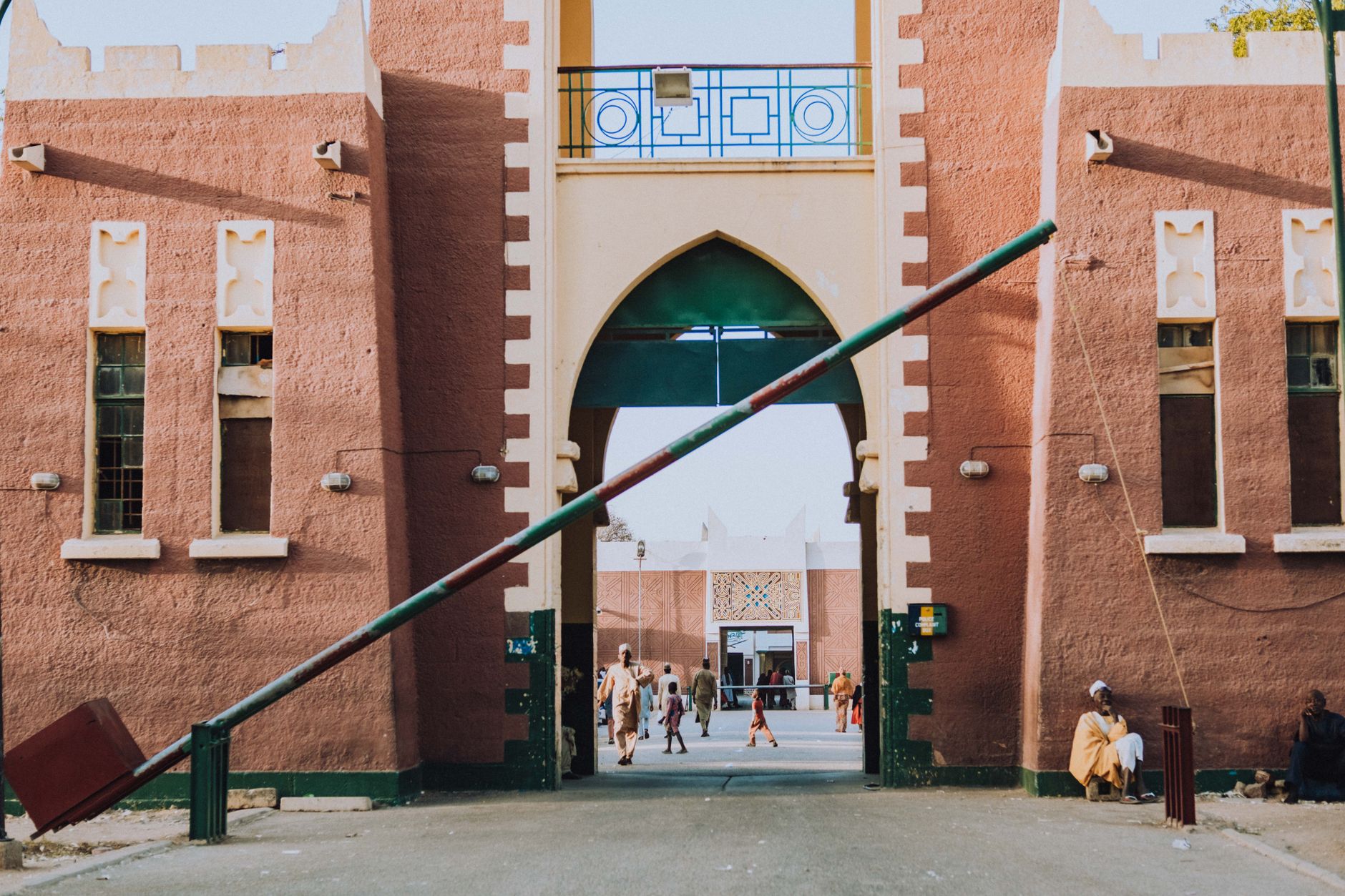
A historic arched gateway stands in Khartoum, Sudan, as pedestrians pass through the entrance during the warm light of late afternoon.
Iklima Babangida on Pexels
12
Frequently asked
Is Khartoum, Sudan currently safe for tourists?
No. As of early 2026, Sudan is in an active civil war that began in April 2023. Khartoum was a major battleground and remains under contested control with widespread destruction. Most governments advise against all travel to the country. This guide describes pre-war conditions for historical context only.
What is the best thing to see in Khartoum?
The confluence of the Blue and White Niles is the city's defining spectacle. The two rivers meet visibly at Al-Mogran, creating a distinct separation of dark and light waters that doesn't fully blend for miles. View it from the promenade at sunrise or, better yet, from a boat on the river itself.
How many days should I spend in Khartoum?
In stable times, two to three days was sufficient to cover the key sites. This allowed a day for central Khartoum and the National Museum, another for Omdurman's historic sites and the Friday Sufi ceremony, and time for a trip to Tuti Island and the Nile confluence.
What should I know about visiting Omdurman?
Omdurman is Khartoum's historic sister city across the White Nile. It was the capital of the Mahdist state in the late 19th century. The main draws are the Khalifa House Museum, the tomb of the Mahdi, and the profound Sufi Zikr ceremony held every Friday at the Hamed al-Nil Tomb.
Is Khartoum a budget-friendly destination?
Before the conflict, yes. Local transport, food, and entry to most sites like the Sufi ceremony were very inexpensive. The primary costs were international flights and mid-range accommodation, which was still modest compared to many global capitals.
Ready to book?
13Before you go
Practical Information
Flight
Getting There
Khartoum International Airport (KRT) was the primary international gateway, 4 kilometers from the city center. As of 2026, due to the ongoing conflict, the airport's operational status is volatile and commercial flights are suspended. Overland travel from neighboring countries is the only current, though extremely dangerous, option.
Directions transit
Getting Around
Pre-war, the city relied on a network of minibuses (amiyaat) and river ferries. There was no metro or formal bus system. Taxis were the main tourist transport, requiring negotiation. In 2026, movement within Khartoum is severely restricted and subject to active military control; safe transit is not guaranteed.
Thermostat
Climate & Best Time
Khartoum is one of the world's hottest major cities. Summer (April-Oct) sees relentless heat, often exceeding 40°C (104°F). Winter (Nov-Feb) is dry and warm, with highs around 30°C (86°F) and cool nights. The brief, pleasant window from November to January was the traditional tourism season.
Shield
Critical Safety Note
Since April 2023, Sudan has been in a state of civil war. Khartoum was a primary battleground and remains highly dangerous, with widespread destruction, active conflict, and lawlessness. All governments advise against any travel to Sudan. This guide reflects pre-war conditions for historical context only.
Take Khartoum with you
All of Khartoum, downloaded once.
0 places, one continuous walking route. Free with your first city.
Strictly necessary cookies keep navigation working. Analytics cookies (PostHog, Google Analytics) help us learn which pages work — aggregate only, no ads, no selling. You can change this any time from the footer.
Privacy
Cookie preferences
Pick what you're okay with. You can change this any time from the footer.
Strictly necessary
Always on
Sign-in, language, navigation. Always on.
Product analytics
PostHog and Google Analytics, aggregate usage only. Helps us see which pages work and which need fixing. No selling, no ads.
Marketing
Off today. Reserved if we ever run paid acquisition. We will ask again before turning it on.