
Origins of the Sacred Tooth Relic
The Sacred Tooth Relic is believed to be the left canine of Gautama Buddha, retrieved from his funeral pyre in India (Britannica). Initially housed in Kalinga (now Odisha, India), the relic was brought to Sri Lanka in the 4th century CE by Princess Hemamali and Prince Dantha, seeking refuge from political conflict. Concealed in Hemamali’s hair, the relic was enshrined in Anuradhapura, marking the start of its profound connection to Sri Lankan kingship and Buddhist worship (Lankapradeepa; Srilanka Travel Pages).
The Relic’s Journey Across Sri Lanka
As Sri Lanka’s political capitals shifted—Anuradhapura, Polonnaruwa, Dambadeniya, Gampola, Kotte—the relic was relocated for safekeeping and to legitimize new rulers (Britannica). During foreign invasions, it was hidden in secret places like Delgamuwa Vihara. Eventually, the relic found a permanent home in Kandy, symbolizing the city’s spiritual and political significance (Wikipedia).
Establishment of the Temple in Kandy
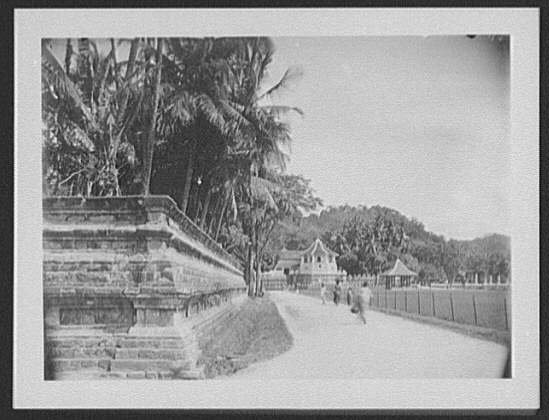
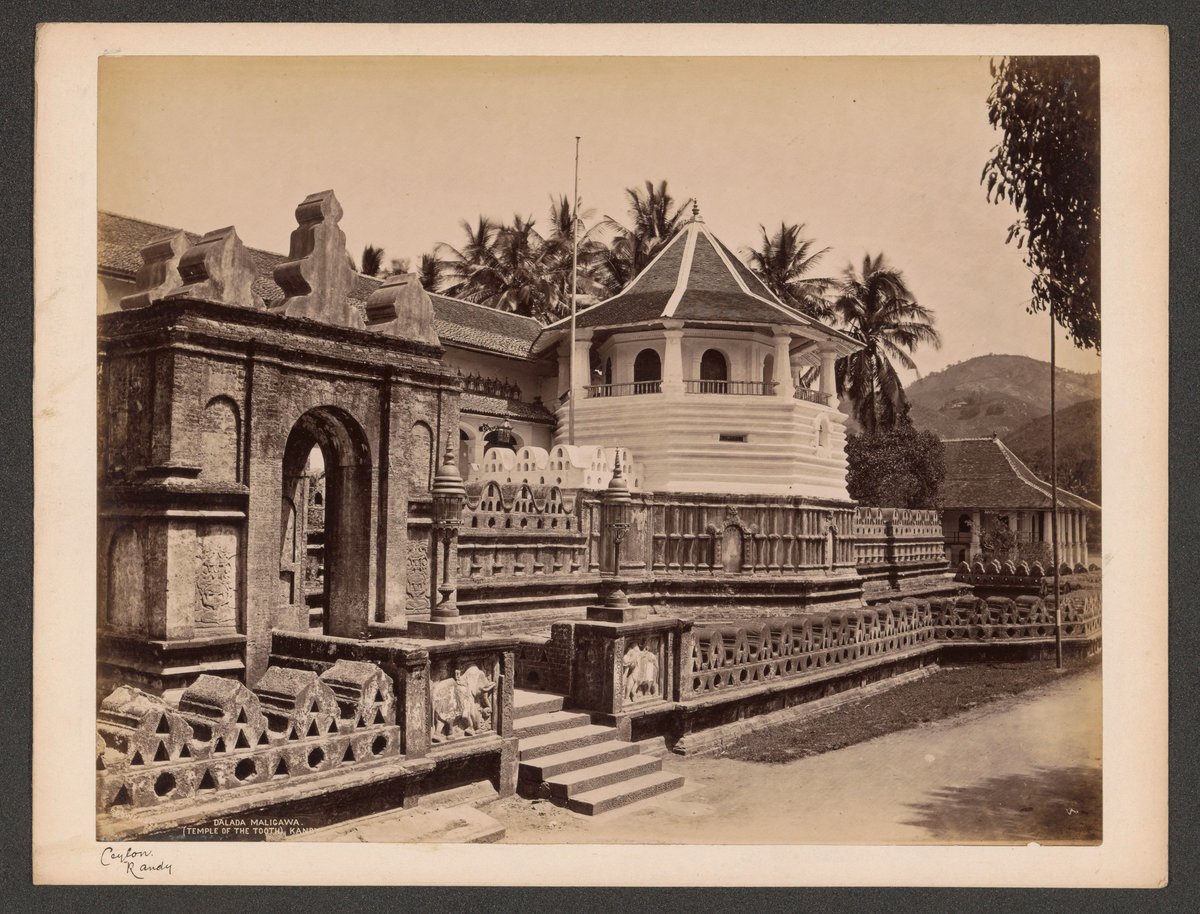
Kandy’s Temple of the Tooth was first built under King Vimaladharmasuriya I (c. 1600 CE). After several cycles of destruction and rebuilding due to colonial conflicts, the present structure was completed in the 18th century, with the striking octagonal Paththirippuwa tower added under King Sri Vikrama Rajasinha (Wikipedia; History Hit). Today, the temple complex is a masterpiece of Kandyan architecture, with ornate woodwork, golden canopies, and a sacred inner sanctum.
Political and Religious Significance
The relic’s custody conferred not only religious merit but also political legitimacy: “whoever holds the relic holds the governance of the country” (Britannica; Lankapradeepa). This tradition persisted until British colonial rule in 1815. Even today, the temple is a symbol of national identity, drawing pilgrims and dignitaries from across the globe.
Visitor Information: Hours, Tickets, Dress Code, and Accessibility
Visiting Hours
- Open daily: 5:30 AM – 8:00 PM
- Special hours during festivals; check ahead for changes (TripXL).
Ticket Prices (2025)
- Foreign adults: LKR 2,000 (~$6–7 USD)
- Foreign children (under 15): Free or discounted
- Sri Lankan citizens: Free with valid ID
- Purchase at the temple entrance; cash only (Where to Flow).
Dress Code & Etiquette
- Modest attire Shoulders and knees covered for all visitors. Sarongs or shawls available at the entrance.
- Footwear Remove shoes before entering; socks recommended for comfort.
- Behavior Maintain silence, show respect, and avoid pointing feet toward the shrine.
- Photography Allowed in most areas, not in the inner sanctum or during rituals (Wonderful Wanderings).
Accessibility
- Wheelchair-accessible main areas with ramps.
- Centrally located in Kandy—short walk or tuk-tuk ride from most accommodations (Sri Lanka Holiday Guide).
Rituals, Festivals, and Daily Worship
Daily Puja Ceremonies
Three daily pujas (offerings) are performed by monks from the Malwathu and Asgiri chapters:
- Morning 5:30 a.m.
- Midday 9:30 a.m.
- Evening 6:30 p.m.
Devotees may offer flowers and participate in rituals. The relic itself remains protected within nested golden caskets and is not directly visible to the public (Britannica).
Special Ceremonies
- Nanumura Mangallaya Wednesday bathing ritual of the relic with scented water, distributed to devotees for blessings.
- Public exposition On rare occasions, the casket is displayed for public veneration, especially during festival periods (Overa Tours).
Esala Perahera: The Festival of the Tooth
The Esala Perahera, held annually in July or August, is Sri Lanka’s grandest Buddhist procession (CometoSriLanka.lk). Over ten nights, the temple’s casket is paraded atop a lavishly adorned elephant, accompanied by traditional dancers, drummers, and torchbearers. The festival seeks blessings for rain, prosperity, and peace, while reinforcing the relic’s spiritual and cultural authority (Sri Lanka Travel Pages).
Tips for Festival Attendance:
- Arrive early to secure a good viewing spot
- Book accommodation well in advance
- Respect crowd control and local customs (Sri Lanka Holiday Ideas)
Architectural & Cultural Highlights
- Main Shrine Two-storied structure with gold, ivory, and wood embellishments.
- Paththirippuwa Tower Octagonal library and iconic landmark.
- Cloud Wall (Walakulu Bamma) Decorative barrier surrounding the temple.
- Associated buildings Hewisi Mandapaya (drummers’ hall), Royal Palace, World Buddhist Museum.
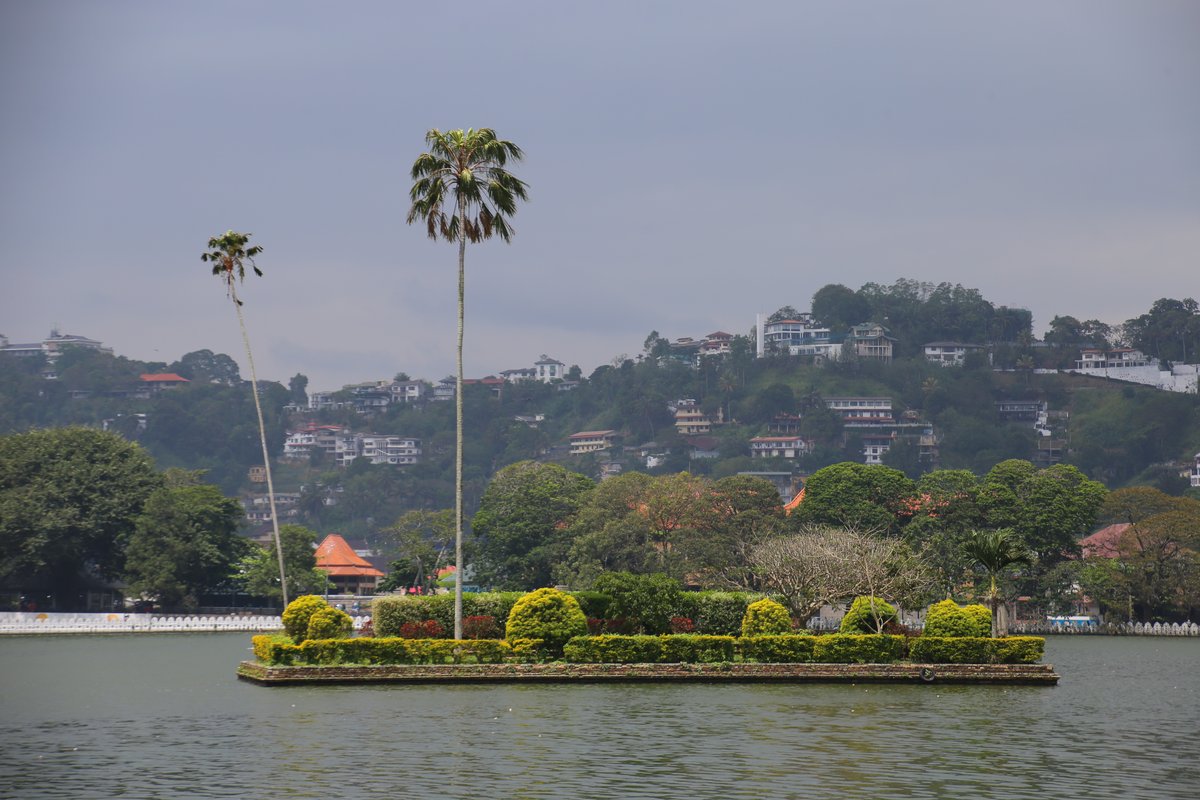
- Gardens and Kandy Lake Provide tranquil settings adjacent to the temple (TravellotLanka).
Nearby Attractions in Kandy
- Kandy Lake Scenic spot for walks and photography.
- Royal Botanical Gardens, Peradeniya Renowned for diverse flora.
- Udawattakele Forest Reserve Forest trails and birdwatching.
- World Buddhist Museum Insight into Buddhism’s spread across Asia.
- Three Temple Loop Gadaladeniya, Embekke, and Lankatilaka temples for architectural exploration.
- National Museum of Kandy Kandyan era artifacts and royal regalia.
- Ceylon Tea Museum Tea heritage and tastings (AticketToTakeoff).
Frequently Asked Questions (FAQ)
Q: What are the Temple of the Tooth visiting hours?
A: Open daily, 5:30 AM to 8:00 PM.
Q: How do I buy tickets?
A: At the temple entrance; cash only. Foreigners pay LKR 2,000 (as of 2025).
Q: What should I wear?
A: Modest attire covering shoulders and knees; sarongs available at entrance.
Q: Is the temple accessible for people with disabilities?
A: Main areas are accessible via ramps.
Q: Can I take photos inside?
A: Allowed in the temple grounds, but not in the inner sanctum.
Q: When is the Esala Perahera?
A: Annually in July/August; check the festival calendar for exact dates.
Q: What are the best nearby attractions?
A: Kandy Lake, Royal Botanical Gardens, World Buddhist Museum, and more.
Planning Tips & Final Thoughts
- Arrive early for a peaceful experience and to observe rituals.
- Book accommodations in advance, especially during festival seasons.
- Engage a guide for deeper historical and cultural insights.
- Respect temple rules regarding dress, behavior, and photography.
- Allocate 2–3 hours for a thorough visit, including museums and the lake (Share Traveller).
Whether you are a pilgrim or a traveler, the Temple of the Tooth offers an unforgettable synthesis of spirituality, heritage, and living tradition. Nearby sites, scenic walks, and vibrant festivals further enrich your visit to Kandy.
Visual Highlights
The grand Maha Vahalkada entrance with its intricate carvings and guardian elephants.
Virtual Tour of Temple of the Tooth – Explore the temple complex online before your visit.
Related Articles
- Kandy Historical Sites to Visit
- Esala Perahera Festival Guide
- Buddhist Temples of Sri Lanka