Historical Background
Origins and Conception
The idea for WTC Colombo was conceived in the early 1990s, at a time when Colombo’s buildings rarely exceeded six stories (Lakpura). The World Trade Centers Association, aiming to expand its global network, partnered with Overseas Realty (Ceylon) PLC to create a landmark commercial center in Sri Lanka’s capital.
Construction and Innovation
Construction began in 1993, employing modern building techniques such as Cellate high-strength precast panels—enhancing both aesthetics and structural integrity (Lakpura). The towers were completed in 1996 and officially opened in 1997, instantly becoming Colombo’s most prestigious business address.
Opening and Early Years
Inaugurated on October 12, 1997, by President Chandrika Bandaranaike Kumaratunga, the WTC quickly attracted key organizations, including the Colombo Stock Exchange and the Board of Investment, along with over 200 local and multinational companies (EconomyNext).
Resilience During Conflict
Despite being targeted during the Sri Lankan civil war, the WTC’s robust construction ensured minimal damage and no significant disruption to its tenants (Lakpura). This resilience cemented its status as a symbol of strength and continuity.
Modernization and Evolution
Over the decades, the WTC has undergone continual modernization, now featuring 750,000 square feet of office and retail space, smart infrastructure, and sustainability initiatives (EconomyNext). It is equipped with advanced IT connectivity, a computerized parking system for 550 vehicles, and a full suite of amenities for business and leisure.
Architectural and Economic Significance
Design Features
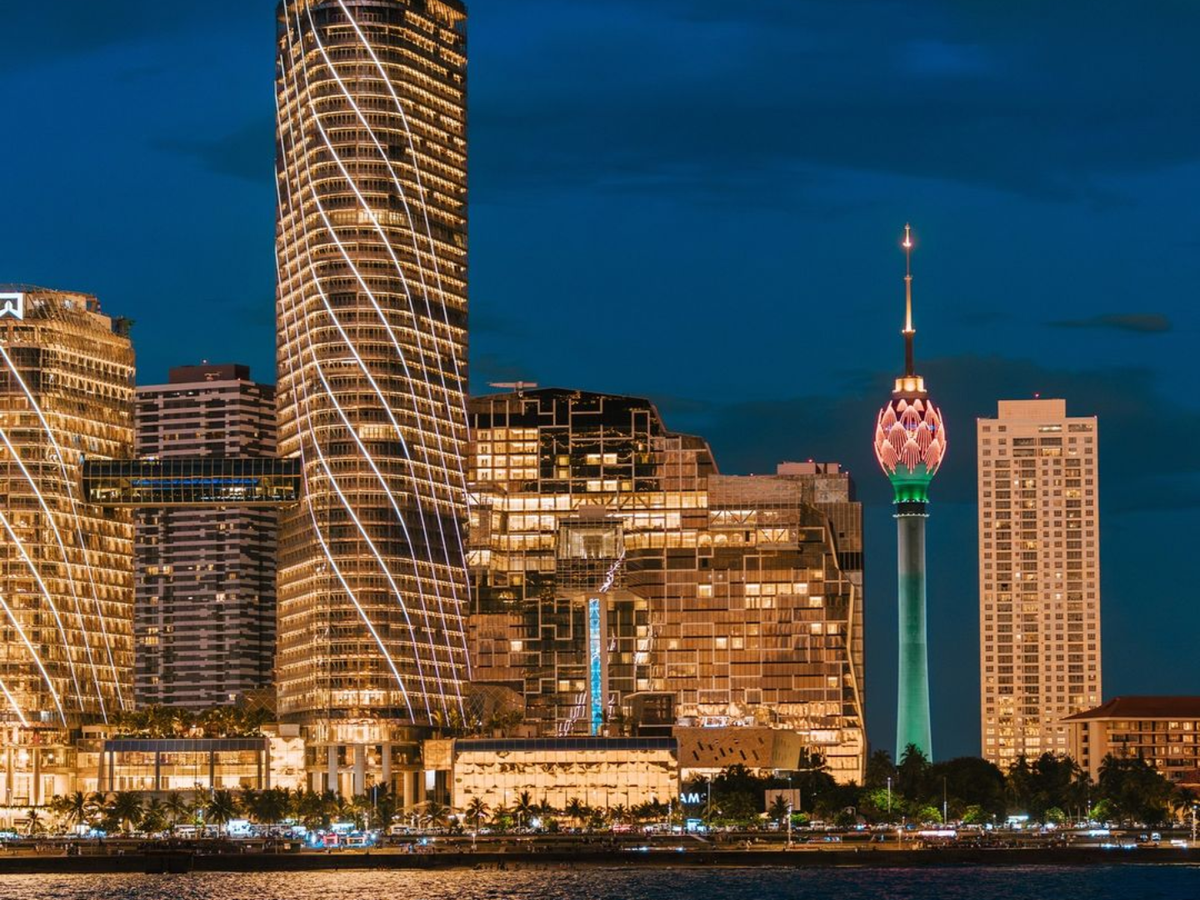
The twin towers feature a modernist glass-and-concrete façade, with a four-story retail podium at the base (Thrillophilia). The architectural style is both functional and symbolic, merging Colombo’s colonial heritage with its aspirations for global connectivity (Wanderlog).
Space Utilization and Facilities
- Over 750,000 square feet of premium office and retail space.
- High-speed elevators, advanced fire safety, and energy-efficient systems (Thrillophilia).
- Retail, dining, banking, and business services on lower floors.
- Panoramic views of the city and Indian Ocean.
Symbolism and Urban Impact
Visible from across Colombo, the WTC towers are a central feature of city branding and have catalyzed further urban development in the Fort area (Wanderlog).
Economic Contributions
- Home to major local and international firms, facilitating global trade (Thrillophilia).
- Thousands of direct and indirect jobs, boosting the local economy (World Bank).
- Venue for international trade fairs and conferences, supporting Sri Lanka’s export industries.
Visiting Hours, Tickets, and Entry
- Retail and Dining Generally open from 8:00 AM to 8:00 PM on weekdays; some dining venues may extend hours. Closed on most public holidays and weekends except select eateries (Holidify).
- Office Areas Access is restricted to tenants and guests, typically during business hours (8:00 AM–6:00 PM, Monday to Friday).
- Entry No ticket required for public areas; event-specific tickets may apply for conferences or exhibitions. Always confirm access with your host before meetings.
Visitor Amenities and Accessibility
- Getting There Located at Echelon Square, adjacent to Fort Railway Station and Central Bus Stand (Nomadic Matt). The Colombo Express Bus connects the airport to the city, with stops near the WTC.
- Parking Computerized parking system for 550 vehicles; use public transport to avoid peak-hour congestion.
- Accessibility Ramps, elevators, and accessible restrooms throughout the complex (WTC Colombo).
- Security Expect metal detectors, bag checks, and may be asked for photo ID. Security is professional and visitor-friendly (SriLankaYo).
Dining, Shopping, and Leisure
- Dining Wide variety, from Sri Lankan staples to international cuisine. Options include Barista (coffee), Taste of Asia, Yue Chuan (Chinese), and more (Holidify).
- Retail Bookshops, gift shops, convenience stores, and specialty outlets on the lower levels.
- Business Services ATMs, bank branches, courier, printing, and event/conference facilities.
- Events The WTC hosts regular trade shows, seminars, and business networking events (WTC Colombo).
Nearby Historical Sites and Attractions
The WTC is surrounded by some of Colombo’s most notable historical and cultural attractions:
- Colombo Fort Colonial-era architecture, markets, and museums.
- Dutch Hospital Shopping Precinct Heritage building with boutiques and restaurants (UDA).
- Galle Face Green Popular seaside promenade.
- Pettah Market Bustling local bazaar.
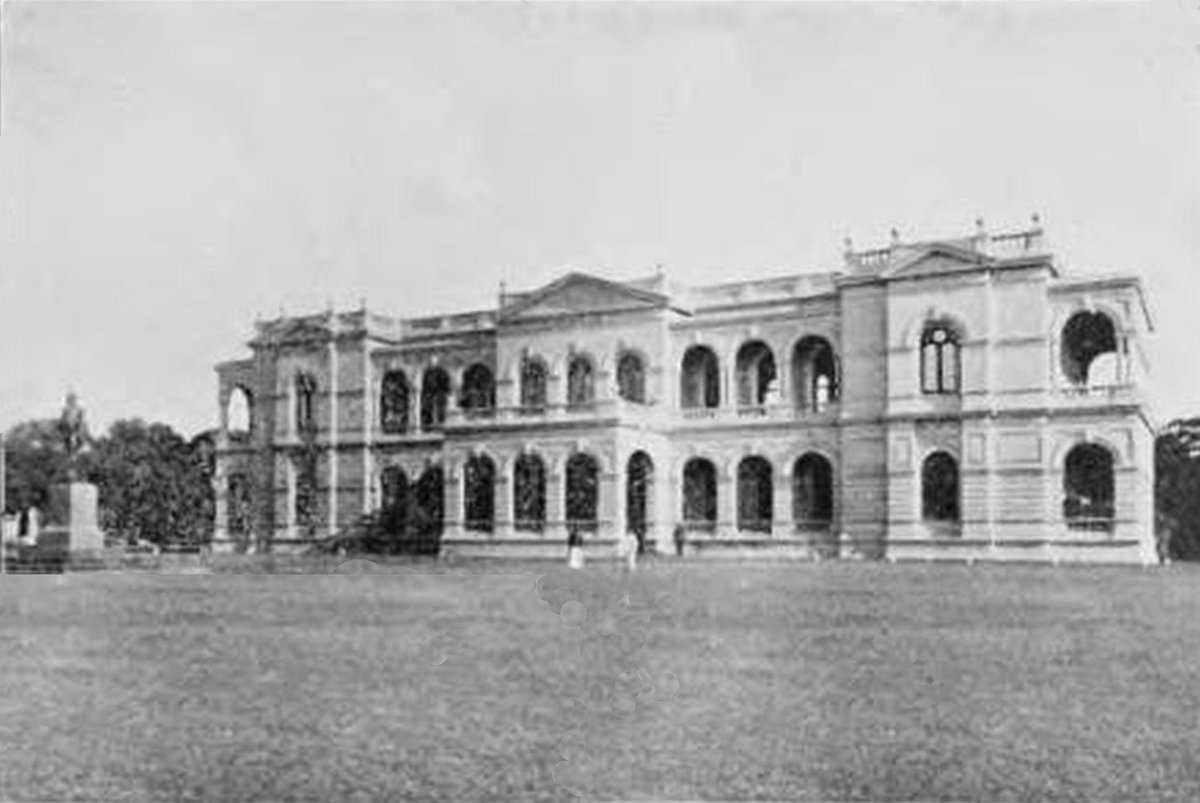
- Old Parliament Building and Colombo Lighthouse are also nearby (Sri Lanka Tourism).
These sites are easily accessible on foot or by short taxi rides, offering a rich extension to your WTC visit.
Practical Tips for Visitors
- Dress Code Business casual recommended for meetings; casual attire acceptable for public areas.
- Best Times Visit early mornings or late afternoons to avoid peak crowds.
- Weather Colombo is hot and humid year-round; light, breathable clothing advised (Sri Lanka Tourism).
- Connectivity Some public areas and cafes offer free Wi-Fi.
- Photography Allowed in public and exterior areas; restricted inside offices.
- Safety Area is well-guarded but stay mindful of your belongings.
Frequently Asked Questions (FAQ)
Q: What are the visiting hours for WTC Colombo?
A: Retail and public areas are typically open 8:00 AM–8:00 PM on weekdays; office areas have restricted access (Holidify).
Q: Is there an entry fee or ticket required?
A: No ticket for public areas; special event access may require registration.
Q: Are guided tours available?
A: Not regularly; some special events may offer tours (WTC Colombo).
Q: Is WTC Colombo accessible for differently-abled visitors?
A: Yes, with ramps, elevators, and accessible restrooms.
Q: How do I get from the airport to WTC Colombo?
A: Take the blue Colombo Express Bus or a taxi; bus service runs every 30 minutes from 5:30 AM to 8:30 PM (Nomadic Matt).