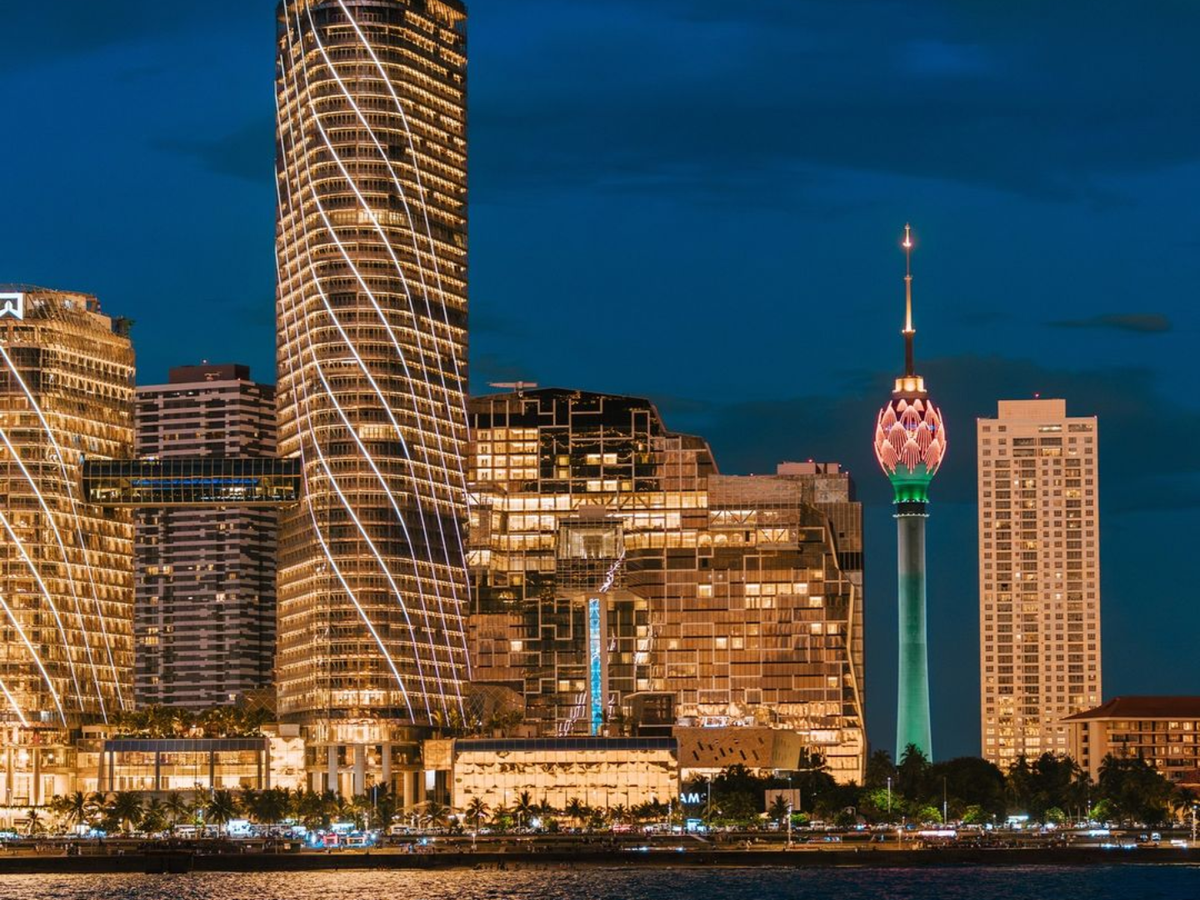
Plan and listen to Old Colombo Dutch Hospital with Audiala.
Audio guide in your pocket, itinerary in your browser. Built for the way you actually visit.
Introduction
The Old Colombo Dutch Hospital stands as a testament to Colombo’s colonial legacy, seamlessly blending centuries-old heritage with the city’s contemporary vibrancy. Originally established in the 17th century by the Dutch East India Company, this architectural gem is now a thriving lifestyle precinct, offering visitors a unique journey through history, culture, and modern leisure. Conveniently situated in the heart of Colombo’s Fort district, the Old Dutch Hospital invites both locals and travelers to experience its rich past, distinctive architecture, curated shopping, world-class dining, and dynamic cultural events—all within walking distance of other key Colombo historical sites (Serendib Trail, Asia Tripstay, Cambridge University Press).
Origins and Colonial Era
Established in the mid-1600s, the Old Colombo Dutch Hospital is one of Sri Lanka’s oldest surviving colonial-era buildings. Built by the Dutch after they captured Colombo from the Portuguese in 1656, its primary purpose was to serve as a hospital for Dutch East India Company staff, sailors, and colonial officials. Its strategic location within the Colombo Fort allowed efficient access to medical care for those arriving by sea, and the building was originally bordered by a canal, which enabled transportation of patients and supplies directly from the port (Cambridge University Press).
Evolution Through Time
Following the British takeover in 1796, the hospital’s role shifted. Over the years, it served various administrative purposes, including as an apothecary and police station. Despite these changes, the structure’s core features survived, thanks to robust Dutch construction. After Sri Lanka’s independence, the building fell into disrepair, until a major restoration project in the early 21st century transformed it into the Dutch Hospital Shopping Precinct, reinvigorating Colombo’s Fort district (Serendib Trail, Asia Tripstay).
Architectural Features
Layout and Design
Occupying nearly half a hectare, the complex consists of five wings surrounding two open courtyards, maximizing natural light and ventilation. The central courtyard, once dedicated to patient recovery, is now a social and cultural hub. Thick brick and coral stone walls—often more than 50 centimeters wide—along with high ceilings, massive teak beams, and wide verandas, are key elements of the Dutch colonial architectural style. This design ensures insulation from Colombo’s tropical heat and monsoon rains, while the open verandas and large windows enhance cross-ventilation (Cambridge University Press).
Adaptive Details
The building’s courtyards, originally sparsely planted, are now adorned with lush greenery, offering tranquility amidst the city bustle. Though the original canal has been filled in, its legacy lives on in nearby “Canal Row.” The hospital’s spatial organization and materials showcase a blend of European design and local adaptation, influencing later public architecture across Sri Lanka (Asia Tripstay).
Restoration and Adaptive Reuse
By the early 2000s, the Old Dutch Hospital was in a state of neglect. Recognizing its historical and architectural importance, the Sri Lankan government undertook a meticulous restoration beginning in 2011. The project followed principles of adaptive reuse, prioritizing the preservation of original features such as terracotta roof tiles, wooden beams, and brickwork, while introducing modern amenities in a reversible and sustainable manner. The result is a precinct that celebrates its colonial heritage while serving as a vibrant commercial and cultural center (Serendib Trail, Asia Tripstay).
Visitor Information: Hours, Tickets, Accessibility
- Opening Hours: Daily from 10:00 AM to 10:00 PM. Some restaurants and bars may stay open later.
- Entry Fee: No ticket or entry fee is required. Visitors are free to explore the precinct; charges apply only for purchases or dining.
- Guided Tours: Occasionally available via third-party operators or during special events. Check with official tourism websites or at the precinct’s info desk for details.
- Accessibility: The ground floor is wheelchair accessible, with ramps and wide pathways. Upper floors are accessed by stairs and may not be fully accessible for those with mobility challenges.
- Facilities: Modern restrooms, free Wi-Fi in most venues, security, and seating areas are provided. ATMs and currency exchange are nearby.
Shopping and Dining
Shopping
The Dutch Hospital precinct features a curated selection of boutiques that highlight Sri Lankan craftsmanship and international brands:
- Barefoot: Renowned for handwoven textiles and unique gifts.
- Spa Ceylon: Offers luxury Ayurveda products and treatments.
- Odel Luv SL: A flagship for Sri Lankan souvenirs and lifestyle items.
- Luv SL: Contemporary Sri Lankan-themed merchandise.
You’ll also find jewelry stores, art galleries, designer sunglasses outlets, and Ceylon tea shops—making the precinct an ideal destination for high-quality, authentic shopping.
Dining
Regarded as one of Colombo’s top culinary destinations, the precinct’s restaurants and cafes cater to diverse tastes:
- Ministry of Crab: Internationally acclaimed for fresh lagoon crab and seafood.
- Colombo Fort Café: Mediterranean and fusion cuisine with an open-air setting.
- The Dutch Pub: Lively spot for local and international drinks.
- Heladiv Tea Club: A nod to Sri Lanka’s tea heritage, perfect for afternoon tea.
Many venues offer outdoor seating in the courtyards, live music, and themed events, especially during weekends and festivals.
Cultural Events and Experiences
The Old Dutch Hospital regularly hosts:
- Art Exhibitions: Showcasing Sri Lankan and international contemporary artists.
- Live Music: Jazz, fusion, and traditional Sri Lankan performances.
- Festivals and Markets: Seasonal events, food festivals, and holiday celebrations.
For up-to-date event listings, check official precinct or venue social media pages.
Getting There and Travel Tips
- Location: Hospital Street, Colombo Fort (Colombo 01), opposite the World Trade Center.
- Transport: Easily accessible via taxi, tuk-tuk, or on foot from Colombo Fort Railway Station. Multiple bus routes serve the area.
- Parking: Limited street parking; public transport or taxis are recommended.
- Best Time to Visit: Evenings are especially atmospheric, with illuminated courtyards and live entertainment. The dry season (November–April) offers the most comfortable weather.
Travel Tip: Reserve tables in advance at popular restaurants, especially on weekends or during festivals.
Nearby Attractions
Maximize your visit by exploring other Colombo historical sites within walking distance:
- Colombo Lighthouse: Panoramic views of the harbor and ocean.
- Galle Face Green: Seaside promenade popular for sunsets and street food.
- Pettah Market: Bustling bazaar for local produce and textiles.
- Wolvendaal Church: Another fine example of Dutch colonial architecture.
Frequently Asked Questions (FAQ)
Q: Is there an entry fee?
A: No, entry to the precinct is free.
Q: What are the visiting hours?
A: Open daily from 10:00 AM to 10:00 PM.
Q: Is the site wheelchair accessible?
A: Yes, the ground floor and main pathways are accessible; upper floors may not be.
Q: Are guided tours available?
A: Yes, but primarily via third-party operators or during special events.
Q: Can I take photos?
A: Generally yes, but please ask before photographing inside shops or during private events.
Sustainability and Responsible Tourism
The Dutch Hospital precinct and its tenants actively promote sustainable practices, including waste reduction and eco-friendly products. Visitors are encouraged to support local artisans, use reusable bags, and dispose of waste responsibly.
Listen to the full story in the app
The whole Old Colombo Dutch Hospital,
told well.
Audio guides for 1,100+ cities across 96 countries. History, stories, and local insight — offline ready.

Verified, and shown.
Researched and written by the Audiala editorial team from historical records, architectural archives, and local expertise.
Last reviewed
Researched from Wikidata, Wikipedia & official sources · fact-checked · How we make our guides →