Historical Background
Origins and Institutional Evolution
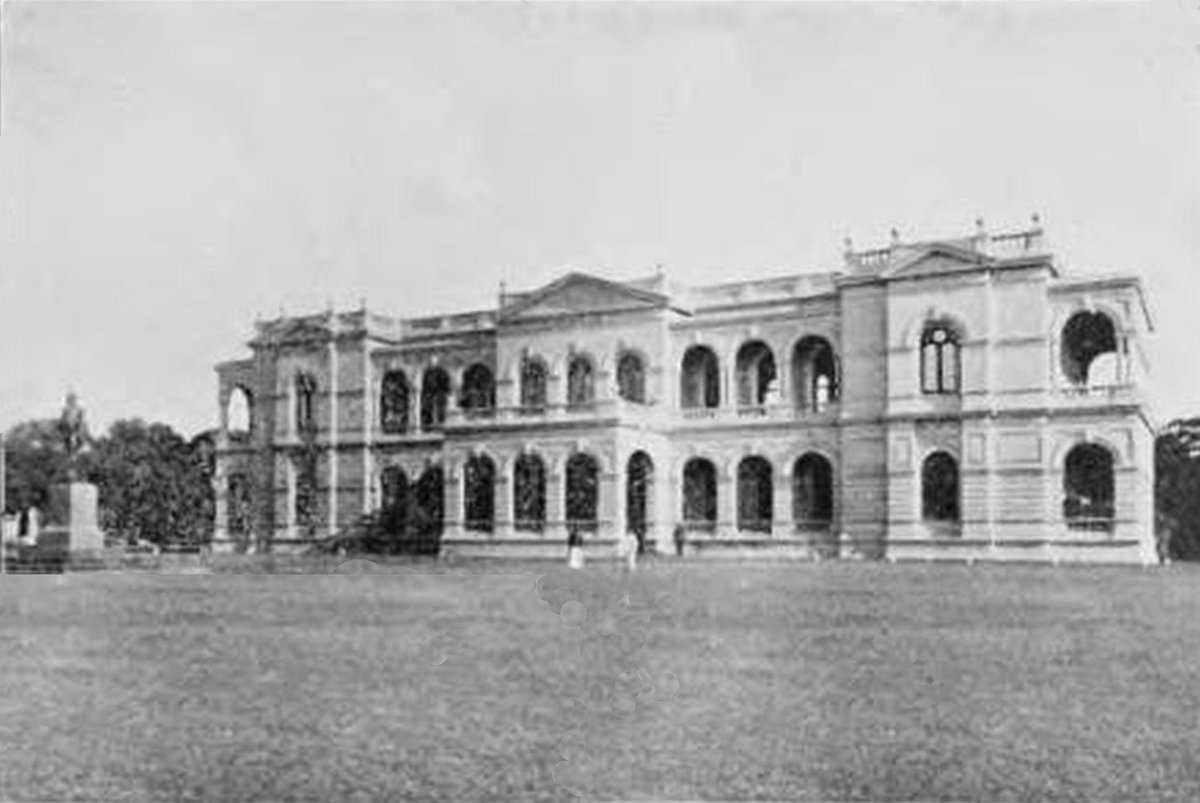
The roots of the National Museum of Natural History trace back to the founding of the National Museum, Colombo, in 1877 during British colonial rule. Originally conceived as a repository for both cultural and natural artifacts, the museum’s collections rapidly expanded, necessitating the creation of a dedicated natural history facility. In 1986, the National Museum of Natural History was officially established, evolving from the broader National Museum’s natural science collections and positioned adjacent to it within the museum precinct (Asia InCH).
Architectural and Cultural Significance
Housed in a striking Italianate building, the museum’s architecture and landscaped gardens offer a serene environment for exploration. The proximity to the main National Museum enables a seamless experience for visitors wishing to immerse themselves in both the cultural and natural narratives of Sri Lanka (Discover Walks).
Administration and Mission
The museum operates under the Department of National Museums, which manages a network of national and regional museums across Sri Lanka. Its mission is to collect, conserve, and interpret Sri Lanka’s natural heritage for education, research, and public awareness, serving as a vital resource for academics and supporting national conservation efforts (Asia InCH).
Visitor Information
Location & Getting There
- Address 854 Sir Marcus Fernando Mawatha, Colombo 00700
- Access The museum is centrally located in Colombo 7 (Cinnamon Gardens) and easily reachable by bus, taxi, tuk-tuk, or rideshare services (honeymoonguidesrilanka.com; visitcolombo.com).
- Parking Limited spaces on site; early arrival is recommended.
Visiting Hours
- Open Daily, 9:00 AM – 6:00 PM
- Closed Public holidays (verify on official website for specific dates)
- Note The main National Museum is closed on Mondays; confirm National Museum of Natural History’s schedule before visiting (honeymoonguidesrilanka.com).
Ticket Prices (as of June 2024)
- Adults LKR 1,500
- Children (with combined National Museum ticket) LKR 600
- Camera fee LKR 250
- Video camera fee LKR 2,000
Combined tickets for both the Natural History and National Museum offer better value (lonelyplanet.com).
Accessibility
- Wheelchair Access Ramps at the main entrance and accessible ground floor; some upper galleries may not have elevator access.
- Assistance Staff are available to help; visitors with special needs are encouraged to contact the museum in advance.
Facilities
- Restrooms Available on-site
- Café Located at the main museum, serving local meals and refreshments
- Gift Shop Laksala outlet for handicrafts and souvenirs
- First Aid Available
- Visitor Safety On-site security and bag checks
Exhibit Highlights
Endemic and Threatened Species
- Specimens Mammals, birds, reptiles, amphibians, insects, and fish unique to Sri Lanka, many rare or endangered.
- Notable Exhibit The “Leopard of Punani,” a preserved leopard that killed 13 people in 1924 (honeymoonguidesrilanka.com).
Geological and Paleontological Treasures
- Fossils Jurassic-period remains, prehistoric cave art, and indigenous rocks.
- Unique Specimens Skull of the extinct Megacerus giganteus (Irish Elk), blue whale skeleton, rare two-headed goat, and Homo erectus fossils (visitcolombo.com).
Interactive and Educational Displays
- Themes Zoology, entomology, biology, geology
- Features Models, dioramas, and multimedia presentations explaining Sri Lanka’s ecosystems and ancient irrigation systems (Nasha Planeta; Visit Colombo).
- Guided Tours Available on request; inquire at the entrance.
Conservation and Research
The museum serves as a reference center for environmental research, frequently consulted for national conservation projects, and supports biodiversity studies through its extensive collections (Wikipedia).
Practical Tips for Visitors
Recommended Visit Duration
Allow 1.5 to 2 hours for a comprehensive visit. Combine with the National Museum for a full-day itinerary.
Photography
- Permitted With payment of camera/video fee; flash and tripods may be restricted.
- Best Spots Galleries, colonial architecture, and gardens.
Dress Code
Modest attire is recommended. Food and beverages are not allowed inside exhibition halls.
Language
Exhibit labels are in Sinhala and English. Staff provide assistance in basic English.
Nearby Attractions
- Colombo National Museum Adjacent, for a broader cultural context
- Viharamahadevi Park Colombo’s largest park, ideal for relaxation
- Gangaramaya Temple Prominent Buddhist temple nearby
- Lionel Wendt Centre Venue for art and cultural performances
Frequently Asked Questions (FAQ)
Q: What are the National Museum of Natural History Colombo’s visiting hours?
A: Open daily from 9:00 AM to 6:00 PM, except on public holidays.
Q: How much are tickets?
A: Adults LKR 1,500; children LKR 600 (with combined ticket); camera fees apply.
Q: Is the museum child-friendly?
A: Yes, but children should be supervised.
Q: Is there wheelchair access?
A: Yes, main areas are accessible; contact ahead for assistance.
Q: Can I take photos?
A: Yes, with payment of the camera fee; check restrictions for flash and tripods.
Q: Are guided tours available?
A: Yes, upon request and for groups; check availability at the entrance.
Summary and Recommendations
The National Museum of Natural History Colombo is a cornerstone of Sri Lanka’s commitment to environmental education, conservation, and public engagement. Its exhibits span rare endemic species, geological marvels, and paleontological treasures, providing an invaluable resource for both casual visitors and researchers. Centrally located and accessible, with connections to other major Colombo historical sites, it is an essential stop for anyone interested in Sri Lanka’s natural legacy.
For the latest information on visiting hours, tickets, and special events, consult the official museum website and trusted travel resources. Enhance your experience with the Audiala app, which offers interactive guides and real-time updates. By visiting the museum, you support ongoing conservation and contribute to the preservation of Sri Lanka’s unique natural heritage (Asia InCH; Discover Walks; Lonely Planet).