
Historical Background
Early Development and Strategic Location
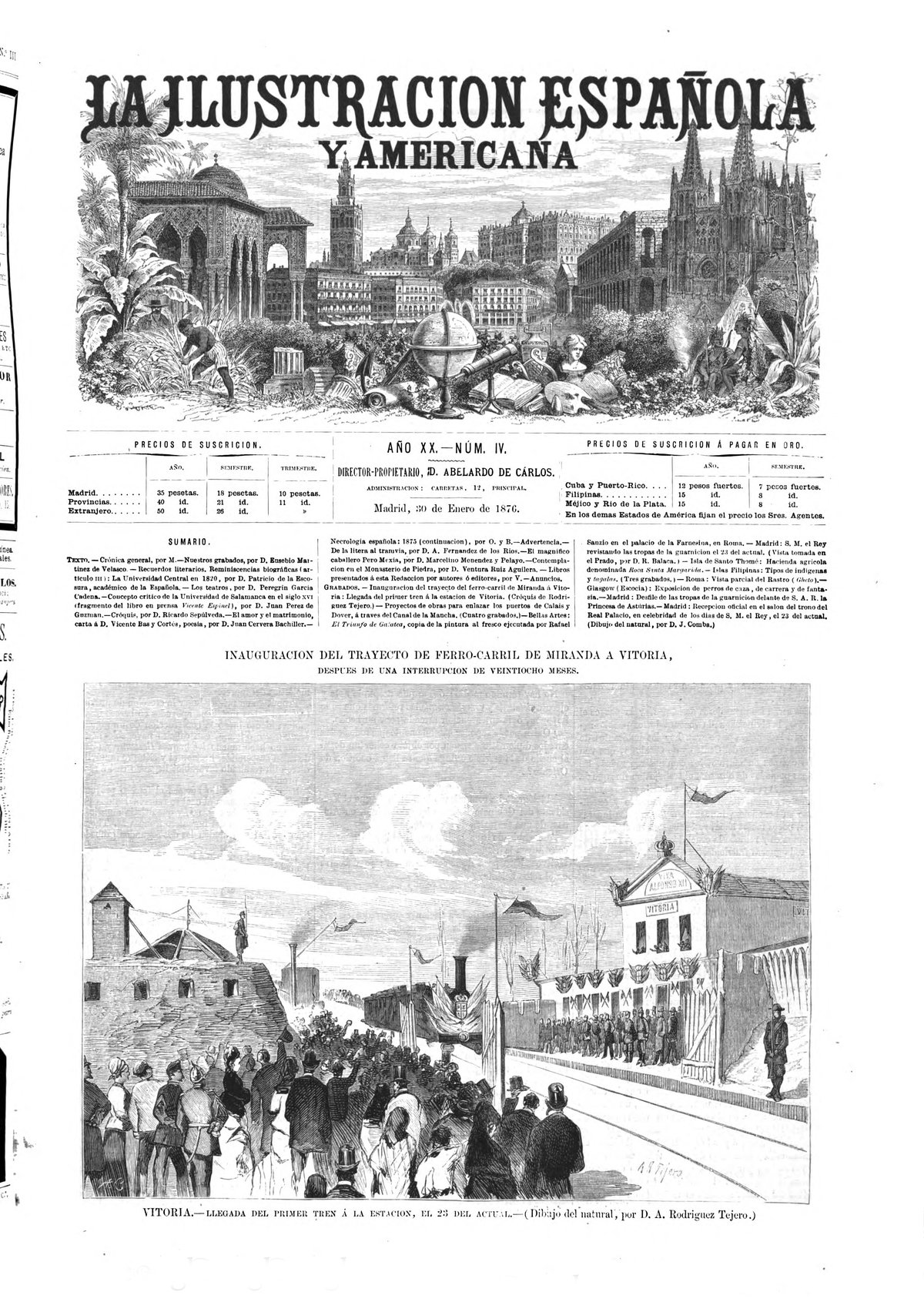
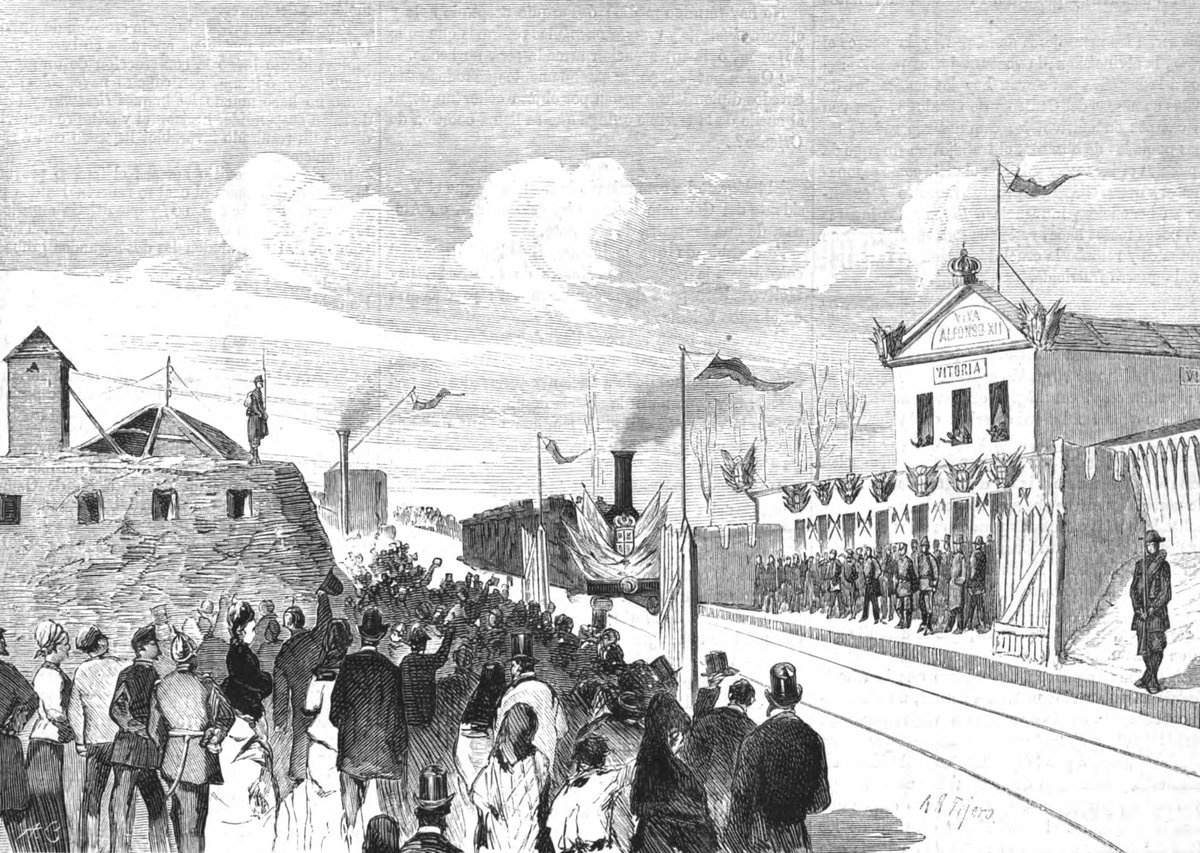
Established in the 19th century as part of the Madrid–Hendaye line, the Vitoria-Gasteiz Railway Station catalyzed the city’s development as a strategic commercial and mobility hub between central Spain and France. Its original site at Plazuela de la Estación was designed to accommodate growing industrial and passenger traffic, fostering Vitoria-Gasteiz’s prominence in northern Spain (Wikipedia; Eusko Guide).
Station Architecture and Urban Integration
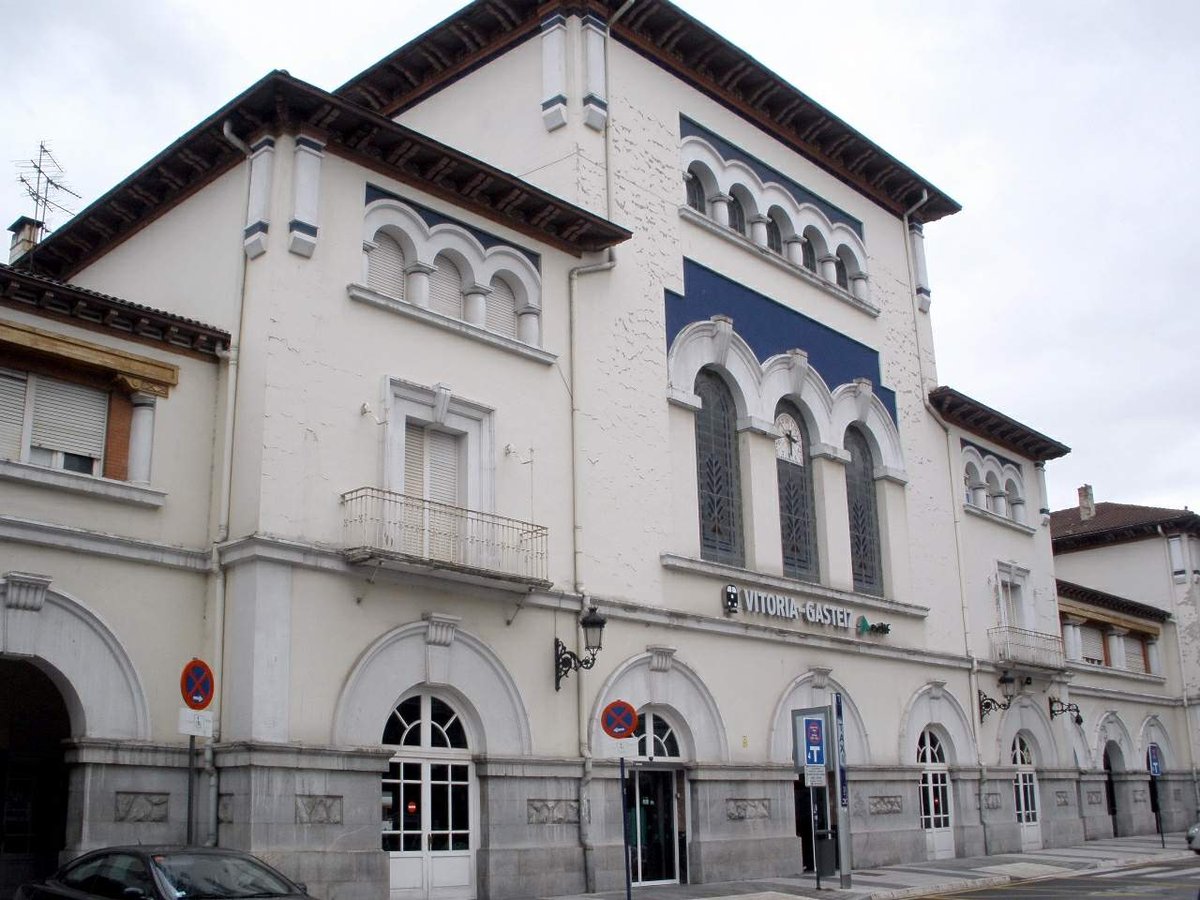
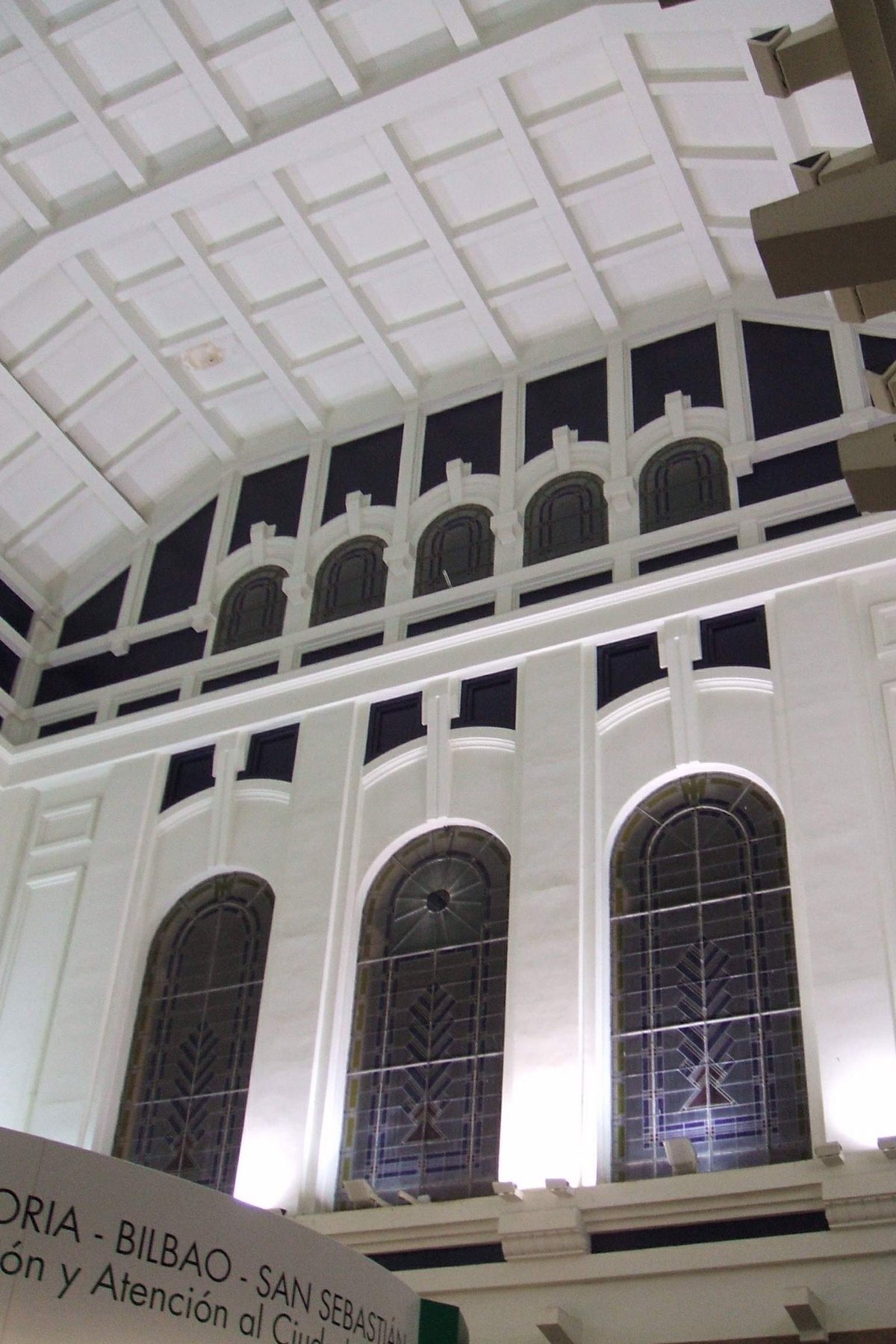
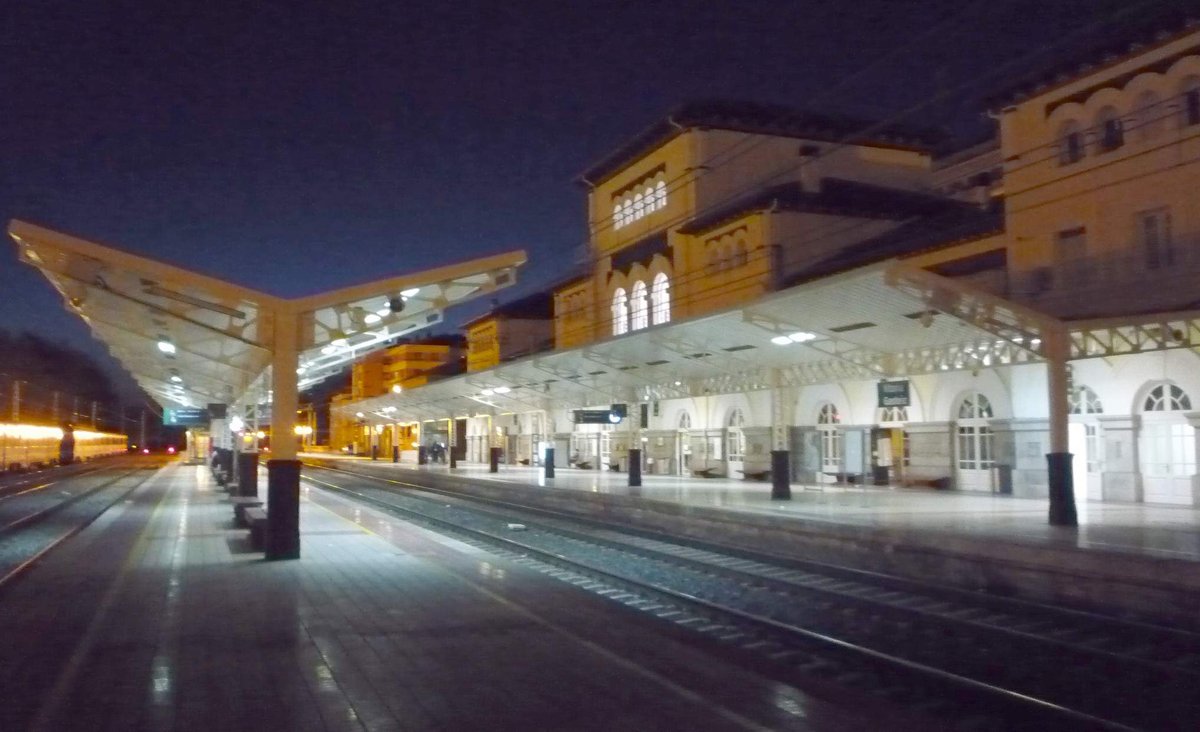
The station’s architecture mirrors Vitoria-Gasteiz’s transformation from a utilitarian 19th-century facility to a modern, sustainable transit center. Recent renovations have prioritized green corridors, cycling infrastructure, and pedestrian integration, aligning the station with the city’s 2012 European Green Capital designation (Artchitectours; Vitoria-Gasteiz City Hall PDF).
Future redevelopment as part of the Basque Y project will see the station relocated underground, further blending transport infrastructure with urban green space and public plazas.
Visiting Hours and Ticket Information
Operating Hours
- Station Hours Daily, 5:00 AM – 11:30 PM
- Ticket Offices Typically 6:00 AM – 10:00 PM (check for holiday or maintenance variations)
Ticket Purchase Options
- Online Renfe, Euskotren
- Mobile Apps Official Renfe and Euskotren apps for real-time schedules and digital tickets
- At the Station Staffed ticket counters and self-service machines (multilingual support)
Tip: Book in advance for best prices, especially on high-speed routes like Alvia to Madrid (approx. 3h 43m) (Eusko Guide; Euro Train).
Accessibility and Station Layout
Vitoria-Gasteiz Railway Station is designed for universal accessibility:
- Entrances Barrier-free with ramps and wide doors
- Elevators Connecting all platforms and levels
- Tactile Paving For visually impaired travelers
- Accessible Restrooms Throughout the station
- Staff Assistance Available upon request
The station’s main entrance is on Calle Eduardo Dato, close to the city center, and the layout is optimized for easy orientation (Euro Train; CocoTran).
Getting There and Local Transport
- By Bus/Tram Local lines and the Euskotren tram network stop at or near the station.
- By Taxi Stands available at the main entrance.
- By Bike Extensive cycling paths and nearby bike rentals.
- On Foot 10–15 minutes from the Old Town or city center.
Parking is available for cars, and electric buses serve the area, supporting sustainable mobility (CocoTran).
Luggage, Facilities, and Passenger Comfort
- Luggage Lockers Secure short- and long-term storage near the main entrance.
- Waiting Areas Climate-controlled, with free Wi-Fi and designated zones for families and accessible needs (Trip.com).
- Restrooms Well-maintained, including accessible facilities.
- Food & Drinks Vending machines and nearby cafés/restaurants.
- Information Desk For schedules, platform changes, and city navigation.
- Security CCTV and personnel ensure a safe environment.
Nearby Attractions and Visitor Tips
- Old Town (Casco Viejo) Medieval streets, Cathedral of Santa María, and vibrant plazas (Packing Up The Pieces)
- ARTIUM Museum Contemporary art a short walk or tram ride from the station.
- Green Belt Parks Lush green spaces for walking, cycling, and relaxation.
- Europa Congress Palace Modern events venue close by.
Visitor Tips:
- Early morning or late afternoon offer ideal light for photography.
- Events like Ironman Vitoria-Gasteiz and city festivals fill hotels and trains—book early.
- Consider a local transport card for seamless tram and bus transfers.
High-Speed Rail Projects and Station Upgrades
Basque Y and Burgos–Vitoria-Gasteiz High-Speed Line
- Basque Y Will connect Vitoria-Gasteiz, Bilbao, and San Sebastián in under 35 minutes; full completion expected by 2027 (Wikipedia: High-speed rail in Spain).
- Burgos–Vitoria-Gasteiz Line 101.3 km, double track, speeds up to 350 km/h, cutting travel to Burgos to 30 minutes (tender completion by 2026).
- Station Redevelopment Relocation underground, platform upgrades, improved intermodal connections, and new public spaces (Vitoria-Gasteiz City Hall PDF; Euro Train).
These developments will further the city’s sustainability goals and enhance regional and international connectivity.
Frequently Asked Questions (FAQ)
Q: What are the station’s visiting hours?
A: Daily from 5:00 AM to 11:30 PM. Ticket offices typically open 6:00 AM–10:00 PM.
Q: How can I buy tickets?
A: Online via Renfe/Euskotren, at station counters, or self-service machines.
Q: Is the station accessible?
A: Yes, with ramps, elevators, tactile paving, and accessible restrooms.
Q: Is there luggage storage?
A: Secure lockers are available during station hours.
Q: What public transport connects to the station?
A: Buses, trams, taxis, and bike rentals.
Q: Are guided tours available?
A: Various operators offer city tours starting near the station; check with local tourism offices.