Plan and listen to Vitoria-Gasteiz City with Audiala.
Audio guide in your pocket, itinerary in your browser. Built for the way you actually visit.
Introduction to La Unión
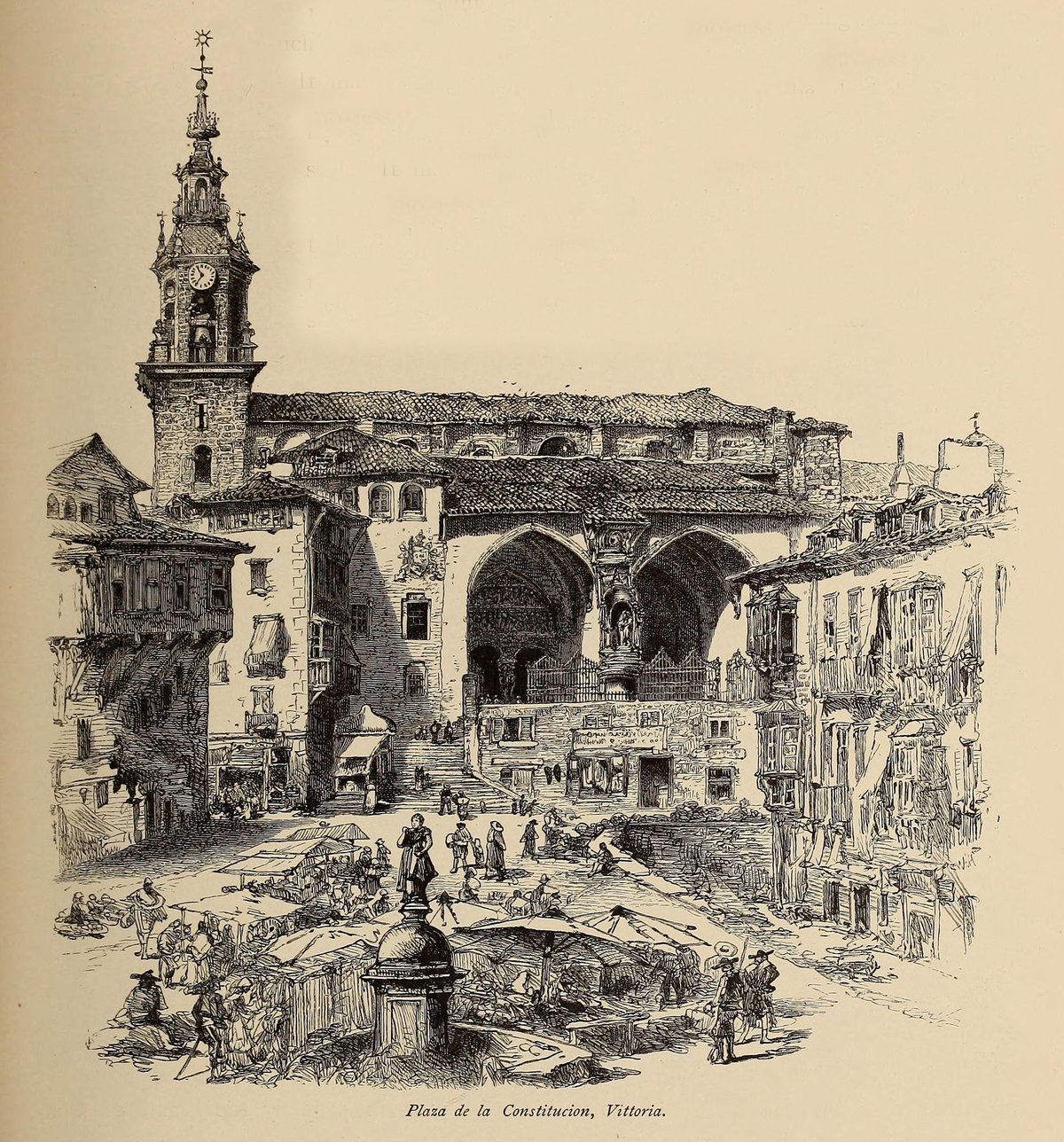
Discover La Unión, a district within the vibrant city of Vitoria-Gasteiz in Spain, renowned for its rich historical significance, cultural richness, and modern development. This guide delves into La Unión's illustrious past, its cultural heritage, and provides practical visitor information to enhance your experience. La Unión is part of Vitoria-Gasteiz, a city founded in 1181 by King Sancho VI of Navarre. Its strategic location made it a pivotal military and commercial hub during the Middle Ages (Battle of Vitoria). The region's transformation from a medieval stronghold to a contemporary urban district mirrors the broader historical and cultural evolution of the Basque Country. The city's commitment to sustainability is notable, having been awarded the title of European Green Capital in 2012, reflecting its efforts in urban planning and environmental initiatives (European Green Capital). Whether you're a history enthusiast, culture aficionado, or simply seeking a unique travel experience, La Unión has something to offer.

History of La Unión, Vitoria-Gasteiz, Spain
Early Beginnings
La Unión, a district within Vitoria-Gasteiz, Spain, has a rich history that dates back to the early medieval period. The region of Vitoria-Gasteiz itself was founded in 1181 by King Sancho VI of Navarre, who named it "Nueva Victoria" after a nearby village. The strategic location of Vitoria-Gasteiz made it a significant military and commercial hub during the Middle Ages.
Medieval Era
During the medieval period, La Unión and the surrounding areas were characterized by their fortified structures and defensive walls. The city of Vitoria-Gasteiz was a focal point during the Reconquista, the series of campaigns by Christian states to recapture territory from the Moors. The Battle of Vitoria in 1813, part of the Peninsular War, was a decisive conflict that saw the defeat of Napoleon's forces by the allied armies of Britain, Spain, and Portugal. This battle significantly impacted the region, including La Unión, and marked the beginning of the end for French occupation in Spain (Battle of Vitoria).
Industrial Revolution
The Industrial Revolution brought significant changes to La Unión and Vitoria-Gasteiz. The 19th century saw the development of various industries, including textiles, metallurgy, and machinery. The arrival of the railway in the mid-19th century further boosted the economic growth of the area. La Unión, being part of this industrial expansion, experienced a transformation from a primarily agrarian society to an industrialized one. This period also saw an influx of workers from other parts of Spain, contributing to the cultural diversity of the region.
20th Century and Civil War
The 20th century was a tumultuous period for La Unión and Vitoria-Gasteiz. The Spanish Civil War (1936-1939) had a profound impact on the region. Vitoria-Gasteiz, including La Unión, was under Nationalist control for most of the war. The post-war period was marked by economic hardship and political repression under Franco's dictatorship. However, the latter half of the 20th century saw significant economic recovery and modernization. The establishment of the Basque Autonomous Community in 1979, with Vitoria-Gasteiz as its capital, brought political stability and economic growth to the region (Basque Autonomous Community).
Modern Era
In recent decades, La Unión has continued to evolve as part of the dynamic city of Vitoria-Gasteiz. The city has gained recognition for its commitment to sustainability and environmental initiatives. Vitoria-Gasteiz was awarded the title of European Green Capital in 2012, highlighting its efforts in urban planning, green spaces, and sustainable development (European Green Capital). La Unión, as part of this progressive city, benefits from these initiatives, making it an attractive destination for both residents and visitors.
Cultural Significance
La Unión, like the rest of Vitoria-Gasteiz, is steeped in Basque culture. The Basque people have a distinct language, Euskara, and a rich cultural heritage that includes traditional music, dance, and cuisine. The region celebrates numerous festivals throughout the year, such as the Virgen Blanca Festival in August, which features parades, concerts, and traditional Basque sports (Virgen Blanca Festival). These cultural events provide a glimpse into the vibrant traditions of the Basque people and are an integral part of the community's identity.
Architectural Heritage
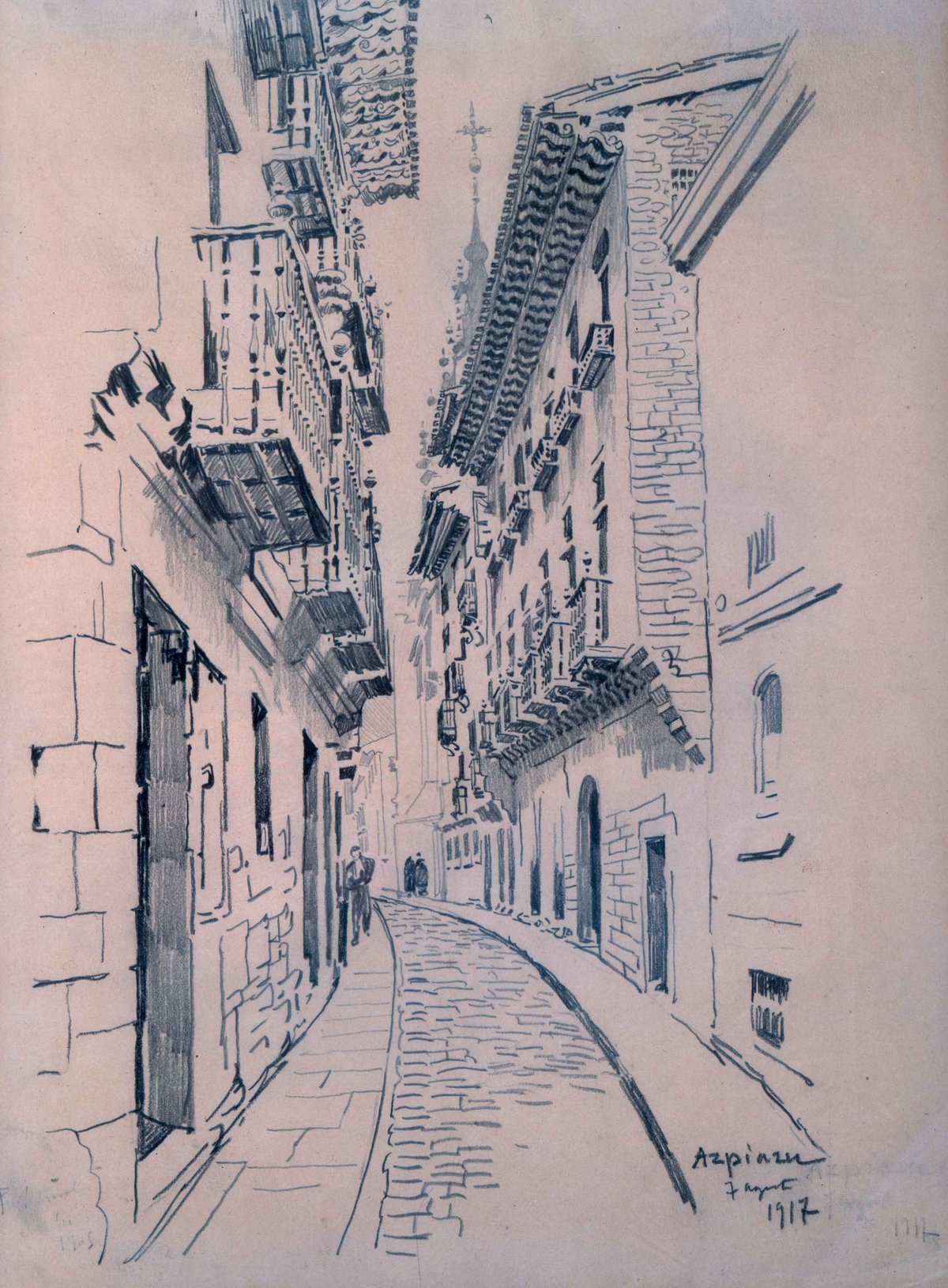
La Unión and Vitoria-Gasteiz boast a wealth of architectural heritage. The city's medieval quarter, known as the Casco Viejo, is a well-preserved area with narrow streets, ancient churches, and historic buildings. Notable landmarks include the Cathedral of Santa María, a Gothic-style cathedral that dates back to the 13th century, and the Church of San Miguel, which houses the statue of the Virgen Blanca, the patron saint of the city (Cathedral of Santa María). These architectural treasures reflect the historical and cultural evolution of the region.
Economic Development
The economic landscape of La Unión has diversified over the years. While traditional industries such as manufacturing and agriculture remain important, there has been a significant shift towards the service sector, including tourism, education, and healthcare. The presence of the University of the Basque Country in Vitoria-Gasteiz has also contributed to the region's economic and cultural vitality. The university attracts students and researchers from around the world, fostering a vibrant academic community (University of the Basque Country).
Practical Visitor Information
Visiting Hours and Ticket Prices
Most historical sites in La Unión, including the Cathedral of Santa María and the Church of San Miguel, are open daily from 10:00 AM to 6:00 PM. Ticket prices generally range from €5 to €10, with discounts available for students, seniors, and groups. It's advisable to check the official websites for the most current information on visiting hours and ticket prices.
Travel Tips
- Best Time to Visit: The best time to visit La Unión is during the spring and fall when the weather is mild and the tourist crowds are smaller.
- Getting There: Vitoria-Gasteiz can be easily reached by train or bus from major Spanish cities. Once in the city, La Unión is accessible by local public transportation or a short walk from the city center.
- Accommodation: There are various accommodation options available, from budget hostels to luxury hotels. Booking in advance is recommended, especially during festival periods.
- Local Cuisine: Don't miss the opportunity to try traditional Basque dishes such as pintxos, bacalao a la vizcaína (Basque-style cod), and txakoli (a local white wine).
Nearby Attractions
While visiting La Unión, consider exploring other nearby attractions in Vitoria-Gasteiz:
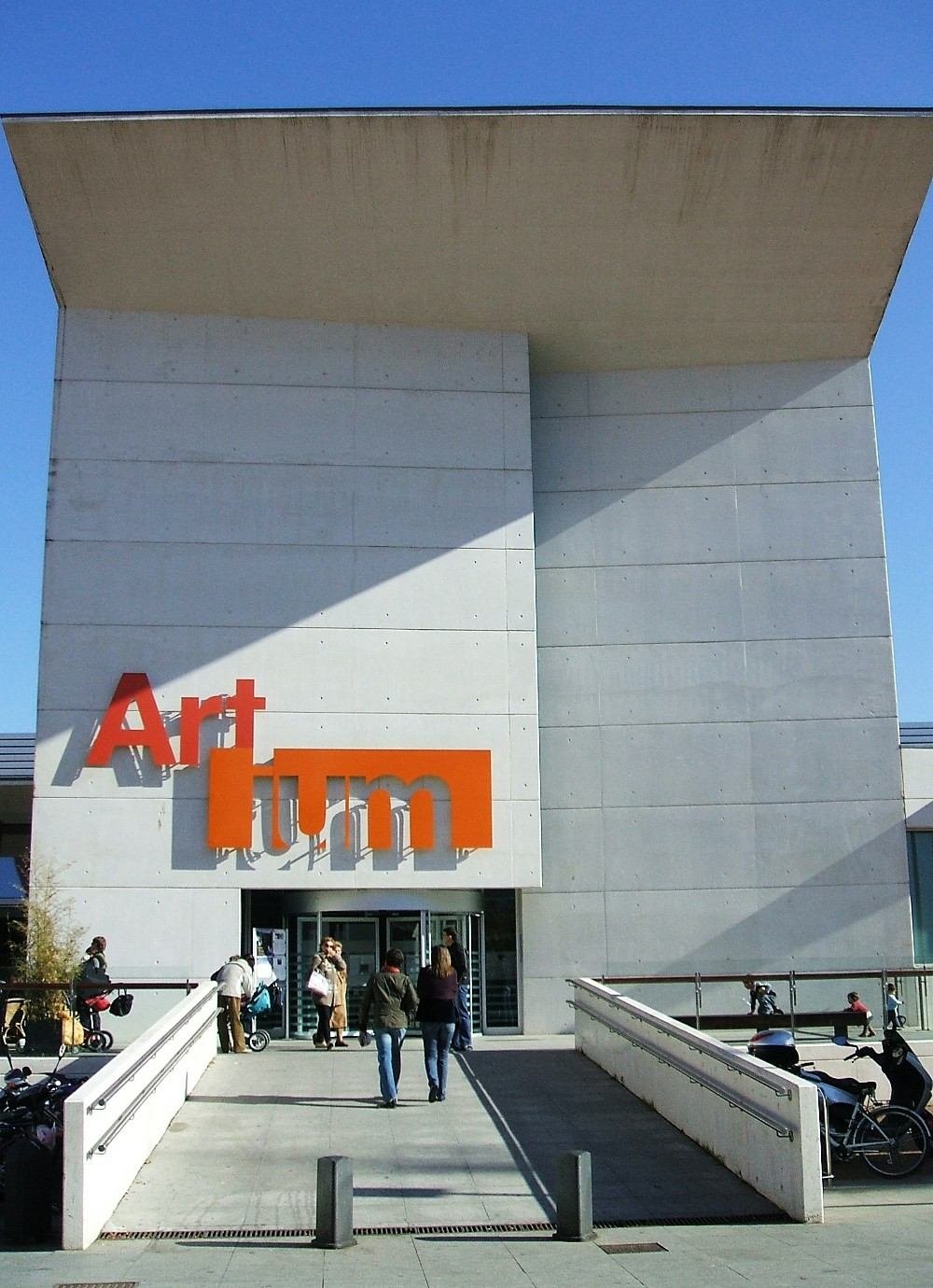
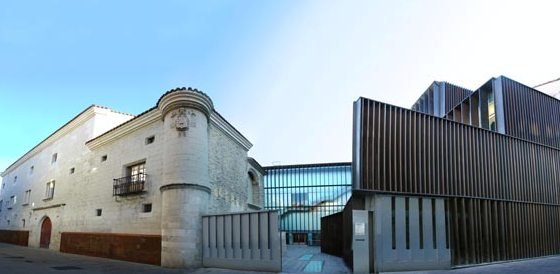
- Artium Museum: A contemporary art museum showcasing works by Basque and Spanish artists (Artium Museum).
- Anillo Verde: A green ring of parks and trails surrounding the city, perfect for nature walks and cycling.
- Plaza de la Virgen Blanca: The main square of Vitoria-Gasteiz, known for its lively atmosphere and historical significance.
Accessibility
Most of the major attractions in La Unión and Vitoria-Gasteiz are wheelchair accessible. Public transportation options are also available for those with mobility issues. It's recommended to check accessibility details on the official websites of specific attractions.
FAQ
What are the visiting hours for La Unión?
Most historical sites in La Unión are open daily from 10:00 AM to 6:00 PM.
How much are tickets to La Unión?
Ticket prices generally range from €5 to €10, with discounts available for students, seniors, and groups.
What are the must-see landmarks in La Unión?
Must-see landmarks include the Cathedral of Santa María and the Church of San Miguel.
Listen to the full story in the app
The whole Vitoria-Gasteiz City,
told well.
Listen to sourced travel stories with local history and practical context — ready offline.
Verified, and shown.
Researched and written by the Audiala editorial team from historical records, architectural archives, and local expertise.
In Encyclopædia Britannica
Built from cited sources · see the method · How we make our guides →