What the Place Is
The Álava Campus of the University of the Basque Country (UPV/EHU) is in Vitoria-Gasteiz, a city known for its medieval heritage, environmental innovation, and Basque culture. Established in 1980, the university builds on Basque educational traditions dating to the 18th century and is a center for research, academic excellence, and community engagement (University of the Basque Country). The campus combines modern architecture, green spaces, and a vibrant, multilingual atmosphere. For campus information, see the EHU Álava Campus and UPV/EHU.
Vitoria-Gasteiz has a compact urban layout, a well-preserved medieval quarter, a commitment to sustainability, a vibrant Basque identity, and a multilingual culture. Its diverse festivals contribute to the city’s character beyond the university grounds (Turispanish).
History
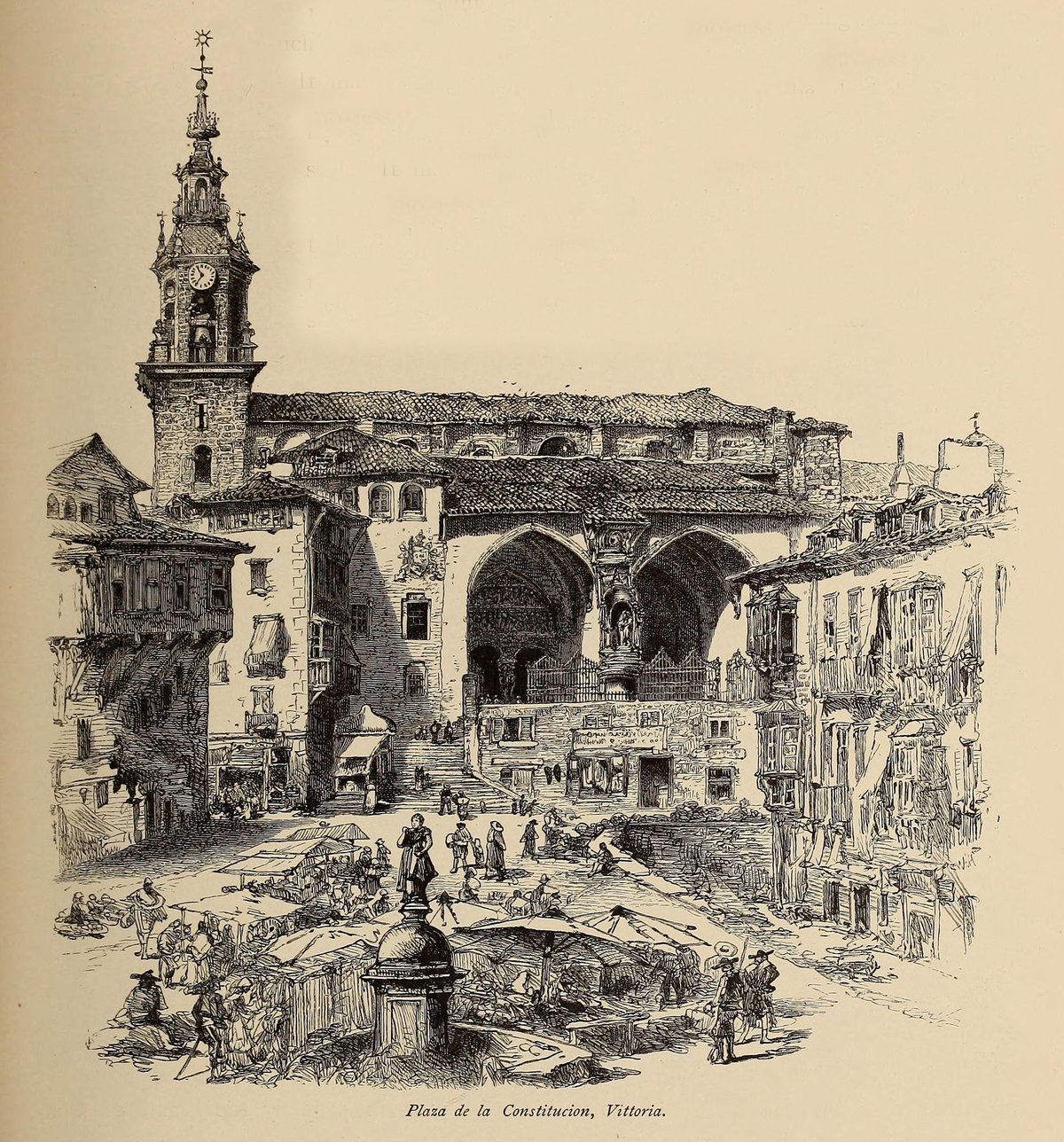
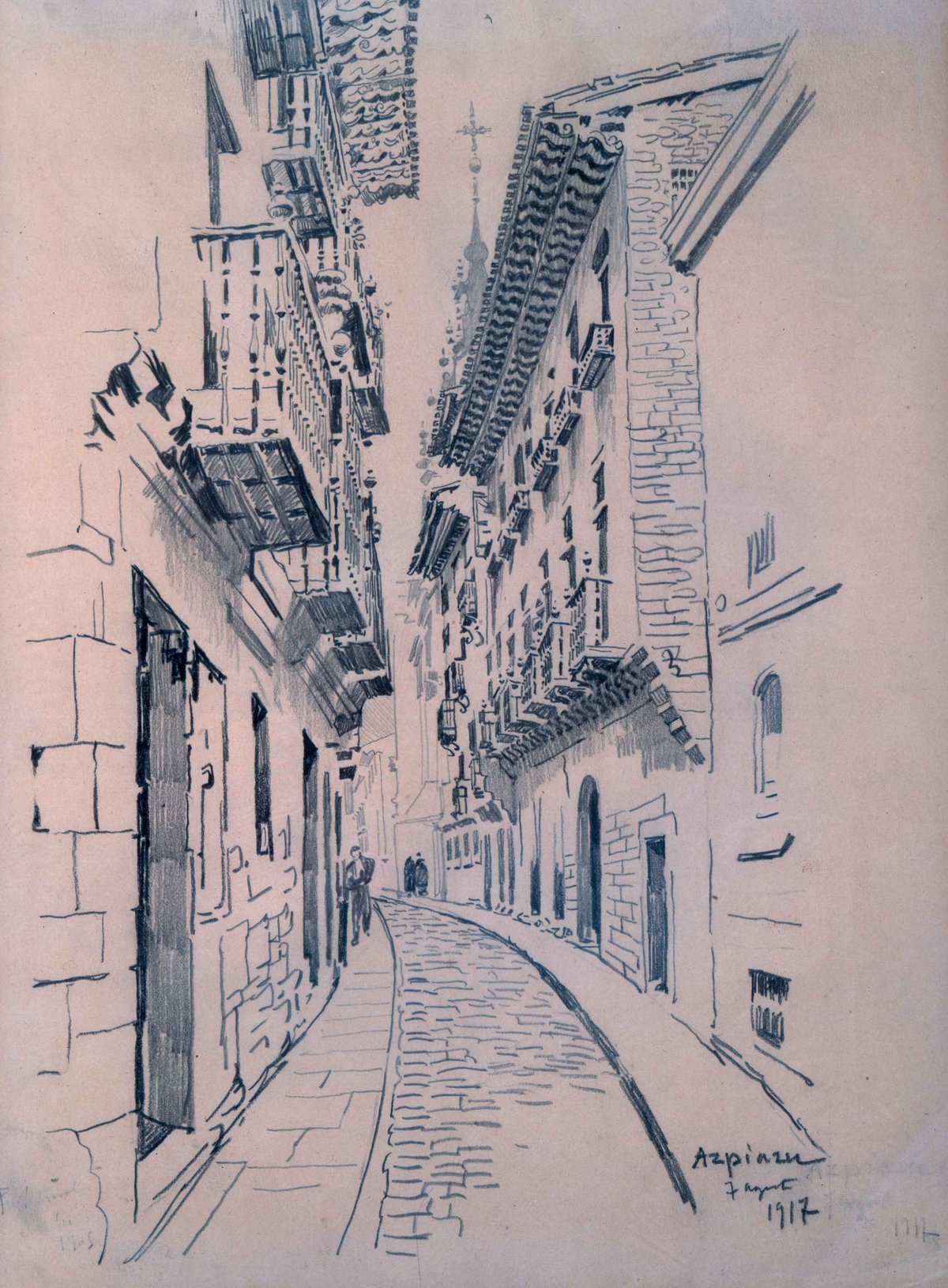
Vitoria-Gasteiz’s urban structure reflects its history as a crossroads between Castile and the Basque coast. Its old town is an outstanding example of medieval urbanism, with narrow cobblestone streets, centuries-old buildings, and picturesque plazas (Cocotran).
The Cathedral of Santa María is a Gothic landmark dating from the 13th–15th centuries. Its ongoing restoration gives visitors access to tours of its crypts, towers, and archaeological features (Turispanish).
What to See
Álava Campus
The centrally located campus is integrated with Vitoria-Gasteiz’s parks and green belt. Its buildings and facilities include:
- Faculty of Pharmacy Laboratories and health sciences research facilities.
- Faculty of Education and Sports Gymnasiums and sports fields.
- Faculty of Business Studies Collaborative learning spaces for economics and management.
- Central Library Study zones and digital resources, with extended hours during exam periods.
Cultural and entrepreneurial spaces include EHUKultura Araba and Inizia, which support arts, community engagement, and innovation. The campus combines contemporary and historic architecture with green spaces, and regularly hosts exhibitions and cultural events celebrating Basque heritage. Photographic spots include the central lawns, the Faculty of Pharmacy building, and university festivals.
Vitoria-Gasteiz
- Medieval Quarter (Casco Viejo) Narrow cobblestone streets, historic buildings, and picturesque plazas.
- Plaza de la Virgen Blanca The city’s social heart, known for its flower displays, the Celedón sculpture, and major festivals. It is open year-round and is a popular place for photos and gatherings (The Go Guy).
- Cathedral of Santa María Visitors can see its Gothic architecture, crypts, towers, and archaeological remains.
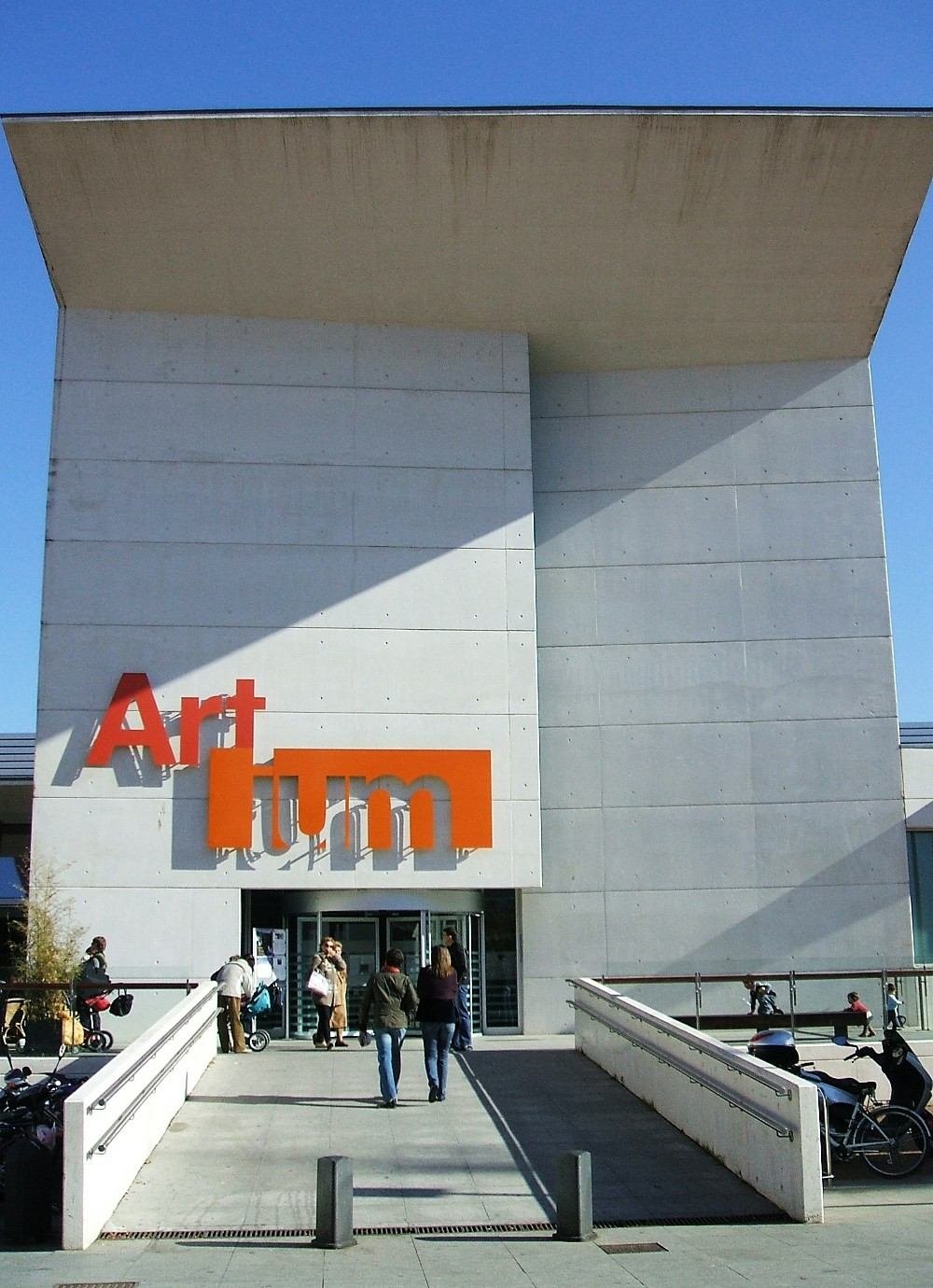
- Museums and art spaces Artium Museum features contemporary art and Basque and Spanish artists; Museo de Bellas Artes displays fine arts from the 18th–20th centuries; Museo Fournier de Naipes explores the history of playing cards.
The city also hosts the Virgen Blanca Festival in August, the International Jazz Festival, and gastronomic and cultural fairs (Turispanish). Pintxos bars, local markets such as Mercado de Abastos, and Michelin-starred restaurants offer cuisine based on local ingredients and Rioja Alavesa wines. Old-town boutiques and artisan workshops sell souvenirs and showcase Basque craftsmanship.
Images
Practical Visiting Information
Álava Campus Hours, Admission, and Tours
- Campus hours Monday to Friday, 8:00 AM–8:00 PM. Facilities such as the Central Library and cultural venues may have different schedules; check the official Álava Campus website for updates.
- Admission Campus grounds and most events are free. Special exhibitions or events may require advance booking or tickets.
- Guided tours Available by appointment, covering the university’s history, architecture, and research facilities. Book through visitor services (EHU Álava).
- Languages Tours and visitor materials are primarily in Spanish and Basque; some resources may be available in English and French.
- Facilities and accessibility The campus has ramps, elevators, and dual-language signage. Visitor centers offer maps, information, and assistance; cafés and rest areas are available across the campus (Vitoria-Gasteiz Visitor Centre).
Santa María Cathedral Hours, Tickets, and Accessibility
The cathedral’s visitor information gives two sets of hours and ticket prices:
- Opening hours Tuesday–Sunday, 10:30 AM–1:00 PM and 4:30 PM–7:00 PM; closed Mondays.
- Also listed Monday–Saturday, 10:00 AM–6:00 PM; Sundays and holidays, 11:00 AM–5:00 PM.
- Admission Around €6, with guided tours available for an additional fee.
- Also listed General admission €5; reduced admission €3 for students and seniors; children under 12 free; guided tours €8.
- Accessibility and facilities Described as fully accessible, with audio guides available in multiple languages. Photography is permitted except during religious services.
Museums
Most museums are open Tuesday–Sunday, 10:00 AM–7:00 PM, with free admission on select days.
Getting Around and Getting There
The Álava Campus is reachable by tram, bus, and train. Vitoria-Gasteiz is connected to Bilbao (1 hour) and San Sebastián (1 hour, 15 minutes). On-campus parking is limited; public transport and cycling are recommended.
Vitoria-Gasteiz has more than 150,000 square meters of pedestrian zones, extensive bike paths (bidegorris), and public transport including trams and electric buses (Turispanish). The city and campus are accessible for people with disabilities, with escalators, elevators, and barrier-free public spaces (UPV/EHU Postgrad Studies PDF).
Tips
Spanish and Basque are the predominant languages; English and French offerings are increasing, especially in academic contexts. Late spring to early autumn is ideal for good weather and vibrant campus life.
The university and city promote sustainability; walking, cycling, and public transport are encouraged. For virtual tours and maps, visit the official Álava Campus website.
Check official websites for current information. The Audiala app is also suggested for personalized guides and real-time updates.
Nearby Places
The Cathedral of Santa María is close to Plaza de la Virgen Blanca and the city museums. Bilbao and San Sebastián are also connected to Vitoria-Gasteiz by the travel times listed above.
Frequently Asked Questions (FAQs)
Q: What are the Álava Campus visiting hours?
A: Monday–Friday, 8:00 AM–8:00 PM. Facility hours may vary.
Q: Is there a general admission fee to the campus?
A: No. Access is free; some events and exhibitions may require tickets.
Q: Are guided campus tours available?
A: Yes, by appointment via the university website.
Q: Is the campus accessible for visitors with disabilities?
A: Yes. It has ramps, elevators, and accessible signage.
Q: What are the Santa María Cathedral hours and ticket prices?
A: One listing gives Tuesday–Sunday, 10:30 AM–1:00 PM and 4:30 PM–7:00 PM, with Mondays closed; another gives Monday–Saturday, 10:00 AM–6:00 PM, and Sundays and holidays, 11:00 AM–5:00 PM. Prices are listed as around €6, or as €5 general admission, €3 reduced admission, and free for children under 12; guided tours are listed as an additional fee or €8.
Q: How can I get around in Vitoria-Gasteiz?
A: Walking, cycling, trams, and buses are efficient and accessible options.