Plan and listen to Sanctuary Of Nuestra Señora De Estíbaliz with Audiala.
Audio guide in your pocket, itinerary in your browser. Built for the way you actually visit.
Introduction
Perched atop a gentle hill near Vitoria-Gasteiz in Álava, Spain, the Sanctuary of Nuestra Señora de Estíbaliz is one of the most significant religious and historical sites in the Basque Country. Renowned for its Romanesque architecture, profound Marian devotion, and role as the patroness of Álava, the sanctuary draws pilgrims, history enthusiasts, and cultural travelers alike. Its historical roots reach back to the 10th century, and its current form, primarily from the 11th and 12th centuries, offers a window into medieval spirituality, artistic heritage, and Basque identity. This detailed guide covers everything you need to visit and appreciate the sanctuary fully: history, art, practical visitor information, accessibility, events, and nearby attractions. For official updates and further resources, consult Ondare Irekia, Vitoria-Gasteiz Tourism, and Spain.info.
- Historical Overview
- Architectural and Artistic Heritage
- Spiritual and Cultural Significance
- Visitor Information
- Events and Pilgrimage
- Nearby Attractions
- Frequently Asked Questions (FAQ)
- Plan Your Visit: Tips and Recommendations
- References


Origins and Medieval Development
The Sanctuary of Nuestra Señora de Estíbaliz is first documented in a Navarrese charter from 962, marking it as one of the earliest centers of Marian devotion in Álava (Ondare Irekia). The current Romanesque church was constructed in the 11th century, with subsequent enhancements in the 12th and 13th centuries. The initial patronage of noblewoman Toda López from the House of Haro underscores the sanctuary’s aristocratic connections and the prominent role of women in its foundation.
Monastic Stewardship and Pilgrimage Routes
Donated to the Benedictine monks of Nájera in 1138, the sanctuary flourished as a major stop on the Camino de Santiago del Interior. The monks enriched both its spiritual life and artistic fabric, most notably through the sculpted “Puerta Speciosa” on the south façade. After centuries of monastic stewardship, the sanctuary transitioned to lay ownership and later came under the administration of the province.
Modern History
In 1923, the Benedictines resumed custodianship, and the Virgin of Estíbaliz was canonically crowned, an event celebrated with a recent Jubilee Year (2023–2024) granted by Pope Francis. The sanctuary was declared a National Monument and Bien de Interés Cultural in 1931, cementing its status as a heritage site. In 2023, the Peregrinas de la Eucaristía assumed stewardship, ensuring its continuing religious vitality (Santuario de Estíbaliz).
Architectural and Artistic Heritage
Romanesque Excellence
The sanctuary is a quintessential example of Romanesque architecture in northern Spain (Spain.info). Its Latin cross floor plan features a single nave divided into three bays, a broad transept, and a triple-apsed chevet—a design symbolizing the Holy Trinity. The robust barrel vaults, constructed from local limestone, are supported by sturdy piers and transverse arches. The slightly pointed vaults foreshadow early Gothic influences.
The Puerta Speciosa and Sculptural Program
The southern portal, known as the “Puerta Speciosa,” is a masterpiece of Romanesque sculpture. Its archivolts and capitals are adorned with biblical scenes, geometric patterns, vegetal motifs, and fantastical creatures, blending spiritual instruction with artistic beauty. Capitals inside the church also feature vegetal designs and hidden faces, reflecting the era’s symbolic richness (WhichMuseum).
Interior Highlights
Key features include a finely carved Romanesque baptismal font and the revered statue of the Virgin of Estíbaliz, a 12th–13th-century “Andramari” (Seated Virgin with Child) that is both an artistic treasure and the focus of Marian devotion. Despite past damages, careful restoration has preserved these core elements.
Spiritual and Cultural Significance
Patroness of Álava
Since 1941, the Virgin of Estíbaliz has been officially recognized as the patroness of Álava, and her veneration is deeply rooted in local identity. The sanctuary hosts monthly pilgrimages, diocesan events, and annual festivals, particularly on May 1st—her feast day (Ondare Irekia).
Legends, Traditions, and Community
Estíbaliz is steeped in local legend, such as the medieval tale of adversaries seeking reconciliation at the sanctuary before resorting to a “Judgment of God.” Though apocryphal, this story endures in local memory and festivities. The “Visita Domiciliaria,” begun in 1926, involves bringing an image of the Virgin to homes across the province, fostering community and devotion (Vitoria-Gasteiz Tourism).
Cultural Events
Beyond religious observance, the sanctuary hosts concerts, art exhibitions, and educational programs, making it a hub for both sacred and secular cultural life (Try Travel).
Visitor Information
Visiting Hours
- General: Daily, 10:00 AM – 6:00 PM (may vary during major religious events or holidays)
- Best to check: Official website or Vitoria-Gasteiz Tourism for updates
Tickets and Admission
- General admission: Free
- Guided tours: Possible small fee; inquire on-site or via official channels
- Group visits: Advance booking recommended
Accessibility
- The sanctuary is mostly accessible for visitors with reduced mobility, with ramps and adapted facilities.
- Some uneven terrain and steps remain due to the historic setting; assistance may be needed.
Getting There
- By car: 8–10 km southeast of Vitoria-Gasteiz, with parking available near the sanctuary
- Public transport: Limited; most visitors arrive by car or bicycle
- Final approach: Short, gentle walk from parking area
Facilities
- Restrooms, gift shop with religious items and local crafts, picnic areas
- Photography is allowed (no flash during services or near sacred images)
- Silence and respectful behavior expected during Mass and prayer
Events and Pilgrimage
- May 1st, Fiesta de Estíbaliz: Major Marian festival with Mass, processions, music, and Basque cultural activities
- Annual and monthly pilgrimages: Including “Marcha vocacional” from Plaza Virgen Blanca in Vitoria-Gasteiz
- Holy Year 2023–2024: Special liturgical celebrations and increased pilgrim activity
- Weddings, baptisms, and community gatherings: Popular for local families
Nearby Attractions
While visiting the sanctuary, consider exploring:
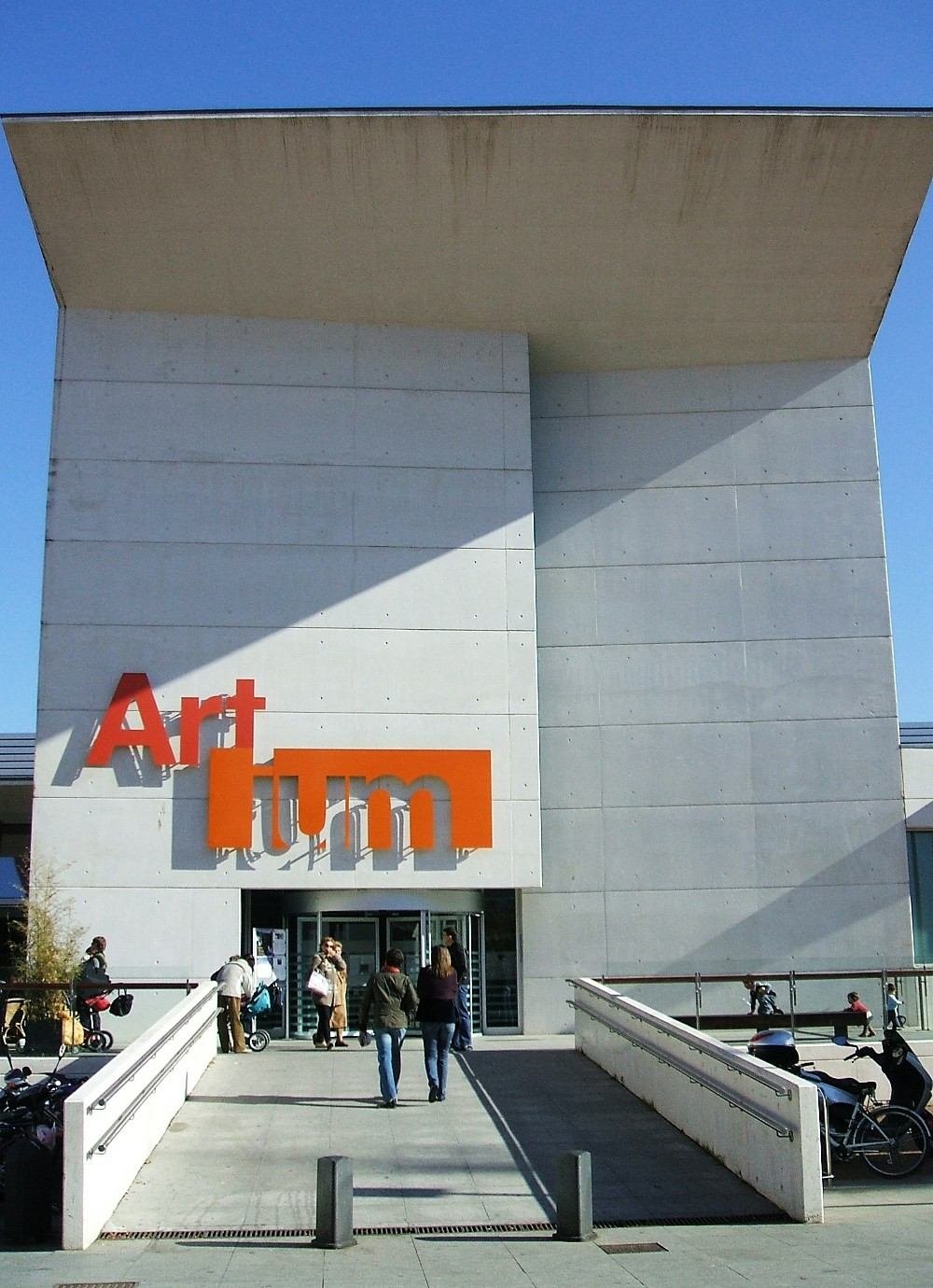
- Vitoria-Gasteiz Old Town: Medieval streets, the Cathedral of Santa María, Artium Museum
- House of Cordón, Diocesan Museum of Sacred Art, Lantern Museum: Further insights into the religious and artistic traditions of Álava (WhichMuseum)
- Nature walks: Forests and meadows around the sanctuary are ideal for gentle hikes and birdwatching
Frequently Asked Questions (FAQ)
Q: What are the visiting hours?
A: Generally open daily from 10:00 AM to 6:00 PM, but hours may change during special events. Always check the official website for updates.
Q: Is there an entrance fee?
A: No, general admission is free. Guided tours or events may require tickets.
Q: Are guided tours available?
A: Yes, especially in summer and for groups. Booking in advance is recommended.
Q: Is the sanctuary accessible for visitors with disabilities?
A: Largely accessible, but some uneven ground and steps may require assistance.
Q: How do I get there if I don’t have a car?
A: Public transport is limited; cycling or taxi from Vitoria-Gasteiz are alternatives. Most visitors drive.
Q: Is photography allowed?
A: Yes, except during religious services and near sacred images (no flash).
Plan Your Visit: Tips and Recommendations
- Best visiting seasons: Spring and autumn for pleasant weather and beautiful landscapes
- Dress code: Modest attire is advised, especially during religious ceremonies
- Language: Spanish is primary; some information available in Basque and English
- Souvenirs: Unique items are available in the sanctuary gift shop
- Respect: Maintain silence and decorum inside the sanctuary
For a richer experience, use the Audiala app for guided audio tours, maps, and insider tips. Stay updated by following the sanctuary and local tourism boards on social media.
Listen to the full story in the app
The whole Sanctuary Of Nuestra Señora De Estíbaliz,
told well.
Listen to sourced travel stories with local history and practical context — ready offline.
Verified, and shown.
Researched and written by the Audiala editorial team from historical records, architectural archives, and local expertise.
Built from cited sources · see the method · How we make our guides →