Origins and Founding Vision
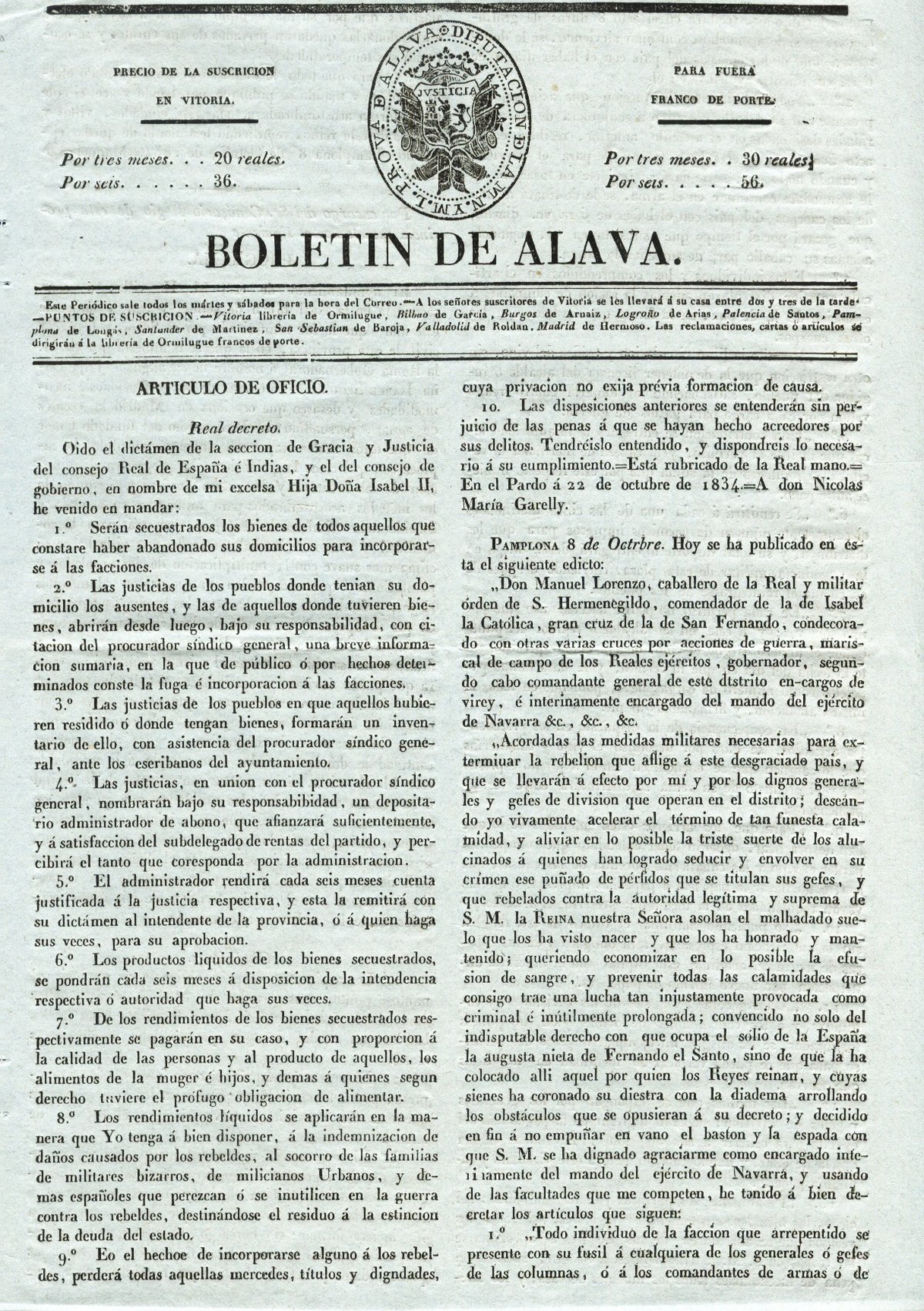
The Foundation was established in 1955 by the Caja de Ahorros Municipal de la Ciudad de Vitoria as the “Institución Sancho el Sabio.” Its founding purpose was to serve as a repository for Basque cultural documentation. Early collections were significantly enriched by the bequest of bibliophile Antonio Odriozola’s library (Wikiwand; CERL).
Institutional Growth and Modernization
- 1964 The establishment of the Centro de Estudios e Investigación led to the creation of the Biblioteca Vasca, further strengthening its research focus.
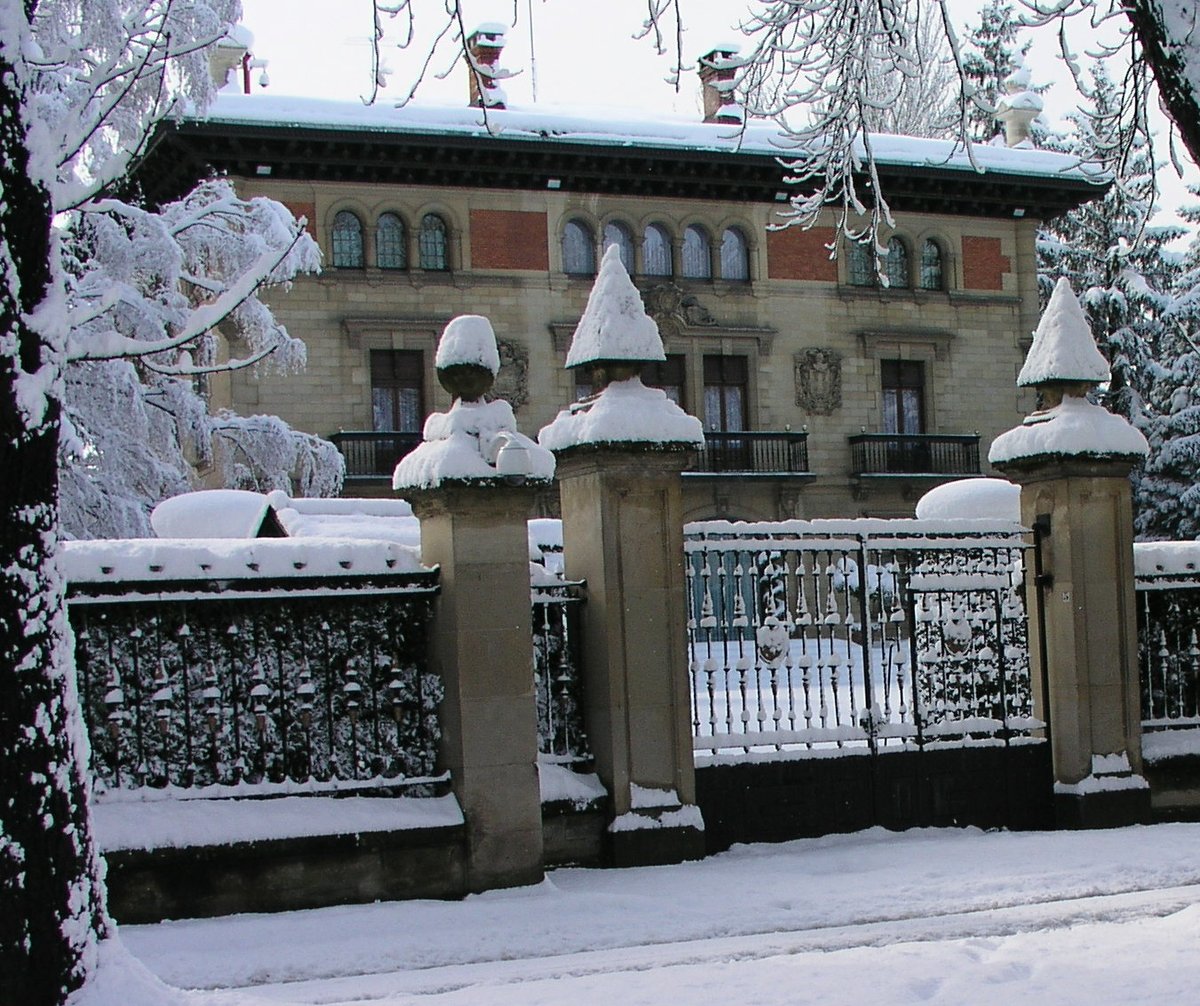
- 1989–1991 The Foundation gained legal status and relocated to the historic Palacio Zulueta, reflecting its expanding prominence.
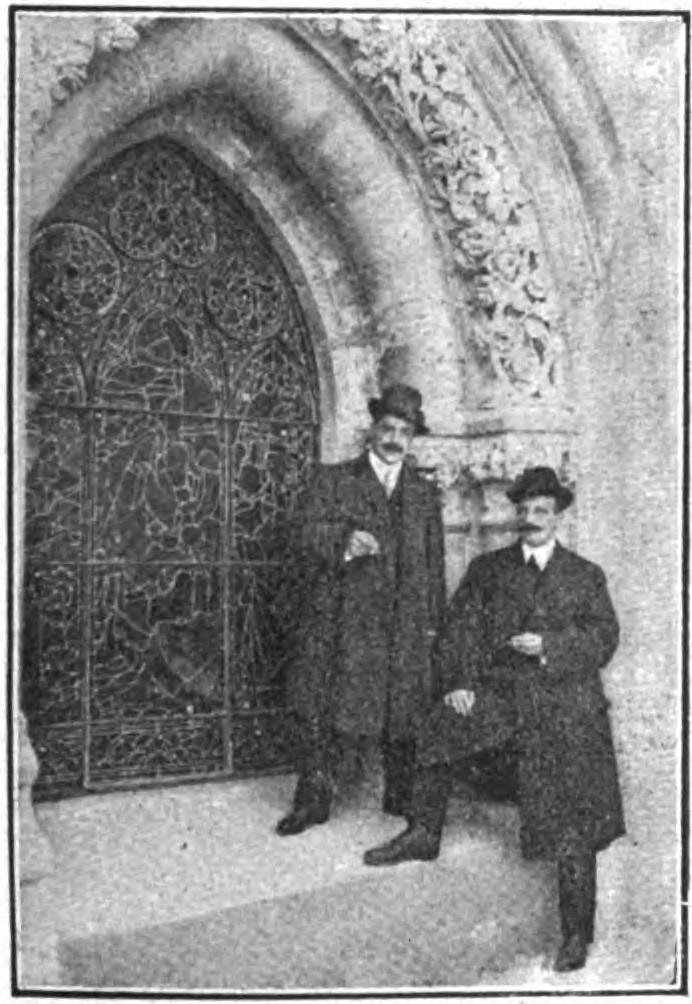
- 2009 A major transformation occurred with the move to Portal de Betoño 23. The new headquarters—formerly a convent—were redesigned by architects Roberto Ercilla and César San Millán, showcasing neogothic features harmonized with modern research infrastructure. This era also marked the launch of the “Memoria Digital Vasca” platform, significantly increasing digital accessibility (Designboom).
Chronological and Thematic Breadth
The Foundation’s collections span from the 14th century to the present, covering topics such as Basque history, linguistics, genealogy, ethnography, religion, and gastronomy. Holdings include over 300,000 bibliographic items, archival documents, photographs, and unique ephemera (Wikiwand; Euskadi.eus).
Geographic Range
The Foundation documents the Basque Autonomous Community, Navarre, the French Basque Country, and areas between the Ebro and Garonne rivers.
Digital Access
The “Memoria Digital Vasca” platform offers open access to over 150,000 digitized items, making Basque heritage accessible worldwide (Euskal Memoria Digitala).
Architectural Heritage
The building’s adaptive reuse preserves its neogothic past while introducing contemporary research and exhibition spaces. The integration of original elements with glass and steel creates a unique environment for exploring Basque culture (Designboom).
Visitor Information
Location and Getting There
- Address Portal de Betoño, 23, 01013 Vitoria-Gasteiz, Spain (Google Maps)
- Access Easily reachable by city bus, taxi, or car. Parking is available nearby.
Visiting Hours
- October–April
Monday to Thursday: 9:30–13:30 & 15:00–18:00
Friday: 8:00–15:00 - May–October (Summer)
Monday to Friday: 8:00–15:00
Closed August 1–17 for holidays - Exhibition Hours
Tuesday to Friday: 10:00–14:00 & 16:00–19:00
Saturday: 10:00–14:00
Closed Sundays and Mondays
Booking in advance is recommended for research consultations or tours (source).
Tickets and Admission
- General Admission Free
- Guided Tours Available by appointment; some workshops or events may require registration or a fee (activities page)
Accessibility
- Step-free main entrance, elevators, and accessible restrooms
- Wheelchair-friendly spaces
- Multilingual staff and information materials in Basque, Spanish, and English
- Recognized with Vitoria-Gasteiz’s Accessibility Seal and Q for Tourism Quality (tourist office)
Visitor Services
- Information desk
- Spacious reading and consultation rooms
- Free Wi-Fi
- Digital access points for online resources
Exhibitions and Experiences
- Permanent and Temporary Exhibitions Thematic displays of rare manuscripts, photographs, playing cards, and printed works (e.g., “Impreso en Vitoria-Gasteizen Inprimatua (1722-1958)”) (Gasteiz Hoy)
- Interactive Workshops For families, schools, and researchers
- Public Events Lectures, panel discussions, and cultural seminars
- Photographic Opportunities Notable architecture, exhibition spaces, and historic printing equipment
Community Engagement and Events
- Conferences and Seminars "Ikerlariak" and "Arabari buruz" series
- Educational Programs For all ages and backgrounds
- Podcasts and Online Content "El Podcast de Sancho el Sabio" on YouTube, Spotify, and Ivoox (Podcast)
Travel Tips and Nearby Attractions
- Best Times Weekday mornings are quietest; avoid early August due to summer closure
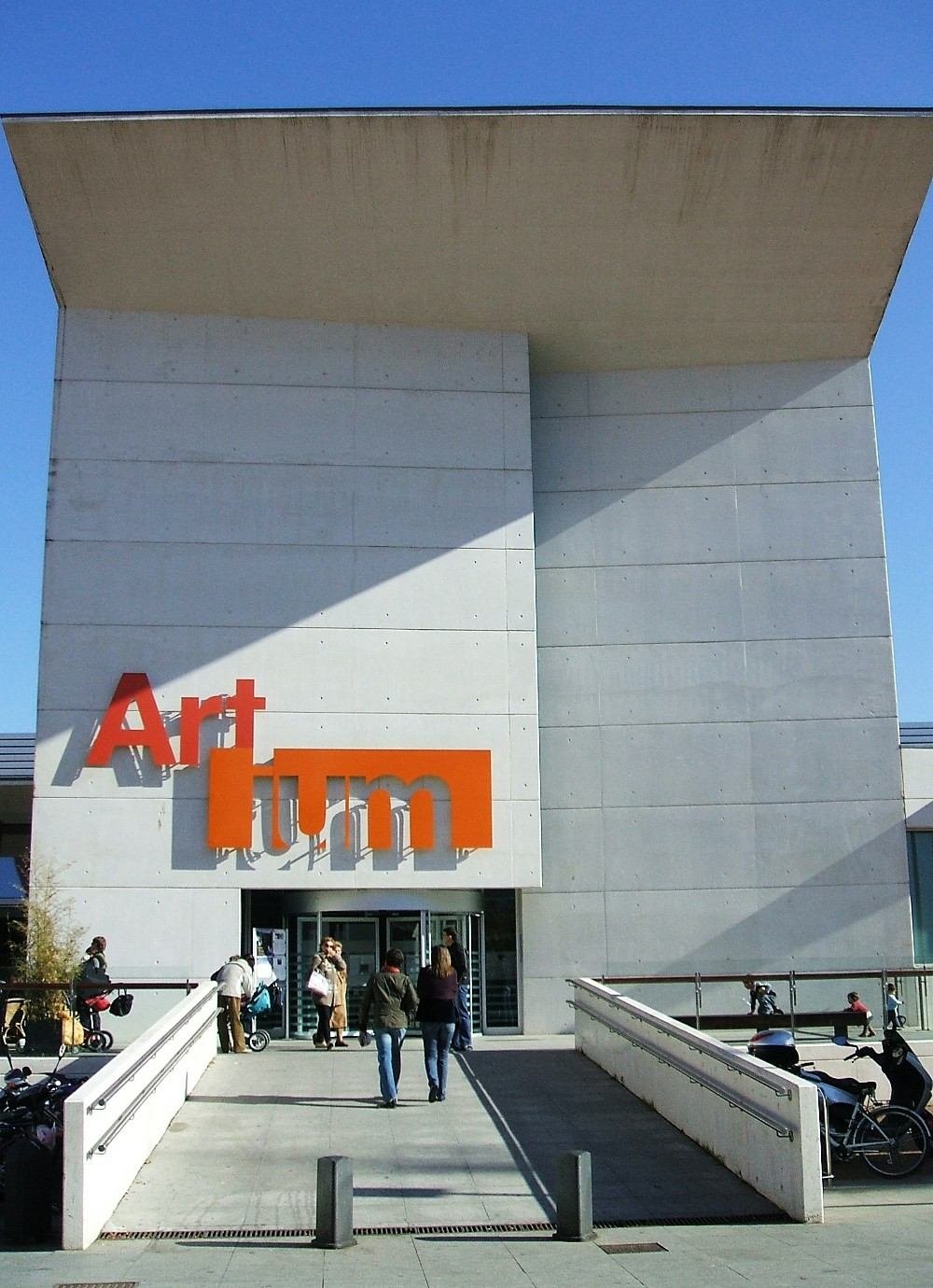
- Nearby Sites Medieval Old Town, Santa María Cathedral, Artium Museum, Museum of Fine Arts (Tourist Office)
- Accommodations Options include Hotel NH Canciller Ayala and Hotel Jardines de Uleta Suites
Frequently Asked Questions (FAQ)
Q: What are the Foundation’s visiting hours?
A: See “Visiting Hours” section above for seasonal schedules.
Q: Is admission free?
A: Yes, general entry is free; some events may require a ticket.
Q: Are guided tours available?
A: Yes, by appointment.
Q: Is the building accessible?
A: Yes, fully wheelchair accessible, with staff assistance available.
Q: Can I take photographs?
A: Allowed in most areas; check with staff for restrictions.
Q: How do I book a tour or research visit?
A: Contact the Foundation by phone (+34 945 253932) or email ([email protected]).
Summary and Visitor Tips
The Sancho El Sabio Foundation is a vital institution for preserving and promoting Basque heritage. With free admission, accessible facilities, and a broad program of exhibitions, workshops, and digital resources, it is an invaluable destination for anyone interested in the history and culture of the Basque Country. Enhance your experience by booking guided tours, consulting digital archives, and exploring nearby historical attractions in Vitoria-Gasteiz. Stay informed through the Foundation’s website and social media, and consider using the Audiala app for audio guides and interactive content (Euskal Memoria Digitala; Sancho el Sabio Foundation official site; Wikiwand).