Plan and listen to Salburua with Audiala.
Audio guide in your pocket, itinerary in your browser. Built for the way you actually visit.
Introduction
Have you ever wondered about the hidden natural treasures in Spain? Nestled on the eastern outskirts of Vitoria-Gasteiz in the Basque Country, the Salburua wetlands and the Ataria Interpretation Centre offer a unique blend of historical significance, ecological value, and visitor engagement. This comprehensive guide will delve into the history and importance of the Salburua wetlands, the establishment of Ataria, and everything you need to know about visiting this fascinating site, including opening hours, ticket information, and nearby attractions. The Salburua wetlands, recognized as a Ramsar Wetland of International Importance since 1994, are a testament to the region's commitment to environmental conservation (Vitoria-Gasteiz City Hall). To promote the appreciation of this ecological gem, the Ataria Interpretation Centre was inaugurated in July 2009, offering an educational and recreational hub for visitors (Wikipedia).

Historical Background of the Salburua Wetlands
The Salburua wetlands boast a rich history dating back centuries. Initially a natural wetland habitat, the area underwent significant transformations in the 19th century when it was drained for agricultural purposes. However, by the late 20th century, the ecological significance of wetlands was acknowledged, prompting restoration efforts in the early 1990s. By 1994, the wetlands were designated a Ramsar Wetland of International Importance (Vitoria-Gasteiz City Hall).
Establishment of Ataria Interpretation Centre
To promote the appreciation of the Salburua wetlands, the Ataria Interpretation Centre was inaugurated in July 2009. Constructed over three years at a cost of just under €7 million, Ataria is an architectural marvel seamlessly integrated into its surroundings (Wikipedia).
Ecological Significance
The Salburua wetlands are recognized as a Class 1 Habitat of European Community Interest. According to a Fedenatur report for the European Commission in 2004, the Salburua marshes are regarded as one of the most significant wetland habitats in Europe.
Visiting Ataria - Hours, Tickets, and More
Visiting Hours
Ataria is open year-round, with specific visiting hours varying by season:
- Winter (November to February): 10:00 AM - 6:00 PM
- Spring and Fall (March to May and September to October): 10:00 AM - 7:00 PM
- Summer (June to August): 10:00 AM - 8:00 PM
Ticket Information
Admission to Ataria is free, making it an accessible attraction for all visitors. However, certain special events and guided tours may have associated costs.
Travel Tips
- Getting There: Ataria is easily accessible by public transport, car, or even by bike. There is ample parking available for visitors who choose to drive.
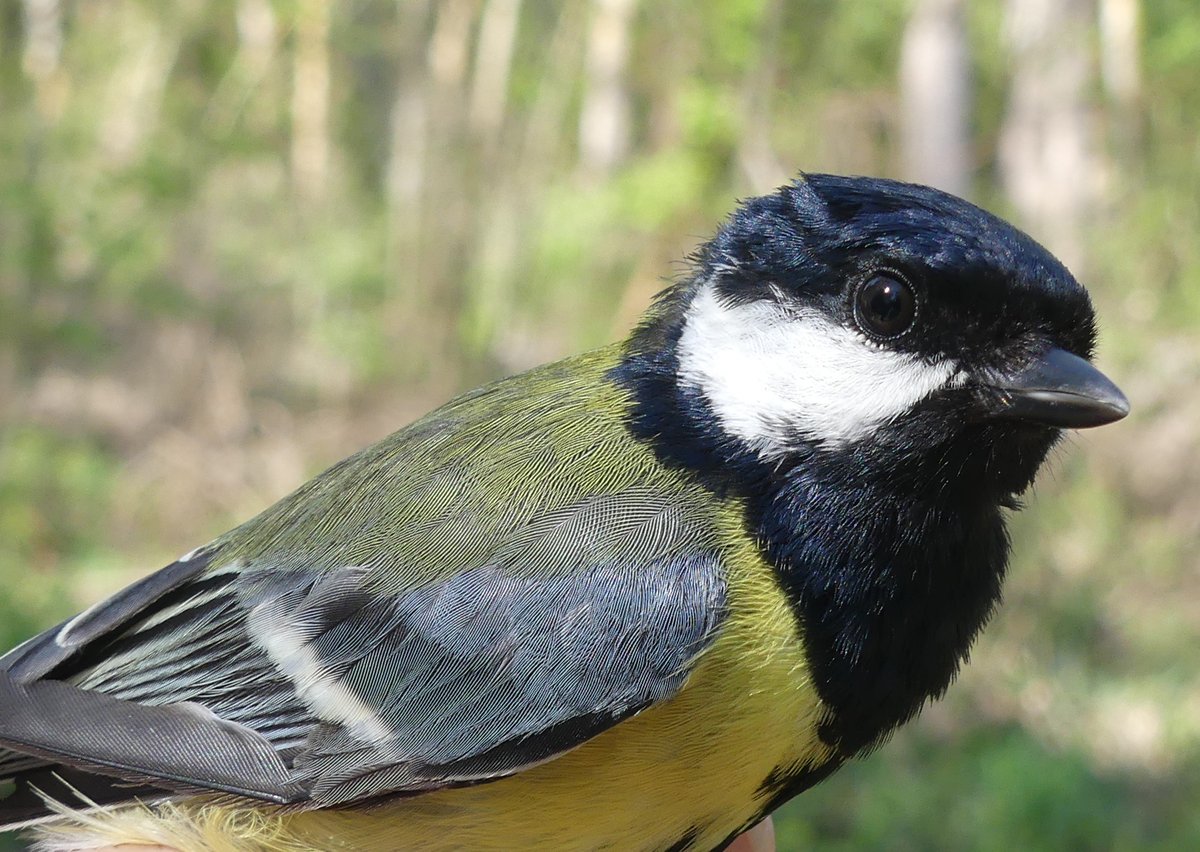
- What to Bring: Comfortable walking shoes, a camera for capturing the scenic beauty, and binoculars for bird watching.
Nearby Attractions
While visiting Ataria, consider exploring these nearby attractions:
- Green Belt: A network of parks and green spaces surrounding Vitoria-Gasteiz, perfect for hiking and cycling.
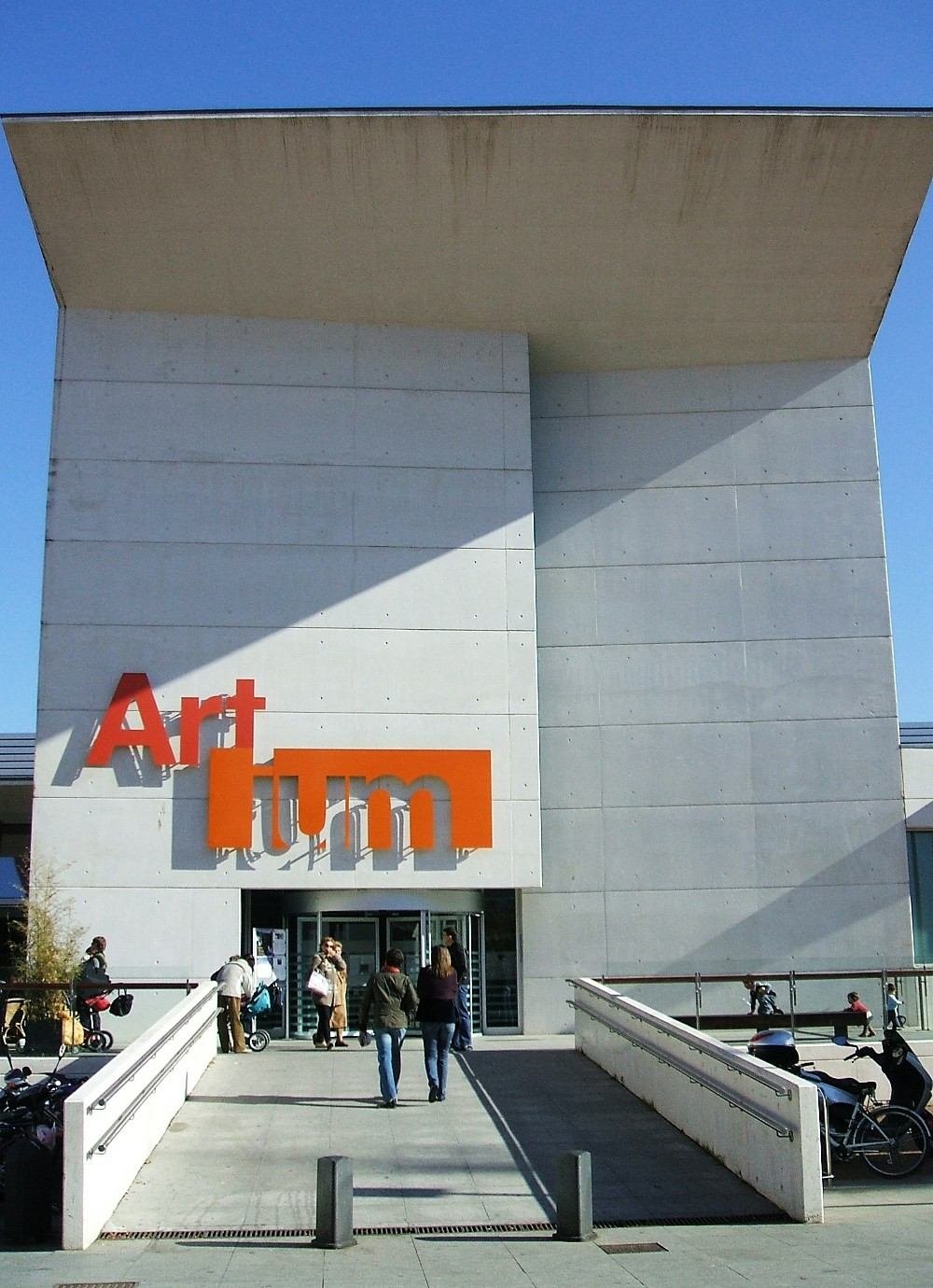
- Artium Museum: A contemporary art museum located in the city center (Artium Museum).
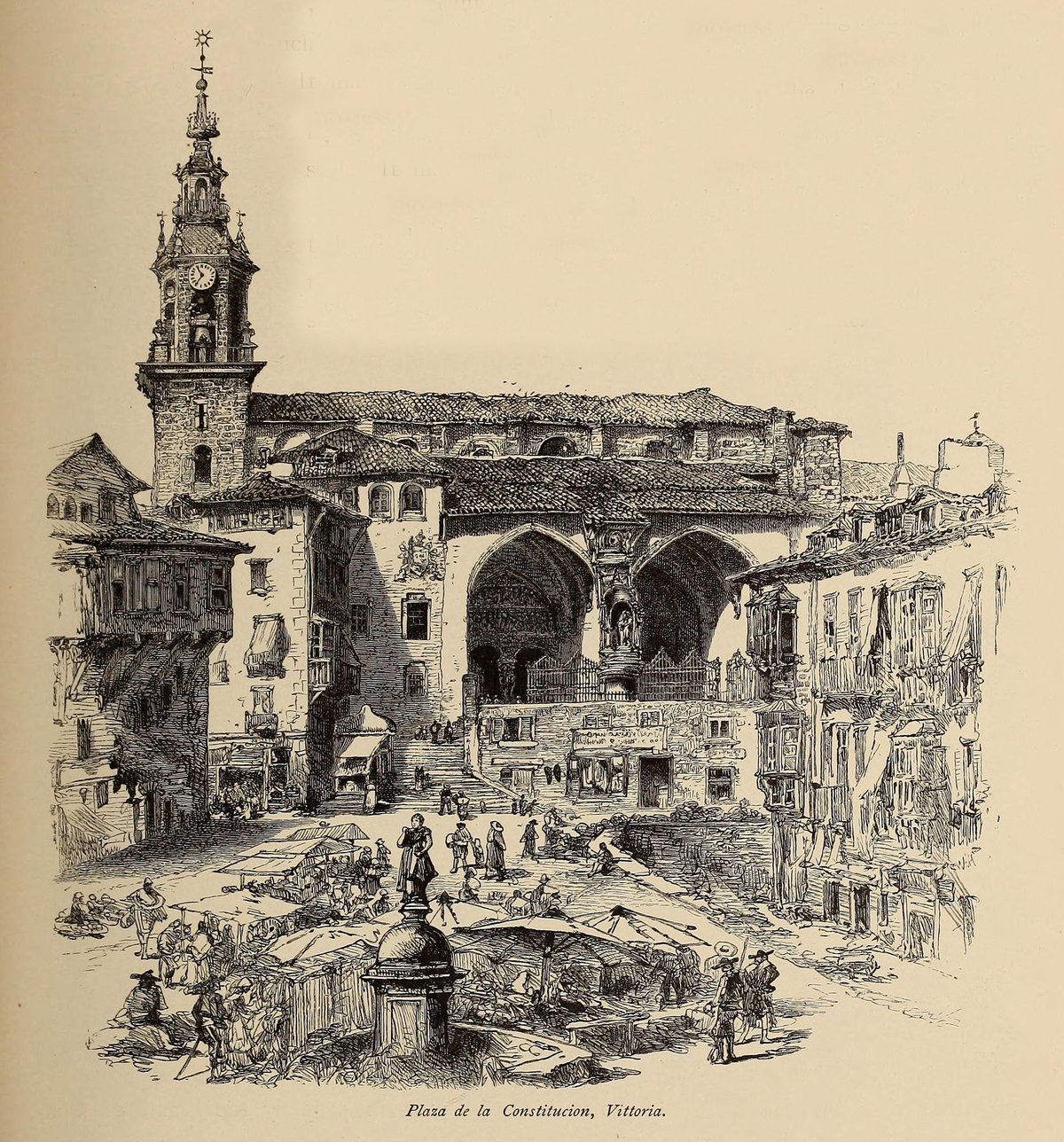
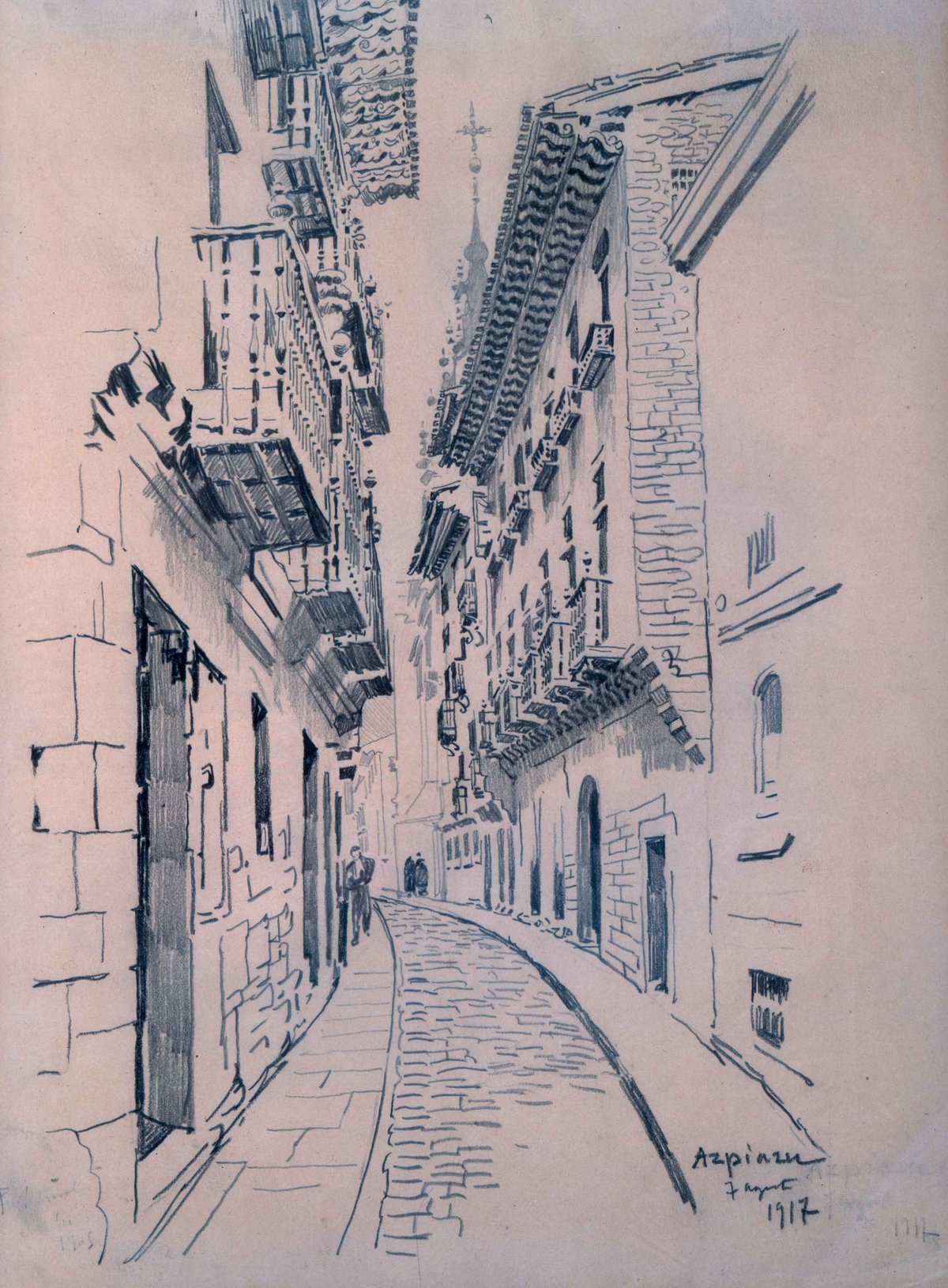
- Old Town of Vitoria-Gasteiz: Explore the medieval streets and historical landmarks.
Accessibility
Ataria is designed to be accessible to all visitors, including those with disabilities. The site features wheelchair-accessible paths, restrooms, and viewing platforms.
Unique Aspects of Ataria
- Special Events: Ataria hosts various events throughout the year, including wildlife observation days and educational workshops.
- Guided Tours: Available by prior booking, offering in-depth insights into the wetlands' ecology and history.
- Photographic Spots: Scenic viewpoints perfect for photography enthusiasts.
FAQ
Q: What are the visiting hours for Ataria? A: Ataria's visiting hours vary by season, ranging from 10:00 AM to 6:00 PM in winter to 10:00 AM to 8:00 PM in summer.
Q: Is there an admission fee for Ataria? A: Admission to Ataria is free, though some special events and guided tours may have associated costs.
Q: Are there any nearby attractions worth visiting? A: Yes, consider visiting the Green Belt, Artium Museum, and the Old Town of Vitoria-Gasteiz.
Listen to the full story in the app
The whole Salburua,
told well.
Listen to sourced travel stories with local history and practical context — ready offline.
Verified, and shown.
Researched and written by the Audiala editorial team from historical records, architectural archives, and local expertise.
Ramsar Wetland of International Importance
Ataria
Things to do in Vitoria-Gasteiz
Things to do in Vitoria-Gasteiz
Gorbea Natural Park
Santa Maria Cathedral
Artium Museum
Iruña-Veleia Archaeological Site
Rioja Alavesa Wine Region
Built from cited sources · see the method · How we make our guides →