Plan and listen to Parliament Of The Basque Autonomous Community with Audiala.
Audio guide in your pocket, itinerary in your browser. Built for the way you actually visit.
Introduction
The Parliament of the Basque Autonomous Community, situated in Vitoria-Gasteiz, is a prominent emblem of Basque self-governance, cultural identity, and democratic values. As the legislative center of the Basque Country, it encapsulates centuries of historical development, from medieval privileges to modern autonomy. This comprehensive guide offers visitors essential information on the Parliament’s history, its political and cultural significance, visiting hours, ticketing, accessibility, and nearby attractions, ensuring a rewarding and insightful experience in one of Spain’s most distinguished autonomous communities (ByArcadia; Wikipedia; The Olive Press).
Historical and Political Significance
Origins of Basque Autonomy
The Basque Country’s history of self-governance traces back to the medieval “fueros,” which granted the region special economic rights and a level of autonomy not found elsewhere in Spain. Despite centralizing efforts by the Spanish government over the centuries, Basques maintained a distinct identity and political tradition, culminating in the formation of the Basque Nationalist Party (PNV) in 1895 (ByArcadia).
Statute of Autonomy and Modern Parliament
With Spain’s return to democracy in the late 1970s, the 1979 Statute of Autonomy (Statute of Gernika) established the Basque Parliament as a unicameral body with wide-ranging legislative powers. This statute not only guaranteed the Basque Country’s right to self-government but also granted it control over tax collection—a unique arrangement within Spain (Wikipedia).
Political Evolution
Since the first regional elections in 1980, the Parliament has played a central role in balancing nationalist aspirations, dialogue, and pluralism. The institution weathered periods of political tension and violence, particularly relating to ETA, and has since become a symbol of peaceful democratic governance (ByArcadia).
Contemporary Role and Cultural Identity
Today, the Parliament not only legislates on critical areas such as education, health, and economic development but also actively promotes Basque language (Euskera) and traditions. Its ability to form coalition governments among diverse parties underscores the pluralistic nature of Basque democracy (The Olive Press; Open Democracy).
The Parliament Building: Architecture and Symbolism
Location and Historical Context
Located centrally at Calle Becerro de Bengoa, 01005 Vitoria-Gasteiz, the Parliament is within walking distance of the city’s medieval old town and key landmarks like Plaza de la Virgen Blanca and the Cathedral of Santa María. Since 1982, it has occupied a renovated neoclassical building that previously served as a high school, blending historical architecture with modern functionality (Wikipedia - Basque Parliament; Everything Explained Today; Vitoria-Gasteiz Official Tourism).
Design and Artistic Features
The Parliament’s architecture embodies transparency and openness, featuring natural light-filled chambers and public galleries. A standout feature is the oaken tree sculpture by Nestor Basterretxea, inspired by the Tree of Gernika, which symbolizes Basque freedoms and democratic values (Everything Explained Today).
Urban and Environmental Integration
The Parliament is set within Vitoria-Gasteiz’s acclaimed green urban environment. The city is recognized as a European Green Capital for its sustainable planning and environmental stewardship, making the area around the Parliament inviting and accessible for pedestrians and cyclists (Vitoria-Gasteiz Official Tourism; Artchitectours).
Visiting the Basque Parliament: Hours, Tickets, and Tours
Visiting Hours
- General Hours: Monday to Friday, 9:00 AM to 6:00 PM.
- Guided Tours: Typically available on weekdays at 10:00 AM and 4:00 PM. Tours are not held during parliamentary sessions or special events. Always verify hours in advance on the official Parliament website or through the tourist office (Tourism Euskadi).
Tickets and Reservations
- Admission: Free for all visitors.
- Booking: Advance reservation is required for all guided tours due to limited group sizes (10–25 people). Bookings can be made via the official Parliament website or at the Vitoria-Gasteiz Tourist Office.
Tour Experience
- Duration: Tours typically last 45–60 minutes.
- Languages: Offered in Basque and Spanish; English tours may be available on request.
- Highlights: The Plenary Hall, committee rooms, symbolic artworks, and exhibits on Basque political history.
- Etiquette: Dress respectfully, maintain silence in session areas, and follow photography restrictions as instructed by guides.
Security and Accessibility
- Security: Expect airport-style screening and ID checks. Large bags and prohibited items are not allowed.
- Accessibility: The Parliament is fully accessible with step-free entrances, elevators, and adapted restrooms. Special assistance can be arranged for visitors with disabilities (Vitoria-Gasteiz City Hall).
Getting There
- Public Transport: Tram lines T1 and T2, and several city bus routes, stop near the Parliament. The train station is about a 15-minute walk away (nomads-travel-guide.com).
- By Car: Paid parking is available at Parking Santa Bárbara and Parking Dendaraba.
- Cycling: Vitoria-Gasteiz’s extensive cycling network and secure bike parking make cycling a convenient option (tourism.euskadi.eus).
Nearby Attractions and Cultural Experiences
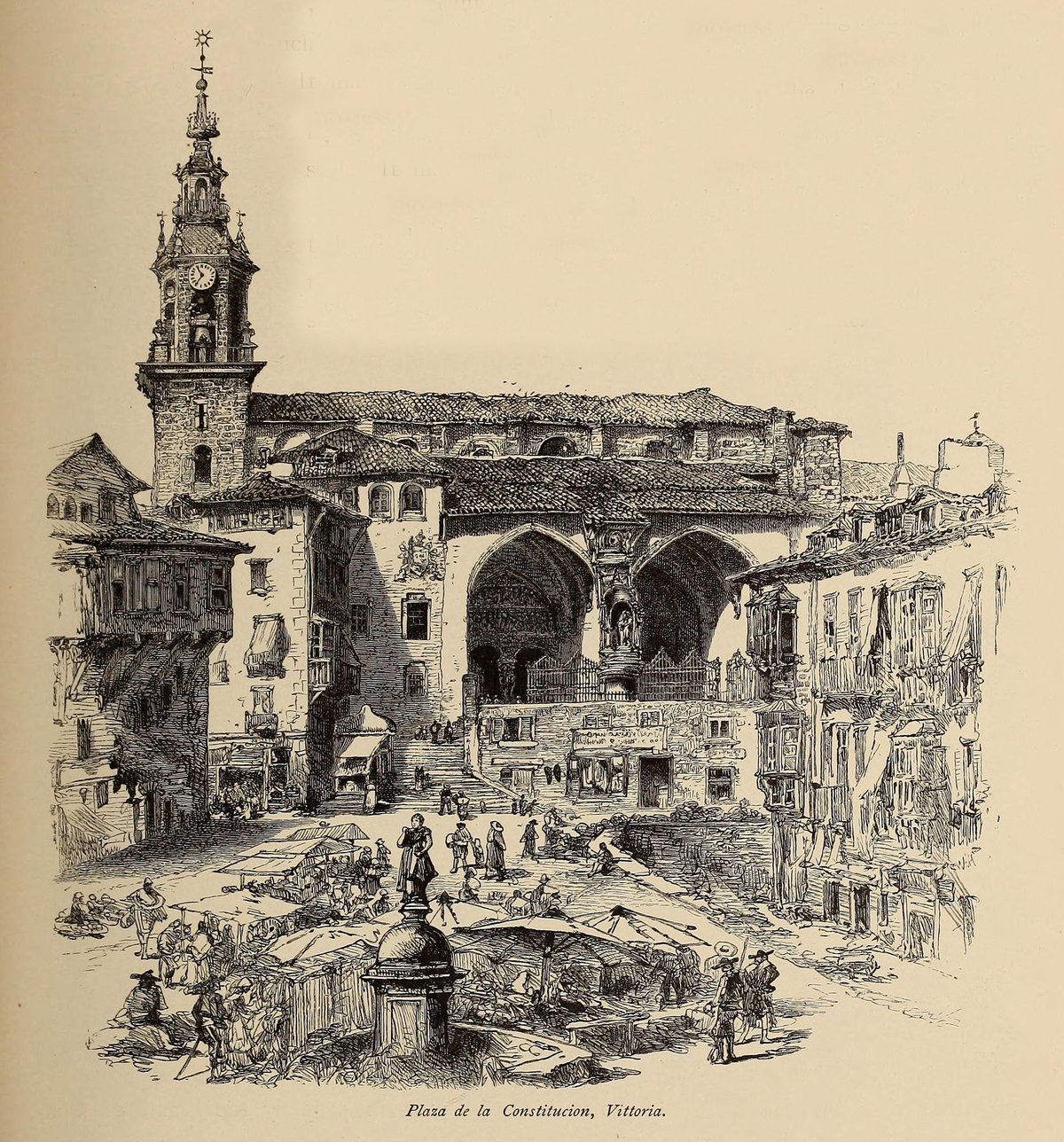
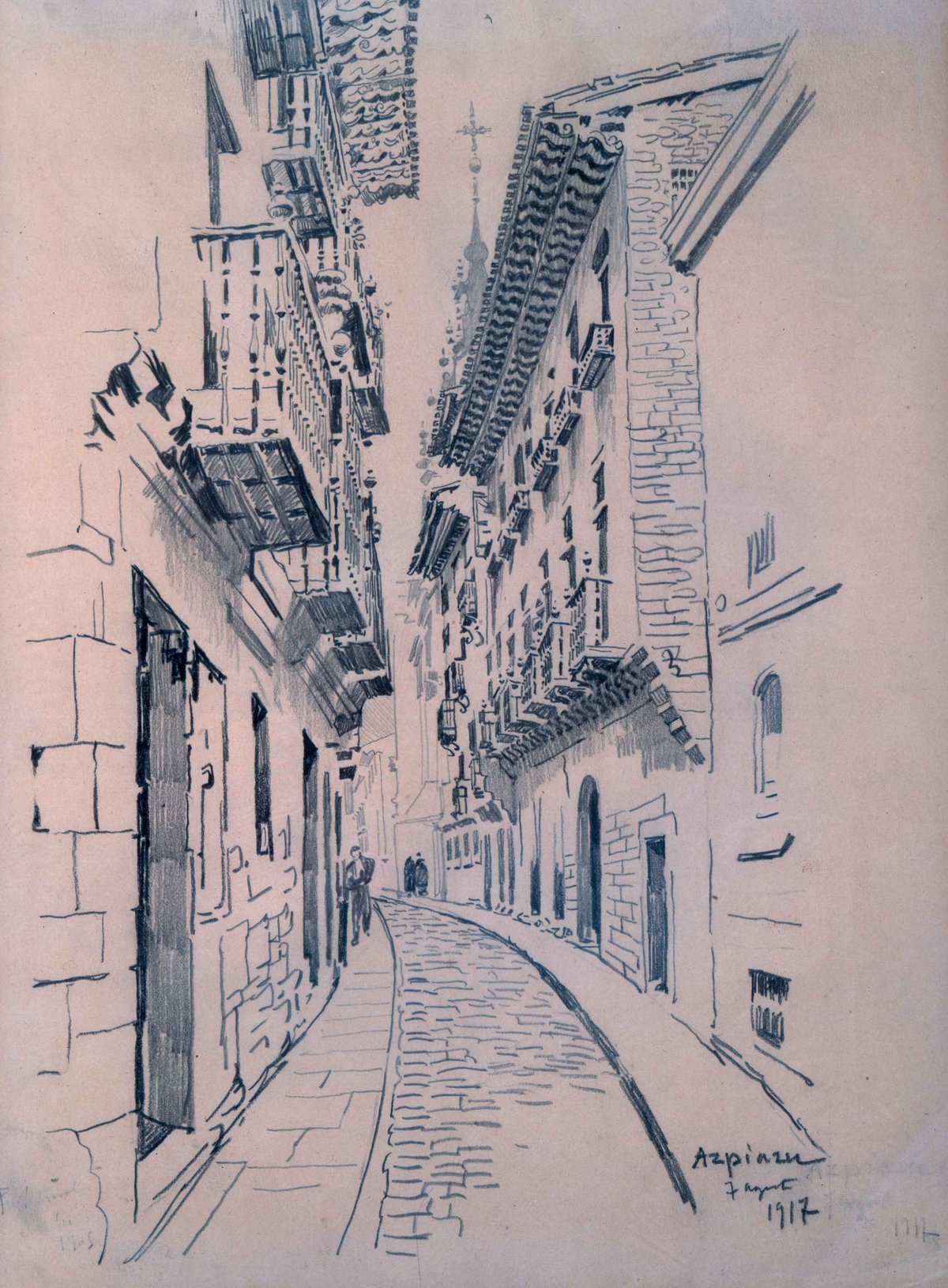
- Historical Sites: Explore the medieval old quarter, Plaza de la Virgen Blanca, and the Cathedral of Santa María (Wikipedia - Vitoria-Gasteiz).
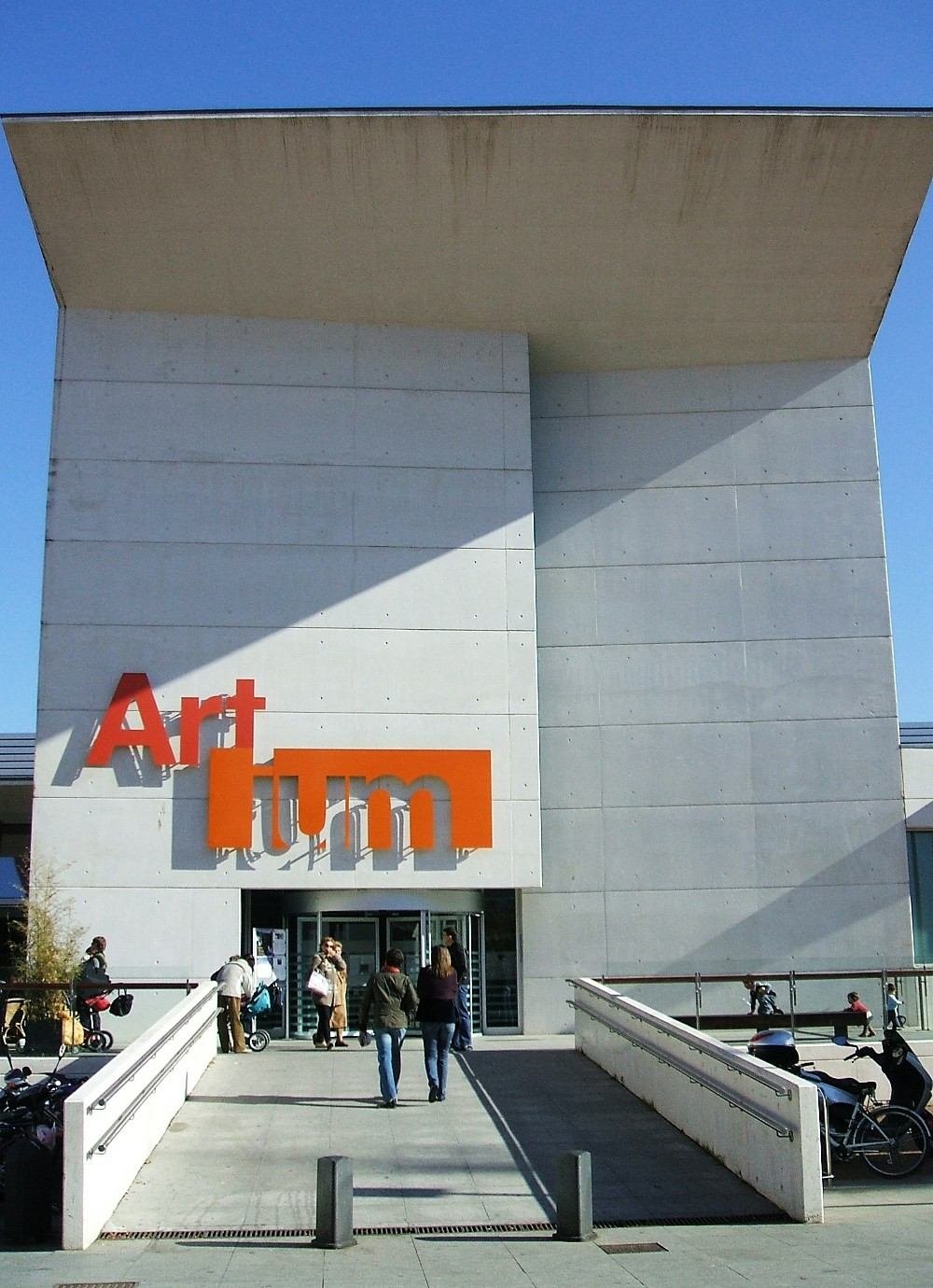
- Museums and Parks: Visit the Basque Museum of Contemporary Art (Artium), city parks, and the Salburua Wetlands for a blend of culture and nature (Spain.info - Vitoria-Gasteiz).
- Local Customs: Engage with Basque culture by trying pintxos, attending festivals, and learning basic Euskera phrases such as “Kaixo” (Hello) and “Eskerrik asko” (Thank you) (audiala.com).
Accessibility and Sustainability
Vitoria-Gasteiz is celebrated for its inclusivity and sustainable urban development:
- Accessibility: All public spaces, including the Parliament, are accessible for people with disabilities. Services include tactile paving, sign language interpretation, and accessible tourism materials.
- Sustainability: The city’s green belt, pedestrian zones, and eco-friendly public transport exemplify its commitment to environmental stewardship.
Frequently Asked Questions (FAQ)
What are the Parliament’s visiting hours?
Open Monday to Friday, 9:00 AM–6:00 PM. Guided tours are usually at 10:00 AM and 4:00 PM; check ahead for changes.
Are tickets required?
Yes, but they are free. Advance booking is mandatory for guided tours.
Is the building accessible?
Yes. Full accessibility features and services are available.
Are English tours available?
Limited English tours are offered; request in advance.
Can I take photos inside?
Photography is generally allowed in public areas but may be restricted in session rooms—ask your guide for current policies.
What other sites are nearby?
The medieval quarter, Plaza de la Virgen Blanca, and the Cathedral of Santa María are all within walking distance.
Visitor Tips
- Book tours early, especially during peak seasons.
- Use public transport or cycle for easy access.
- Dress appropriately and respect cultural etiquette.
- Explore local bars, shops, and museums to enrich your visit.
- Download the Audiala app for guided tours, language tips, and current events.
Staying Updated
Stay informed about special events, exhibitions, and updated visiting protocols by checking the official Parliament website, the Vitoria-Gasteiz Tourist Office, and following official social media channels.
Listen to the full story in the app
The whole Parliament Of The Basque Autonomous Community,
told well.
Listen to sourced travel stories with local history and practical context — ready offline.

Verified, and shown.
Researched and written by the Audiala editorial team from historical records, architectural archives, and local expertise.
Built from cited sources · see the method · How we make our guides →