Plan and listen to Palacio De Montehermoso (Vitoria) with Audiala.
Audio guide in your pocket, itinerary in your browser. Built for the way you actually visit.
Introduction: History and Significance of Palacio de Montehermoso
Located in the historic heart of Vitoria-Gasteiz, the Palacio de Montehermoso is a unique blend of Renaissance elegance, layered architectural transformations, and dynamic contemporary culture. Originally conceived in the early 16th century as a noble residence for Ortuño Ibáñez de Aguirre, the palace displays a classic Renaissance square plan and a harmonious two-story cloister. Over time, it absorbed new aesthetic influences, including an 18th-century French neoclassical update and, most notably, a striking Neo-Gothic façade by Fausto Íñiguez de Betolaza in the 19th century. These changes reflect Vitoria-Gasteiz’s evolving tastes and the palace’s various roles—from noble residence, to royal lodging, to a barracks, and eventually, an episcopal seat (Vitruvio Arte; Wikipedia; Turismo Euskadi).
Today, the palace is home to Montehermoso Kulturunea, a thriving cultural center thoughtfully integrated with the adjacent Antiguo Depósito de Aguas. This union of Renaissance, Neo-Gothic, and industrial heritage creates a vibrant space for exhibitions, workshops, concerts, and community events (Arquitectura Viva; Noticias de Álava). This guide offers comprehensive information on visiting hours, tickets, accessibility, guided tours, and travel tips, alongside insights into the palace’s architecture, community role, and value as a platform for Basque artistic innovation (Vitoria-Gasteiz Official; Euskadi.eus).
Architectural Heritage: From Renaissance to Neo-Gothic
Renaissance Origins
Built in the early 1500s, the palace’s original design features a nearly square structure centered on a two-story cloister with elegant arched galleries, reflecting the sober grace of Basque Renaissance architecture (Vitruvio Arte; Wikipedia; Arquitectura Viva). The main entrance showcases balanced proportions and classical motifs, a hallmark of the period.
18th and 19th Century Transformations
The palace was reimagined in the 18th century with French neoclassical influences, earning its “hotelito francés” character and serving as a lodging for Spanish royalty (Vitruvio Arte). After being confiscated by the city in the 19th century, it experienced a dramatic shift—serving as artillery barracks and later as the Episcopal Palace. Architect Fausto Íñiguez de Betolaza’s Neo-Gothic façade, with its pointed arches and corner towers, defines the palace’s current appearance (Wikipedia; Turismo Euskadi).
Integration with the Antiguo Depósito de Aguas
In the 1990s, the palace’s cultural mission took shape. The restoration project linked Montehermoso with the adjacent 1895 Antiguo Depósito de Aguas via a modern underground passage. This vast former reservoir is now a dramatic exhibition hall, enhancing the site’s multidisciplinary cultural offerings (Arquitectura Viva; Wikipedia).
Interior Adaptations and Gardens
The palace’s interior preserves key historical elements while accommodating contemporary needs—flexible exhibition rooms, multipurpose event spaces, and accessible amenities. The restored gardens provide a tranquil setting for reflection and outdoor events, all within walking distance of the city’s medieval core (Arquitectura Viva; Vitoria-Gasteiz Official).
Practical Visitor Information
Visiting Hours
- Montehermoso Kulturunea: Tuesday to Sunday, 11:00 AM–2:00 PM and 5:00 PM–8:00 PM. Closed on Mondays and public holidays. Always check the official website for updates.
Tickets
- Admission: Free for all visitors, including main exhibitions and most public events.
Accessibility
- Access: Fully accessible with ramps, elevators, and adapted restrooms. Assistance available on request.
Guided Tours
- Guided Tours: Free on weekends and by appointment. Book via the Vitoria-Gasteiz tourism website or at the information desk.
Getting There
- Location: El Campillo neighborhood; short walk from city center and bus stops. Parking nearby.
Nearby Attractions
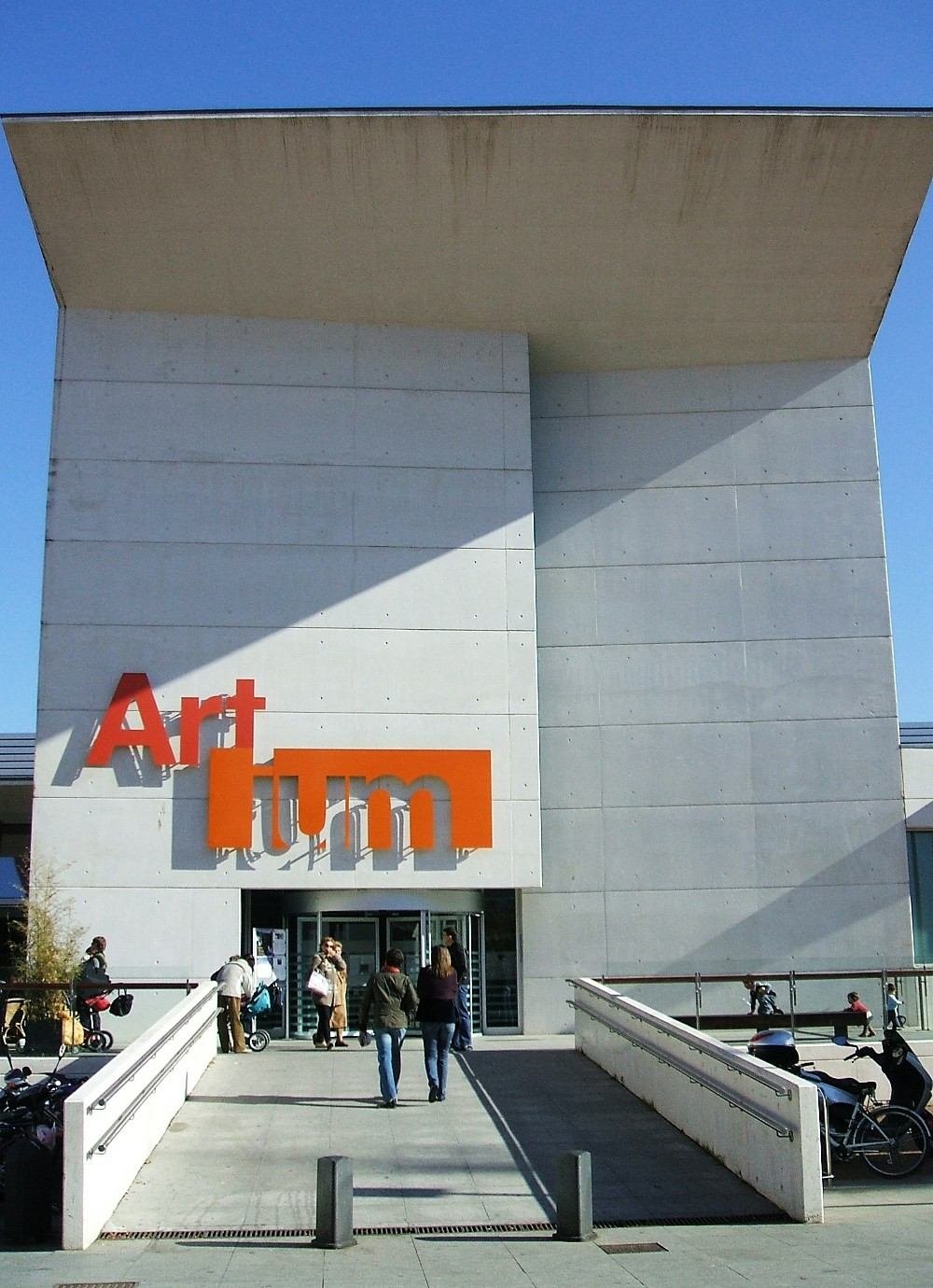
- Explore: Cathedral of Santa María, Plaza de la Virgen Blanca, medieval walls, Artium Museum, and mural routes.
Cultural Significance and Contemporary Role
Historic Setting Reimagined
Montehermoso’s transformation into a cultural center in 1997 marked a new era for the site, blending historical preservation with a focus on contemporary creation and community engagement (Noticias de Álava). Its adaptive reuse is a leading example of Vitoria-Gasteiz’s innovative cultural policy.
Platform for Artistic Innovation
The center champions Basque creativity through annual open calls, exhibitions, and production grants. In 2025, the program received a record 105 proposals, selecting four projects for exhibition and support in 2026 (Euskadi.eus; Vitoria-Gasteiz Blog).
- 2025-26 Highlights:
- ‘GRAMÁTICA M’ by Juan Pablo Ordúñez Martínez (Mawatres): Sculpture and installation on monuments and memory.
- ‘POR TODAS ESAS VECES’ by Jone Elorriaga Soto: Participatory art symbolizing resilience.
- ‘FRONTS’ by Karlos Martínez Bordoy: Sculptural interventions in architectural space.
- ‘THE BABY SCHOLAR’ by Ane Berganza Santamaría: Multichannel video exploring perception (Vitoria-Gasteiz Blog).
Fostering Dialogue and Social Engagement
Montehermoso’s programming fuels critical reflection, with exhibitions, concerts, talks, and workshops that connect art to society. Collaborative projects with universities and local organizations strengthen its participatory ethos (Noticias de Álava).
Championing Diversity and Innovation
Exhibitions span all disciplines, from visual arts and sculpture to performance and sound installations. In 2024, highlights included works by Nestor Basterretxea and Dorleta Ortiz de Elguea, alongside a robust calendar of concerts and collaborative events.
Community Impact and Accessibility
Montehermoso is the city’s most-visited free cultural institution, with over 88,000 visitors in 2023 (Noticias de Álava). Its inclusive approach includes free admission, educational outreach, and partnerships with schools and civic groups (Vitoria-Gasteiz Electronic Office).
Supporting New Creators
Annual open calls, academic partnerships, and production grants make Montehermoso a launchpad for emerging Basque talent.
Sustainable Cultural Development
Montehermoso exemplifies how heritage sites can drive sustainable, community-oriented cultural programming—balancing preservation and contemporary relevance.
Special Events and Workshops
- Exhibitions: Contemporary art, photography, and multimedia.
- World Press Photo Exhibition: October 16 – November 16, 2025 (World Press Photo).
- Workshops, Film Screenings, Performing Arts: Regularly scheduled for all ages and interests (Wanderlog).
Frequently Asked Questions (FAQ)
Q: What are the visiting hours?
A: Tuesday–Sunday, 11:00–14:00 and 17:00–20:00; closed Mondays and public holidays.
Q: Is admission free?
A: Yes, most exhibitions and events are free.
Q: Are guided tours available?
A: Yes, on weekends and by appointment during the week.
Q: Is the center accessible?
A: Fully accessible, with ramps and adapted facilities.
Q: How do I get there?
A: Centrally located in Vitoria-Gasteiz, reachable by foot, bus, or car.
Q: What’s nearby?
A: The Artium Museum, Plaza de la Virgen Blanca, Cathedral of Santa María, and city mural route (Packing Up The Pieces).
Visitor Experience and Recommendations
- Explore exhibitions and events for an authentic experience of Vitoria-Gasteiz’s creative pulse.
- Visit during weekdays for a quieter atmosphere.
- Check the official Montehermoso website or Audiala app for the latest updates.
Discover More
Plan your visit to Palacio de Montehermoso and experience the intersection of history, art, and community in Vitoria-Gasteiz. Download the Audiala app for updates on exhibitions, guided tours, and cultural events. Explore nearby historical sites and immerse yourself in the city’s vibrant Basque culture.
Listen to the full story in the app
The whole Palacio De Montehermoso (Vitoria),
told well.
Listen to sourced travel stories with local history and practical context — ready offline.

Verified, and shown.
Researched and written by the Audiala editorial team from historical records, architectural archives, and local expertise.
Built from cited sources · see the method · How we make our guides →