Plan and listen to Palacio De Los Maturana Verástegui with Audiala.
Audio guide in your pocket, itinerary in your browser. Built for the way you actually visit.
Introduction
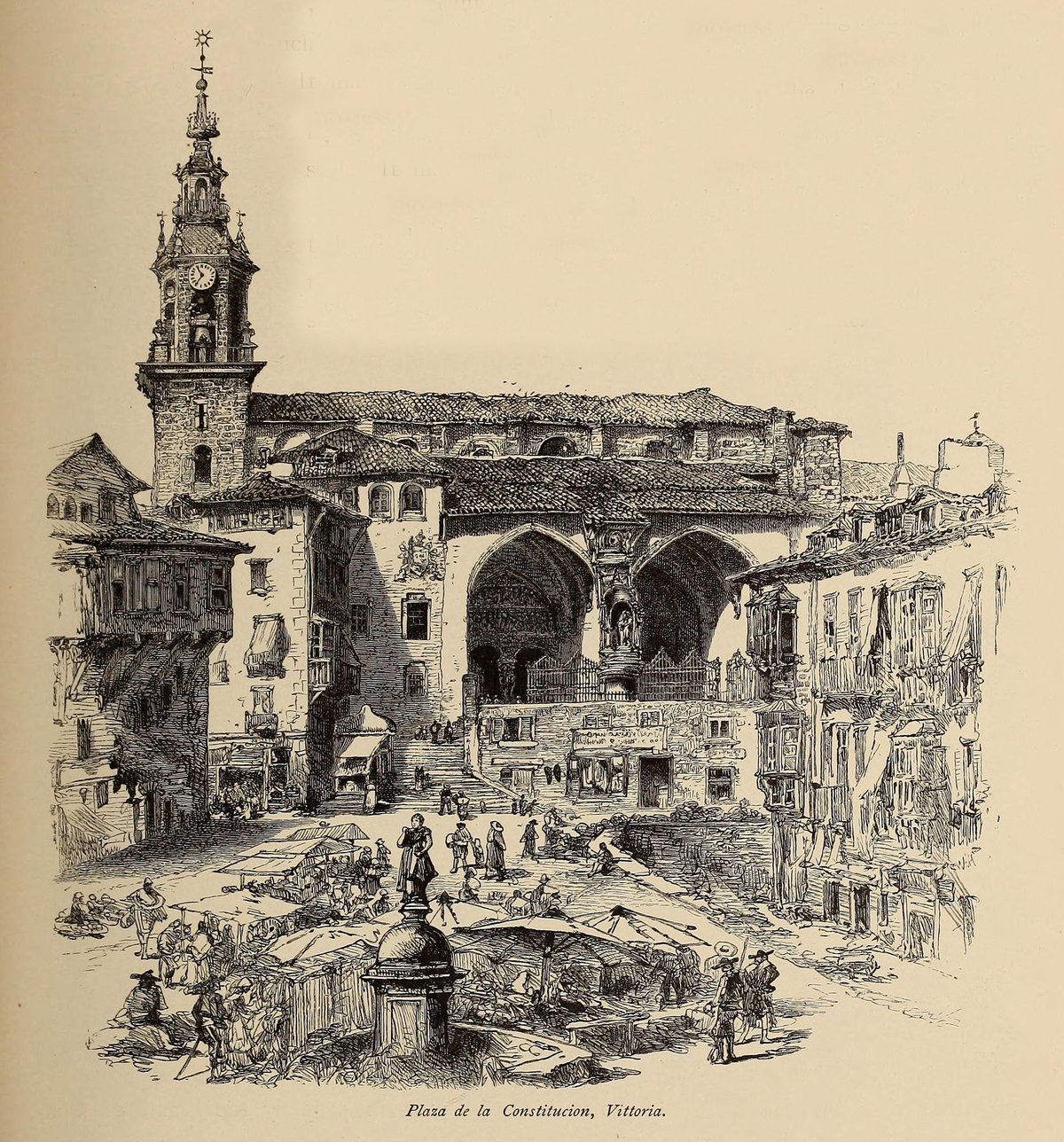
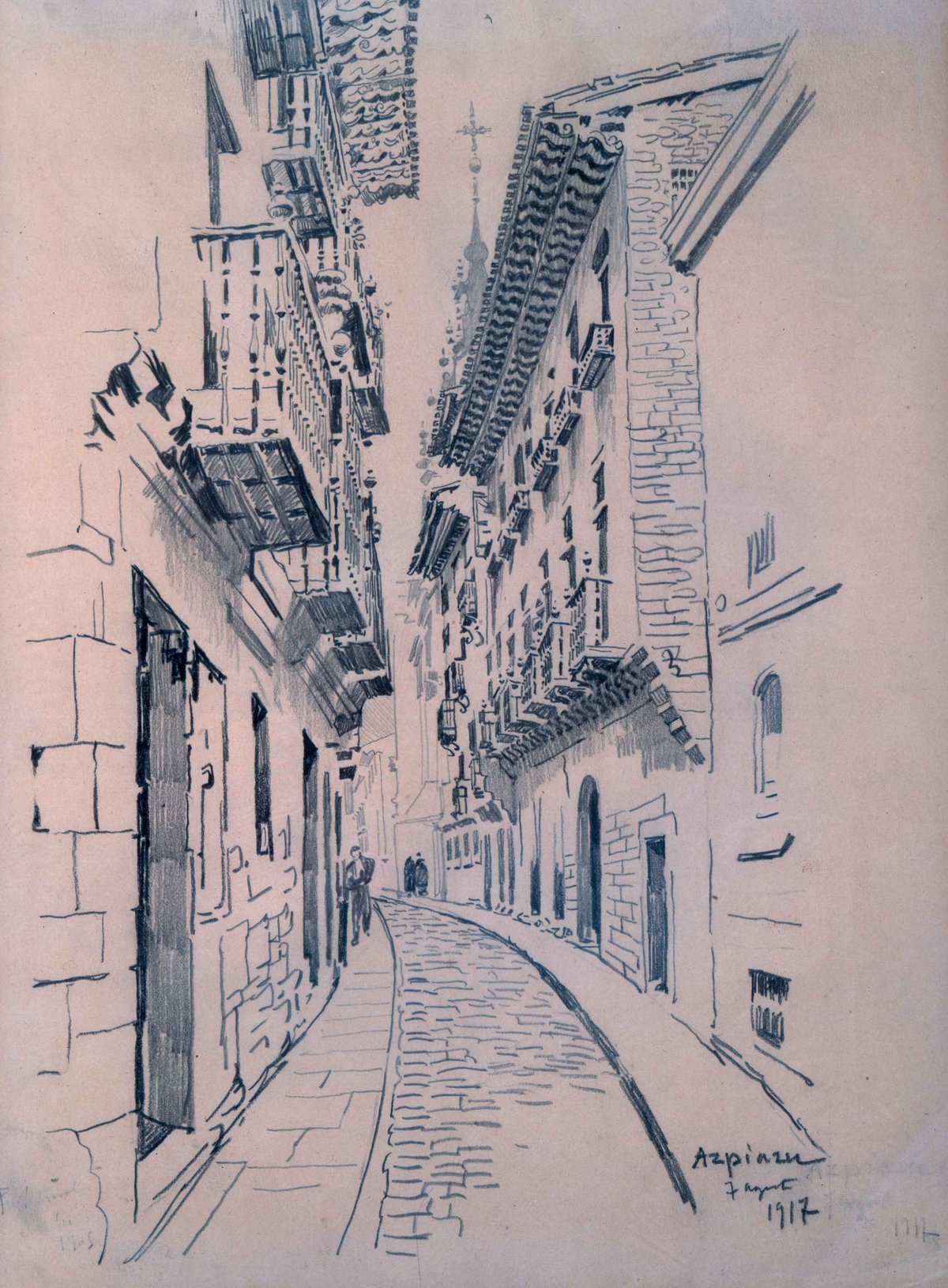
The Palacio de los Maturana Verástegui, situated in the historic Casco Medieval of Vitoria-Gasteiz, is a striking Renaissance palace that encapsulates the city’s layered history, architectural ingenuity, and evolving urban society. Built atop medieval foundations and expanded through the centuries, the palace now serves as both a testament to Vitoria-Gasteiz’s noble lineage and a vibrant cultural landmark. This comprehensive guide provides detailed information on the palace’s historical significance, architectural features, restoration initiatives, visiting hours, ticketing, accessibility, and practical travel tips for a memorable experience in the Basque Country.
Medieval Origins and Early Foundations
Archaeological investigations reveal that the site of the Palacio de los Maturana Verástegui was home to a forge and residential structures as early as the 13th century, reflecting Vitoria-Gasteiz’s industrial and domestic life during the reign of Alfonso X (Vitoria-Gasteiz City Hall). These original buildings were destroyed in a 15th-century fire, paving the way for the construction of the Renaissance palace.
Renaissance Construction and the Maturana Lineage
The palace’s current form emerged in the mid-16th century, commissioned by Antonio Sáenz de Maturana, a canon and prominent member of the Calleja faction after regional peace was established by the Catholic Monarchs (martinezdematurana.blogspot.com). The new structure symbolized the family’s power and prestige, with its location at the corner of Calle Correría and Cantón del Seminario underscoring its strategic and social importance.
Expansion and the Berástegui Era
In the 17th and 18th centuries, the Berástegui family expanded the palace by annexing adjacent properties. This resulted in a complex, labyrinthine structure blending medieval defensive remnants with Renaissance and Baroque stylistic elements (martinezdematurana.blogspot.com).
Restoration and Modern Challenges
The 20th and early 21st centuries brought both aesthetic renovations and structural crises. Emergency interventions became necessary after a partial roof collapse in 2020, prompting substantial investment from local and regional authorities and the EU to preserve the palace (Gasteiz Hoy; Vitoria-Gasteiz Ayuntamiento). The palace’s successful removal from Hispania Nostra’s “Lista Roja” to the “Lista Verde” marks a milestone in its restoration journey.
Architectural Features
Exterior and Heraldic Elements
The palace’s façade is characterized by robust local stone masonry, decorative medieval features such as machicolations, and upper brick floors. The main entrance features a distinctive ogee arch topped with the Maturana family coat of arms, symbolizing lineage and status (martinezdematurana.blogspot.com). Original ironwork and period carpentry remain visible, with restoration projects focusing on their preservation (Gasteiz Hoy).
Interior Layout and Defensive Aspects
Inside, the palace is structured around interconnected rooms on multiple levels, secret passageways, and features both defensive (thick walls, small openings) and domestic (ample light, decorative elements) characteristics. The coach house and entrance hall have been adapted for exhibitions and visitor reception.
Visiting Information
Opening Hours
- Tuesday to Sunday: 10:00 AM – 6:00 PM (core hours; coach house and zaguán sometimes 10:00 AM – 2:00 PM & 4:00 PM – 7:00 PM)
- Closed: Mondays and public holidays
- Note: Hours may vary during restoration or special events. Always check the official tourism website or contact the Tourist Office (+34 945 16 15 98) before your visit.
Ticket Prices
- General Admission: €5–€6
- Reduced Admission (students, seniors, residents): €3–€4
- Children under 12: Free
- Purchase: Tickets can be purchased online, at the entrance, or via the Tourist Office (Gasteiz Hoy).
Accessibility
- Wheelchair-accessible spaces in the coach house and exhibition areas
- Ramps and adapted restrooms
- Audio guides and materials for visitors with visual or hearing impairments
- Assistance available upon request (Vitoria-Gasteiz City Hall)
Guided Tours and Events
- Guided Tours: Offered in Spanish and English; part of the “Ruta de los Palacios” (advance booking recommended)
- Self-Guided Visits: Supported by interpretive panels and audio content
- Events: Temporary exhibitions, workshops, and cultural activities are scheduled throughout the year (Gasteiz Hoy)
How to Get There
- By Train: 15-minute walk from Vitoria-Gasteiz train station
- By Bus: Several lines serve stops near Casco Viejo
- By Car: Limited parking in the Old Town; use public car parks on the outskirts
- On Foot/Bike: The palace is easily accessible in the pedestrian-friendly city center (Adventure Explore Discover)
Nearby Attractions and Travel Tips
- Santa María Cathedral: A major Gothic landmark nearby
- Plaza de la Virgen Blanca: Central square, cultural hub
- Museo Fournier de Naipes: Unique playing card museum
- Tips:
- Combine your visit with local pintxo bars for a full Basque experience
- Best seasons: spring and autumn for pleasant weather and fewer crowds
- Use public transport, walk, or cycle for sustainable travel
Cultural Significance and Urban Integration
The palace is central to the “Ruta de los Palacios Renacentistas” and is a key initiative in the revitalization of Vitoria-Gasteiz’s Old Town (Vitoria-Gasteiz City Hall). Its transformation into the “Espacio Memoria de la Ciudad” museum reflects the city’s changing identity, especially the demographic and social shifts of the 20th century (Gasteiz Hoy).
Preservation and Future Prospects
The palace’s restoration is a model of sustainable heritage management, with funding from local, regional, and EU sources and a focus on accessibility and community engagement (Vitoria-Gasteiz Ayuntamiento). Future plans include expanded exhibitions and interactive digital resources.
Frequently Asked Questions (FAQ)
Q: What are the current visiting hours?
A: Typically Tuesday to Sunday, 10:00 AM–6:00 PM. Check the official website for seasonal changes.
Q: How do I purchase tickets?
A: Online, at the entrance, or through the Tourist Office. Guided tour tickets are often bundled with other palaces.
Q: Is it accessible for visitors with disabilities?
A: Yes, with adapted routes, restrooms, and audio guides.
Q: Are English tours available?
A: Yes, by reservation.
Q: Can I take photographs?
A: Non-flash photography is allowed in most areas; follow staff instructions.
Q: What other sites are nearby?
A: Santa María Cathedral, Plaza de la Virgen Blanca, and Museo Fournier de Naipes are within walking distance.
Listen to the full story in the app
The whole Palacio De Los Maturana Verástegui,
told well.
Listen to sourced travel stories with local history and practical context — ready offline.

Verified, and shown.
Researched and written by the Audiala editorial team from historical records, architectural archives, and local expertise.
Built from cited sources · see the method · How we make our guides →