Plan and listen to Headquarters Of The Basque Government with Audiala.
Audio guide in your pocket, itinerary in your browser. Built for the way you actually visit.
Introduction
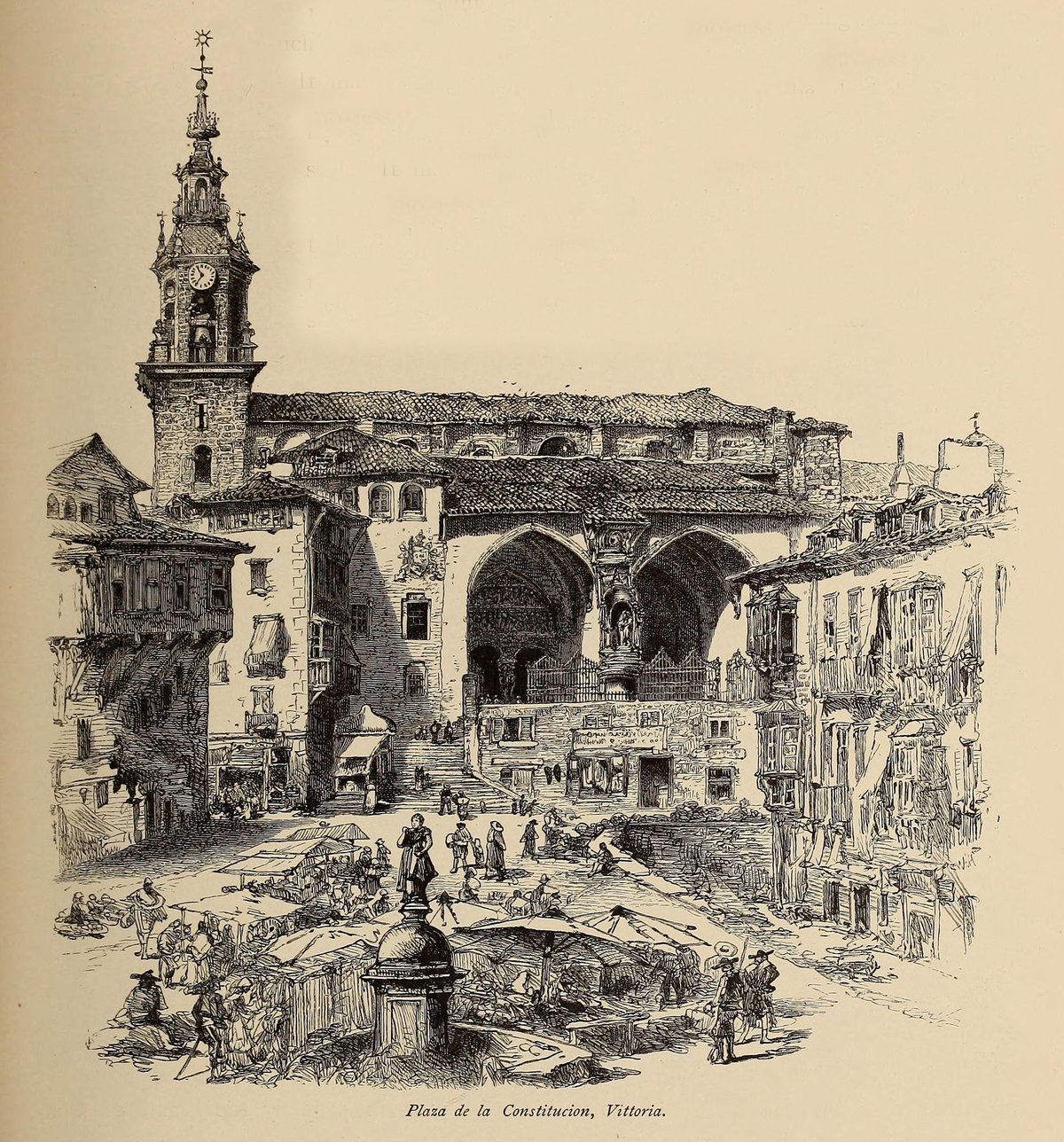
Vitoria-Gasteiz, the capital of the Basque Autonomous Community in northern Spain, is a city where medieval history, political autonomy, and vibrant culture converge. With origins in the 11th century, its enduring city walls and cobblestone streets speak to a storied past, while its current role as the seat of Basque self-government makes it a focal point of regional identity (Unstoppable Stacey Travel, Spain This Way). This guide provides comprehensive information for visitors interested in exploring the Basque Government Headquarters and Ajuria Enea Palace, including practical details on visiting hours, ticketing, accessibility, and nearby attractions.
Founded as a strategic hub for trade and governance, Vitoria-Gasteiz’s historical significance is evident in its preserved medieval core and its progressive approach to urban planning (All About Rosalilla). The city’s commitment to inclusivity and equality has long been part of its identity.
As the administrative center of the Basque Country, it hosts the Basque Parliament and Government, underscoring its status as the epicenter of Basque autonomy (Wikiwand, Gipuzkoa.eus).


The Basque Country’s Path to Autonomy
The Basque Country (Euskadi) comprises Álava, Biscay, and Gipuzkoa. Its traditions of self-governance, known as fueros, were curtailed in the 19th century and further suppressed during Franco’s dictatorship (History Rise). The 1979 Statute of Gernika restored regional autonomy, enabling the establishment of powerful local institutions (By Arcadia).
Key elements include:
- Law of the Historic Territories (LHT): Ensures each province’s local government and fiscal autonomy (JJGG Bizkaia).
- Basque Economic Agreement (BEA): Provides the Basque Country with unique fiscal control (Wikipedia).
Basque Government Headquarters: Practical Visitor Information
Location and Getting There
The Basque Government Headquarters (Sede del Gobierno Vasco) is centrally located in Vitoria-Gasteiz, near other major sites such as Ajuria Enea Palace and the Plaza de la Virgen Blanca (Spain.info).
Transport Options:
- Public Transport: The “Parlamento” tram stop connects the headquarters with the rest of the city (Vitoria-Gasteiz City Hall).
- Cycling: Over 170 km of bike lanes make cycling easy; bike rentals and secure parking are widely available (Euskadi Basque Country Grand Tour).
- On Foot: The city’s compact design encourages walking between attractions.
- By Car: Public parking garages are nearby; be mindful of regulated zones.
Visiting Hours and Ticketing
- Basque Government Headquarters: Access is primarily through official guided tours or during special open days such as European Heritage Days. Regular public hours are limited and vary according to official activities (Musement).
- Ajuria Enea Palace: As the private residence of the Lehendakari, the palace is not open for regular public tours. Occasionally, special events may allow for guided visits (Euskadi.eus).
- Tickets: Most official tours are free but require advance reservation due to security and limited capacity. Contact the Vitoria-Gasteiz Tourist Office or the Basque Government’s public relations office to book (Vitoria-Gasteiz Visitor Centre).
Security and Entry
- Valid photo ID is required.
- All visitors undergo security screening.
- Large bags and restricted items are not permitted.
Accessibility
- Both the headquarters and city public transport are fully accessible to visitors with disabilities (Vitoria-Gasteiz Visitor Centre).
- Ramps, accessible restrooms, step-free entrances, and reserved parking are provided.
- Information is available in Spanish, Basque, and English; other languages may be available upon request (Euskadi Basque Country Grand Tour).
Visitor Tips
- Book tours and visits well in advance.
- Combine your tour with nearby attractions such as the Ajuria Enea Palace gardens and key museums.
- Opt for walking, cycling, or trams for a sustainable city experience.
- Photography is allowed outside government buildings; always observe posted restrictions.
Ajuria Enea Palace: Architecture and Historical Evolution
Architectural Features
Ajuria Enea Palace, constructed in 1920, is a celebrated example of Neo-Basque architecture. Its façade features double arcades, heraldic balconies, and a striking roofline with pinnacles (Turismo Euskadi). Crafted from local stone and adorned with regional symbols, the palace blends tradition and sophistication.
Historical Uses
- 1920–1966: Family residence for the Ajuria family.
- 1966–1972: Functioned as a school.
- 1972–1980: Served as a Basque art museum.
- 1980–present: Official residence of the Lehendakari (Lonely Planet).
Visitor Access
- Interior access is restricted, but the exterior and gardens are visible from Paseo de Fray Francisco de Vitoria.
- Occasional open days or cultural events may permit guided visits; check official announcements (Euskadi.eus).
Political Structure and Recent Developments
Vitoria-Gasteiz is home to major Basque institutions:
- Basque Parliament (Eusko Legebiltzarra): 75 elected members legislate on key regional matters (JJGG Bizkaia).
- Basque Government (Eusko Jaurlaritza): Led by the Lehendakari, responsible for executing laws and managing regional affairs (Spain.info).
- Foral Institutions: Each province retains its own General Assembly and fiscal authority.
Recent years have seen increased political pluralism and a focus on peaceful autonomy following the end of ETA’s armed campaign (By Arcadia, Policy Network).
Nearby Sights and Experiences
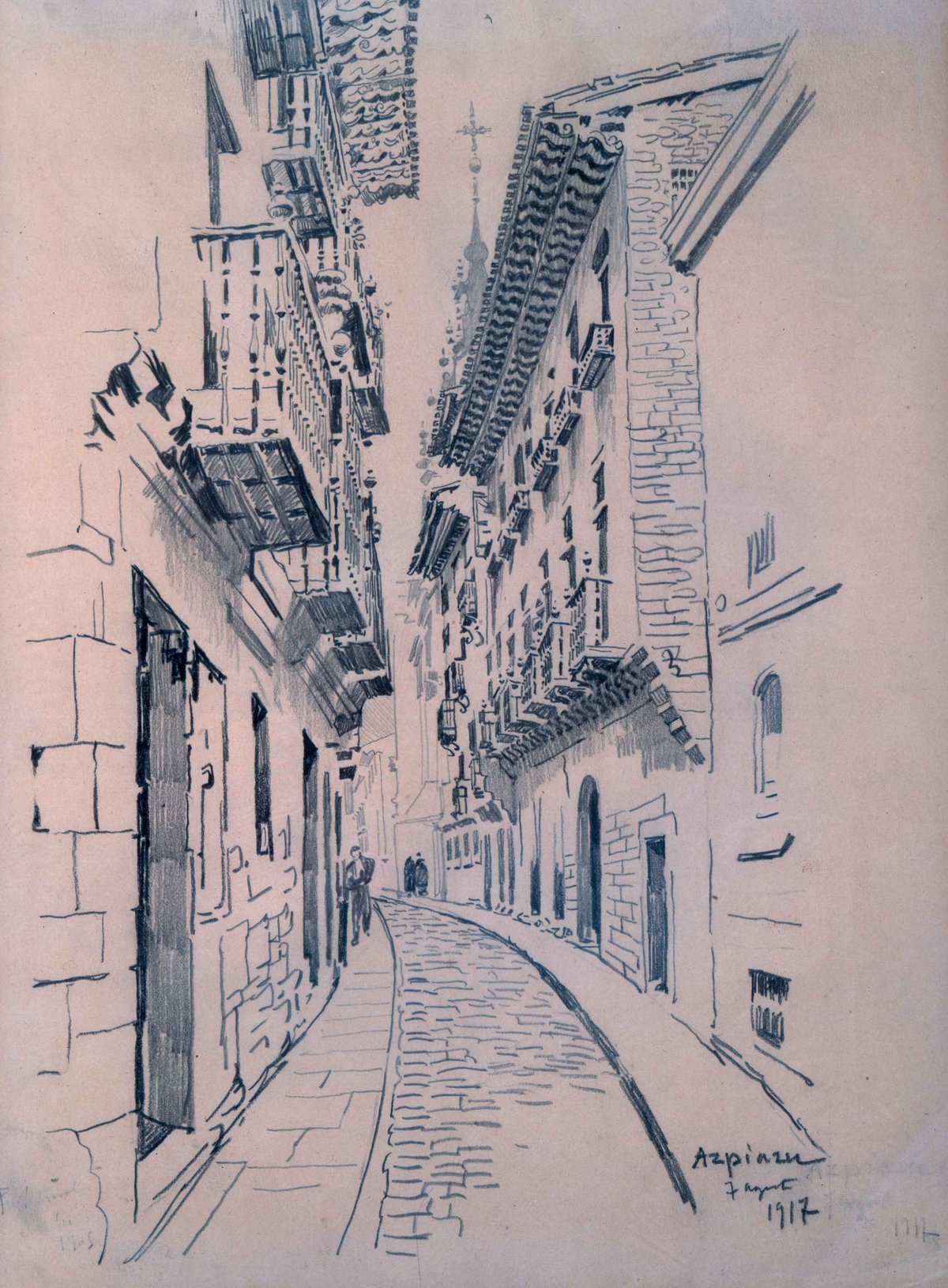
- Medieval Old Town: Wander narrow streets lined with historic churches and picturesque plazas.
- Museo de Armería: Arms and armor from the Bronze Age onward.
- Museo de Bellas Artes: Basque and Spanish art in a neo-Renaissance setting.
- Parque de la Florida: A lush urban park ideal for relaxation.
- Catedral de Santa María: Gothic cathedral at the summit of the old town.
These sites are easily accessible by foot or public transport, and many offer discounted or free entry on select days (Vitoria-Gasteiz Official Guide).
Cultural Highlights and Events
- Linguistic Heritage: Spanish and Basque (Euskara) are both official; bilingual signage is universal (Turispanish).
- Festivals: The Virgen Blanca festivities (early August) showcase Basque music, dance, and cuisine.
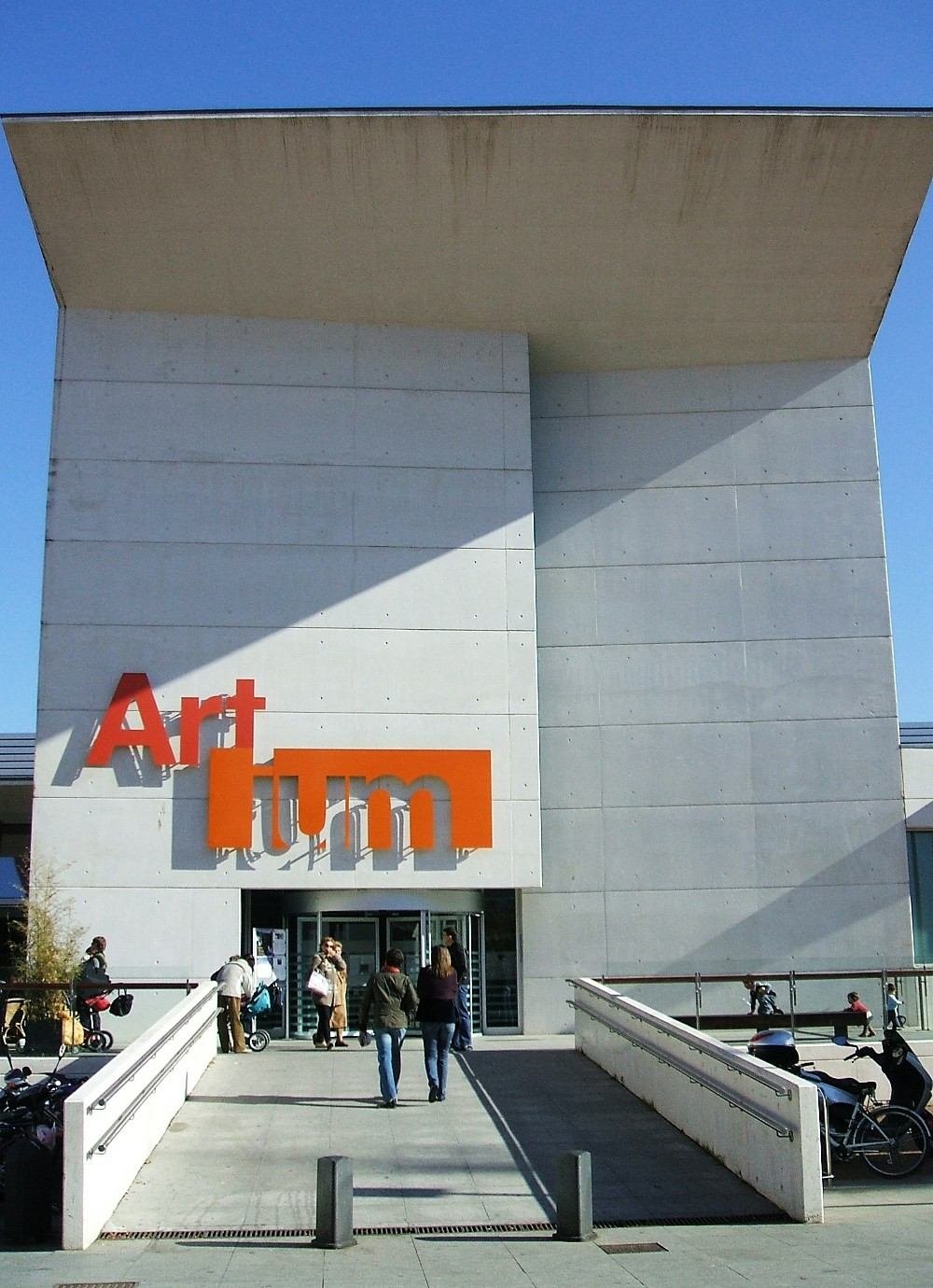
- Museums: The Fine Arts Museum, ARTIUM, and BIBAT offer insights into Basque art, archaeology, and contemporary culture.
Sustainable Urban Experience
Vitoria-Gasteiz is acclaimed for its sustainable urban planning, including a network of parks, wetlands, and green corridors such as Salburua (TheCityFix). The city’s compact size and investment in public and non-motorized transport make it exceptionally accessible and eco-friendly.
Frequently Asked Questions (FAQ)
Q: Can I tour the Basque Government buildings or Ajuria Enea Palace?
A: Interior visits are only possible during special open days or official guided tours, which must be reserved in advance.
Q: Are visits free?
A: Most tours are free but require advance booking.
Q: Is the area accessible?
A: Yes, facilities and public transport are fully accessible.
Q: What are the best nearby attractions?
A: Medieval Old Town, Museo de Armería, Museo de Bellas Artes, Parque de la Florida, and Catedral de Santa María.
Q: How do I get there?
A: The headquarters and surrounding sites are reachable by tram, bus, foot, or bike.
Visitor Recommendations
- Reserve tours early, especially during festivals or heritage days.
- Use sustainable transport for a more immersive experience.
- Pair your visit to government sites with nearby museums and green spaces.
- Download the Audiala app for interactive maps and the latest updates.
Listen to the full story in the app
The whole Headquarters Of The Basque Government,
told well.
Listen to sourced travel stories with local history and practical context — ready offline.
Verified, and shown.
Researched and written by the Audiala editorial team from historical records, architectural archives, and local expertise.
Built from cited sources · see the method · How we make our guides →