History and the City
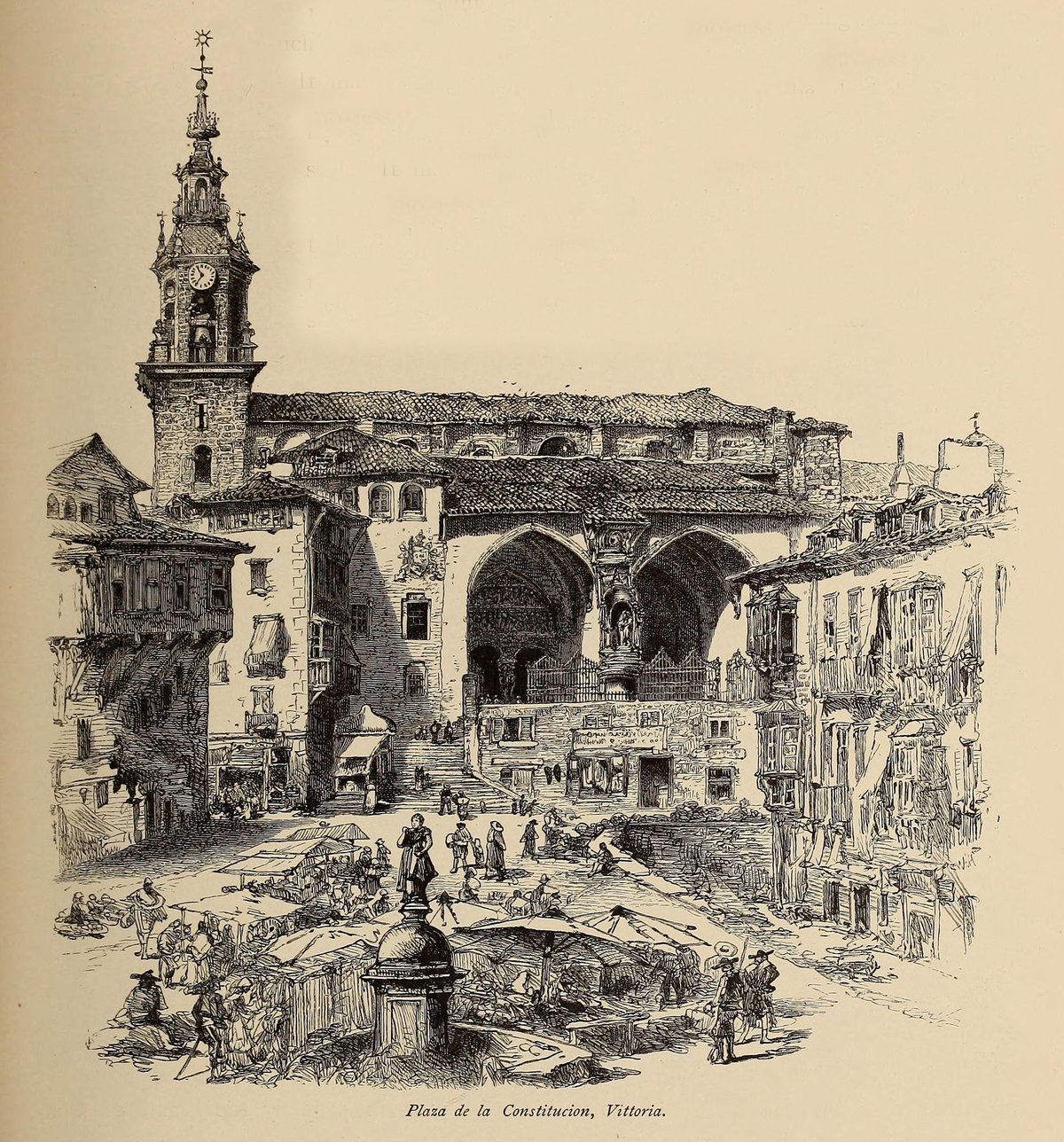
Founded in 1181 as “Nueva Victoria,” Vitoria-Gasteiz retains its medieval hilltop quarter, surrounded by a modern city developed with sustainability and accessibility in mind (unstoppablestaceytravel.com, thecityfix.com). Its concentric layout puts every neighborhood within easy reach of the center.
The city was named European Green Capital in 2012 and offers nearly 50 m² of green space per resident. The Green Belt includes six periurban parks, with the Salburua wetlands among its major attractions (vitoria-gasteiz.org).
Cultural Identity & Gastronomy
Vitoria-Gasteiz is proudly bilingual, with Spanish and Basque spoken in the city. It hosts cultural festivals, especially the Virgen Blanca Festival in August (winalist.com). Pintxos bars, Michelin-starred restaurants, and lively markets showcase Basque cuisine (allaboutrosalilla.com, packing-up-the-pieces.com).
What to See
Ondare Monument: History & Visitor Guide
Located in the Salburua district, the Ondare Monument combines modern architecture with cultural and ecological values. It represents Vitoria-Gasteiz’s sporting legacy and environmental stewardship, and is closely linked to the Baskonia-Alavés sports group. As a center for education, sports, and community life, it reflects the city’s approach to sustainable development and sits close to the Salburua Wetlands and Green Belt.
Weekend and special-event guided tours cover the monument’s architecture, the legacy of Baskonia-Alavés, and the ecology of nearby wetlands. Ondare also hosts year-round exhibitions, digital showcases, music events, and science workshops.
Santa María Cathedral: History & Visitor Guide
Santa María Cathedral is a major Gothic landmark in Vitoria-Gasteiz. Built from the 14th century as a fortress-church, it features notable stonework, stained glass, and a vaulted ceiling. It has played an important role in the city’s religious and social life, and inspired restoration projects recognized internationally.
Its features include a cloister noted for medieval frescoes and a bell tower with panoramic city views. The cathedral also hosts the annual August Festival of Lights, with light projections, as well as concerts and religious celebrations. Daily masses are open to all.
Other Sites and Attractions
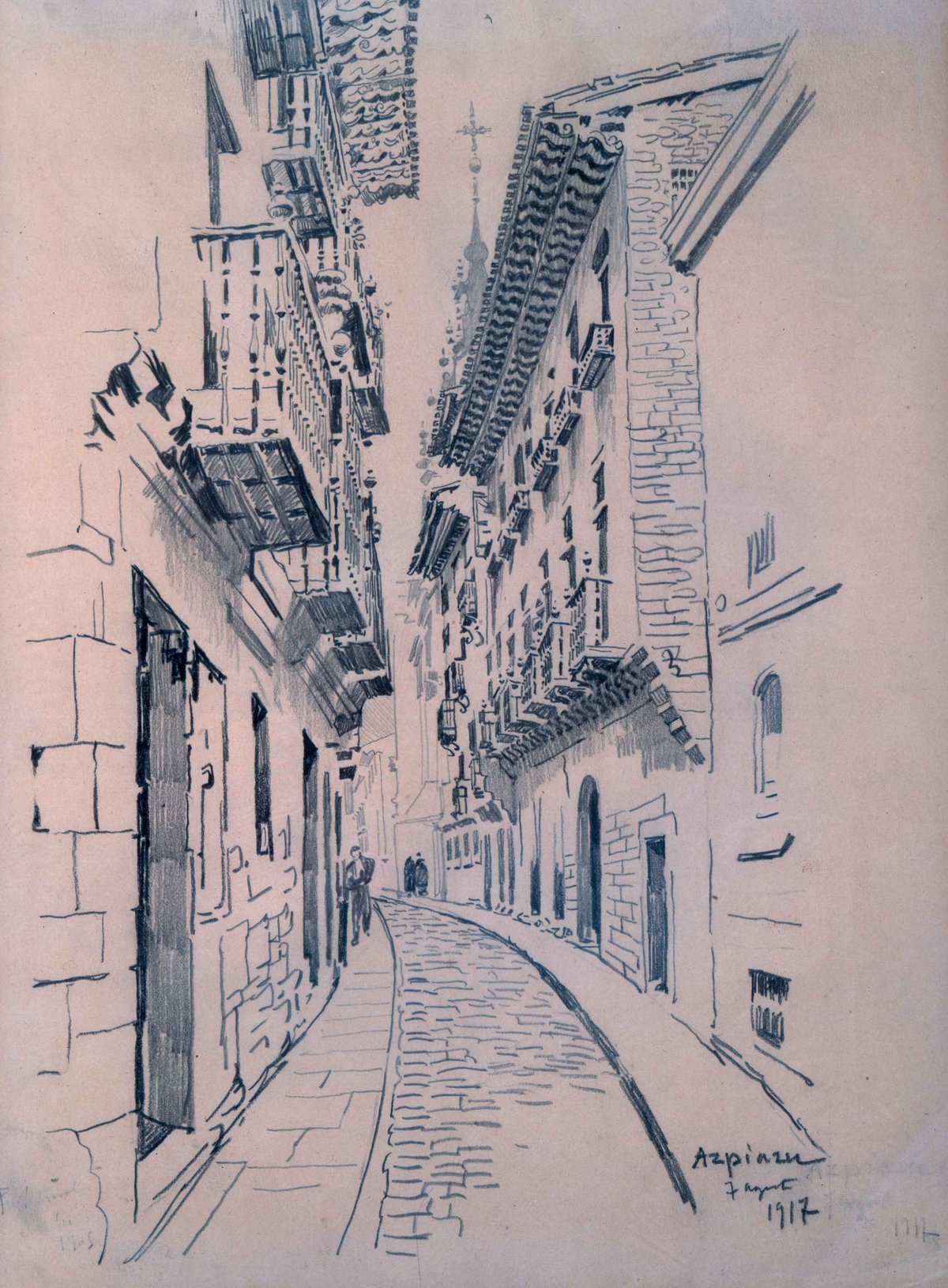
- City Walls and Old Town The walls preserve remnants of the city’s original defenses; the Old Town’s medieval streets include shops and local gastronomy. The walls and Old Town are free to explore on foot.
- Plaza de la Virgen Blanca The main city square and a festival hub.
- Montehermoso Palace A city attraction with free admission.
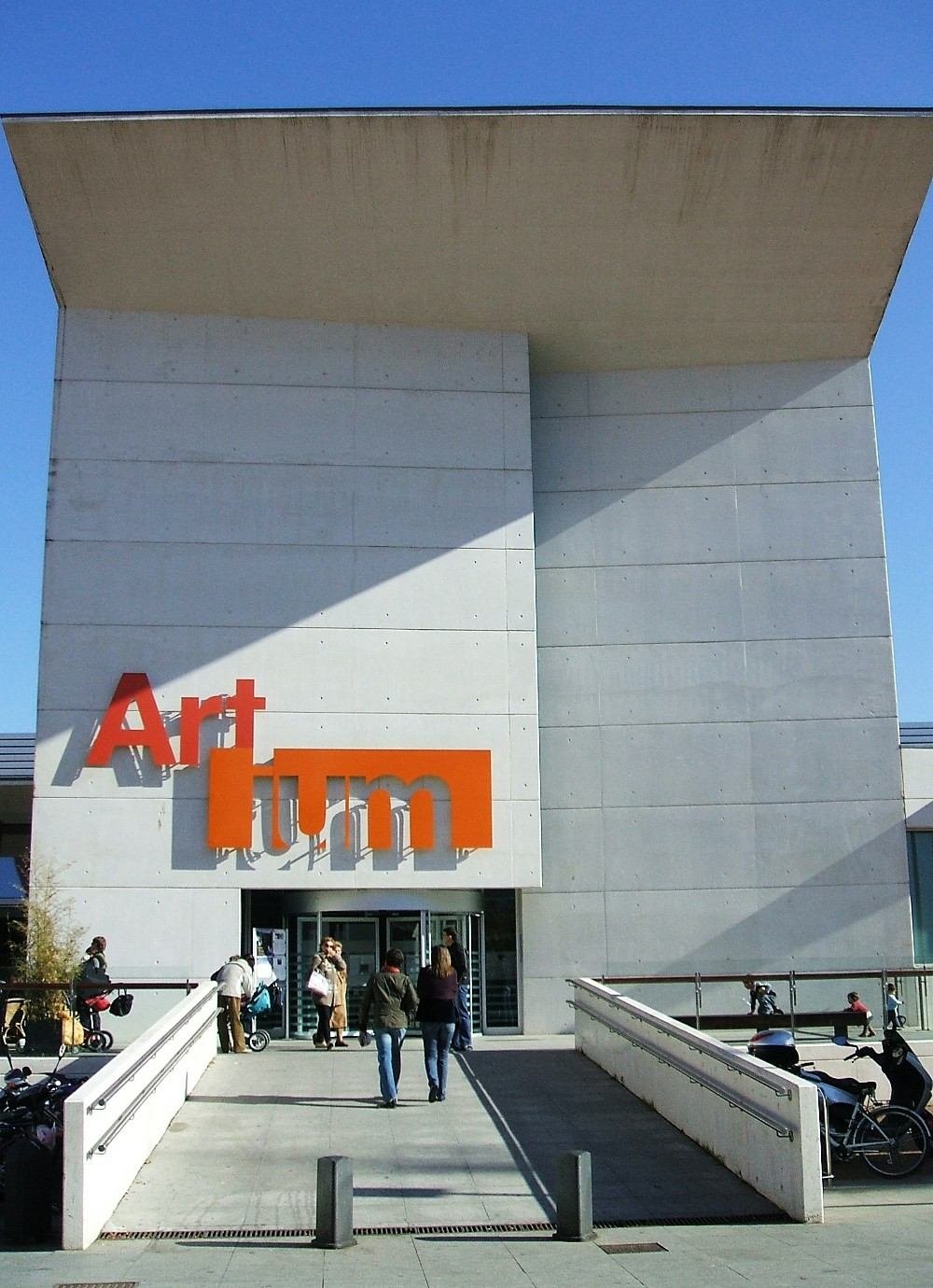
- Museums Artium, for contemporary art; Museo Fournier de Naipes, for playing cards; and Museo de Bellas Artes.
- Green routes Walking and cycling routes (packing-up-the-pieces.com).
- Salt Valley of Añana An open-air salt mine about 40 minutes from the city (unstoppablestaceytravel.com).
Practical Visiting Information
Top Historical Sites: Hours & Ticket Information
Ondare Monument
- Hours Monday to Friday, 9:00 AM–8:00 PM; Saturday, 10:00 AM–6:00 PM; closed Sundays and public holidays.
- Tickets Adults €8; seniors (65+), students, and children (6–16) €5; under 6 free. Group rates are available for 10 or more people.
- Tickets are available at the monument or through the Vitoria-Gasteiz tourism website. Booking ahead is advised during peak seasons.
Santa María Cathedral
- Hours Tuesday to Sunday, 10:00 AM–6:00 PM; closed Mondays and major holidays.
- Tickets Adults €5; discounts for seniors and students; under 12 free. Another listing gives an adult ticket price of approximately €7, with discounts for students and seniors.
- Guided tours take place daily at 11:00 AM and 4:00 PM in several languages. Advance booking is recommended through the Santa María Cathedral website.
Other sites
- City Walls and Old Town Free; best explored on foot.
- Plaza de la Virgen Blanca An open square.
- Montehermoso Palace 11:00 AM–7:00 PM, closed Mondays; free admission.
Getting There and Around
- Ondare by public transport Buses 5 and 21 from the city center stop near the monument.
- By car Parking is available at the BAKH Sports City complex.
- By bicycle The city has extensive bike lanes and dedicated racks.
- Vitoria-Gasteiz prioritizes walking and cycling, with “superblocks” that limit car traffic. Public transport includes electric buses and trams (thecityfix.com).
Accessibility
The city has award-winning infrastructure designed to provide wheelchair-friendly access (vitoria-gasteiz.org). Ondare is fully accessible, with ramps and elevators throughout. Santa María Cathedral also provides ramps and elevators, although its interior has uneven surfaces. Public transport stops near the cathedral.
Tips
Most attractions open between 10:00 AM and 7:00 PM, and some require tickets. Guided tours can be booked through the Tourist Office.
May–September is noted as a good time to visit for pleasant weather and festivals. Spring and autumn bring mild weather and lively wildlife to the wetlands. Morning or late-afternoon light is suggested for photographing Ondare. Wear comfortable shoes at the cathedral because of its uneven interior surfaces. Non-flash photography is allowed inside the cathedral.
For Ondare, personal photography is permitted, but professional shoots require permission. Only service animals are permitted.
The Audiala app provides offline maps, event schedules, and guided tours. Tickets, tours, and event updates are also available through official channels or the app; social channels carry updates and festival news. Official information is available from the Vitoria-Gasteiz Tourist Office and the Ondare Monument website.
Nearby Places
- Salburua Wetlands and Ataria Center An urban ecosystem near Ondare.
- BAKH Sports City A place to experience the city’s athletic culture.
- Old Town Medieval streets, shops, and local gastronomy.
- Around Santa María Cathedral Plaza de la Virgen Blanca, the Museum of Contemporary Art, and the medieval walls.
Multimedia Gallery
Discover More
Vitoria-Gasteiz brings together history, Basque culture, contemporary institutions, and nature. The Ondare Monument and EUNEIZ represent the city’s modern vision, while Santa María Cathedral anchors its medieval heritage. Visitors can find accessible facilities, cultural events, and green spaces.
Travel Tips & FAQs
Ondare Monument
Is the Ondare Monument wheelchair accessible?
Yes. All areas are accessible.
Are pets allowed?
Only service animals are permitted.
Are tours available in English?
Yes. Guided tours are offered in Spanish and English.
Can I take photos inside?
Personal photography is allowed; professional shoots require permission.
Santa María Cathedral
What are Santa María Cathedral’s visiting hours?
Tuesday to Sunday, 10:00 AM–6:00 PM; closed Mondays and major holidays.
Is photography allowed inside?
Yes, but flash is not permitted.
Are there concerts or special events?
Yes. The cathedral hosts concerts and religious celebrations.
Can visitors attend religious services?
Yes. Daily masses are open to all.
Are group or school visits possible?
Yes. Contact the visitor center to arrange a visit.
Vitoria-Gasteiz
How do I book guided tours?
Online through official attraction websites or at the Tourist Office.
Is Vitoria-Gasteiz accessible for people with disabilities?
Yes. The city has accessible public spaces and public transport.
What’s the best way to get around?
On foot, by bike, or using public transport.