Plan and listen to Ajuria Enea with Audiala.
Audio guide in your pocket, itinerary in your browser. Built for the way you actually visit.
Introduction
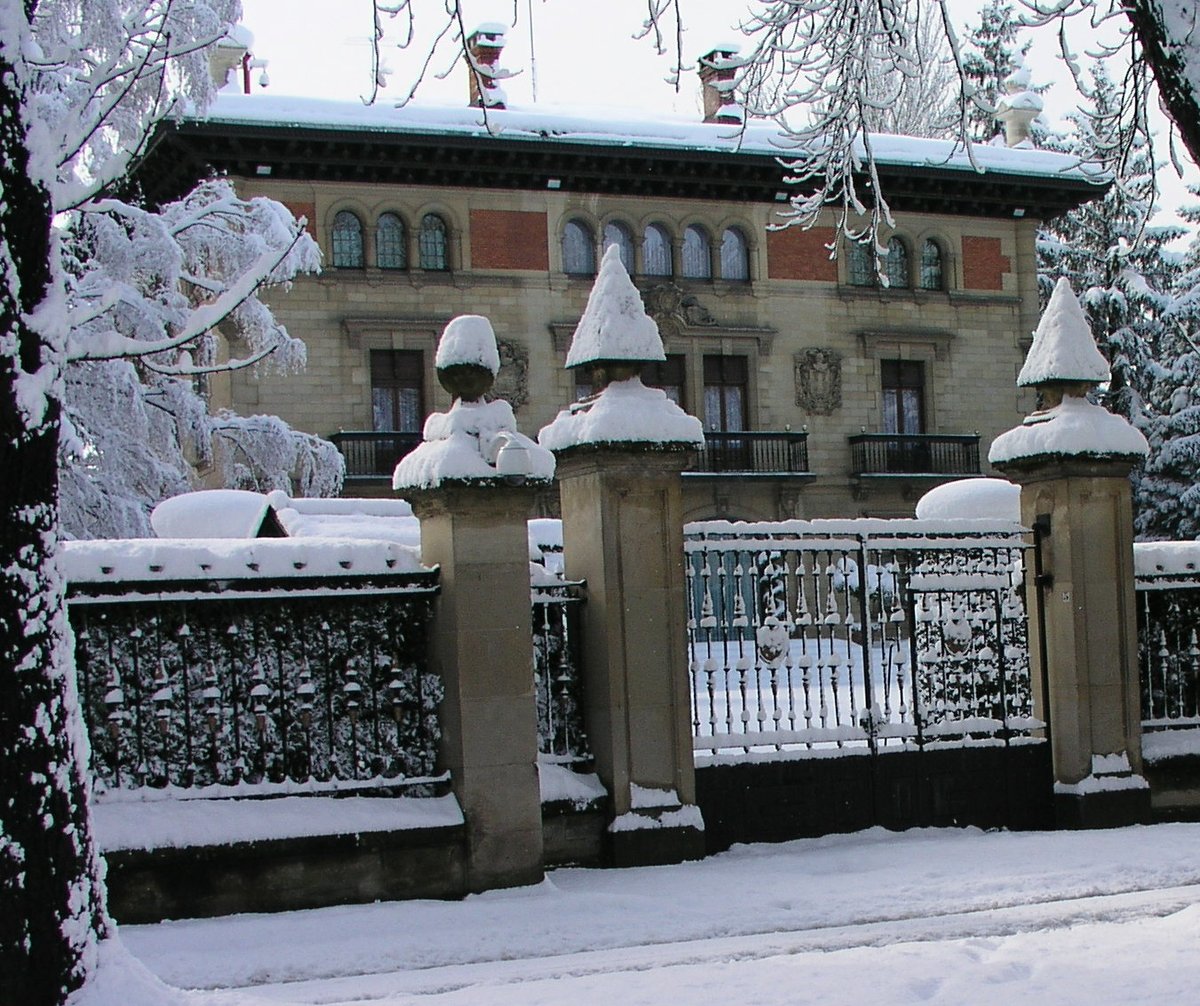
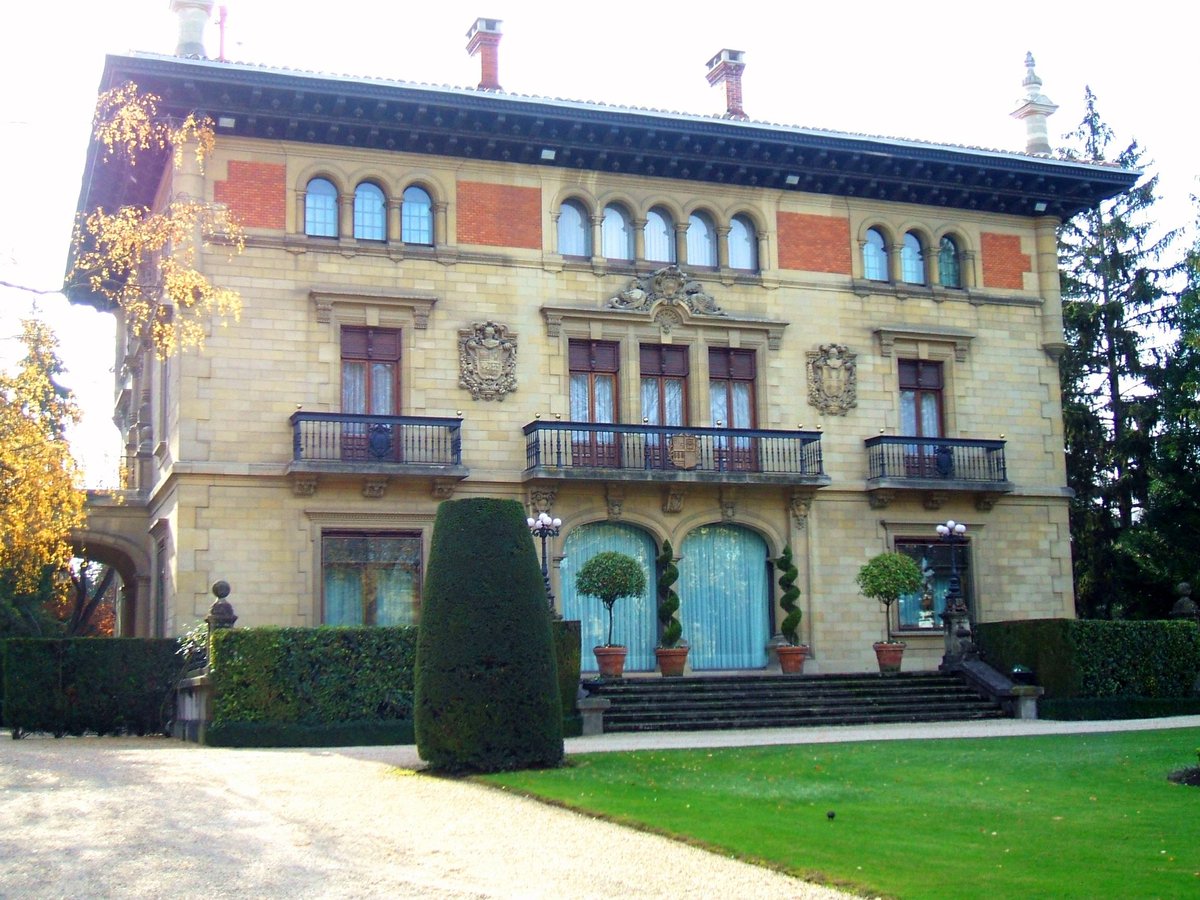
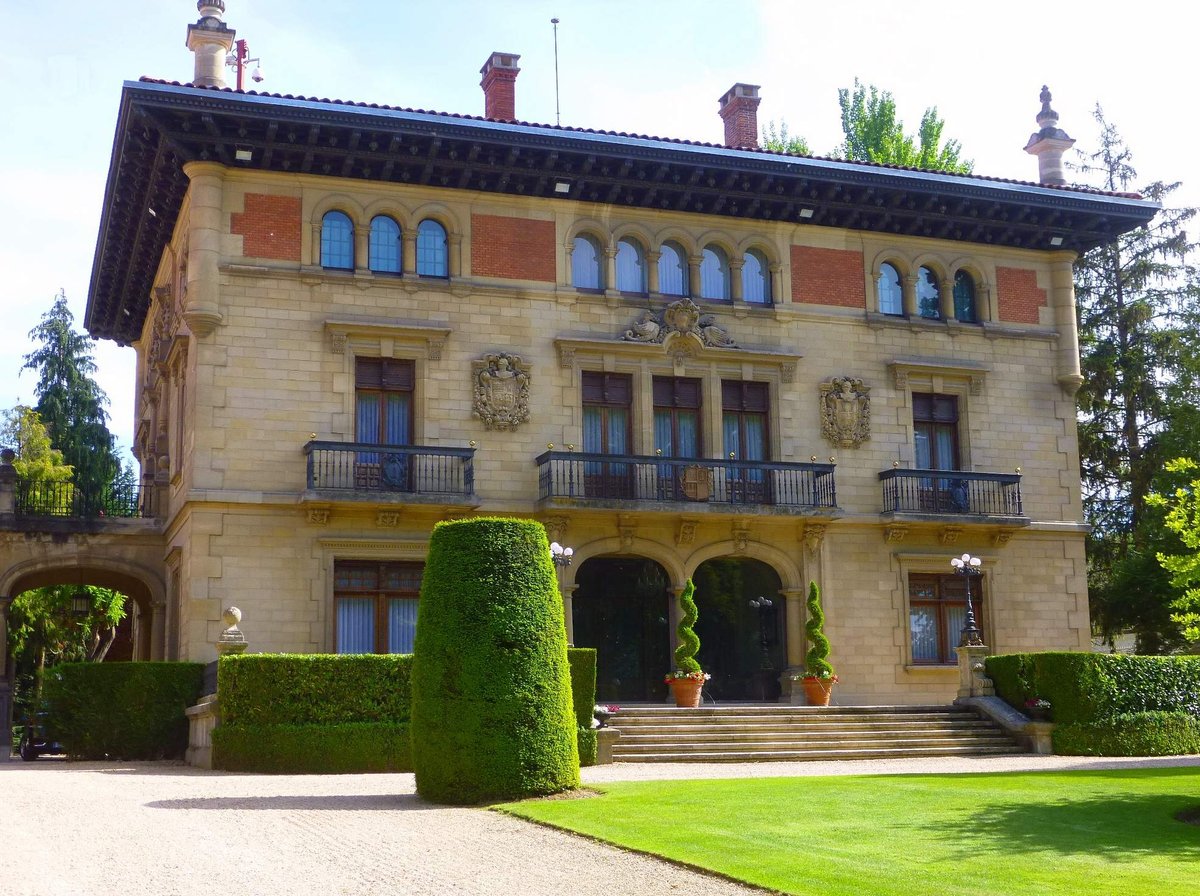
Ajuria Enea is a distinguished symbol of Basque heritage, located in the heart of Vitoria-Gasteiz, the capital of Spain’s Basque Country. Constructed in 1920 as a neo-Basque style palace for industrialist Serafín Ajuria and designed by Swiss architect Alfredo Baeschlin, the building reflects the region’s rich historical traditions and aspirations for modernity. Over the years, it has evolved from a private residence to an educational center, a museum of Basque art, and, since 1980, the official residence of the Lehendakari (President of the Basque Government). While the interior is closed to the public due to its governmental function, the palace remains an iconic landmark, admired for its unique architecture and beautifully maintained gardens. This guide explores Ajuria Enea’s historical significance, architectural features, visitor information, accessibility, and nearby attractions to help you plan your visit.

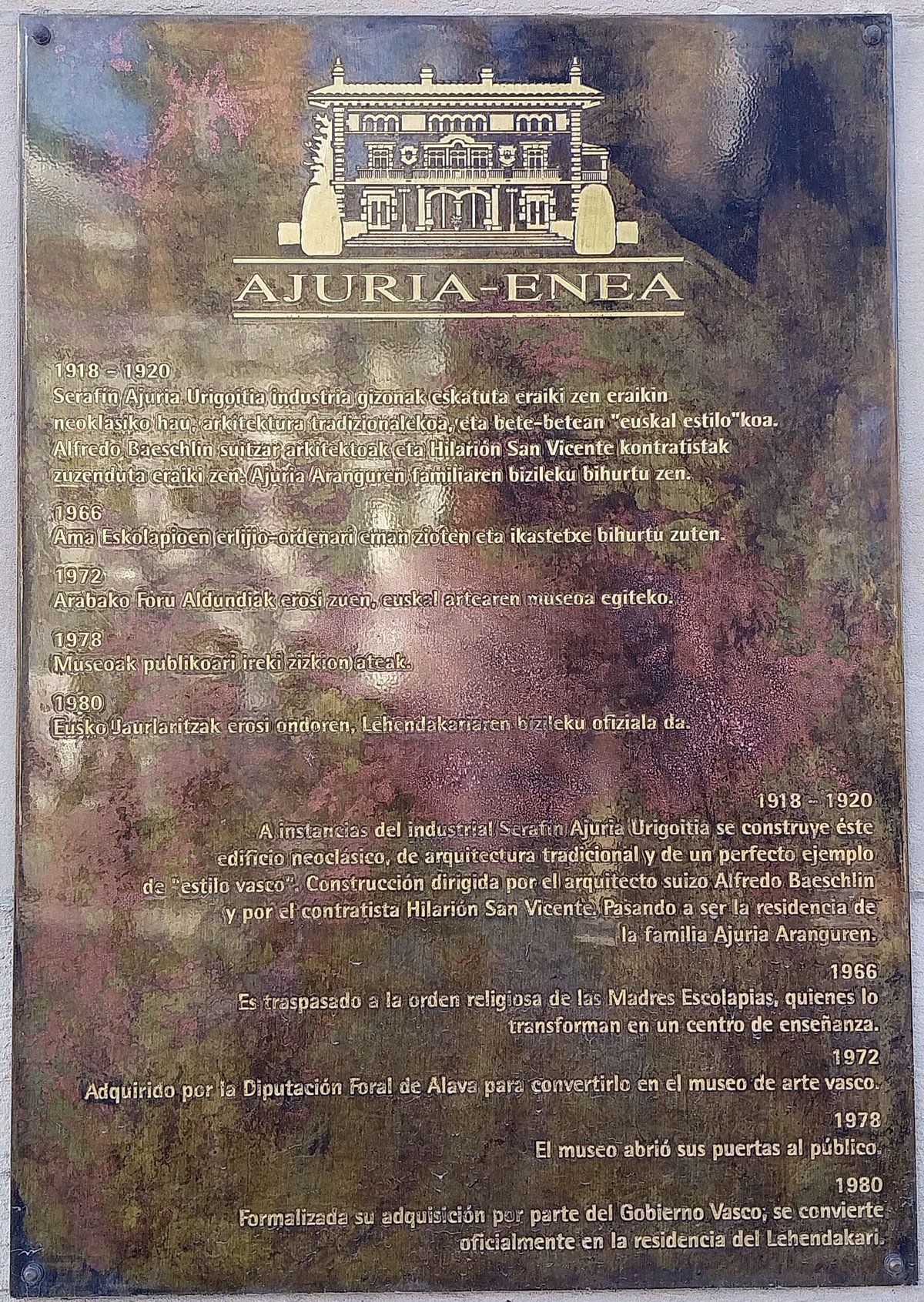
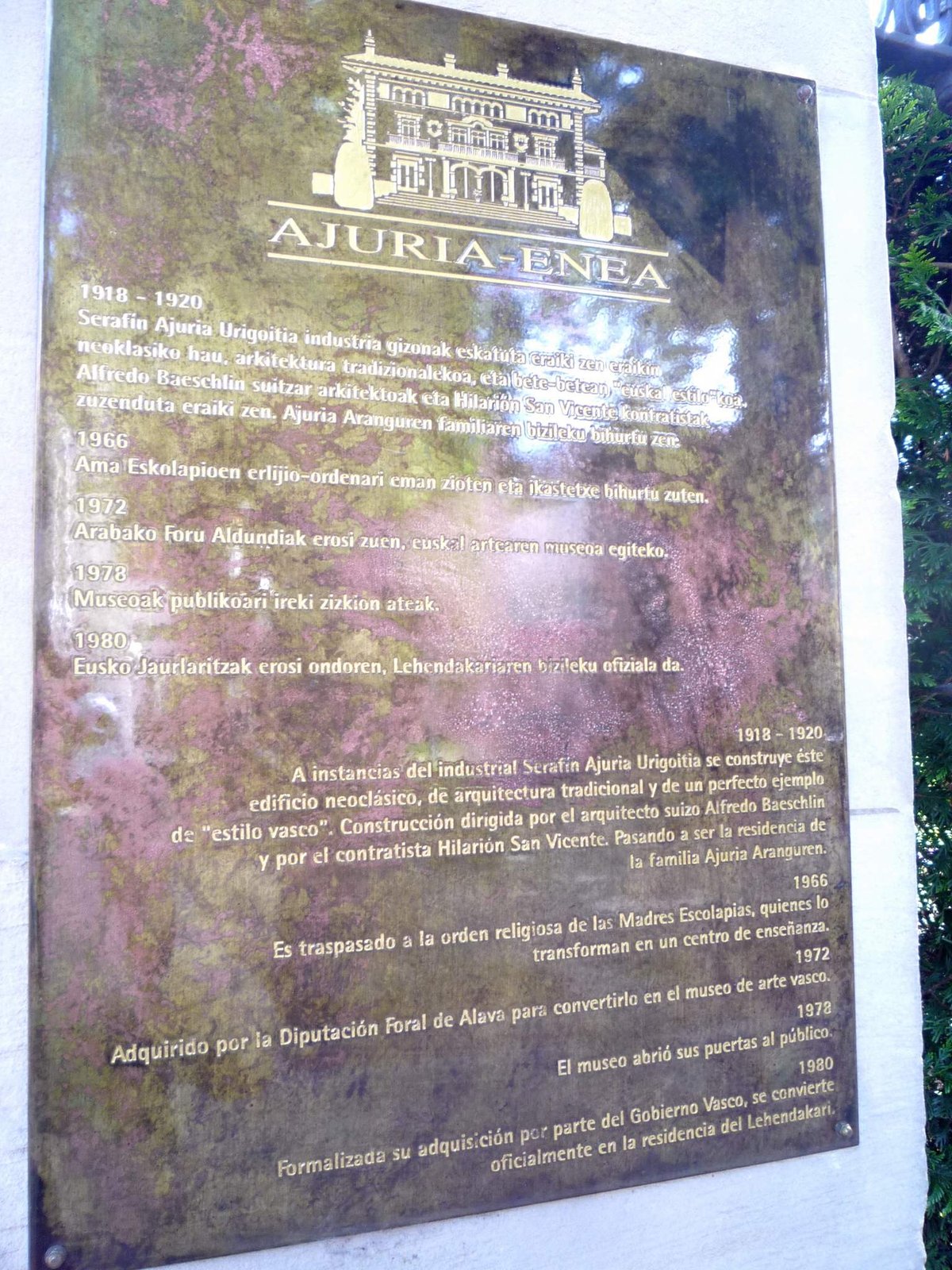
Early 20th-Century Origins and Architectural Context
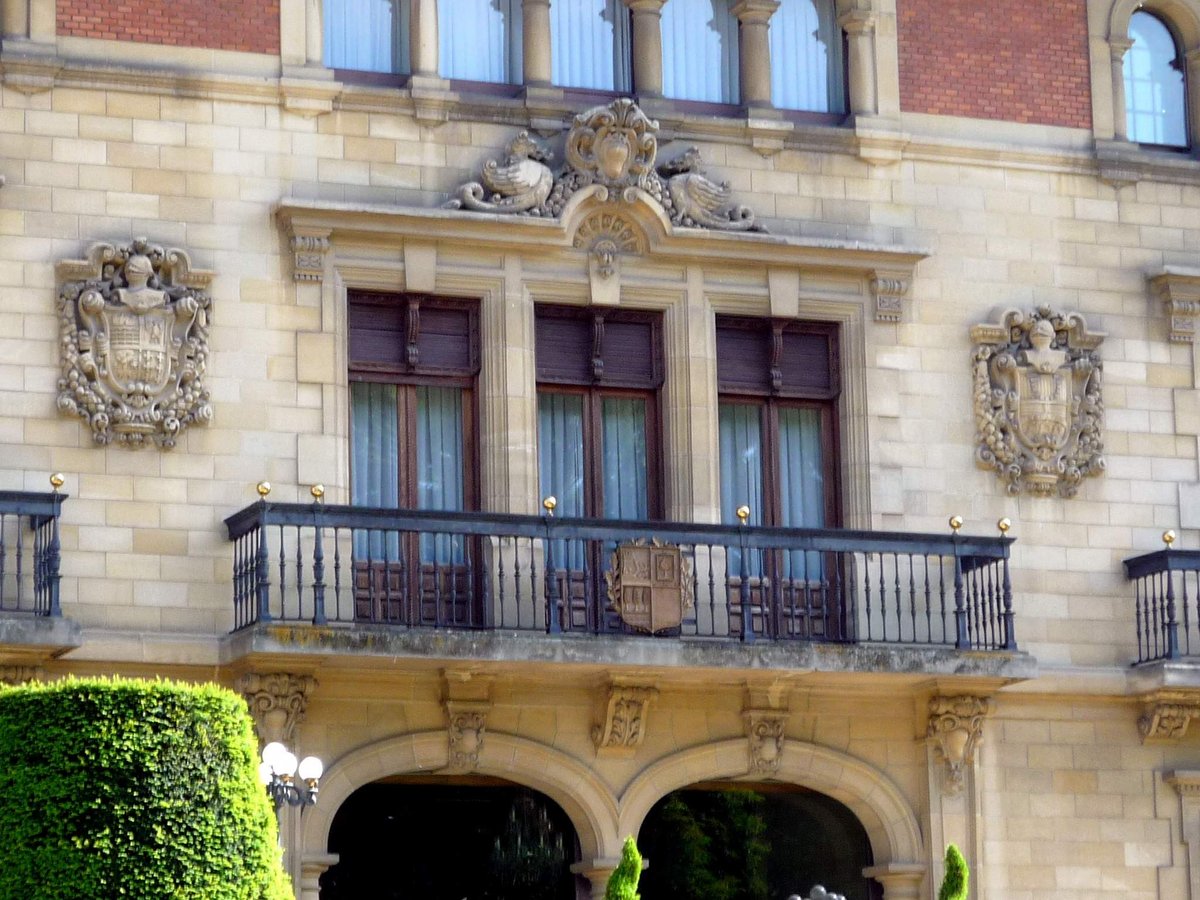
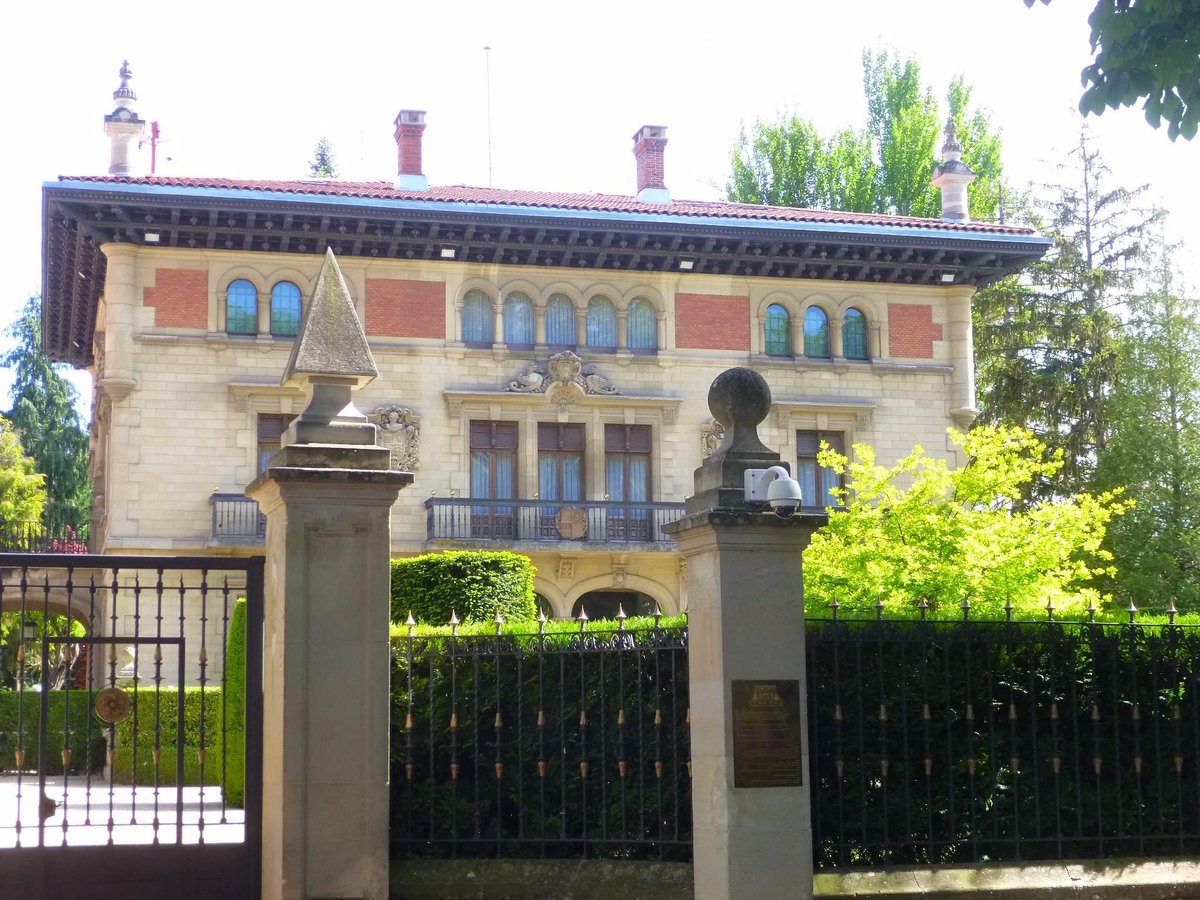
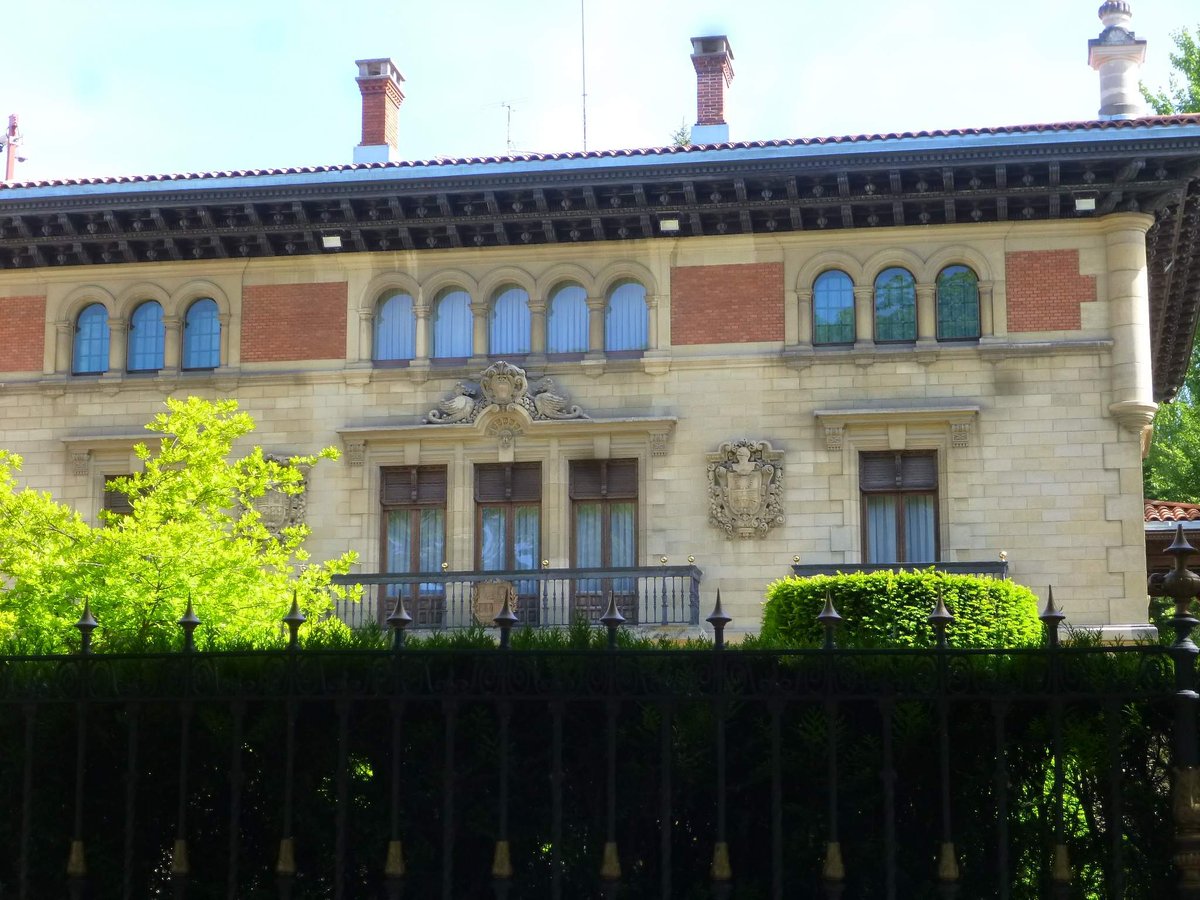
Ajuria Enea represents early 20th-century Basque stately architecture, combining traditional and modern elements. Commissioned by Serafín Ajuria and built in 1920, the palace is located in one of Vitoria-Gasteiz’s most prestigious districts, characterized by grand mansions and leafy promenades such as the Paseo de la Senda (euskadi.eus).
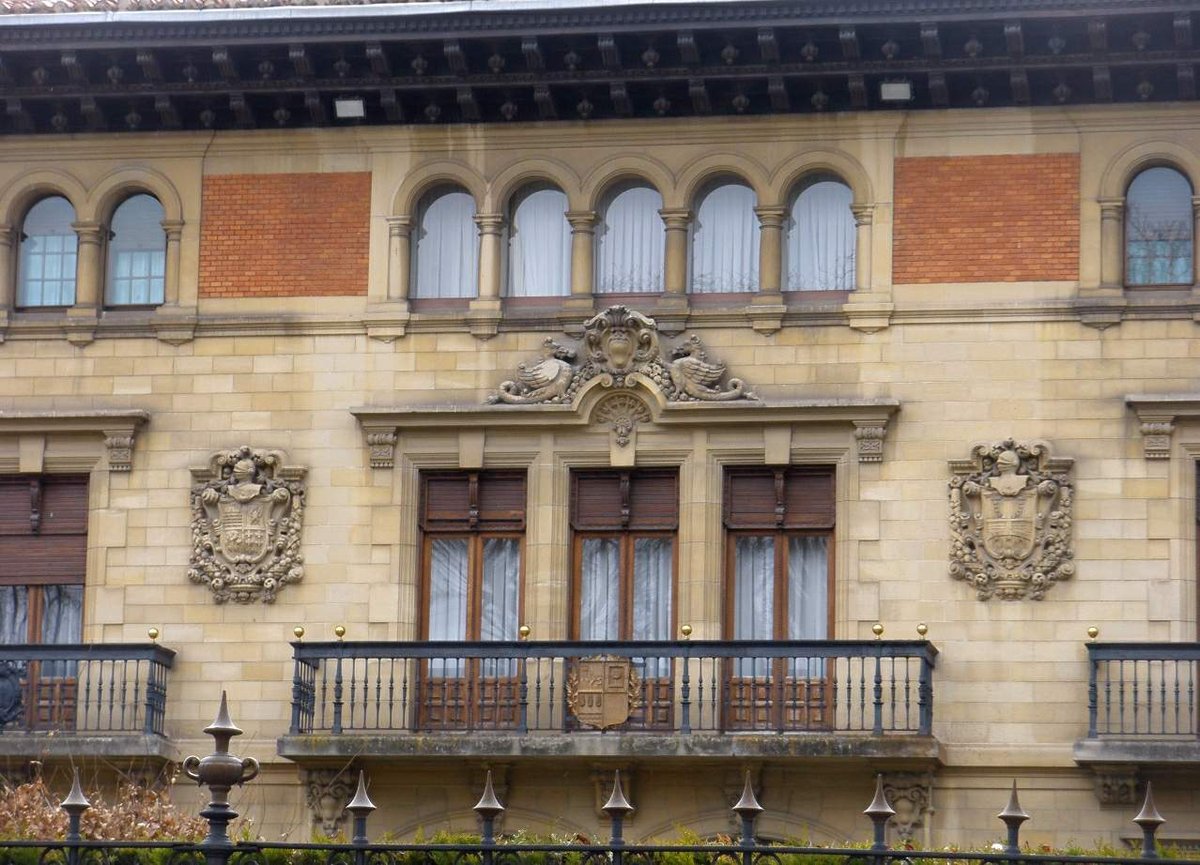
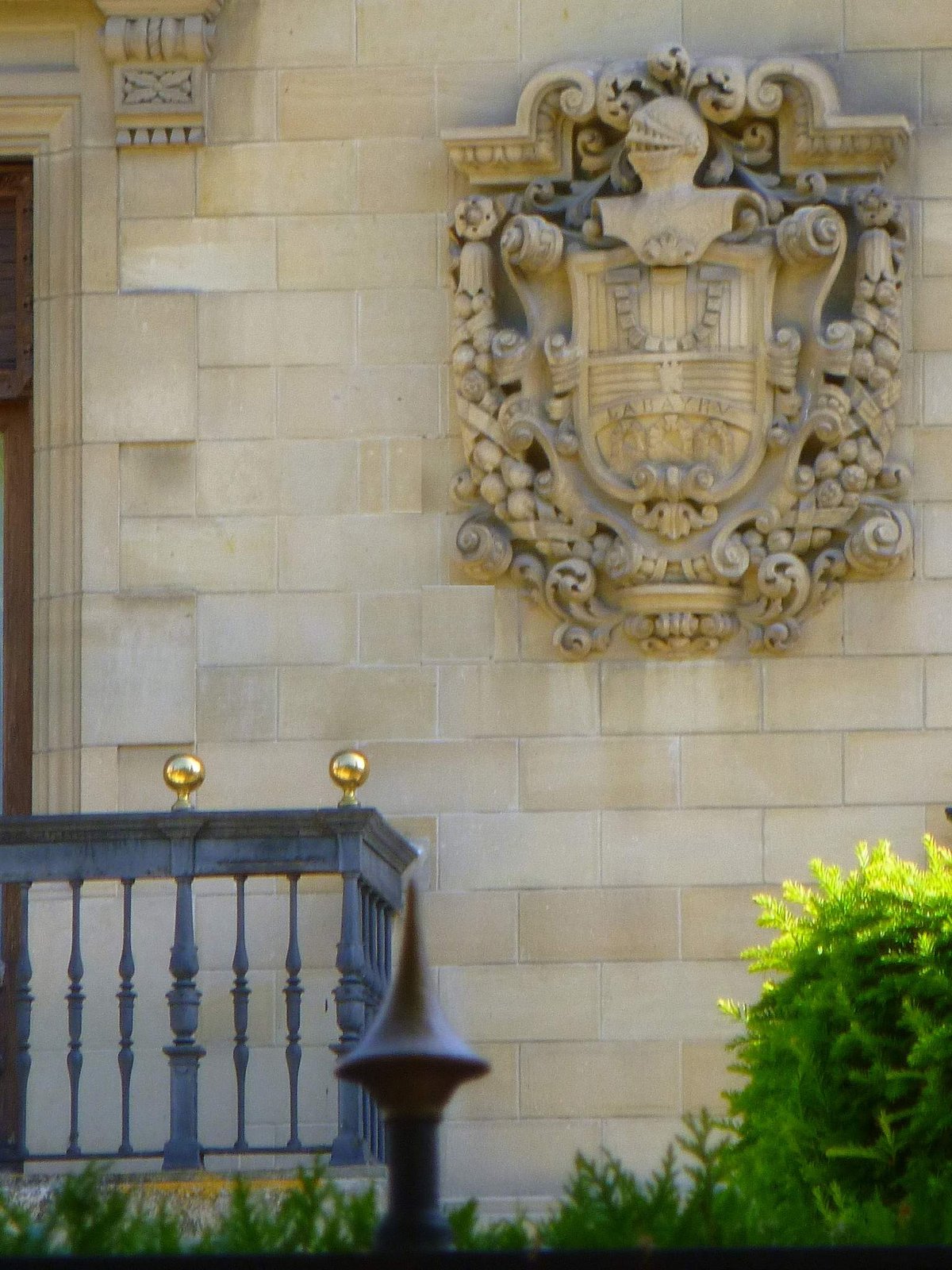
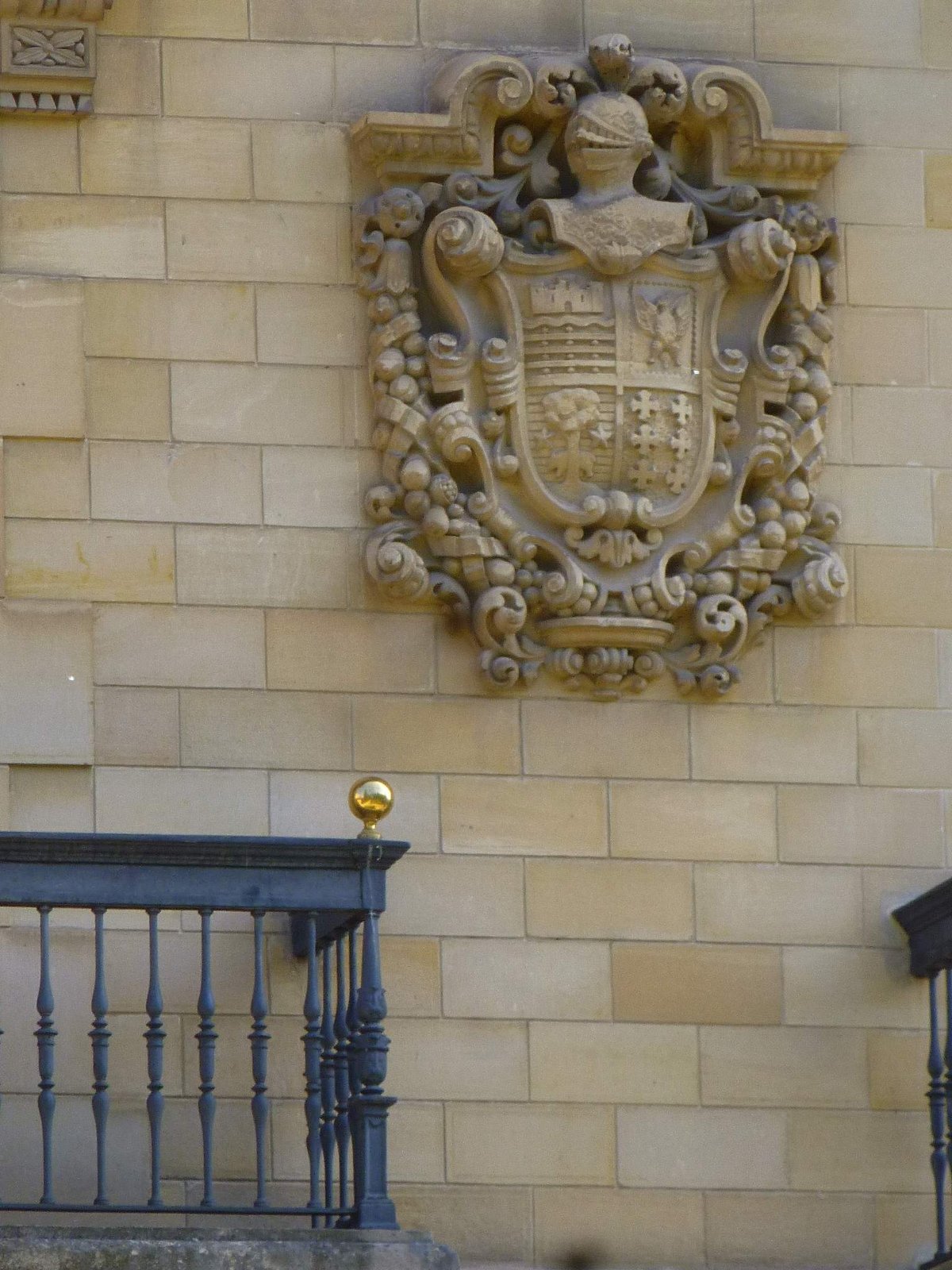
The building’s neo-Basque style draws from 15th and 16th-century manor houses and incorporates Renaissance motifs. A rectangular plan, pronounced horizontality, and prism-shaped elevation are hallmarks of this style, as are features like the double arched gallery, unified central windows, heraldic elements, and semi-circular arched windows with cylindrical corner turrets. The use of local stone and robust masonry further grounds the palace in Basque architectural tradition (koragreencity.com).
From Private Residence to Educational Institution
Originally, Ajuria Enea served as a private residence for the Ajuria family. In 1966, the property was transferred to the Madres Escolapias religious order, who adapted it for use as an educational center. This change marked a shift from private luxury to public service, reflecting societal changes in Spain during that era. The building’s exterior remained largely unchanged, preserving its architectural integrity (euskadi.eus).
Museum of Basque Art: Cultural Landmark
In 1972, the Diputación Foral de Álava acquired the palace to create the Museum of Basque Art. The museum opened in 1978, showcasing Basque paintings and artifacts and reinforcing Ajuria Enea’s role as a cultural reference point in Vitoria-Gasteiz. For two years, the palace’s richly decorated rooms were open to the public, establishing it as a symbol of Basque identity and artistic achievement (euskadi.eus).
Ajuria Enea as the Official Residence of the Lehendakari
The palace’s most significant transformation came in 1980, when Ajuria Enea became the official residence of the Lehendakari, the President of the Basque Government, coinciding with the re-establishment of Basque autonomy. The building was renovated to accommodate its new role, with the top floor converted into a private residence and other areas adapted for official functions. On March 14, 1989, ownership was definitively transferred to the Basque Autonomous Executive, cementing its place in the political life of the region (euskadi.eus).
Symbolism and Role in Basque Autonomy
Ajuria Enea is more than a residence; it is a powerful symbol of Basque self-government and identity. The choice of a neo-Basque palace for the Lehendakari’s official residence was deliberate, rooting the new democratic institutions in the region’s heritage. The architectural references to medieval and Renaissance traditions reinforce its role as a bridge between past and present, reflecting the resilience and adaptability of Basque society (spain.info).
Visiting Hours, Tickets, and Accessibility
Visiting Hours and Ticket Information
Ajuria Enea is not open for regular public tours. The interior remains off-limits due to its function as a government residence. However, the palace’s exterior and gardens can be admired from public streets. On rare occasions, such as cultural festivals or civic celebrations, the gardens may open to the public—these events are announced in advance by the Basque Government (GasteizBerri).
- No regular visiting hours or tickets
- Free entry during occasional public garden openings
Accessibility
The surrounding area is pedestrian-friendly, with ramps and pathways suitable for visitors with reduced mobility. Nearby public transport and parking make it easy to explore this prestigious district.
Unique Features and Visitor Tips
- Photographic Spots: The neo-Basque façade, lush gardens, and Paseo de la Senda are ideal for photography, especially in early morning or late afternoon light.
- Special Events: Watch for cultural festivals or civic celebrations that may include limited public access to the gardens.
- Virtual Content: Some regional cultural websites offer videos and interactive content about Ajuria Enea’s history and architecture.
Nearby Attractions in Vitoria-Gasteiz
Complement your visit by exploring other notable sites:
- Zulueta Palace: An elegant mansion on Paseo de la Senda.
- Zuloaga House: Unique architecture and art exhibitions.
- Old Town (Casco Viejo): Medieval streets, the Cathedral of Santa María, and vibrant plazas.
- Green Spaces: Parks like El Prado and La Florida are nearby.
Vitoria-Gasteiz is known for its sustainable urban design and was named European Green Capital in 2012 (spain.info).
FAQ
Q: Can I visit inside Ajuria Enea?
A: No, interior visits are not allowed. The gardens may be accessible during special public events.
Q: Are tickets required?
A: No tickets are needed to view the exterior or attend garden openings.
Q: Is the area accessible for people with disabilities?
A: The surrounding gardens and promenades are equipped for accessibility.
Q: Are there guided tours?
A: Guided tours are not regularly available, but may occur during special events.
Q: When is the best time for photos?
A: Early morning or late afternoon offers the best light for photography.
Key Historical Dates
- 1920: Construction as the Ajuria family’s private residence (euskadi.eus)
- 1966: Conversion into an educational center
- 1972: Acquisition for museum use
- 1978: Opening as the Museum of Basque Art
- 1980: Acquisition by the Basque Government; becomes official residence of the Lehendakari
- 1989: Final transfer of ownership to Basque Autonomous Executive
View Ajuria Enea location on map
Listen to the full story in the app
The whole Ajuria Enea,
told well.
Listen to sourced travel stories with local history and practical context — ready offline.
Verified, and shown.
Researched and written by the Audiala editorial team from historical records, architectural archives, and local expertise.
Built from cited sources · see the method · How we make our guides →