Plan and listen to Port Of Vigo with Audiala.
Audio guide in your pocket, itinerary in your browser. Built for the way you actually visit.
Introduction
Situated on Galicia’s rugged Atlantic coast in northwest Spain, the Port of Vigo is a vibrant testament to centuries of maritime heritage, economic vitality, and cultural significance. As one of Europe’s leading fishing harbors and a pivotal gateway for transatlantic trade, Vigo has evolved from a modest fishing settlement into a bustling, modern port city celebrated for its innovative logistics, sustainable blue economy initiatives, and lively cultural scene. Visitors are drawn not only by its strategic economic role but also by rich traditions, historic sites, and scenic waterfront experiences.
This comprehensive guide provides everything you need to plan your visit, including up-to-date information on visiting hours, tickets, key attractions, accessibility, and transportation. From Vigo’s ancient origins and dramatic naval history to its contemporary economic and cultural impact, the guide explores essential sites, unique experiences, and practical travel tips to ensure a memorable stay in this captivating Galician port.
For official visitor information, ticketing, and bookings, consult sources such as the Port Authority of Vigo, Galicia Guide, and Tourist Secrets.

Early Origins and Maritime Beginnings
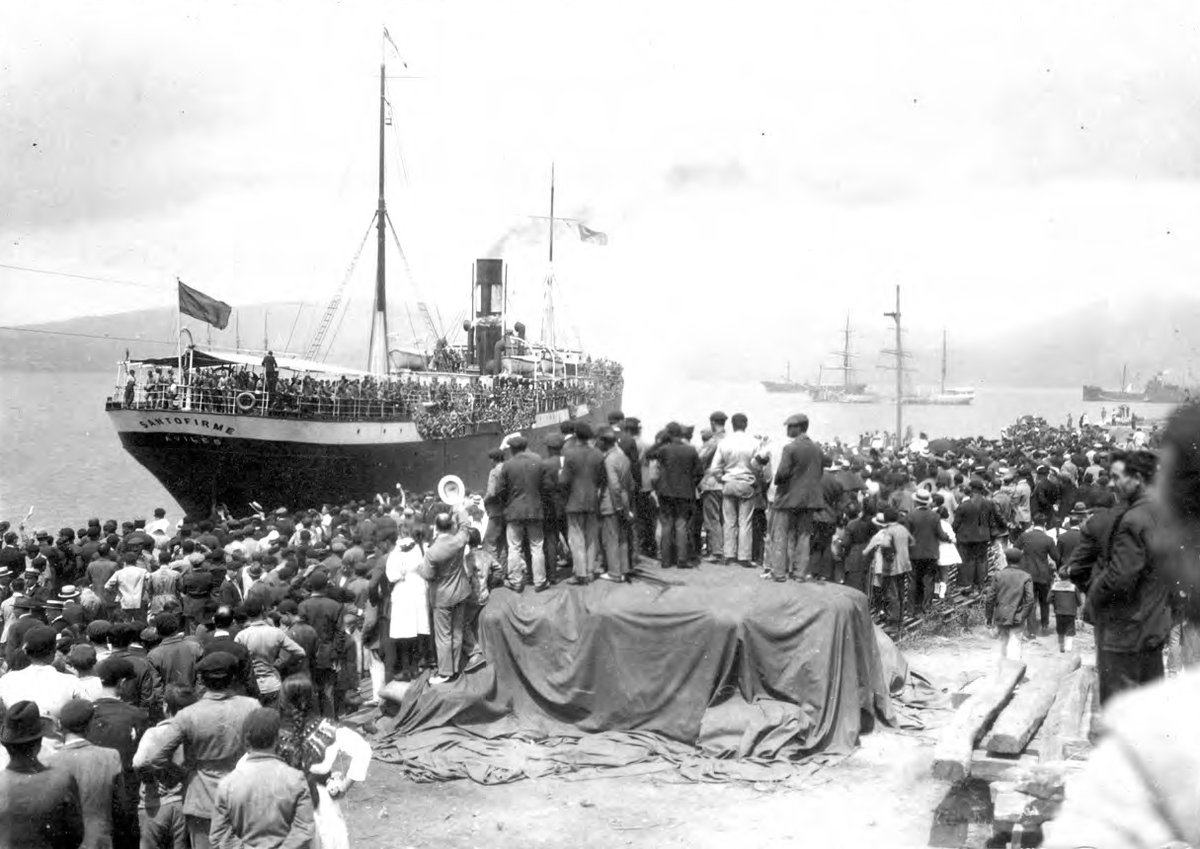
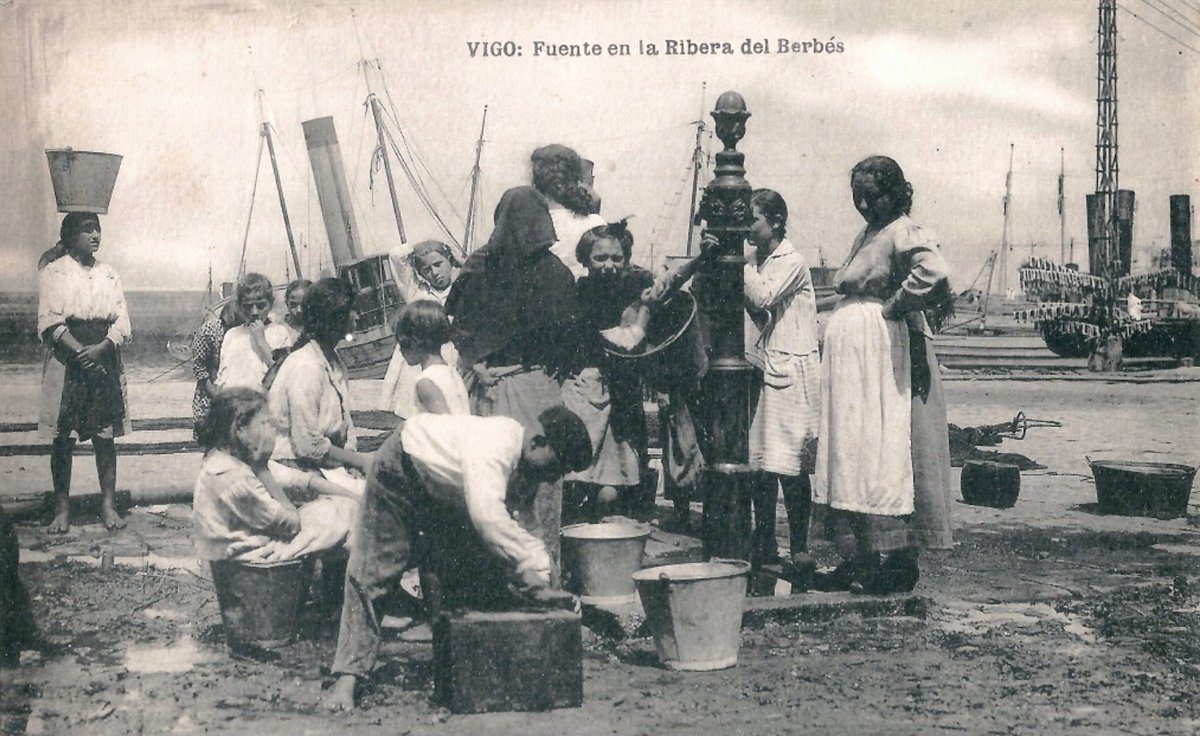
The roots of the Port of Vigo stretch back to pre-Roman times, when its natural harbor offered shelter and resources to early settlers. During the Middle Ages, the region grew as a fishing village, often threatened by pirate raids and foreign invasions, prompting the construction of fortifications and shaping the city’s enduring maritime identity (Galicia Guide).
The Battle of Rande and Age of Empire
A defining episode in Vigo’s maritime history was the 1702 Battle of Rande, where British and Dutch fleets attacked Spanish treasure galleons returning from the Americas. The legend of sunken treasure in Vigo Bay persists, adding intrigue to the port’s history and underscoring its strategic role in transatlantic trade (Galicia Guide).
19th Century Expansion
The 19th century saw Vigo’s transformation following its resistance to French occupation in 1809. Industrialization accelerated, with growth in shipbuilding, canning, and commerce, leading to rapid urban development and modernization of the port (Galicia Guide).
20th Century: Modernization and Growth
By the 20th century, Vigo had become the largest port in Galicia, specializing in general cargo, container traffic, and, most notably, the fishing industry. The city’s population and economy flourished, and ongoing infrastructure upgrades established Vigo as a major European maritime hub (Facts.net).
Contemporary Significance
Today, the Port of Vigo is managed by the Port Authority of Vigo, spans over 14,000 hectares of harbor waters, and operates within five municipalities. Its natural shelter ensures year-round activity, supporting a robust seafood industry and offering visitors easy access to historic sites, museums, and the vibrant city center (PortForward Project).
Economic and Cultural Significance
Strategic Role in Trade
Vigo is not only Spain’s preeminent fishing port but also a vital node in European and global trade, handling billions of euros in cargo annually (PortSEurope). The port’s infrastructure supports shipping, automotive exports, shipbuilding, and logistics.
Blue Economy and Sustainability
Vigo leads in sustainable “blue economy” initiatives, pioneering eco-friendly marine biotechnology, aquaculture, and circular economy projects that recycle marine waste (Sustainable World Ports).
Cultural Festivals and Gastronomy
Major festivals such as Vigo SeaFest and Reconquista de Vigo celebrate the city’s maritime culture, while the waterfront is famed for seafood markets and Galician culinary traditions. The Mercado da Pedra and Oyster Street are culinary hotspots, offering oysters and local delicacies (AnchorsUp).
Museums and Heritage
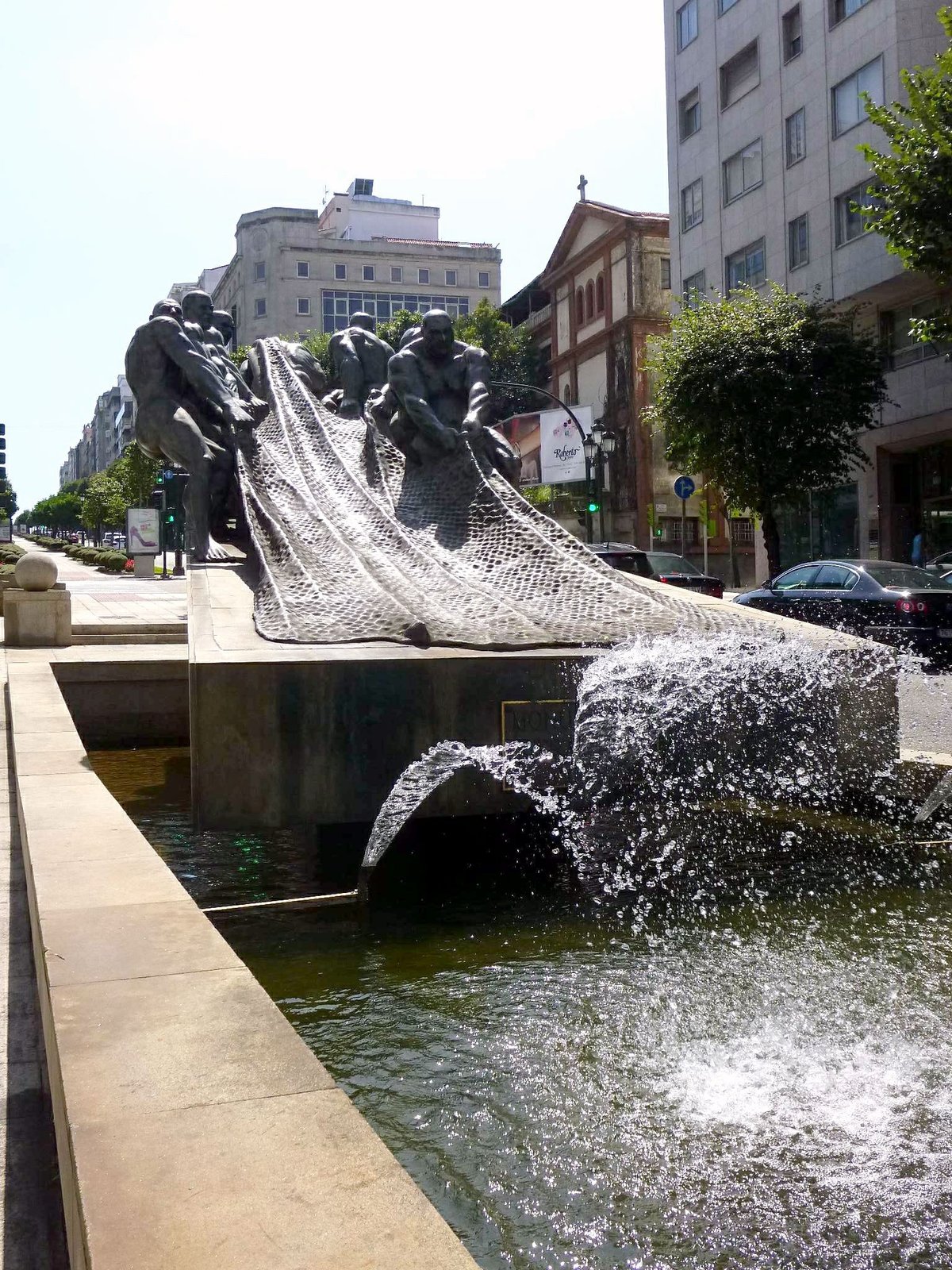
The Museo do Mar de Galicia and the Museum of Contemporary Art highlight Vigo’s maritime legacy and vibrant arts scene (ExploreCity). Public art installations and urban sculptures further enrich the waterfront (Vigo Urban Art).
Visiting the Port of Vigo: Practical Information
Visiting Hours and Access
- Port Area: Public areas and markets are open daily, typically from early morning until late evening.
- Museums: Most open from 10:00 to 19:00 (seasonal variations possible).
- Tourist Offices: Open 10:00–17:00 daily at Estación Marítima de Ría.
Tickets and Tours
- Port Areas: Free entry.
- Museums: €5–€10 (discounts available); tickets at the door or online.
- Guided Tours: Book via the Port Authority, tourist offices, or local operators. Advance booking is recommended during peak seasons.
Accessibility
- Main port areas and attractions are wheelchair accessible.
- Public transport and parking are available near the port and city center (Vigo Accessibility).
Travel Tips
- Wear comfortable shoes for exploring hilly, cobbled streets.
- Morning visits to seafood markets are best for fresh catches.
- Check seasonal event schedules for festivals such as SeaFest and O Marisquiño.
Key Attractions and Activities
Waterfront Promenade & Marina
Stroll along the Avenida da Beiramar for panoramic harbor views and access to the marina, home to the Real Club Náutico de Vigo (Real Club Náutico de Vigo). The promenade connects to the historic Casco Vello and offers scenic spots for dining and relaxation.
Mercado da Pedra & Oyster Street
Experience Vigo’s culinary culture at the bustling Mercado da Pedra and Rúa da Pescadería (Oyster Street), where freshly shucked oysters and Galician delicacies await (Vigo Tourism: Mercado da Pedra).
Maritime Museum of Galicia
Immerse yourself in maritime history at the Museo do Mar de Galicia. Open year-round, it features exhibits on fishing, shipbuilding, and marine life (Museo do Mar de Galicia).
Cruise Terminal & Cíes Islands Excursions
Vigo is a major cruise hub, with the Estación Marítima providing passenger services and direct ferry access to the Cíes Islands, a UNESCO-listed national park. Advance booking is required for island excursions (Cíes Islands Ferry).
Fishing Heritage & Guided Port Tours
Guided tours offer insights into Vigo’s role as Europe’s leading fishing port, including fish market visits and behind-the-scenes port operations (Port of Vigo Facts).
Nautical Events & Festivals
Annual events such as the Regata Rías Baixas, Vigo SeaFest, and Vigo Boat Show fill the waterfront with music, regattas, and local cuisine (Vigo SeaFest; Vigo Boat Show).
Nearby Historical Sites
- Casco Vello (Old Town): Medieval streets and plazas.
- Castelo de San Sebastián: Fortress with city and bay views.
- Castelo do Castro: Ancient hilltop castle and park.
- Museo do Mar de Galicia: Maritime exhibits and panoramic terrace.
Getting Around Vigo
- On Foot: The city center and port are highly walkable; note the hilly terrain.
- Public Transport: Buses and taxis are readily available at the port.
- Airport Access: Vigo-Peinador International Airport is 10 km from the port.
- Train & Bus: Vigo-Guixar station connects to major cities; regional buses serve the area (exploreinspain.com).
Visitor Facilities and Services
- Tourist Information: Available at Estación Marítima de Ría and Rúa Cánovas del Castillo 22 (independent.co.uk).
- Restrooms & Wi-Fi: Public facilities at the port and shopping centers; free Wi-Fi widely available.
- Luggage Storage: Provided at the port and train stations.
- Shops & ATMs: Numerous options within a short walk of the port.
Weather and Best Time to Visit
Vigo enjoys a mild, maritime climate. Summers are warm (average highs of 24°C/75°F), and winters are mild (rarely below 8°C/46°F). Rain is most common between October and April, so plan accordingly for outdoor activities (thecrazytourist.com).
Costs and Budgeting
Vigo is a budget-friendly destination. A one-week visit averages around $749 per person, including accommodation, food, and activities. Dining out is affordable, with tapas and seafood options at various price points (turispanish.com).
Accessibility and Safety
While central Vigo and the port are largely accessible, the city's steep, cobbled streets can be challenging for some visitors. Taxis and certain buses are equipped for wheelchair users. The city is generally safe, with a visible police presence and standard safety precautions advised.
Food, Shopping, and Nightlife
Vigo’s cuisine is centered around fresh seafood—oysters, octopus (pulpo), and shellfish are must-tries. A Laxe Mall and the Old Town offer diverse shopping, from Galician crafts to gourmet food products. The port area and Casco Vello feature lively bars and nightlife (cruisingkids.co.uk).
Festivals and Events
Major events include the Festas da Cidade in August, the Conxemar seafood trade fair, and the Navalia Shipbuilding Exhibition. Seasonal festivities like “Nadal en Vigo” bring markets and light displays to the waterfront (exploreinspain.com; wikipedia.org).
Frequently Asked Questions (FAQ)
Q: What are the Port of Vigo visiting hours?
A: Public port areas and markets are open daily, generally from early morning until late evening. Museums typically open from 10:00 to 19:00.
Q: Are tickets required for port attractions?
A: Outdoor areas are free. Museums and guided tours require tickets, available online or at tourist offices.
Q: How do I reach the Cíes Islands?
A: Regular ferries depart from the port; tickets should be booked in advance, especially during peak season.
Q: Is the port wheelchair accessible?
A: Yes, major areas and attractions are accessible, with adapted services available.
Q: What local dishes should I try?
A: Oysters, percebes (goose barnacles), pulpo a la gallega, and local Albariño wines.
Practical Tips
- Footwear: Wear sturdy shoes for hills and cobblestones.
- Cash/Card: Cards are widely accepted, but some cash is handy for markets.
- Weather: Pack a light jacket or umbrella for variable weather.
- Safety: Keep valuables secure in crowded areas.
Visuals and Maps
For a richer experience, consult interactive maps and photo galleries on the official Port of Vigo website and local tourism portals.
Useful Contacts
- Port Authority: +34 986 268 000 (apvigo.es)
- Tourist Information: +34 986 430 577 (turismodevigo.org)
- Emergency: 112
Plan Your Visit
The Port of Vigo is a dynamic destination where history, culture, and commerce converge. Its accessible location, diverse attractions, and vibrant atmosphere make it ideal for travelers of all interests. To get the most from your visit, consult the latest visiting hours, book tickets ahead, and explore related attractions throughout Vigo and Galicia.
Download the Audiala app for real-time updates, interactive maps, and exclusive offers. Follow us on social media for the latest tips and inspiration on Vigo and beyond.
Listen to the full story in the app
The whole Port Of Vigo,
told well.
Listen to sourced travel stories with local history and practical context — ready offline.
Verified, and shown.
Researched and written by the Audiala editorial team from historical records, architectural archives, and local expertise.
Built from cited sources · see the method · How we make our guides →