
Historical Origins and Development
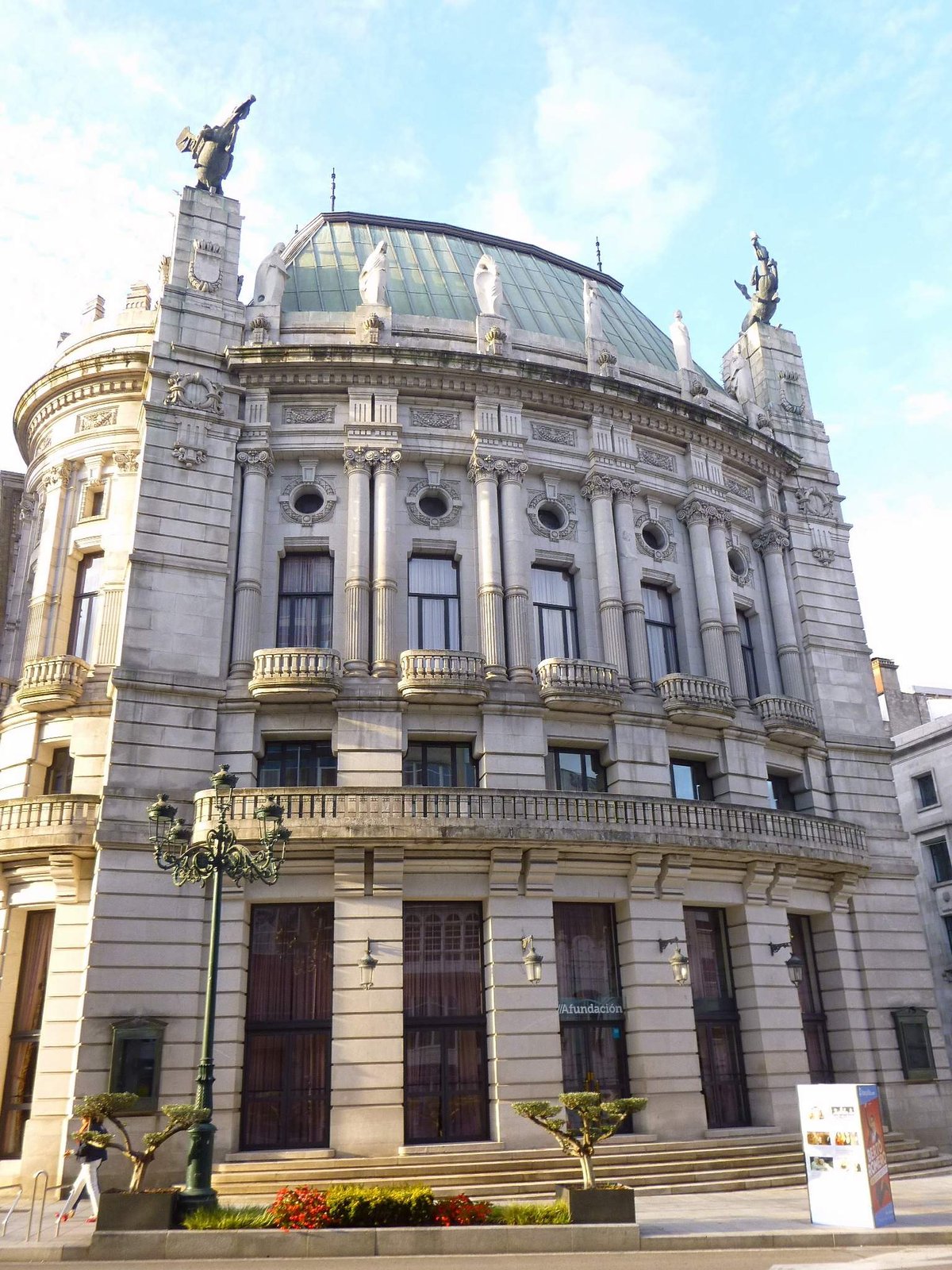
The story of Afundación Theatre begins with the Teatro Rosalía de Castro, established during Vigo’s urban and cultural expansion in the late 19th and early 20th centuries. After a fire destroyed the original theatre in 1910, philanthropist José García Barbón’s family commissioned Antonio Palacios to design a new venue. Palacios envisioned a multifunctional building, and despite economic challenges, the main structure was completed by 1926. The theatre soon became an essential part of Vigo’s cultural landscape, hosting a wide range of artistic events and serving as a beacon of resilience and community spirit (Afundación).
Architectural Vision & Restoration
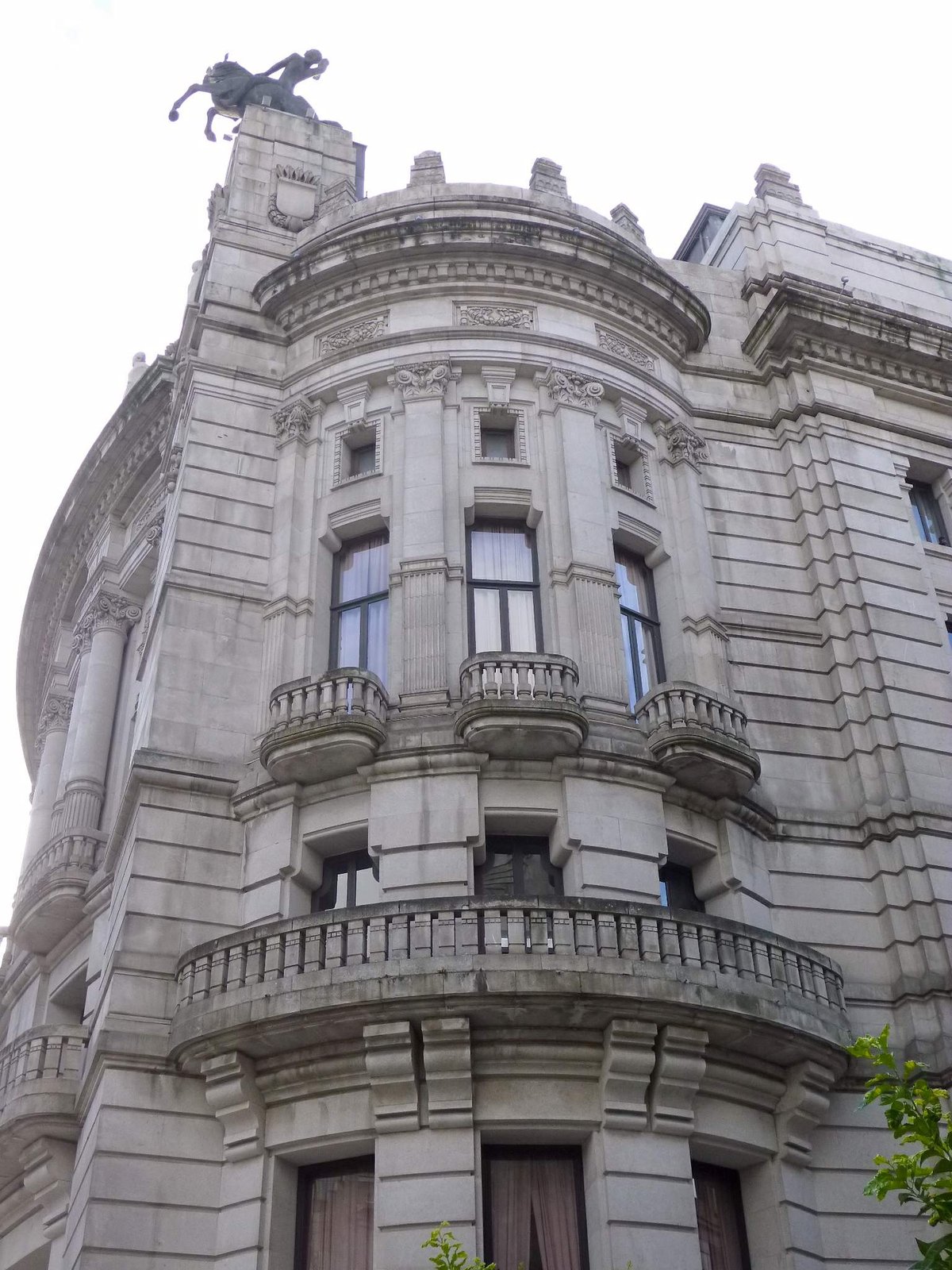
Antonio Palacios’ design is a striking example of eclectic academicism, blending Neo-Mudejar arches, Art Nouveau details, and grandiose curves inspired by the Opéra Garnier in Paris. The exterior features luminous white granite from Castrelos, while the interior boasts a spacious vestibule, ceremonial staircase, and a remarkable stained-glass skylight by the Maumejean studio. Key spaces include the horseshoe-shaped main auditorium, multipurpose rooms, and exhibition areas supported by visible granite pillars (Hoxe Vigo).
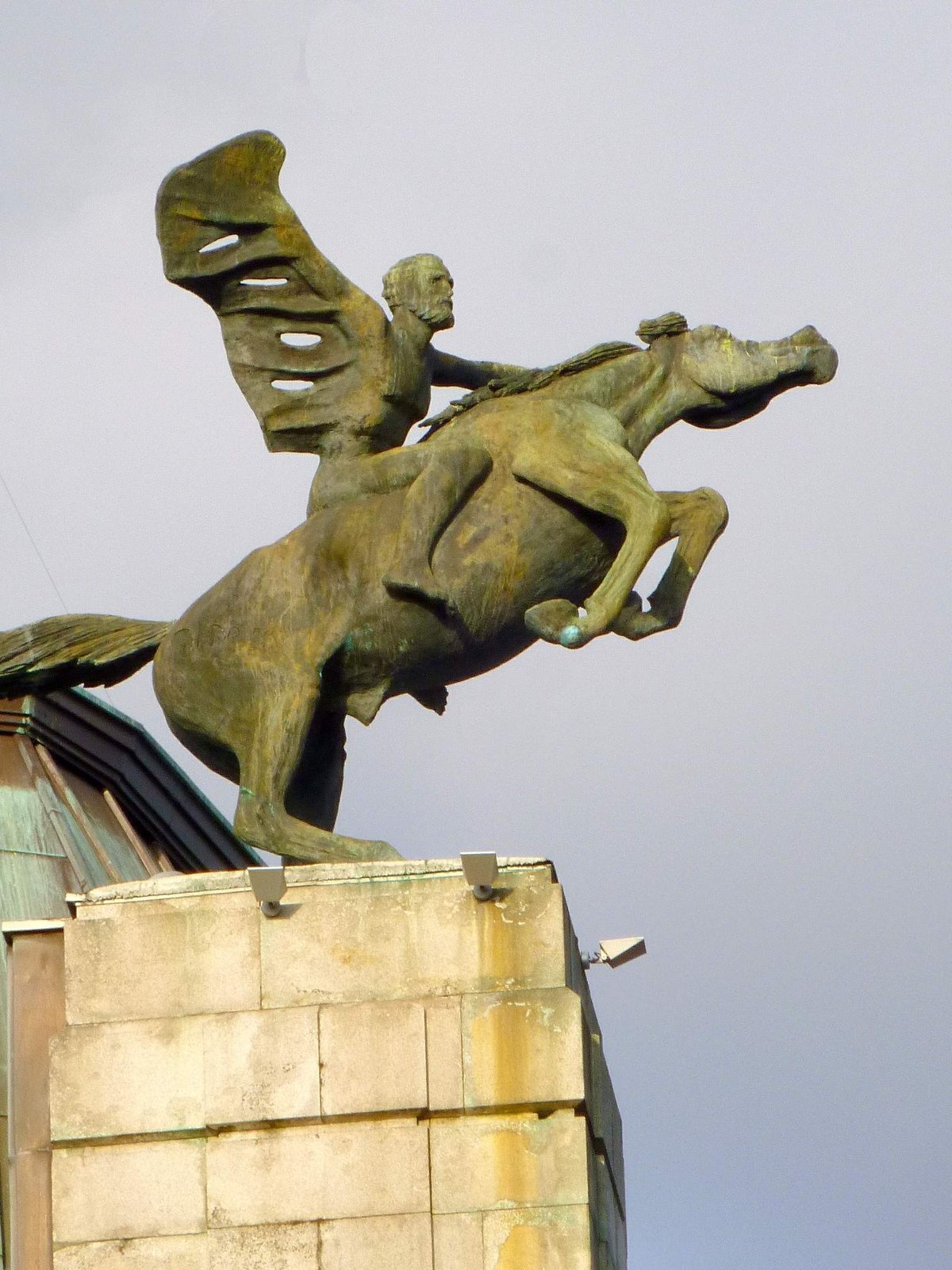
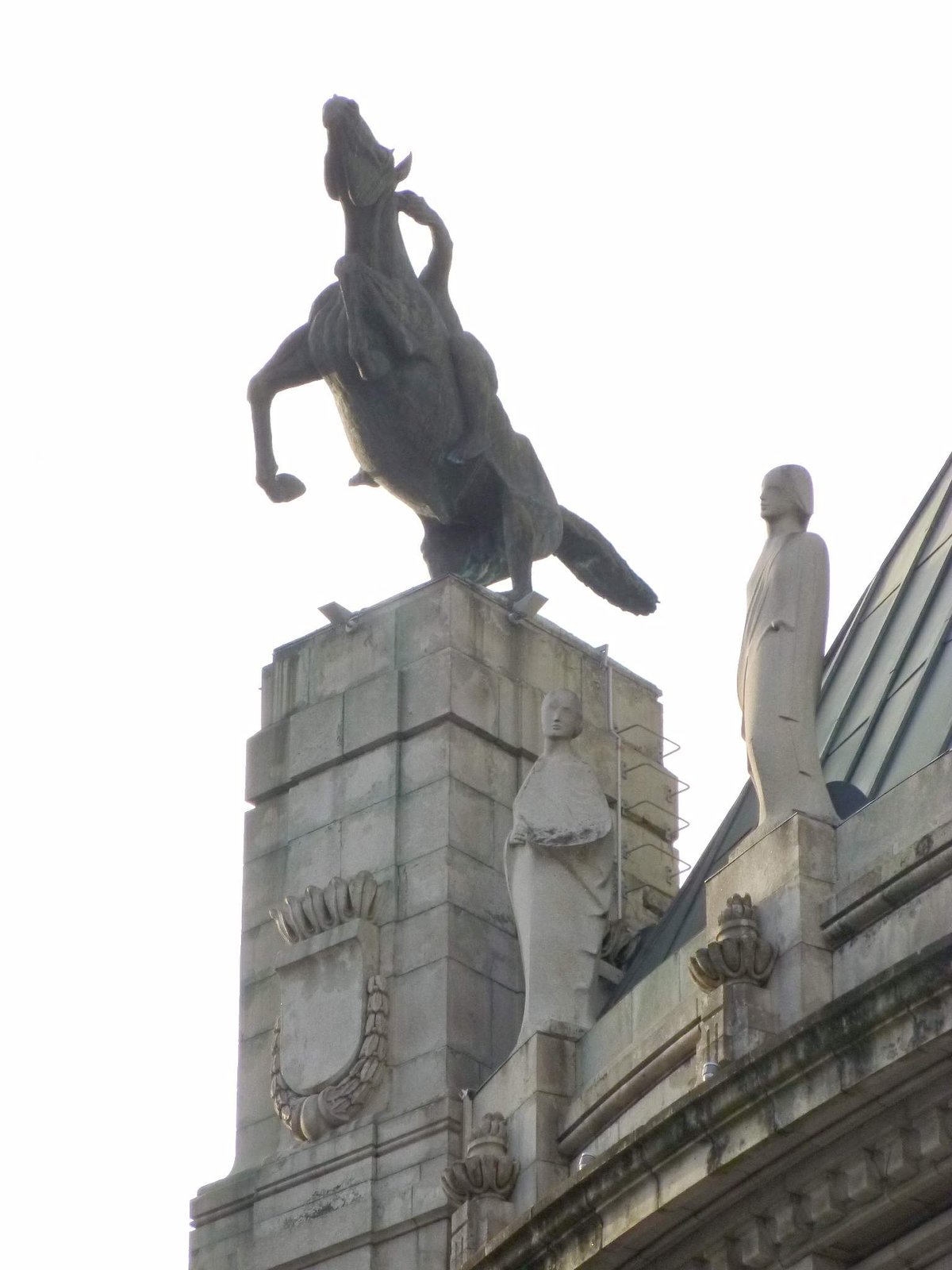
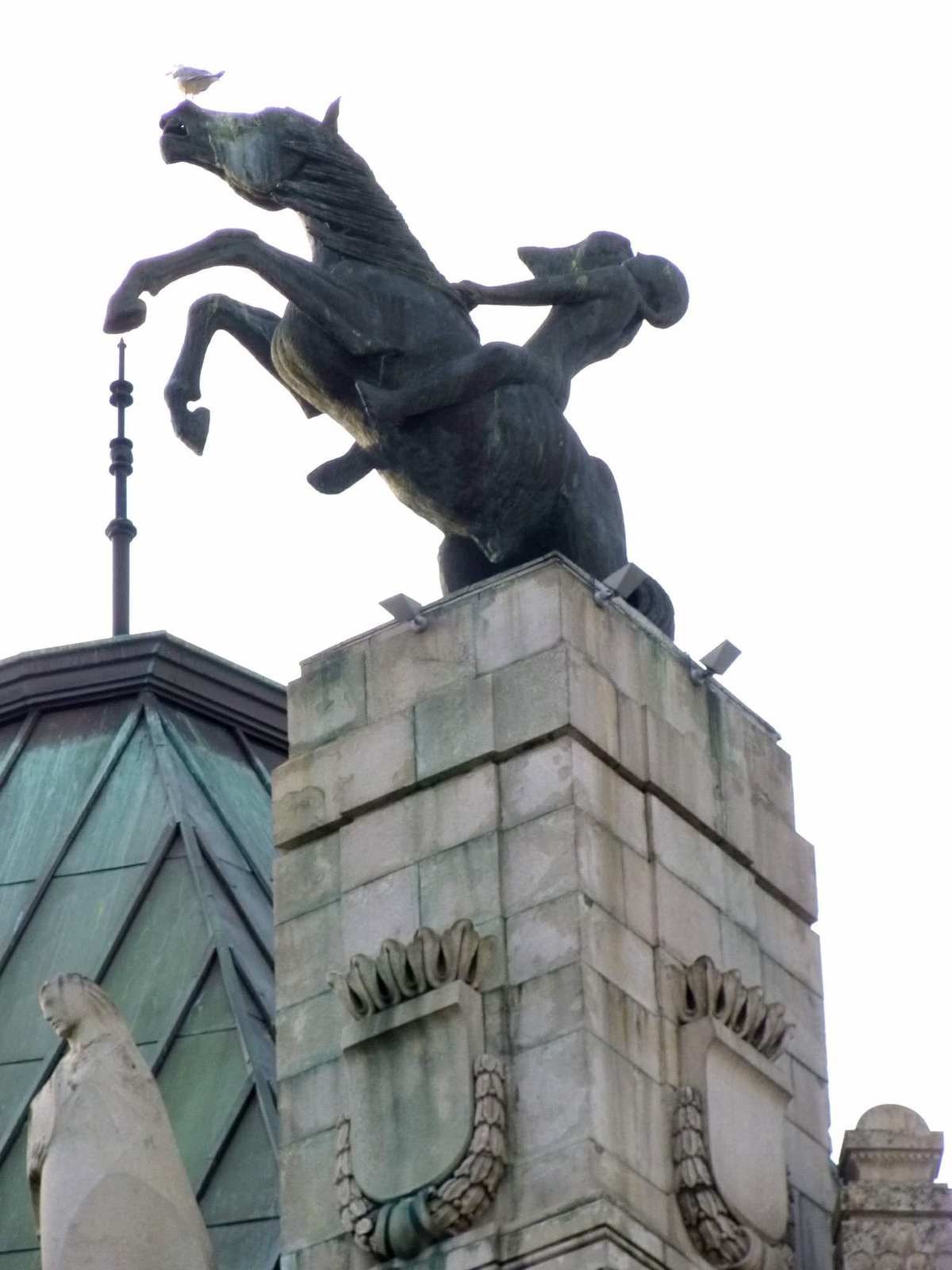
In 1982, the building underwent a major restoration led by Desiderio Pernas, preserving the original layout and adding modern facilities. Notable sculptural additions include equestrian statues by Juan Oliveira Vieitez and allegorical figures by Manuel García Vázquez, representing different artistic disciplines (Afundación).
The Theatre’s Role in Vigo’s Cultural Life
Afundación Theatre has long been a cornerstone of Vigo’s cultural identity. Its main hall accommodates nearly 1,000 guests, complemented by secondary auditoriums, conference rooms, and exhibition spaces. The theatre hosts a diverse program, from classical music and opera to contemporary theatre, dance, festivals, and art exhibitions. Its versatility and central location make it both a gathering place for the community and a platform for international acts and major regional events (Hoxe Vigo; Faro de Vigo).
Educational initiatives and guided tours provide behind-the-scenes insights, deepening public engagement and appreciation for the theatre’s mission (myCityHunt).
Visitor Information: Hours, Tickets & Tours
Visiting Hours
- Monday to Saturday 10:00 AM – 8:00 PM
- Sunday & Holidays Closed (may open for performances; check the official website for updates)
Tickets
- Tickets are available online via the official Afundación Theatre website and at the box office.
- Prices vary by event, typically ranging from €10 to €40.
- Discounts are often available for students, seniors, and groups.
- Advance booking is recommended, especially for popular performances (ataquilla.com).
Guided Tours
- Guided tours can be booked in advance and typically include architectural highlights, backstage access, and historical context.
- Tours last approximately 45–60 minutes and are available in Spanish, with some options in English (explorial.com).
Accessibility and Practical Info
- Location Rúa Policarpo Sanz 24–26, Vigo, Spain
- Transport Easily accessible by city buses, taxis, and within walking distance from Vigo-Urzáiz train station.
- Parking Public garages nearby (fees apply; parking may be limited during major events).
- Wheelchair Accessibility Ramps, elevators, and designated seating are available.
- Hearing Assistance Audio devices can be provided upon request.
- Language Most performances are in Spanish or Galician; some international events may have English surtitles or notes.
Nearby Attractions and Travel Tips
- Casco Vello (Old Town) Explore Vigo’s historic center, with charming streets and local shops.
- Mercado da Pedra A lively market area for shopping and local delicacies.
- Castrelos Park Enjoy beautiful gardens and the Museum of Quiñones de León.
- Port and Seafront Ideal for a scenic walk or waterfront dining.
Travel Tips:
- Combine a theatre visit with a stroll through Vigo's city center for a full cultural experience.
- Weekday performances are often less crowded.
- Dress is typically smart-casual; formal wear is common for galas and premieres.
- Arrive 20–30 minutes early for performances.
Frequently Asked Questions (FAQs)
Q: How can I buy tickets for Afundación Theatre?
A: Tickets are available through the official website and at the box office. Early booking is advised for popular events.
Q: Is the theatre accessible for visitors with disabilities?
A: Yes, the venue offers wheelchair access, elevators, hearing assistance devices, and staff support.
Q: Are guided tours available?
A: Guided tours can be booked in advance, offering access to architectural features and backstage areas.
Q: Can I take photos inside the theatre?
A: Photography is allowed in public spaces but typically prohibited during performances.
Q: What are the best nearby attractions?
A: Casco Vello, Mercado da Pedra, Castrelos Park, and Vigo’s port area.