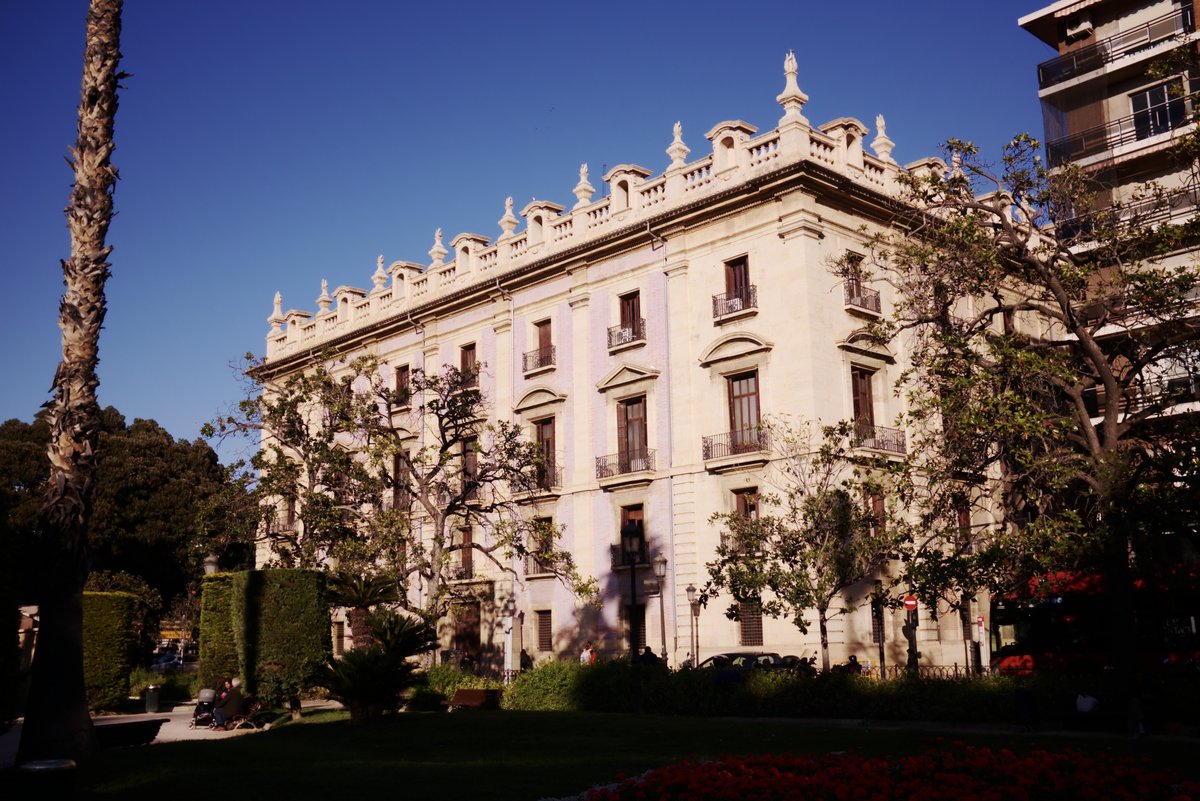
Introduction: Valentia Edetanorum and Its Significance
Valentia Edetanorum, the ancient Roman city beneath modern Valencia, Spain, stands as a testament to centuries of history and cultural evolution. Established in 138 BCE as a Roman colony for veterans, Valentia was strategically situated along the Turia River and key trade routes, becoming a linchpin of Roman Hispania. Today, its remarkable archaeological remains—most notably the Centre Arqueològic de l’Almoina—allow visitors to witness firsthand the city’s evolution from Iberian roots to Roman grandeur, through Visigothic and Moorish periods. This guide provides everything you need to explore Valentia Edetanorum: from historical background and cultural significance to practical details on visiting hours, tickets, accessibility, and nearby attractions (Valencia Unravelled; GuiriGuru; 247valencia.com).
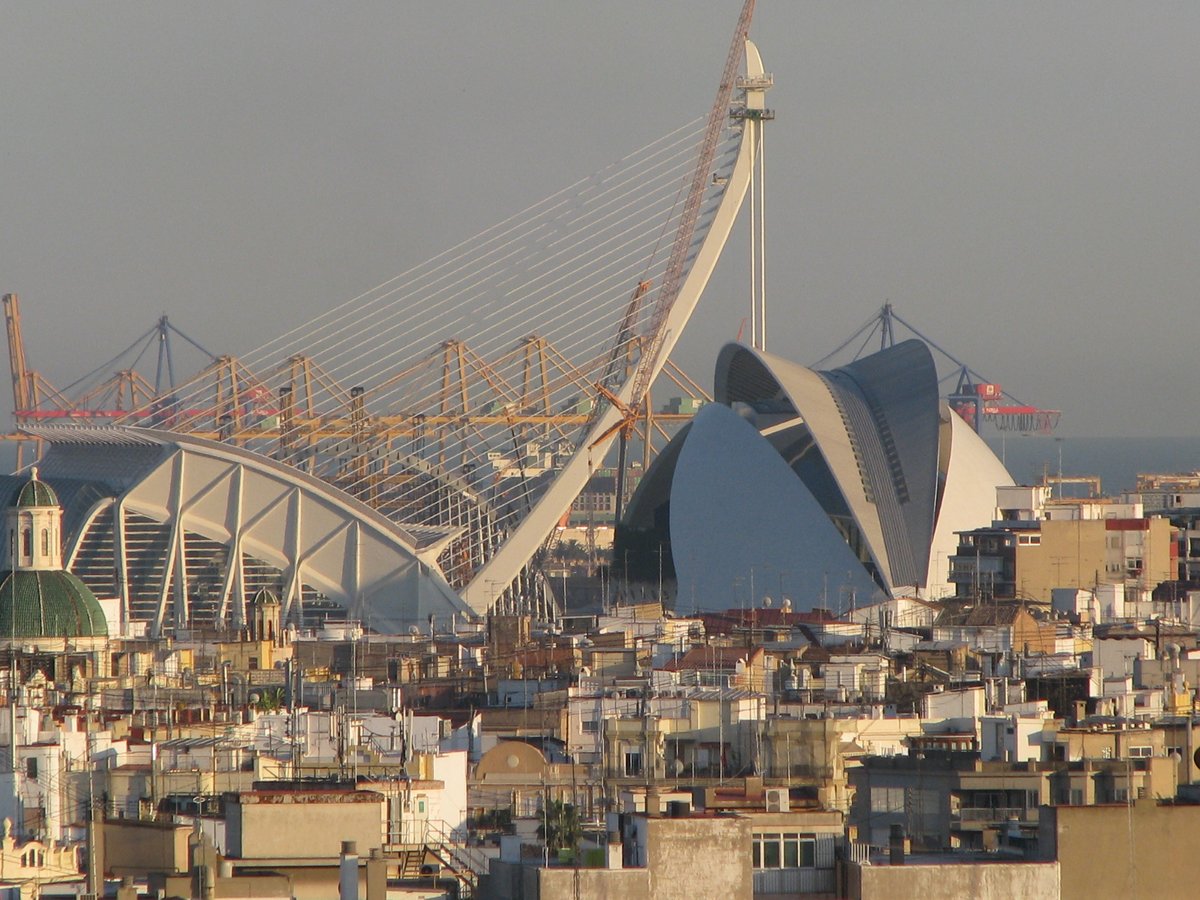
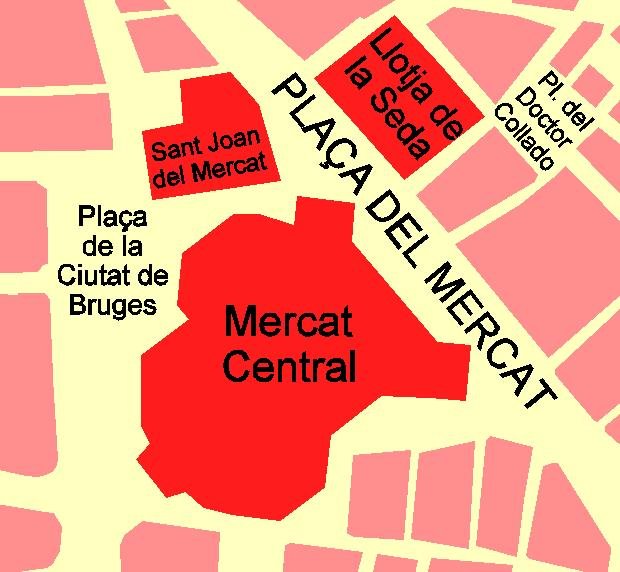
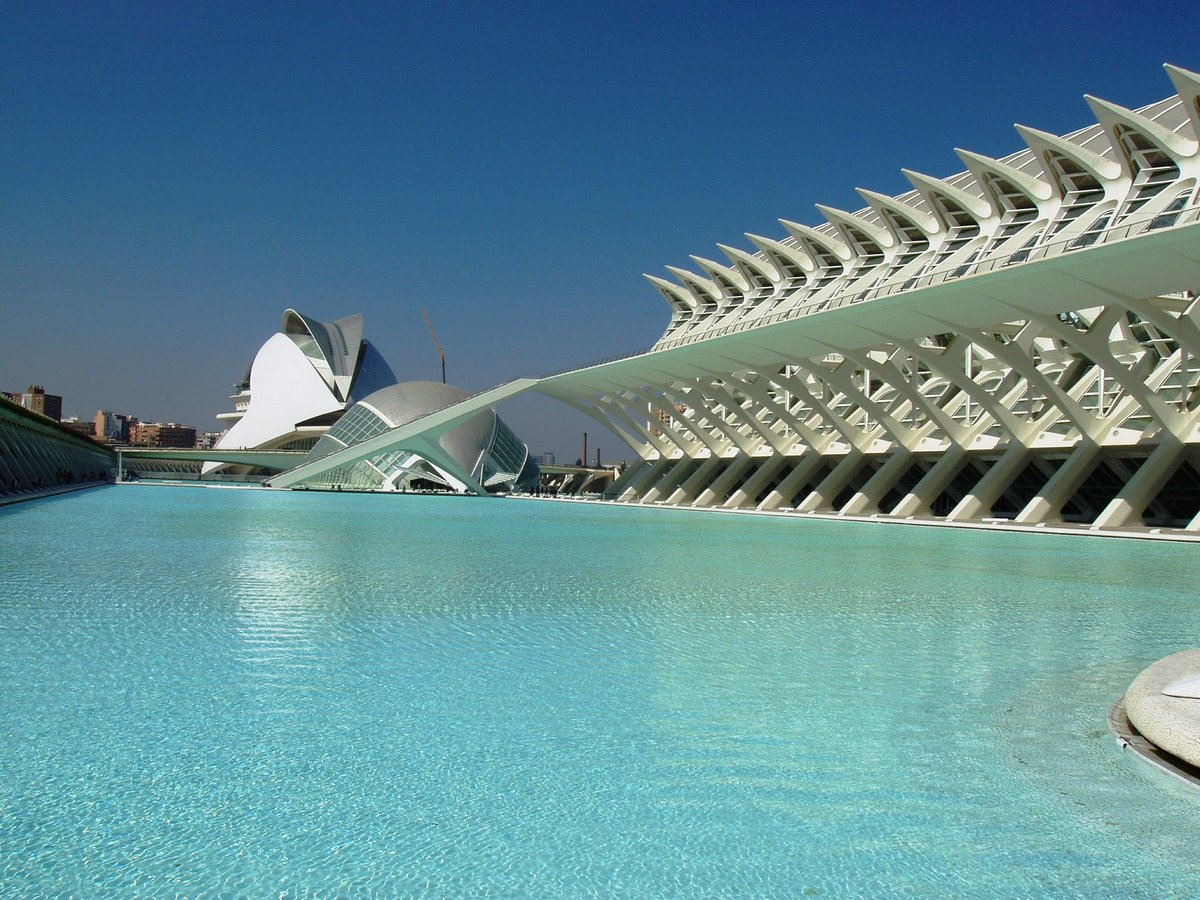
Photo Gallery
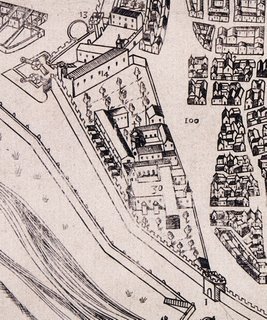
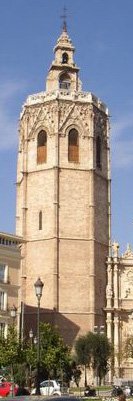
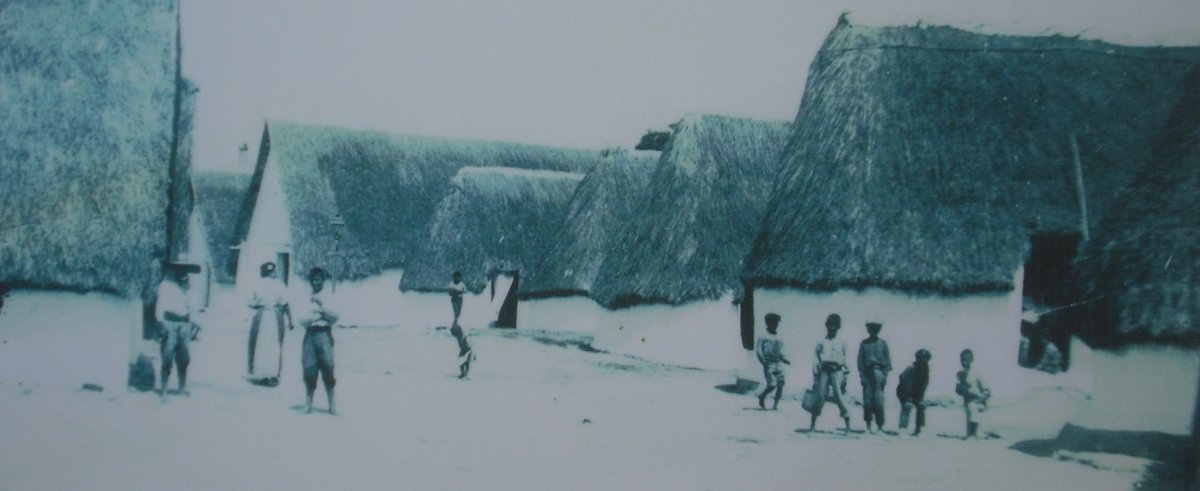
Explore Valentia Edetanorum in Pictures
Historical Background: From Edetani to Valentia Edetanorum
Pre-Roman Context: The Edetani and Edeta
Before Roman settlement, the region was inhabited by the Edetani, an Iberian people whose capital, Edeta (modern Llíria), was renowned for advanced water management and urban development. The name “Edeta” itself means “plenty of water,” reflecting the region's fertility and sophisticated irrigation systems (Valencia Unravelled). Archaeological finds, including ceramics and settlement remains, reveal a thriving culture predating Roman influence (avalencia.com).
Roman Foundation and Urban Planning
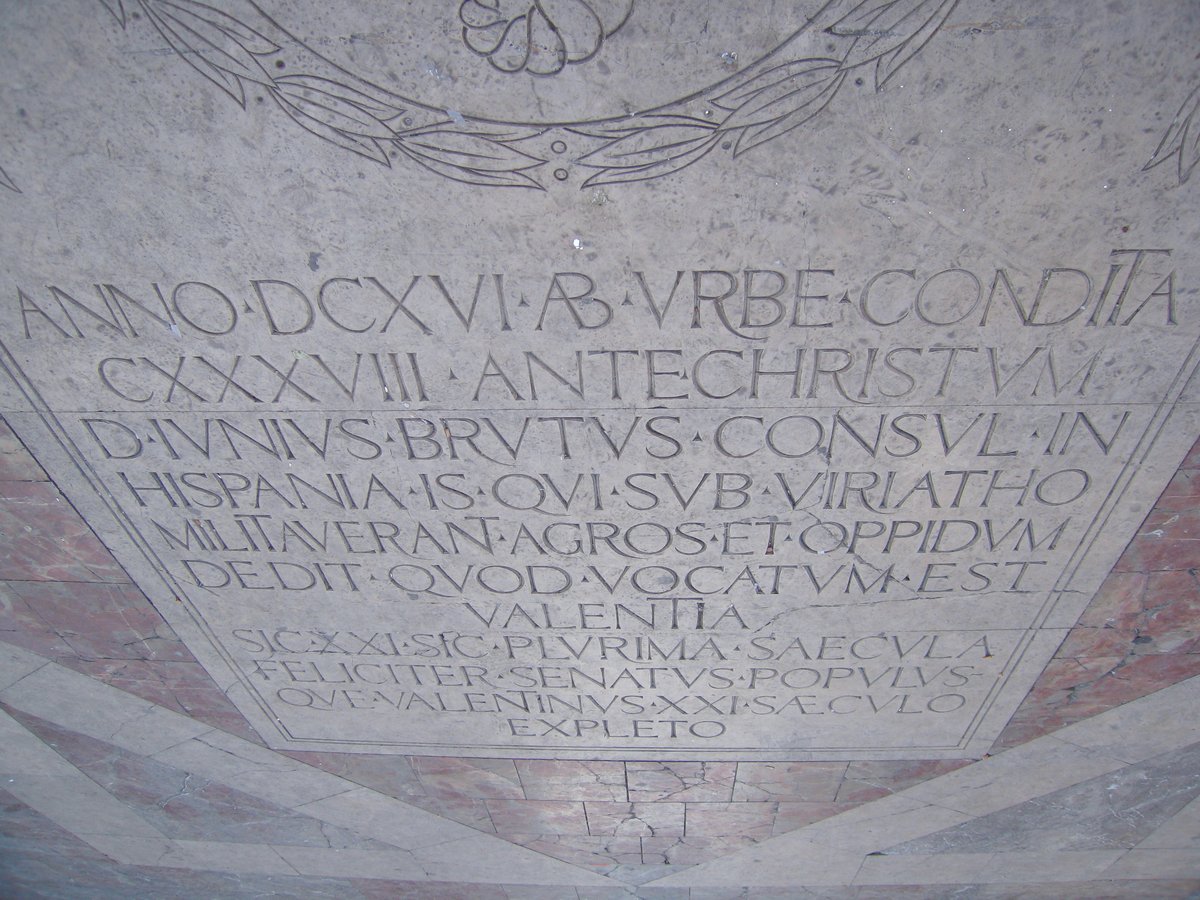
In 138 BCE, Roman consul Decimus Junius Brutus Callaicus founded Valentia Edetanorum as a colony for approximately 2,000 veterans, likely from the Lusitanian Wars (Wikipedia; Valencia Unravelled). The site was chosen for its proximity to the Turia River and its position along the Via Heraklea (later Via Augusta), connecting it to the Roman world and facilitating trade. The city was laid out in the classic Roman grid, with the forum—now beneath Plaza de la Virgen and Plaza de la Almoina—serving as the civic and religious heart. The Cardo Maximus (north-south) and Decumanus Maximus (east-west) intersected at the forum (Wikipedia; Explorial).
Early Development and Transformation
Valentia flourished with public baths, temples, a circus, and an aqueduct (GuiriGuru). However, in 75 BCE, it was destroyed during the Sertorian War by Pompey’s forces, leaving it nearly deserted for decades. Excavations at the Centre Arqueològic de l’Almoina reveal burnt layers and remains from this conflict (GuiriGuru). The city was rebuilt around 50 BCE and expanded under Augustus, eventually becoming a major urban center in Hispania Tarraconensis (Wikipedia).
Valentia Edetanorum Today: Visitor Information and Practical Details
Centre Arqueològic de l’Almoina
- Opening Hours: Tuesday–Saturday, 10:00–19:00; Sundays and holidays, 10:00–14:00; closed Mondays.
- Tickets: €2 per person; free on Sundays and holidays.
- Combination Ticket: €6, valid for three days at multiple archaeological sites (Roam in the Empire).
Museu de Prehistòria de València
- Location: Carrer de la Corona 36.
- Opening Hours: Tuesday–Sunday, 10:00–20:00; closed Mondays.
- Tickets: €2; free on weekends and holidays.
Ticket Purchase
Tickets are available at site entrances and online (where offered). Combination tickets provide savings for those visiting multiple sites.
Accessibility and Guided Tours
The Centre Arqueològic de l’Almoina is fully accessible and features interpretive panels in several languages. Guided walking tours of the old town (El Carmen) often include Roman sites and can be booked through local operators or visitor centers.
Archaeological Sites and Highlights
Centre Arqueològic de l’Almoina
Walk on glass flooring to observe multi-layered remains from Roman, Visigothic, and Moorish periods, including:
- Roman baths with hypocaust system.
- Forum structures and public buildings.
- Streets and dwellings from different eras (Roam in the Empire; Explorial).
Museu de Prehistòria de València
This museum houses artifacts from Roman Valentia and the wider region, including ceramics, coins, and tools, and provides context for daily life in ancient times.
Additional Roman Remains
- Segments of the Roman city wall and aqueduct are preserved in various parts of Valencia (avalencia.com).
- Roman foundations are visible under Valencia Cathedral and nearby churches, with later Visigothic and Moorish layers added (GuiriGuru).
Cultural Significance: Rituals, Economy, and Endurance
Valentia’s founding was marked by Roman rituals, including sacrifices and banquets, as evidenced by finds at Almoina (historiaeweb.com). Temples and altars to Roman gods, funerary practices, and economic activities such as minting coins with the goddess Roma and cornucopia motifs, reflect the city’s social and symbolic significance (historiaeweb.com; batzine.net). Even after destruction in 75 BCE, Valentia was rebuilt, demonstrating the resilience for which it is named (247valencia.com).
Travel Tips and Nearby Attractions
- Best Time to Visit: April–June and September–October for pleasant weather and smaller crowds (Turispanish).
- Transport: Valencia is accessible by train, bus, and air, with metro links from the airport to the city center (Roam in the Empire).
- Nearby: Llíria (ancient Edeta), 25 km northwest, offers further Iberian and Roman sites (GuiriGuru).
- Other Must-Sees: Valencia Cathedral, La Lonja de la Seda (Silk Exchange), Turia Gardens, and the City of Arts and Sciences.
FAQs: Visiting Valentia Edetanorum
Q: What are the opening hours for the Centre Arqueològic de l’Almoina?
A: Tuesday–Saturday, 10:00–19:00; Sundays and holidays, 10:00–14:00; closed Mondays.
Q: Are guided tours available?
A: Yes, several companies offer walking tours including Roman sites. Check local tourism offices or online.
Q: Is the site wheelchair accessible?
A: Yes, with interpretive panels in multiple languages.
Q: How can I buy tickets?
A: At the entrance or online. Combination tickets are recommended for multiple site visits.
Q: Are there special events?
A: Valencia hosts festivals and cultural events celebrating its Roman heritage; check official tourism sites for the latest schedule.
Notable Facts and Figures
- Valentia Edetanorum was founded in 138 BCE with about 2,000 Roman veterans (Wikipedia).
- Key sites: Centre Arqueològic de l’Almoina, Museu de Prehistòria de València, Roman remnants beneath Valencia Cathedral.
- Entrance fees: typically €2–3, with many sites free on Sundays or with combination tickets (Roam in the Empire).
- While the Roman remains are not UNESCO-listed, Valencia features three UNESCO World Heritage Sites (Nomadic Matt).
Practical Tips for Visiting Valencia
- Public Transport: Metro, buses, and trams are efficient; the Valencia Tourist Card provides unlimited access.
- Cycling: The city is bike-friendly, especially along the Turia Gardens.
- Accommodation: Book ahead during festivals like Las Fallas (March).
- Language: Spanish and Valencian are official; English is widely spoken in tourist areas.
- Cost: Valencia is affordable—expect €10–15 for lunch, €2–3 for coffee, and €1.50–2 for a metro ticket (Mypathintheworld).
- Safety: Valencia is considered safe; take standard precautions in crowded areas.
Discover More
Exploring Valentia Edetanorum connects you to the ancient heart of Valencia—a city shaped by Roman valor and Iberian ingenuity. With accessible archaeological sites, clear visiting hours, affordable tickets, and a wealth of nearby attractions, your journey through history is as convenient as it is fascinating. Use the Audiala app for up-to-date information, guided tours, and event alerts. For a complete experience, combine your visit with Valencia’s many other historical and cultural highlights, from the Silk Exchange to the City of Arts and Sciences.
Ready to discover the origins of Valencia? Download the Audiala app, follow us on social media, and start planning your journey through time!
Listen to the full story in the app
Your Personal Curator, in Your Pocket.
Audio guides for 1,100+ cities across 96 countries. History, stories, and local insight — offline ready.
Audiala App
Available on iOS & Android
Join 50k+ Curators
Sources
- verified
- verified
- verified
- verified
- verified
- verified
- verified
- verified
- verified
- verified
- verified
- verified
Last reviewed: