Introduction
The Torres dels Serrans (Serranos Towers) are among Valencia’s most significant medieval landmarks and stand as an enduring symbol of the city. Erected between 1392 and 1398 under architect Pere Balaguer, these imposing Gothic towers once formed the main northern gateway of Valencia’s ancient city walls. Today, they offer visitors a spectacular blend of rich history, architectural grandeur, panoramic city views, and vibrant cultural events, making them a must-see destination for anyone exploring Valencia (Wikipedia; History Hit).
This guide provides authoritative and up-to-date information on visiting hours, ticketing, accessibility, guided tours, nearby attractions, and practical tips, helping you make the most of your visit to one of Valencia’s most iconic historical sites (Visit Valencia; Northleg).
Photo Gallery
Explore Torres Dels Serrans in Pictures
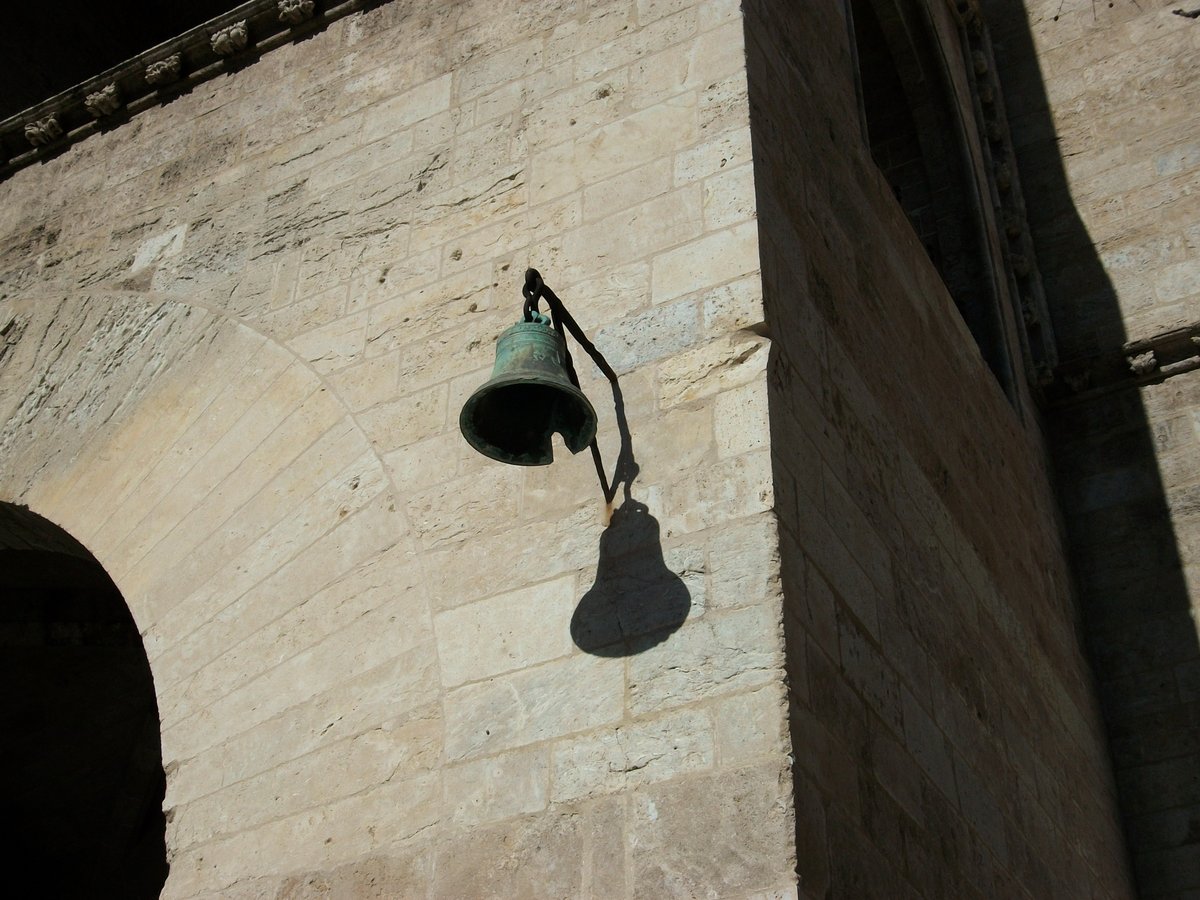
Close-up view of the broken bell at Les Torres de Serrans, a historic landmark in Valencia, Spain.
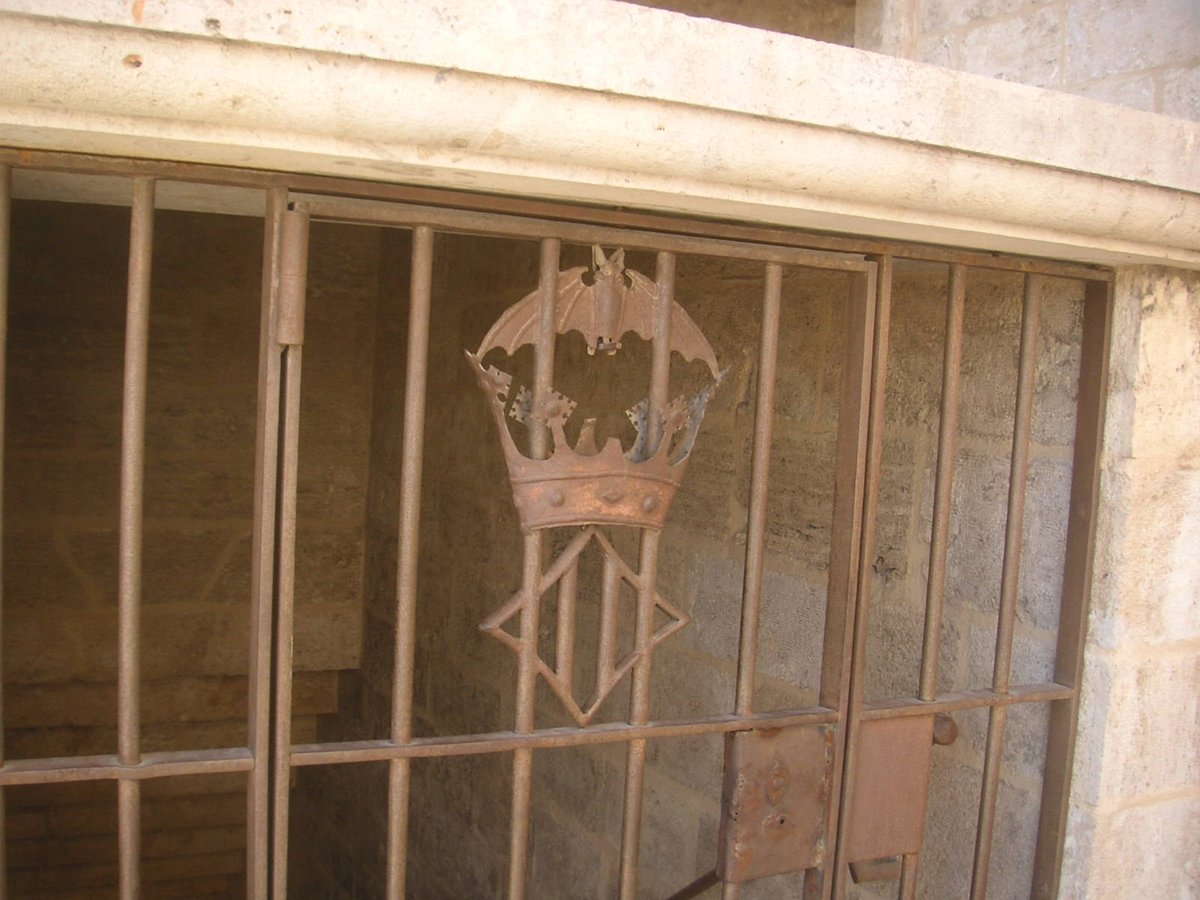
Detailed image of the Escudo de Valencia featuring the crowned coat of arms and the symbolic 'la rata penada' bat mounted on one of the doors of the interior staircase.
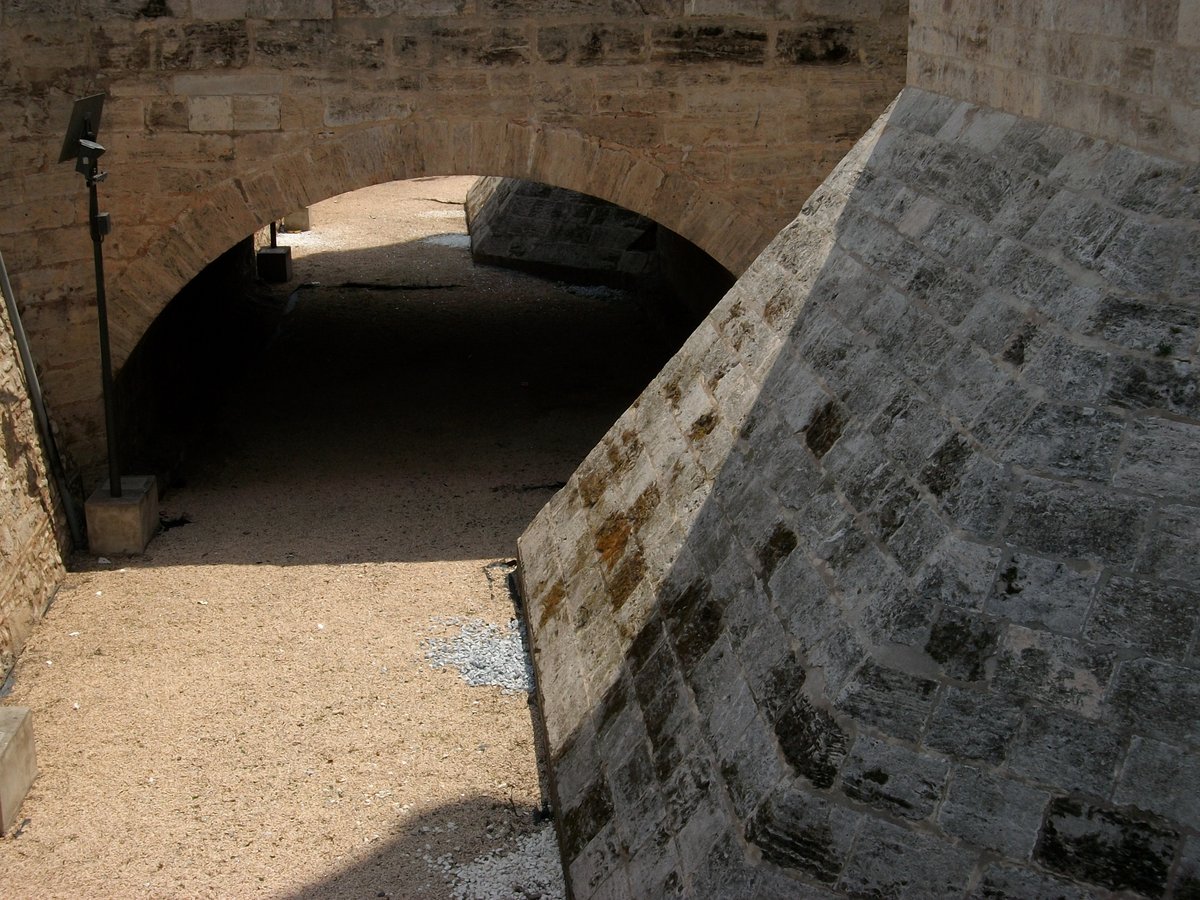
Scenic view of the Fossat de les Torres de Serrans, a historic moat surrounding the Torres de Serrans, an ancient gate in Valencia, Spain.
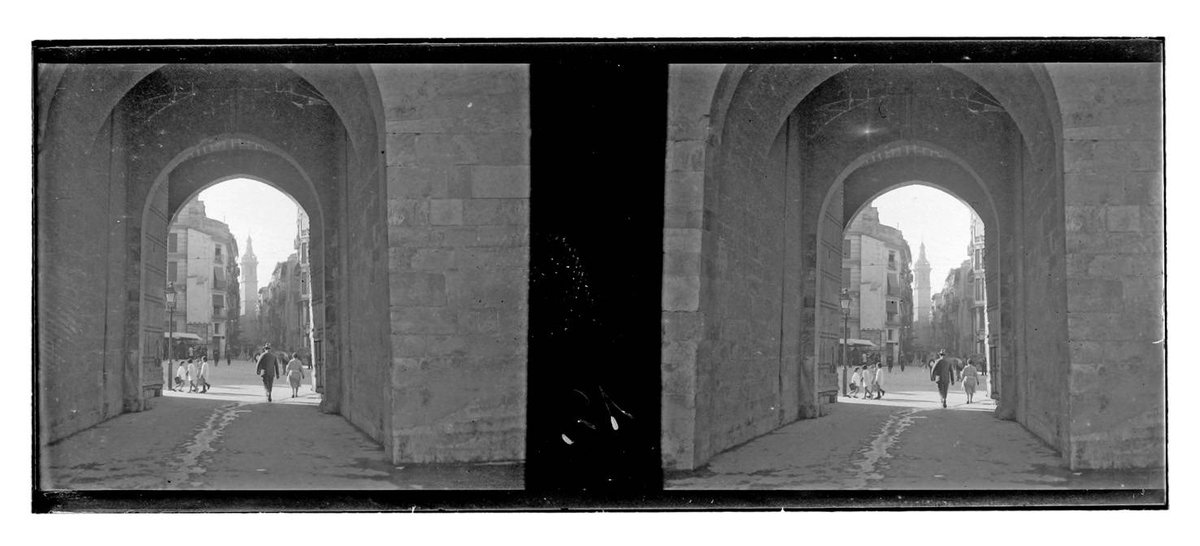
Historic Portal de les Torres de Serrans gate in Valencia Spain photographed by Marcel·lí Gausachs i Gausachs between 1920 and 1930
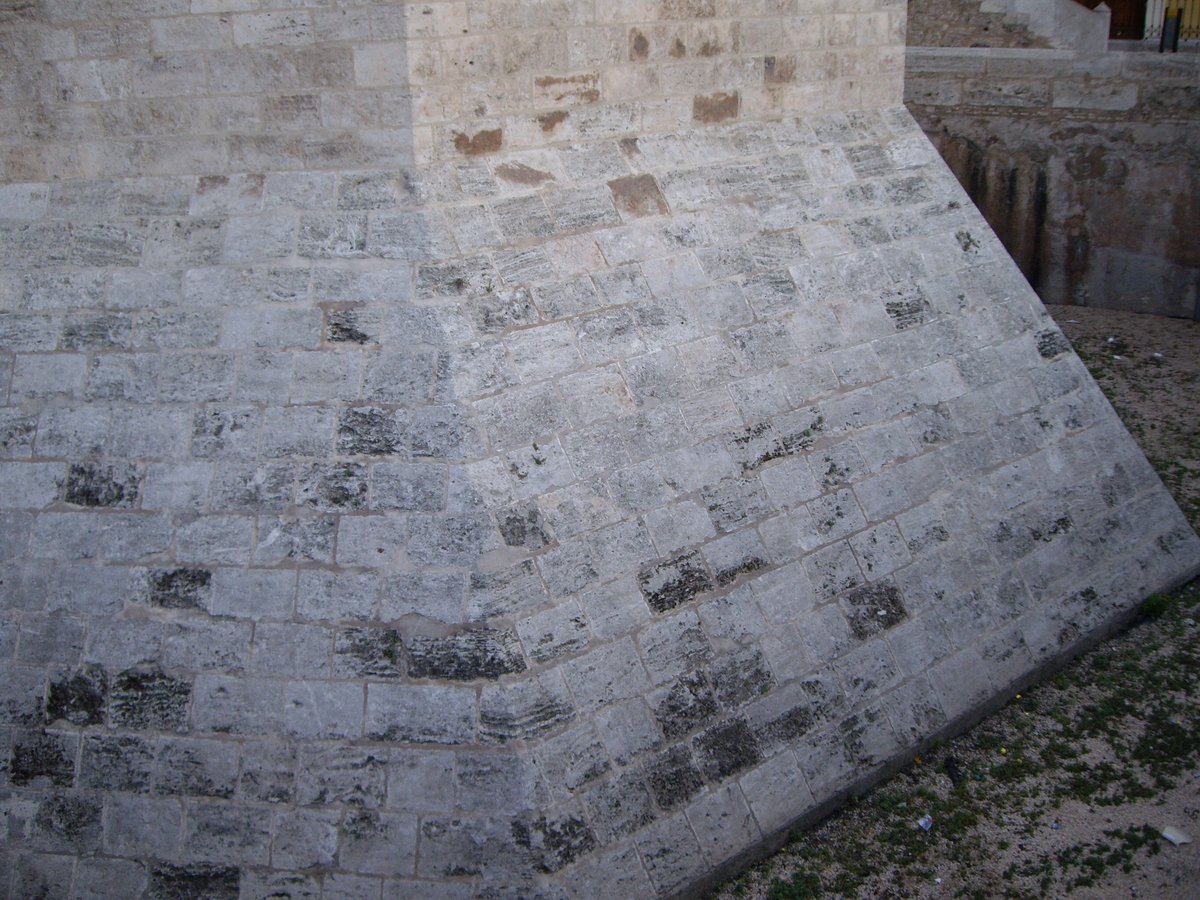
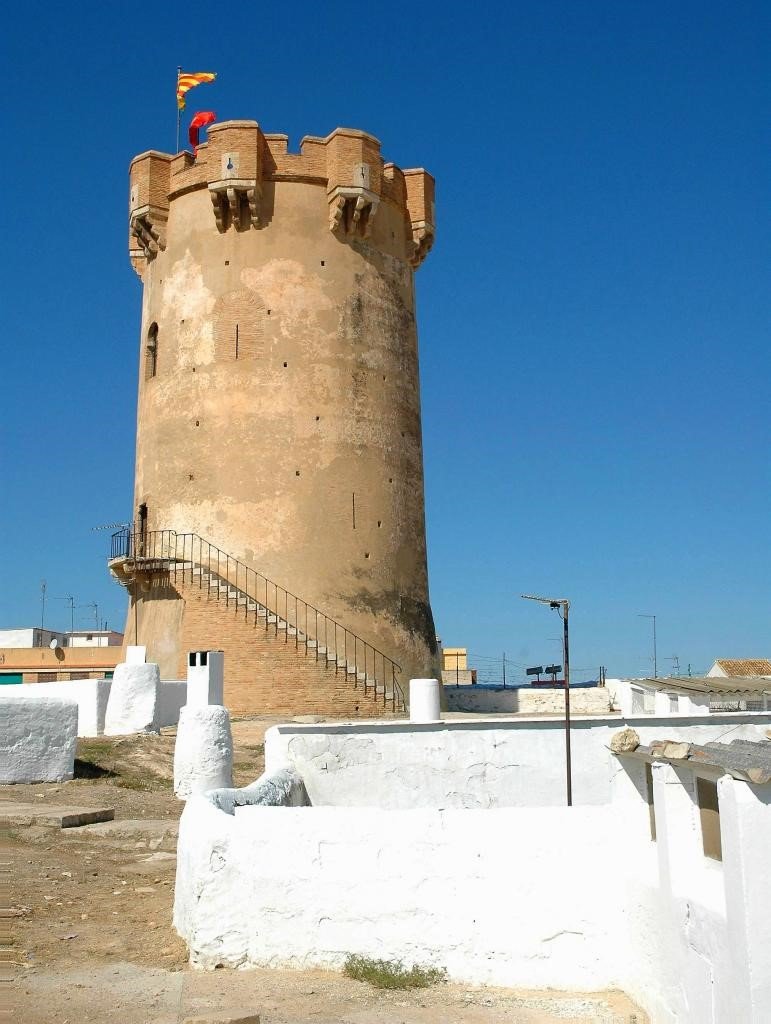
Base of the historic Serrans Towers, an iconic medieval gate in Valencia, Spain, showcasing ancient brick and stone architecture.
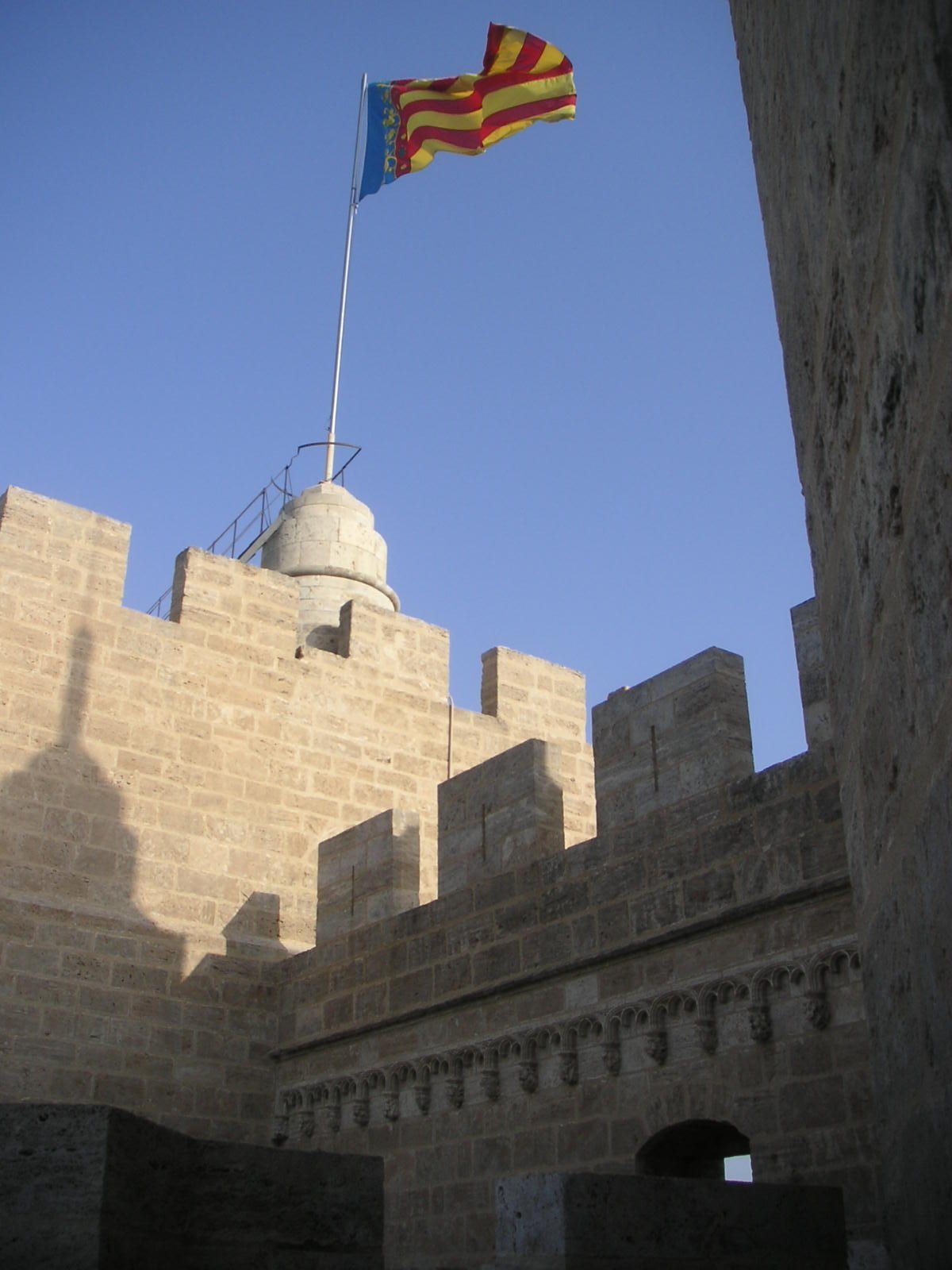
Top view of the historic Serranos Towers in Valencia with the Real Señera Valencian flag waving prominently at the top
Historical Background and Significance
Medieval Origins and Construction
Built between 1392 and 1398, the Torres dels Serrans were designed as a critical part of Valencia’s Christian-era fortifications. Architect Pere Balaguer modeled them after other notable Gothic gateways, incorporating Genoese influences, solid limestone masonry, and pentagonal towers designed for both defense and ceremony (Wikipedia; History Tools). Their strategic location made them the main entrance for travelers from the Los Serranos region.
Evolution of Function
Over the centuries, the towers have served multiple roles. Initially a defensive bastion, they later became a ceremonial gateway, welcoming monarchs and dignitaries. From the late 16th century until 1887, they functioned as a prison for nobles after a fire destroyed the city’s main jail (Wikipedia). During the Spanish Civil War, the towers provided sanctuary for artworks from the Prado Museum, emphasizing their value as guardians of cultural heritage (Spanish Glory; History Hit).
Restoration Efforts
Major restoration projects in the late 19th and early 20th centuries returned the towers to their Gothic splendor, reversing previous modifications made during their use as a prison. Further cleaning and conservation in 2000 preserved their iconic appearance for future generations (Wikipedia).
Architectural Features
The Torres dels Serrans are a striking example of Valencian Gothic architecture. Each tower rises to about 33 meters, connected by a central arched body. Notable features include crenellated battlements, machicolations, arrow slits, and a monumental staircase added in 1397. The towers’ limestone façade gives them a distinctive presence on Valencia’s skyline (Lonely Planet; Holidify).
Inside, visitors can explore vaulted chambers, spiral staircases, and rooftop terraces offering panoramic views of the old city and Turia Gardens. Informational panels in Spanish, Valencian, and English provide historical and architectural context (Visit Valencia).
Cultural Importance and Festivities
The Serranos Towers are a living symbol of Valencia’s civic pride and resilience. They are central to the city’s most important festival, Las Fallas. Each February, the “Crida”—the festival’s opening ceremony—takes place at the towers, drawing thousands of locals and visitors. The towers are illuminated and decorated, reinforcing their role as a hub for tradition and celebration (Wikipedia; Spanish Glory).
Visiting Torres dels Serrans: Hours, Tickets & Accessibility
Opening Hours (as of June 2025)
- Tuesday to Saturday: 10:00 am – 7:00 pm
- Sundays and Public Holidays: 10:00 am – 2:00 pm
- Closed: Mondays, January 1, January 6, May 1, December 25
Last entry is 30 minutes before closing.
(Visit Valencia; Northleg; Explorial)
Note: Hours may change due to weather or special events. Check the official website before visiting.
Tickets and Admission (2025)
- General Admission: €2.00
- Reduced Admission: €1.00 (students, pensioners, groups, children 7–12 with ID)
- Free Admission: Sundays and public holidays for all; free anytime for Valencia Tourist Card holders
(Visit Valencia; Northleg)
Tickets are available at the entrance. The Valencia Tourist Card is recommended for free entry and public transport savings.
Accessibility
Due to the medieval design, Torres dels Serrans is not wheelchair accessible. The towers feature multiple stone staircases and uneven surfaces. Visitors with limited mobility may find access challenging. If assistance is needed, contact the site ahead of your visit (Northleg).
What to See and Do
Explore the Towers and Terraces
- Interior Chambers: Admire Gothic arches, ribbed vaults, and military architectural elements.
- Rooftop Terraces: Enjoy sweeping views of Valencia’s old town and the Turia Gardens—perfect for photography (Wanderlust Chloe).
- Ceremonial Balcony: Site of historic proclamations and festival ceremonies.
Interpretation Panels and Exhibits
Panels in multiple languages provide historical and architectural details, enhancing your understanding of the site.
Special Events and Guided Tours
- Las Fallas Festival: Attend the Crida opening ceremony if visiting in late February or March (Valencia City Guide).
- Guided Tours: Several local operators offer in-depth tours combining the towers with the old city. Check with the Valencia Tourist Office for schedules (Essentials and World Heritage Sites Walking Tour).
Nighttime Illumination
After dusk, the towers are beautifully lit, highlighting their Gothic features and providing a striking backdrop for evening strolls.
Getting There
- Address: Plaza de los Fueros, s/n, 46003 Valencia, Spain
- By Foot: Within walking distance from major old town attractions, including Valencia Cathedral and Plaza de la Virgen.
- Public Transport: EMT bus lines (C1, C2, 6, 11, 16, 26, 28, 94, 95) and tram line 4 (Pont de Fusta stop) provide convenient access. Closest metro: Alameda (lines 3, 5, 7, 9), about a 10–15 minute walk (Northleg).
- Cycling/Scooters: Valenbisi bike-sharing station nearby and dedicated cycle paths through the Turia Gardens. Scooter parking is outside the Old Town (Northleg).
Practical Visitor Information
- Duration: Most visits last 20–40 minutes; longer if you enjoy photography or guided tours.
- Facilities: No restrooms inside; nearby cafes and public spaces offer amenities.
- Safety: Stairs can be steep and slippery—wear suitable footwear and supervise children.
- Photography: Allowed throughout, especially recommended from the terraces.
- Information Panels: Provided in Spanish, Valencian, and English.
Best Times to Visit
- Weekday Mornings: Least crowded, best for photos and a relaxed experience.
- Clear Days: For optimal terrace views; avoid visiting during rain or strong winds.
- Festival Days: The Crida and Las Fallas can limit access but offer a unique cultural experience (Northleg).
Nearby Attractions
- Turia Gardens: Expansive urban park perfect for walking and cycling.
- Valencia Cathedral: Home to the Holy Grail, just a short walk away.
- Museum of Fine Arts: Important Spanish art collections in a nearby historic building.
- Casa Museo Benlliure: Museum dedicated to the Benlliure family of artists.
- Barrio del Carmen: A lively district filled with cafes, boutiques, and historic sites.
- Torres de Quart: Another medieval city gate offering a contrasting architectural perspective (The Crazy Tourist).
Frequently Asked Questions (FAQs)
Q: What are the Torres dels Serrans opening hours?
A: Tuesday to Saturday 10:00 am–7:00 pm; Sundays and public holidays 10:00 am–2:00 pm; closed Mondays and some holidays.
Q: How much are tickets to the towers?
A: €2 general admission; €1 reduced; free on Sundays and public holidays, or with a Valencia Tourist Card.
Q: Is the site accessible for visitors with disabilities?
A: Due to the historic structure and stairs, the towers are not wheelchair accessible.
Q: Are guided tours available?
A: Yes, through local operators or by checking with the Valencia Tourist Office.
Q: Can I take photographs inside the towers?
A: Yes, photography is encouraged throughout the site.
Q: Can I visit during the Fallas festival?
A: Yes, but expect larger crowds and possible access restrictions during major events.
Tips for a Memorable Visit
- Arrive early to avoid crowds and enjoy the best lighting for photos.
- Combine your visit with a walk through Valencia’s old town and a stroll in the Turia Gardens.
- Wear comfortable shoes for climbing stairs and exploring nearby attractions.
- Check the weather forecast and official site for any schedule changes before your visit.
Discover More
The Torres dels Serrans encapsulate Valencia’s vibrant history and enduring spirit. From their origins as defensive city gates and ceremonial entrances, through their use as prisons and wartime sanctuaries, the towers have evolved alongside Valencia itself. Today, they are a focal point for cultural events, education, and tourism. For the latest updates, check the official Visit Valencia website or use travel planning apps like Audiala for real-time information, guided tours, and personalized recommendations.
Listen to the full story in the app
Your Personal Curator, in Your Pocket.
Audio guides for 1,100+ cities across 96 countries. History, stories, and local insight — offline ready.
Audiala App
Available on iOS & Android
Join 50k+ Curators
Sources
- verified
- verified
- verified
- verified
- verified
- verified
- verified
- verified
Last reviewed: