Introduction
Porta de la Mar—Valencia’s “Gateway to the Sea”—stands as a striking symbol of the city’s layered history, architectural transformation, and enduring civic spirit. Originally established in the 14th century, this prominent monument has evolved from a medieval city gate to a neoclassical memorial, bearing witness to centuries of change, resilience, and remembrance. Located at the bustling Plaça de la Porta de la Mar, where several main avenues intersect, it offers visitors a tangible link between Valencia’s storied past and its vibrant present (Viu Valencia; All Andorra).
This guide provides a detailed overview of the monument’s origins, architectural features, visitor information, accessibility, nearby attractions, and practical travel advice to help you make the most of your visit.
Historical Evolution of Porta de la Mar
Medieval Origins and Urban Transformation
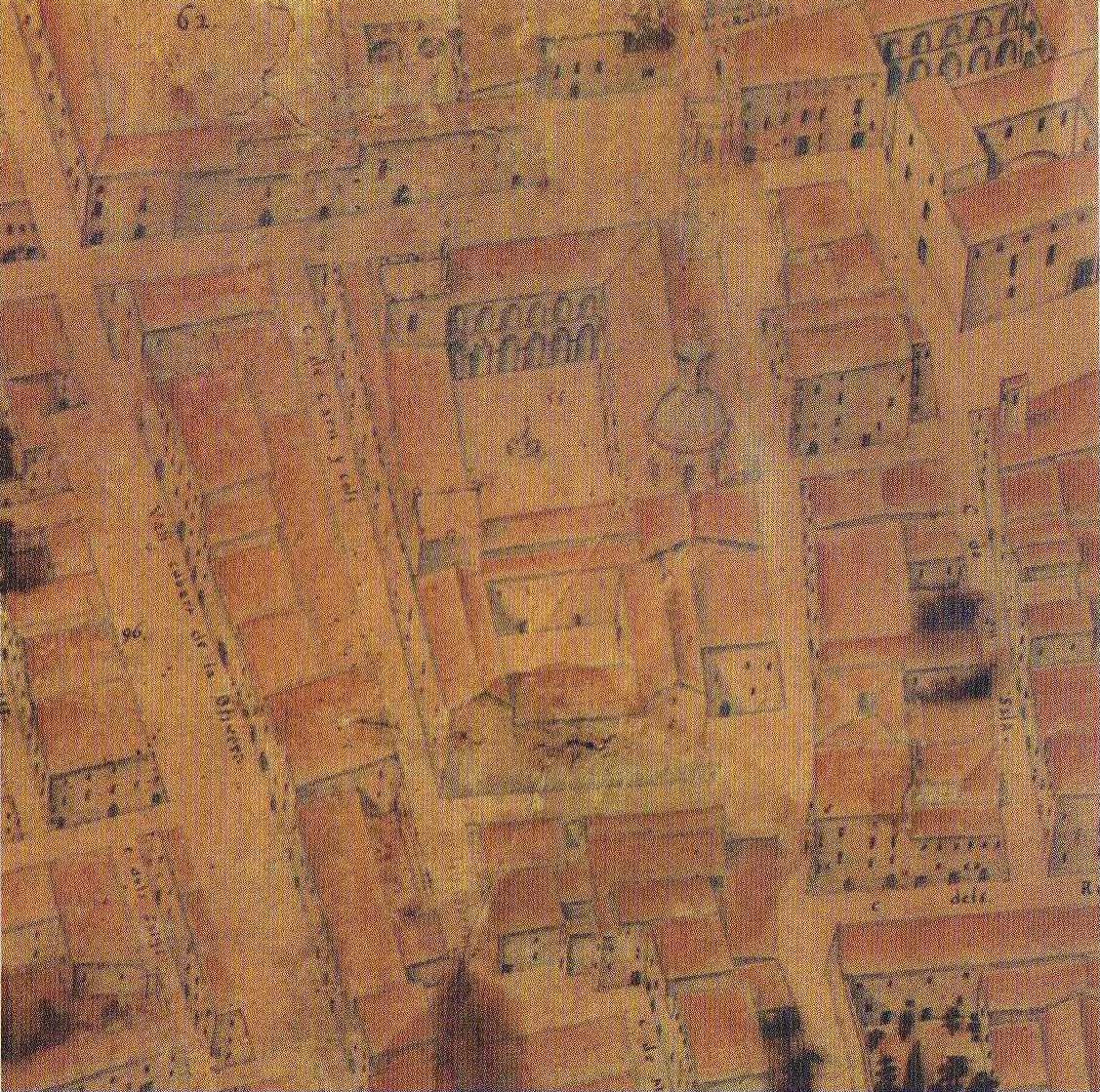
The original Porta de la Mar, constructed in 1356, was one of Valencia’s main defensive gates, linking the city center with its port and the Mediterranean. The imposing city walls defined the city’s medieval character, with the gates controlling trade, defense, and movement. The phrase “quedarse a la luna de València” (to be left out under the moon) alludes to those shut out after dark, highlighting the gate’s importance (Valencia Plaza).
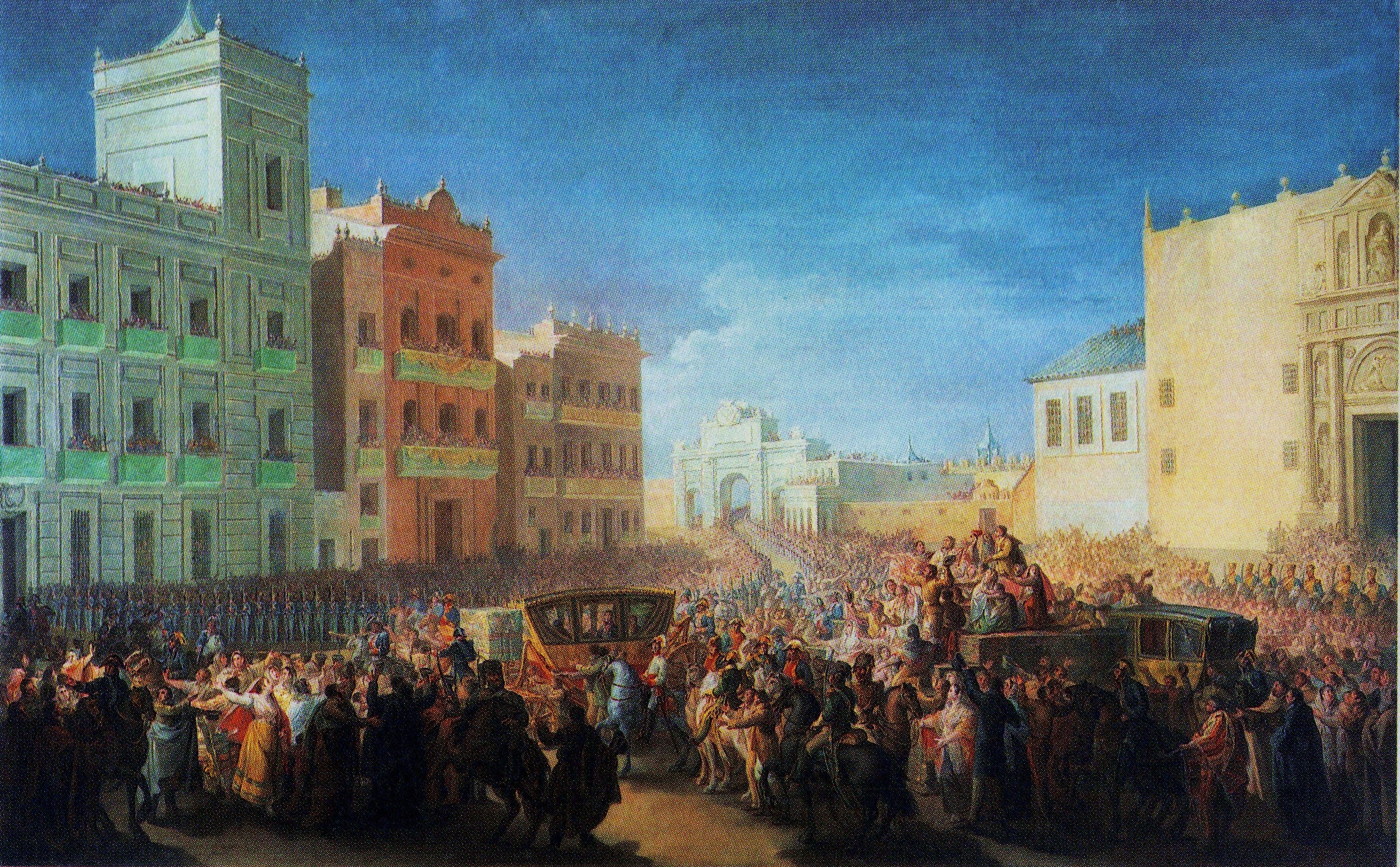
As Valencia expanded in the 19th century, the medieval walls and gates became obsolete. In 1865, most fortifications—including the Puerta del Real and the original Porta de la Mar—were demolished to accommodate urban growth, leaving only a few gates like Torres de Serranos and Torres de Quart (Abroad in Valencia).
The 20th-Century Neoclassical Reconstruction
The current monument, completed in 1946 by architect Francisco Javier Goerlich Lleó, is a neoclassical reinterpretation inspired by the 19th-century Puerta del Real rather than a replica of the medieval gate (guidavalencia.com). It was designed as both an architectural statement and a memorial to those who died during the Spanish Civil War, marked by the prominent cross and distinctive sculptural reliefs (Viu Valencia).
Architectural Features and Artistic Symbolism
Structure and Style
Porta de la Mar exemplifies neoclassical architecture, echoing Roman triumphal arches. The gate features:
- Three Arches: A large central arch for ceremonial passage, flanked by two smaller pedestrian arches (Evendo).
- Classical Columns and Pilasters: Supporting the arches, adorned with classical capitals and bases.
- White Marble Construction: Imbuing the monument with luminosity and Mediterranean character (guidavalencia.com).
Decorative Elements
- Sculptural Reliefs: Four reliefs by Vicente Navarro Romero represent Courage, Self-Sacrifice, Peace, and Glory (Viu Valencia).
- City Emblems and War Memorial Iconography: The coat of arms of Valencia, laurel wreaths, and military trophies commemorate the city’s history and the fallen of the Spanish Civil War.
- Central Cross: A post-war addition, reinforcing its function as a memorial (guidavalencia.com).
- Ornate Carvings: Floral motifs, scrollwork, and allegorical figures enhance the monument’s artistry (evendo.com).
Visiting Porta de la Mar: Hours, Admission, and Accessibility
- Location: Plaça de la Porta de la Mar, at the intersection of major city streets.
- Visiting Hours: Open-air monument, accessible 24/7 (Evendo).
- Admission: Free; no tickets required.
- Accessibility: The plaza and monument are wheelchair accessible with smooth pavements and ramps.
- Guided Tours: Many walking tours of Valencia’s historic center include Porta de la Mar. Check with local tourism offices or platforms like Visit Valencia.
Getting There:
- By Metro: Nearest stations are Colón and Xàtiva (Lines 3 and 5), about a 10-minute walk.
- By Bus: Multiple lines serve the area.
- On Foot: Easily reachable from the historic center.
- By Car: Nearby parking options include 'Parking Plaza de la Reina' and 'Parking Mercado Central'.
Nearby Attractions & Itinerary Suggestions
Visiting Porta de la Mar places you close to several of Valencia’s must-see sights:
- Torres de Serranos and Torres de Quart: Remaining medieval gates with panoramic city views (Hispania Valencia).
- Valencia Cathedral: Home to the Holy Grail and a blend of Gothic and Baroque styles (The Spain Travel Guru).
- La Lonja de la Seda: A UNESCO World Heritage site reflecting the city’s mercantile legacy.
- Central Market: Bustling marketplace for local foods (WhatsInPort).
- Turia Gardens: A lush urban park perfect for walking and relaxation (Evendo).
- Barrio del Carmen: Historic old town district with vibrant nightlife (Valencia Tourist Guide).
- Glorieta Garden: Adjacent green space for a peaceful break.
Frequently Asked Questions (FAQ)
Is there an entrance fee?
No, visiting Porta de la Mar is free and open to the public at all times.
What are the visiting hours?
The monument is accessible 24 hours a day, every day.
Are guided tours available?
Yes, many city walking tours include the monument as a highlight.
Is the site wheelchair accessible?
Yes, the plaza and monument offer accessible paths and ramps.
How do I get there using public transport?
Metro stations Colón and Xàtiva are nearby; many bus routes serve the area.
Are special events held at Porta de la Mar?
The plaza hosts cultural events and serves as a gathering spot during festivals such as the Great July Fair (Visit Valencia).
Travel Tips & Local Atmosphere
- Best times to visit: Early mornings or late afternoons provide the best light and fewer crowds.
- Combine your visit: Walk along Calle de Colón or in Turia Gardens for a broader city experience.
- Local amenities: Benches, shade, cafes, and shops are nearby.
- Safety: As with any urban area, keep your belongings secure.
- Photography: Beautiful lighting at sunset and after dark when the monument is illuminated.
Listen to the full story in the app
Your Personal Curator, in Your Pocket.
Audio guides for 1,100+ cities across 96 countries. History, stories, and local insight — offline ready.
Audiala App
Available on iOS & Android
Join 50k+ Curators
Sources
- verified
- verified
- verified
- verified
- verified
- verified
- verified
- verified
- verified
- verified
- verified
- verified
- verified
- verified
- verified
- verified
- verified
Last reviewed: