Introduction
The Port of Valencia is a premier Mediterranean gateway, blending deep historical roots with state-of-the-art infrastructure. As Spain’s largest container port and a cornerstone of the region’s economy, it serves as a vibrant entry point for discovering Valencia’s rich maritime heritage, diverse cultural offerings, and innovative spirit. This guide provides detailed information on visiting hours, ticketing, accessibility, and nearby historical sites, as well as insights into the port’s economic and cultural significance.
For the latest updates, visitors are encouraged to consult the official Valenciaport and Valencia tourism resources (Valenciaport, Visit Valencia), and to use the Audiala app for guided tours and real-time event notifications.
Historical Development
Origins and Early Growth
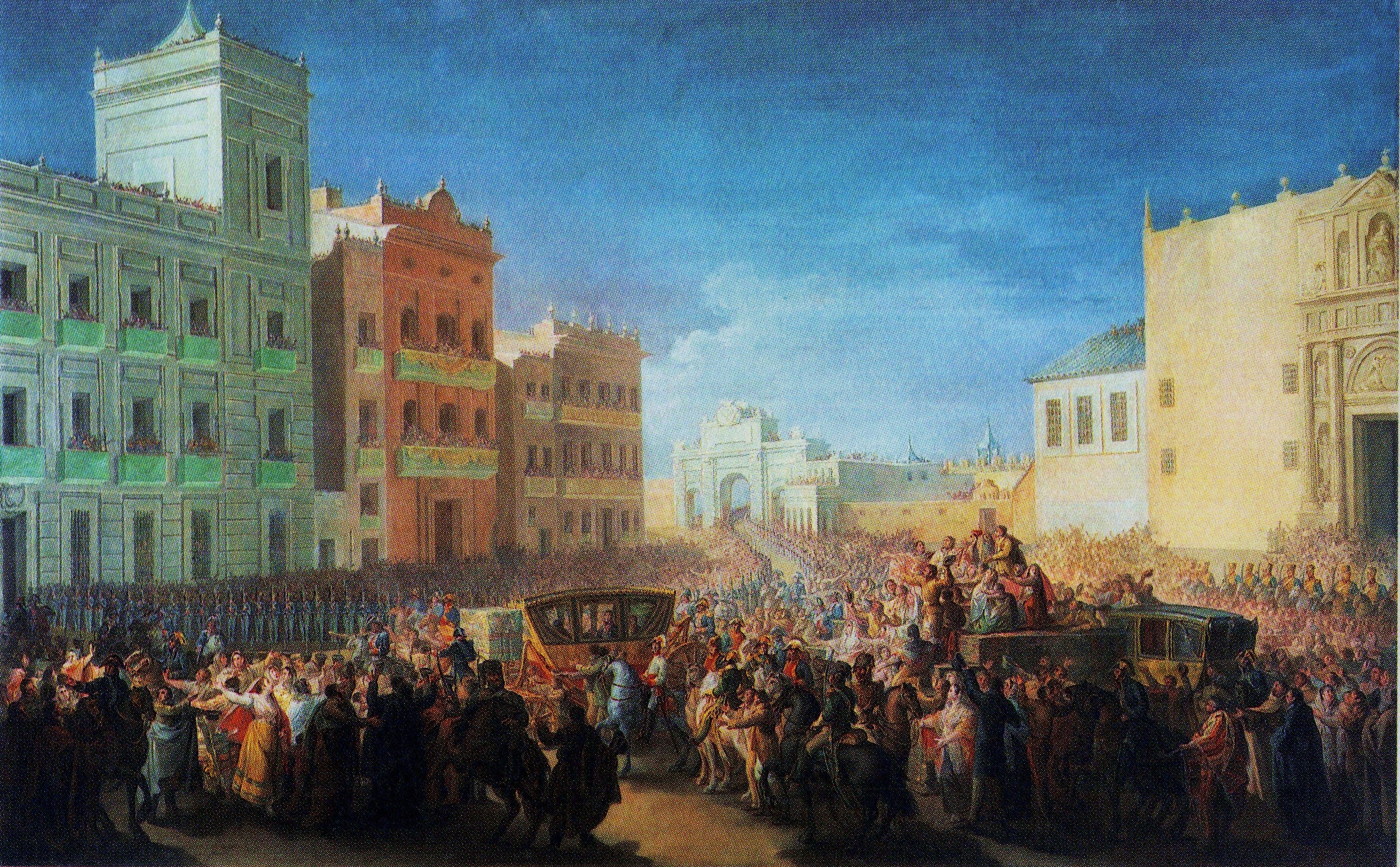
The Port of Valencia’s history dates back to 1483, when King Ferdinand the Catholic granted permission for the construction of the Pont de Fusta, a wooden bridge that marked the port’s first significant infrastructure (Wikipedia). Despite these early efforts, natural challenges such as Turia River floods and shifting sands stalled further development for centuries. The port’s fortunes changed in 1679 with expanded trading privileges, and by 1791, Valencia was authorized to trade with the Americas, solidifying its role in Spain’s maritime commerce.
19th and 20th Century Expansion
The 19th century ushered in major advancements. The industrial revolution, along with improved flood management, enabled the construction of modern quays, warehouses, and transportation links. By the 20th century, the port had become a major economic driver for the Valencian Community, benefiting from strategic rail and road connections and serving as a vital hub for exports and imports (Wikipedia).
Expansion and Modernization
Infrastructure and Capacity
Today, the Port of Valencia is Spain’s largest and one of the Mediterranean’s busiest, handling over 77 million tonnes of cargo and nearly 4.8 million TEU annually as of 2023. The port’s infrastructure includes 12 km of quays and a 300-acre storage area, supporting a broad range of cargo and logistics services. It employs over 15,000 people and serves more than 7,500 ships each year (Wikipedia).
The Port Authority of Valencia (PAV) also manages the satellite ports of Sagunto (specializing in natural gas and steel) and Gandía (focused on forestry products), further enhancing the region’s logistics capabilities.
Northern Expansion and Capacity Enhancement
A transformative milestone is the northern expansion project, approved in December 2023. This initiative will create a new terminal with a 5 million TEU capacity and incorporate significant sustainability features. The project represents a €660 million public investment, supplemented by a €1.05 billion commitment from MSC, and is expected to be operational by 2030 (Wikipedia; Forbes).
Innovation and Sustainability
Digitalization and Green Initiatives
The port is a leader in digital innovation, employing advanced logistics systems and digital twin technology through projects like DT4GS to optimize shipping and minimize emissions (Fundación Valenciaport). Environmental stewardship is central to the port’s strategy, with programs focused on clean energy, alternative fuels, and the “Consciència en verd” campaign to raise environmental awareness (Valenciaport).
Valencia’s designation as the European Green Capital 2024 underscores its commitment to sustainable tourism, carbon neutrality, and water conservation, making the port and city exemplary models for responsible travel.
Visitor Information: Hours, Tickets, and Accessibility
Visiting Hours
- Public Areas: The Valencia Marina and waterfront promenades are open daily, typically from 8:00 AM to 10:00 PM.
- Exhibitions: The Edificio del Reloj (Clock Building) and other cultural venues usually operate from 10:00 AM to 6:00 PM.
- Cruise Terminals: Passenger terminals, including the TRASMED Terminal, generally open from 6:00 AM to 10:00 PM. Schedules may vary with ship arrivals and events (Valenciaport Cruises).
Tickets and Guided Tours
- Port Areas: Access to public zones and the marina is free.
- Guided Tours: Historical and maritime tours may require tickets; these can be booked online or at visitor centers (Travel with the Greens: Valencia Port Guide).
- Events: Some festivals, exhibitions, or concerts at the port may require advance booking (Valenciaport Events Calendar).
Accessibility
- Physical Access: The port and adjacent districts are highly accessible, with wide sidewalks, ramps, and curb cuts. Over 50% of nearby businesses offer step-free entry (Spin the Globe: Wheelchair Guide).
- Transport Links: Accessible metro (lines L5, L6, L7, L8) and bus routes (4, 19, 92, 93, 95) connect the port to the city center (Visit Valencia: Accessible Guide).
- Visitor Services: Designated parking, adapted hotels/restaurants, and shuttle buses for cruise passengers are available. Over 60 tourist pictograms assist visitors with cognitive or communication needs.
Nearby Attractions and Events
Historical Sites
- Valencia Cathedral: Gothic masterpiece housing the Holy Grail.
- La Lonja de la Seda: UNESCO-listed silk exchange.
- Torres de Serranos: Imposing medieval city gates.
- Plaza de la Virgen: Historic central square.
All are easily reachable from the port via public transport or short taxi rides.
Marina de Valencia
A lively district featuring the Veles e Vents building, gourmet dining, nightlife, and regular cultural events. The area is also a hub for sailing, paddleboarding, and waterfront strolls (Visit Valencia: Port of Valencia).
Festivals and Special Events
- Fallas Festival: Unique pyrotechnics and street art celebration (Visit Valencia: Fallas).
- Volvo Ocean Race: International sailing event hosted at the marina.
- Food and Jazz Festivals: Regular events showcasing local cuisine and global music.
Check the Valencia events calendar for upcoming activities.
Economic & Cultural Impact
Economic Engine
The port is a critical driver for the region, generating 50,000 jobs and contributing over €3.2 billion in gross value added, representing 3% of the Valencian Community’s GDP (Valenciaport Economic Impact). The port supports a cluster of industries, from logistics and manufacturing to tourism and creative sectors (All-Andorra: Economy of Valencia).
Cultural Hub
The port district and nearby marina have evolved into cosmopolitan cultural centers, hosting international events and supporting the city’s thriving arts, gastronomy, and design scenes (Cruise Ports: Valencia Cruise Port).
Future Outlook
The ongoing northern expansion and adoption of green, digital technologies will further elevate the port’s role as a sustainable logistics hub. Valencia’s commitment to environmental and social responsibility promises a vibrant, accessible, and forward-thinking port experience for years to come (Wikipedia; Forbes).
Practical Tips and FAQ
Tips for Visitors
- Use public transport, cycling, or walking to explore the port and city.
- Visit early in the day for fewer crowds.
- Bring a reusable water bottle; Valencia’s tap water is safe.
- Support local, sustainable businesses.
Frequently Asked Questions
Q: What are the main visiting hours for the Port of Valencia?
A: Public areas are generally open from 8:00 AM to 10:00 PM. Cruise terminals operate from 6:00 AM to 10:00 PM, but check your cruise schedule.
Q: Do I need tickets to visit the port?
A: No tickets are needed for public areas; tours and some events require advance booking.
Q: Is the port accessible for visitors with disabilities?
A: Yes, the port and city have extensive accessibility features, including adapted transport and step-free access.
Q: What are the closest historical sites?
A: La Lonja de la Seda, Valencia Cathedral, Torres de Serranos, and Plaza de la Virgen.
Q: Are there events and festivals at the port?
A: Yes, including the Fallas Festival, jazz concerts, and international sailing competitions.
Listen to the full story in the app
Your Personal Curator, in Your Pocket.
Audio guides for 1,100+ cities across 96 countries. History, stories, and local insight — offline ready.
Audiala App
Available on iOS & Android
Join 50k+ Curators
Sources
- verified
- verified
- verified
- verified
- verified
- verified
- verified
- verified
- verified
Last reviewed: