Introduction
Pont de les Flors—“Bridge of Flowers”—is a beloved urban landmark at the heart of Valencia, Spain. Celebrated for its vibrant, ever-changing floral displays and contemporary design, the bridge is a symbol of the city’s commitment to sustainability, cultural vitality, and architectural innovation. Since its inauguration in 2002, Pont de les Flors has become a must-see destination for locals and tourists alike, seamlessly connecting major green spaces and serving as a dynamic stage for civic events and everyday recreation. This guide provides everything you need to know to plan your visit, including historical context, cultural significance, architectural highlights, visitor information, accessibility details, travel tips, and nearby attractions.
Photo Gallery
Explore Pont De Les Flors in Pictures

Historical Background and Urban Transformation
Pont de les Flors was conceived during Valencia’s ambitious urban renewal in the late 20th and early 21st centuries, particularly the redevelopment of the former Turia riverbed into the lush Jardín del Turia. The original structure in this location was a temporary pontoon bridge, built to support traffic during the construction of adjacent bridges and metro expansions. By public demand, this was replaced with a permanent bridge, selected via a design competition led by the City Council and Generalitat Valenciana (puentesvalencia.com).
Completed in 2002 and designed by engineer Manuel Biedma, the bridge marries practical urban infrastructure with botanical artistry. It now connects key neighborhoods such as Mestalla and Pla del Remei, serving both as a transportation artery and as a pedestrian-friendly link between Valencia’s most cherished parks (World City Trail).
Architectural Features and Floral Displays
Pont de les Flors spans approximately 148 to 153 meters and is 24 meters wide, constructed with a combination of reinforced concrete and steel. Its minimalist, open design features wide sidewalks, gentle slopes, and wooden walkways, making it both aesthetically pleasing and highly accessible (Visit Valencia).
The bridge’s hallmark is its dazzling floral display: more than 27,000 flowerpots, planted with seasonal blooms such as geraniums, poinsettias, begonias, and other drought-resistant species. These arrangements are refreshed two to four times a year, with particularly spectacular displays in spring and during city festivals like Fallas (Lonely Planet). The integration of palm trees and benches encourages visitors to linger and enjoy panoramic views of the Turia Gardens and the city skyline.
Cultural and Social Significance
More than an architectural feature, Pont de les Flors is a civic and cultural icon. It serves as a backdrop for major events such as the Fallas festival, the papal visit of 2006, and other citywide celebrations (World City Trail). In 2023, the bridge was officially renamed Pont de les Flors – Alcaldessa Rita Barberá, honoring the former mayor’s pivotal role in Valencia’s modernization (realjourneytravels.com).
The bridge is also a focus for community engagement, with seasonal planting events, guided tours, and cultural rituals reinforcing its role as a gathering place and symbol of local pride (valencia.es).
Sustainability and Recent Developments
Valencia’s commitment to sustainability is evident in the maintenance of Pont de les Flors. Recent renovations introduced automated drip irrigation and biological pest control, reducing water use and operational costs by over €133,000 annually (valencia.es). These eco-friendly practices support the city’s broader environmental goals, contributing to its recognition as the European Green Capital 2024.
The bridge’s integration with the Jardín del Turia and nearby Monforte Gardens exemplifies urban ecological planning, providing vital green corridors and enhancing biodiversity in the city center (visitvalencia.com).
Visitor Information
Visiting Hours and Tickets
- Opening Hours: Pont de les Flors is accessible 24/7, every day of the year.
- Tickets: No admission fee or ticket is required.
Getting There and Transportation
- By Metro: Alameda (Lines 3, 5, 7, 9) and Colón (Lines 3, 5, 7, 9) stations are a short walk away.
- By Bus: EMT Valencia lines 1, 2, 3, 4, 19, and 40 stop nearby (EMT Valencia).
- By Bicycle: The Valenbisi bike-sharing system has stations at both ends of the bridge, with dedicated cycle paths through the Turia Gardens.
- By Car: Limited street parking is available, but public transport is recommended due to central traffic restrictions.
Accessibility
The bridge is fully accessible, with wide, level walkways and ramps at both ends. It is suitable for wheelchairs, strollers, and visitors with limited mobility. Signage is clear, and the route is well-lit at night.
Best Times to Visit
- Spring and Fallas Festival (March): Peak floral displays and city celebrations.
- Summer: Lush, drought-resistant blooms and vibrant park life.
- Early Morning/Late Afternoon: Best natural light for photography and fewer crowds.
Nearby Attractions
- Jardín del Turia: Vast urban park with walking, jogging, and cycling paths (Jardín del Turia).
- Palau de la Música: Premier concert hall nearby (Palau de la Música).
- Mercado de Colón: Modernist market with gourmet food, 10-minute walk (Mercado de Colón).
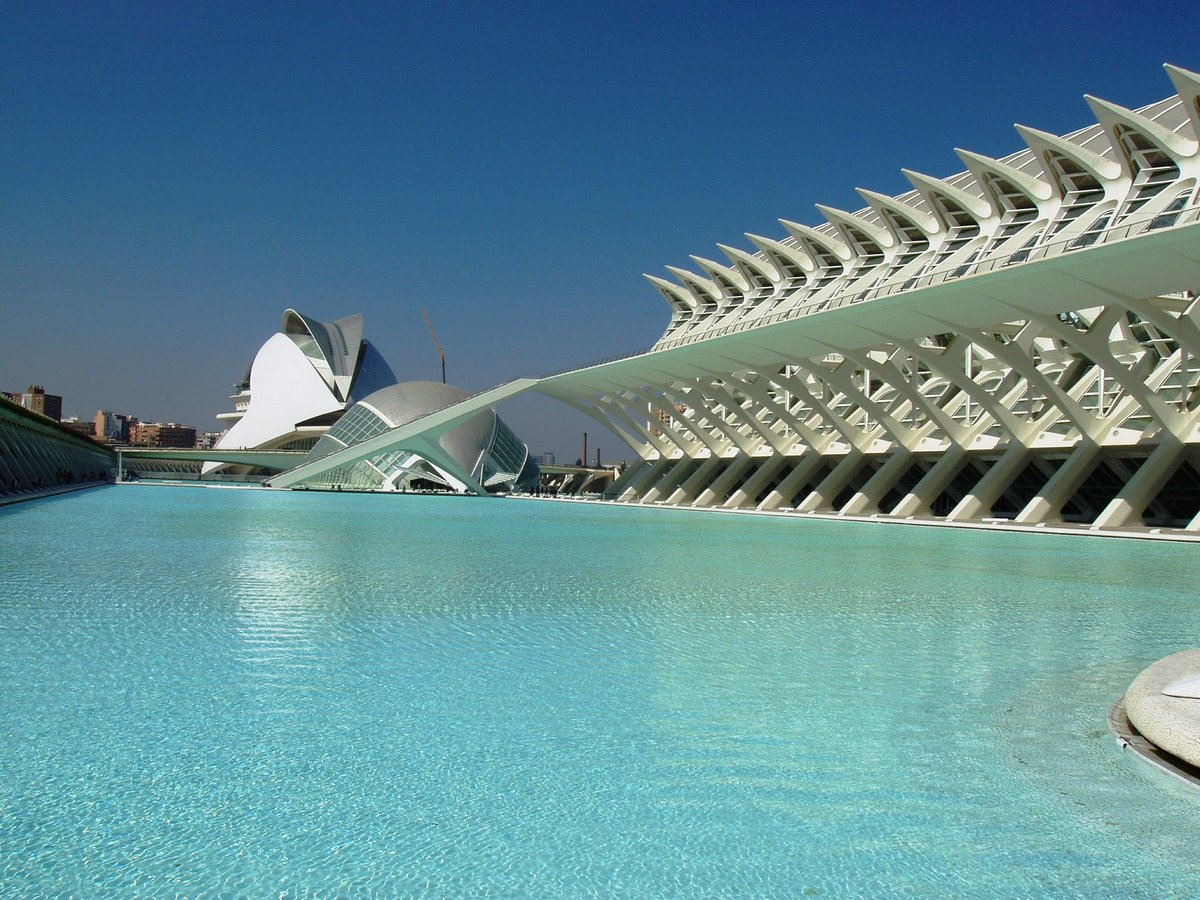
- City of Arts and Sciences: Valencia’s iconic cultural complex, 20 minutes through the park (City of Arts and Sciences).
Special Events and Tours
- Fallas Festival: Parades and processions cross the bridge in March (Fallas Festival Info).
- Guided Tours: Available through local tourism offices, often including the bridge in broader park or architectural itineraries.
Visitor Tips and Etiquette
- Respect the Floral Displays: Do not pick or damage the plants.
- Safety: Remain vigilant for pickpocketing during festivals; watch for vehicular traffic.
- Pets: Dogs are allowed on a leash; owners must clean up after them.
- Restrooms and Seating: Facilities and benches are available in the adjacent Turia Gardens and at nearby metro stations.
- Drones: Drone use is restricted in central Valencia (AESA Spain).
- Photography: Golden hour (sunrise/sunset) yields the best photos; share with hashtags #PontDeLesFlors and #VisitValencia.
Frequently Asked Questions (FAQ)
Q: What are the visiting hours for Pont de les Flors?
A: The bridge is open 24 hours a day, all year round.
Q: Is there an entrance fee or do I need tickets?
A: No, entry is free and open to all.
Q: Is the bridge accessible for wheelchair users and strollers?
A: Yes, the bridge has ramps and wide, level paths throughout.
Q: When is the best time to visit for flowers?
A: Spring and during the March Fallas festival offer the most vibrant displays.
Q: Are pets allowed?
A: Yes, but dogs must be leashed and owners must clean up after them.
Q: How do I get there by public transport?
A: Multiple metro and bus lines serve the area; see above for details.
Q: Are there guided tours?
A: Yes, many local agencies and tourism offices offer walking tours including the bridge and nearby parks.
Listen to the full story in the app
Your Personal Curator, in Your Pocket.
Audio guides for 1,100+ cities across 96 countries. History, stories, and local insight — offline ready.
Audiala App
Available on iOS & Android
Join 50k+ Curators
Sources
- verified
- verified
- verified
- verified
- verified
- verified
- verified
Last reviewed: