Introduction: Discover Pont d’Ademús, Valencia’s Modern Bridge Icon
Pont d’Ademús, also known locally as Pont de les Glòries Valencianes, is a testament to Valencia’s urban renaissance and a symbol of its resilience after the devastating 1957 flood. Gracefully spanning the lush Turia River Gardens, the bridge links key districts—Botànic, Petxina, Tendetes, and Campanar—while serving as a vital conduit to the Ademús highway (CV-35). Beyond its functional role, Pont d’Ademús embodies mid-20th-century engineering and harmonizes with the city’s celebrated green corridor, offering locals and visitors alike a unique blend of history, architecture, and accessibility (ca.wikipedia.org; Valencia City Guide).
This comprehensive guide covers everything you need to know: the bridge’s fascinating history, architectural highlights, practical visitor information—including hours (open 24/7, free access), transportation tips, nearby attractions, and essential travel advice. Whether you’re an architecture enthusiast, a history lover, or a traveler planning your itinerary, Pont d’Ademús provides a window into Valencia’s past, present, and future (Visit Valencia).
Historical Background: From Roman Crossings to Modern Marvel
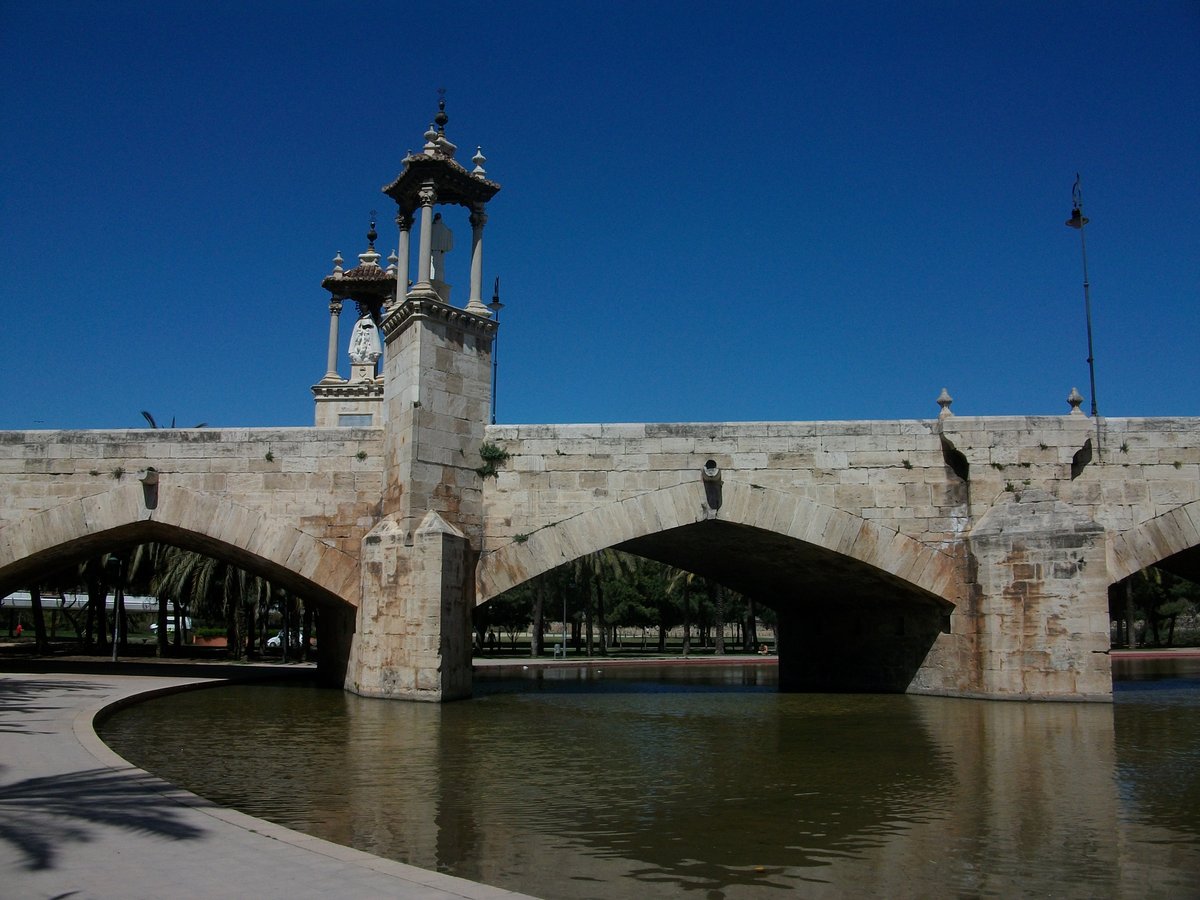
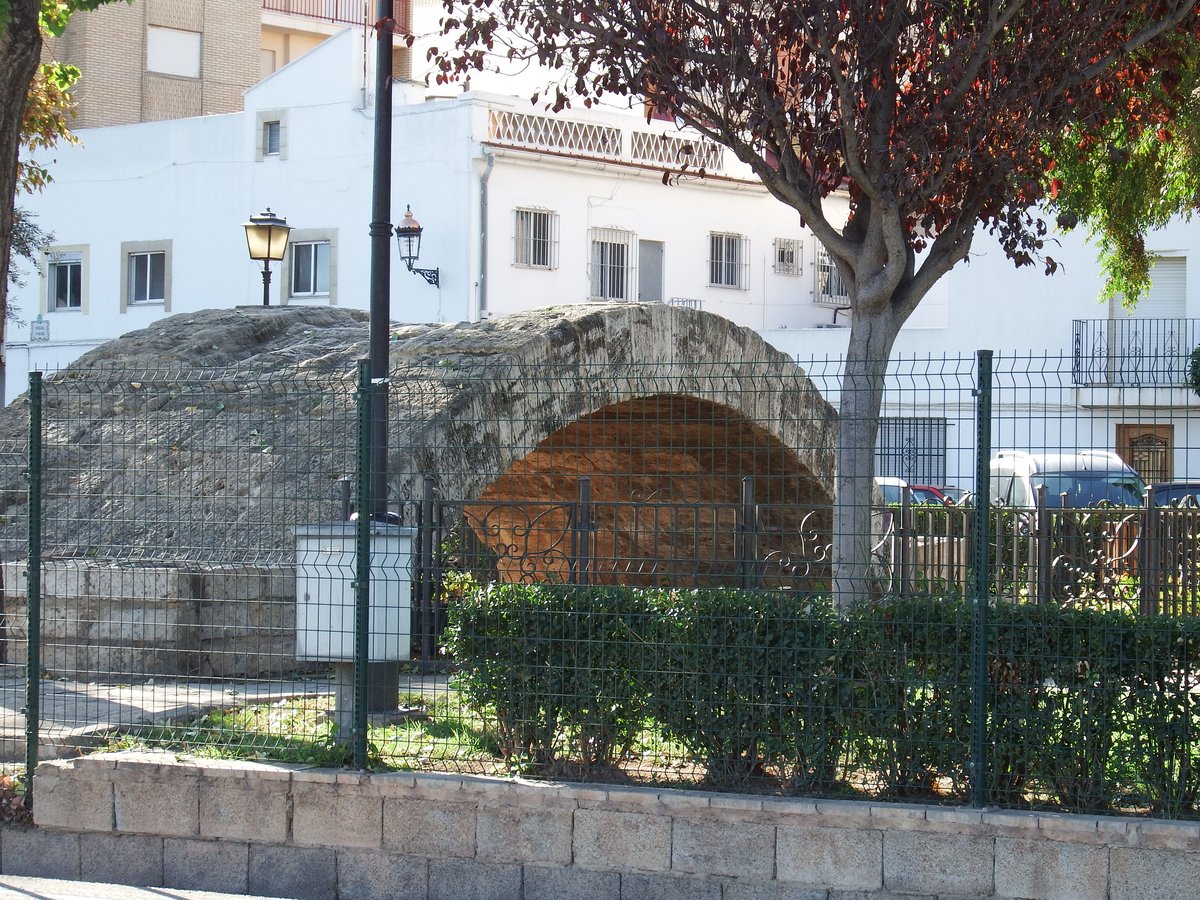
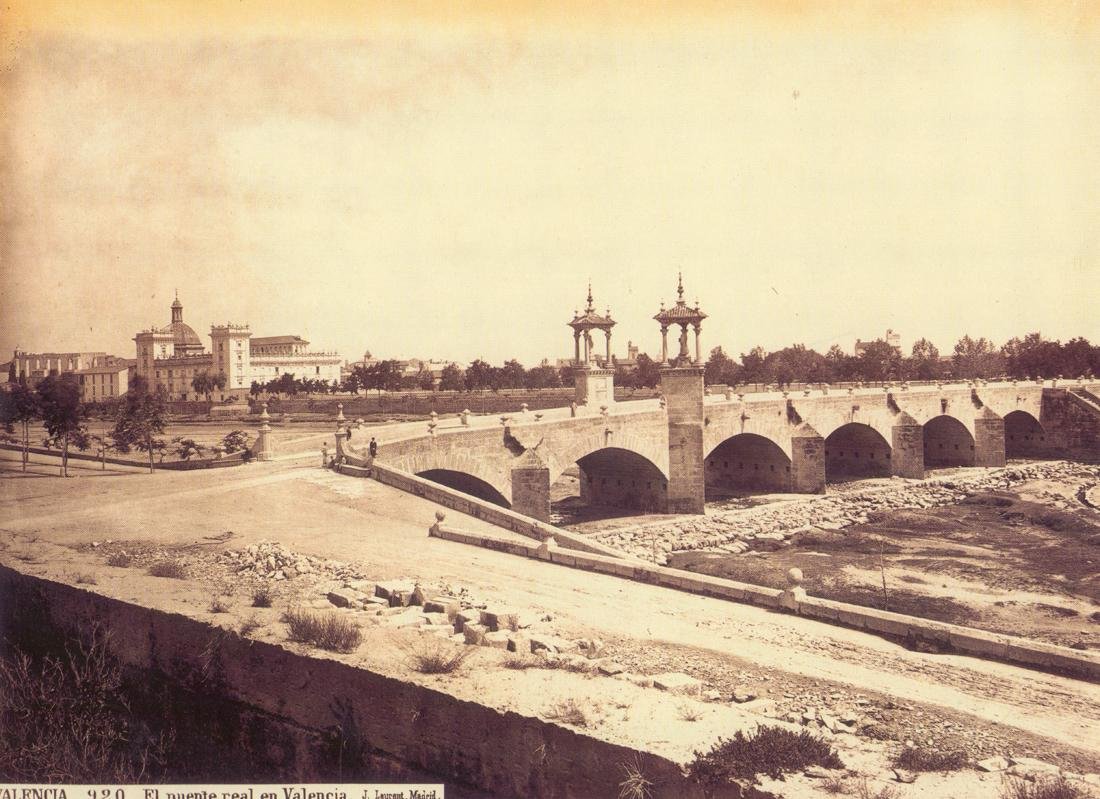
Valencia’s strategic riverside location has necessitated bridges since its founding by the Romans in 138 BC (kevmrc.com). Over centuries, wooden footbridges gave way to stone structures, especially during the Islamic period when advanced engineering and irrigation techniques shaped the city’s infrastructure (spaininspired.com). The city’s iconic Gothic and Renaissance bridges, such as Puente de la Trinidad and Puente del Real, still define the skyline and highlight the city’s layered heritage.
The Turia River: Flood, Renewal, and Green Transformation
The Turia River was both a blessing and a threat to Valencia. After the catastrophic 1957 flood, the river was diverted, and the old riverbed was transformed into the 110-hectare Turia Gardens—now Valencia’s “green lung” and one of Europe’s largest urban parks (travelersuniverse.com; Spain.info). The city’s bridges, including Pont d’Ademús, now span a vibrant green corridor rather than flowing water, serving as connectors between neighborhoods and as architectural features within the gardens.
Pont d’Ademús: Conception, Construction, and Design
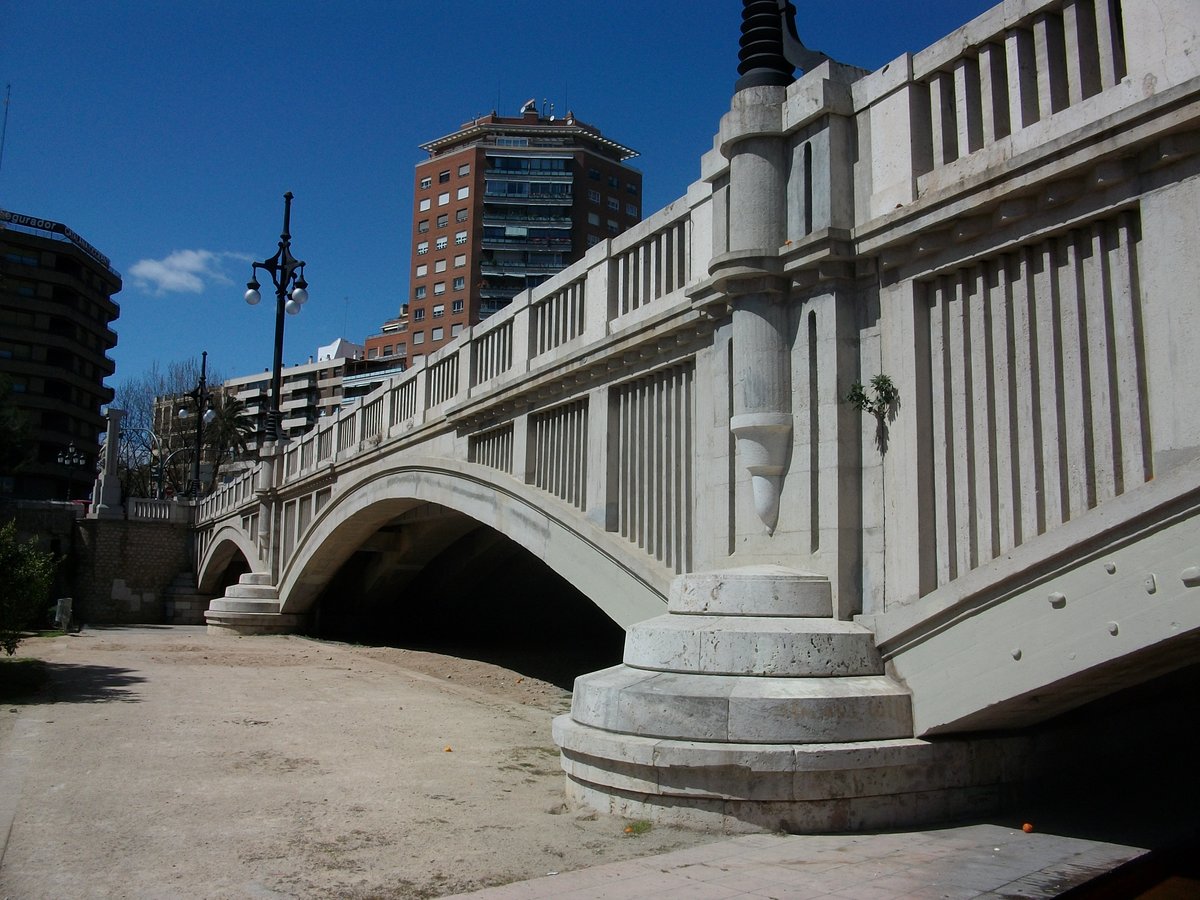
Designed by engineer Carlos Fernández Casado and built between 1957 and 1963, Pont d’Ademús was a direct response to the city’s need for modern, resilient infrastructure (ca.wikipedia.org; Wikipedia FR). The bridge connects Avinguda de Ferran el Catòlic with Avinguda del Papa Pius XII, providing access to the CV-35 and facilitating the movement of people and goods between the historic center and the rapidly expanding northwest.
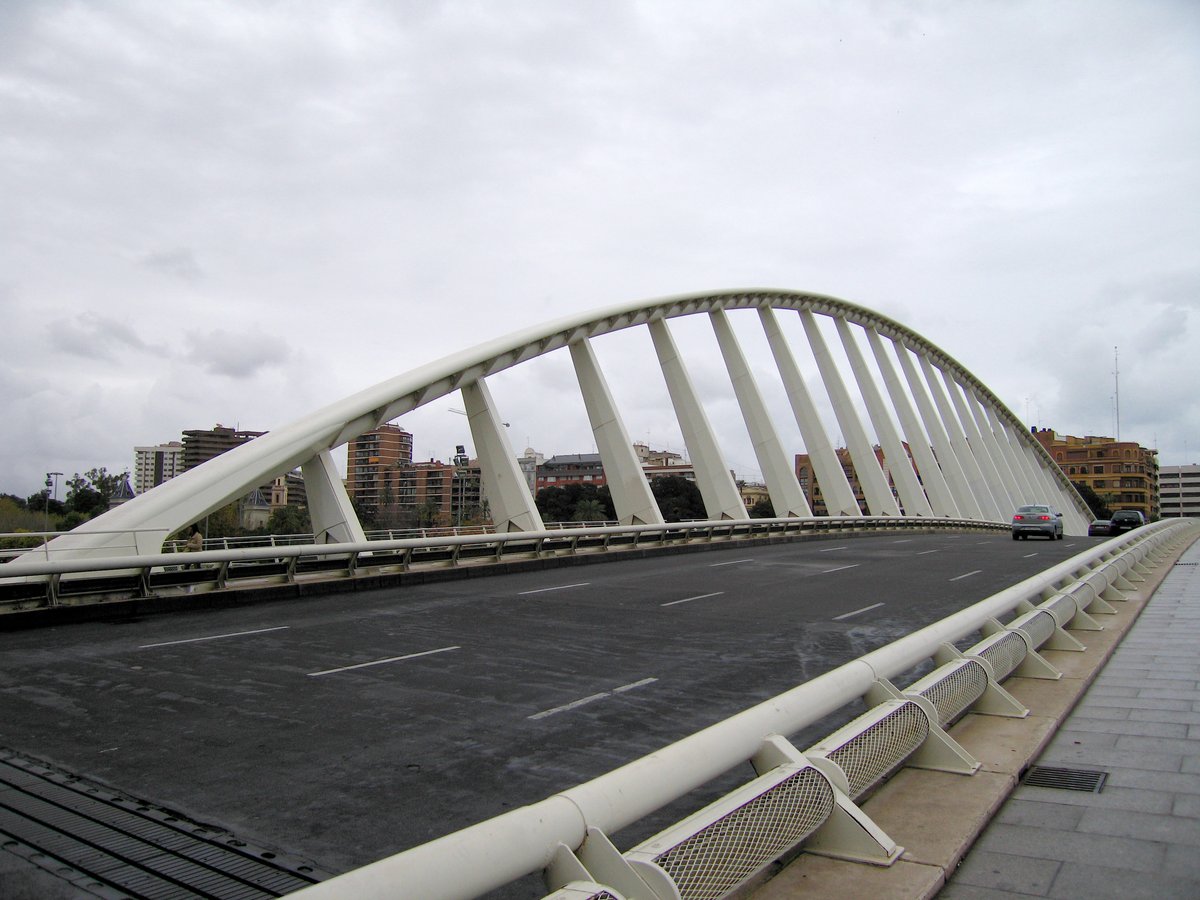
Its utilitarian modernist design prioritizes capacity and durability. Four lanes in each direction are supported by cylindrical concrete pillars, with separate pedestrian and cycling paths ensuring safe, sustainable mobility (ca.wikipedia.org).
Architectural Features and Engineering Innovations
Pont d’Ademús epitomizes mid-20th-century functional modernism:
- Materials: Reinforced, pre-stressed concrete enables broad spans and minimal supports, creating an airy, open structure (Valencia Tourist Guide).
- Safety and Lighting: Simple metal railings, robust barriers, and LED lighting ensure safety and visibility day and night.
- Accessibility: Ramps and gentle slopes provide full accessibility for wheelchairs and strollers, and cycling lanes encourage sustainable transport (Visit Valencia).
- Integration with Environment: The bridge’s approaches are landscaped to blend seamlessly with the Turia Gardens, while features like semicircular fountains beneath the span enhance the park’s ambiance.
Subtle decorative elements, such as ceramic tilework at the bridge’s ends, reference Valencian tradition without detracting from the bridge’s modernist character (The Crazy Tourist).
Visitor Information: Hours, Tickets, and Accessibility
Visiting Hours: Pont d’Ademús is accessible 24 hours a day, 7 days a week.
Tickets: No tickets or fees are required—the bridge is a public thoroughfare.
Accessibility: Ramps and wide walkways make the bridge suitable for all visitors, including those with mobility challenges.
Guided Tours: While there are no tours dedicated solely to Pont d’Ademús, many architectural walking and cycling tours of Valencia include the bridge as a highlight. Check with local operators for current offerings.
Transportation and Getting There
By Metro:
- Turia (Line 1) and Campanar-La Fe (Line 1) stations are both about a 10-minute walk from the bridge.
By Bus:
- EMT lines 1, 8, 29, and 95 all have stops near Pont d’Ademús (Visit Valencia – Getting Around).
By Car:
- Public parking is available nearby, though limited during peak hours.
By Bicycle:
- Dedicated bike lanes in the Turia Gardens and across the bridge make cycling an easy and enjoyable way to visit (Visit Valencia – Cycling).
Additional Tip:
The Valencia Tourist Card offers unlimited travel on public transport and discounts at many attractions (Valencia Tourist Card).
Nearby Attractions and Travel Tips
- Turia Gardens: Perfect for walking, jogging, cycling, and picnicking.
- Jardín Botánico de la Universitat de València: Historic botanical garden nearby (Love Valencia).
- Nuevo Centro Shopping Mall: Major retail and leisure destination.
- Barrio del Carmen: Medieval old town, vibrant nightlife, and cultural sites (Visit Valencia – Barrio del Carmen).
- Gulliver Park: Family-friendly playground east along the Turia Gardens.
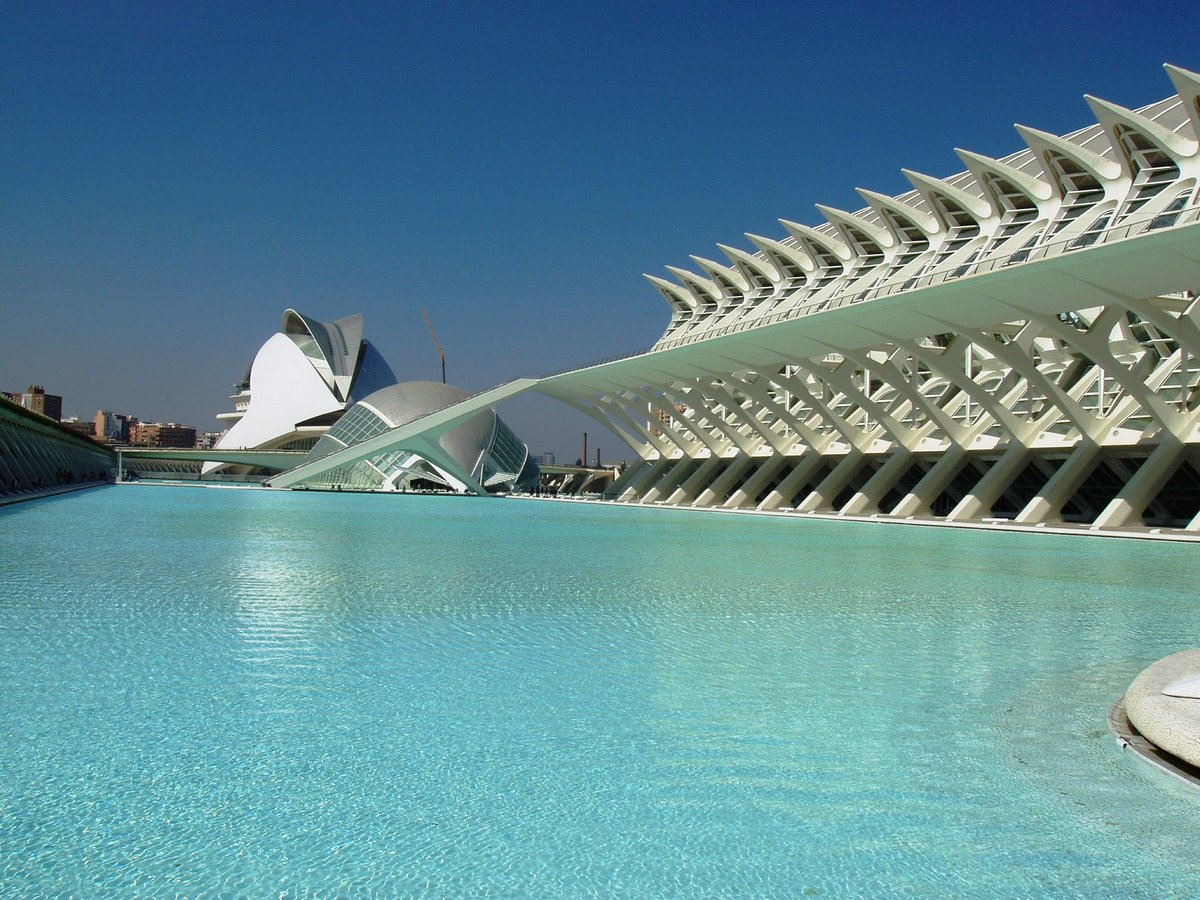
- City of Arts and Sciences: Modern architectural complex accessible via the gardens.
Best Times to Visit:
Spring and autumn offer the most pleasant weather. Early mornings and late afternoons provide ideal lighting for photography.
Events:
During major festivals such as Las Fallas (March), the bridge and gardens become lively gathering spots (Valencia City Guide – Las Fallas).
Urban Significance and Cultural Role
Pont d’Ademús is more than a crossing; it is a living part of Valencia’s daily life and urban evolution. As a key connector, it brings together neighborhoods with distinct identities—El Botànic’s academic heritage and Campanar’s village charm—while supporting sustainable mobility through its cycling and pedestrian infrastructure (Love Valencia).
The bridge’s understated modernist profile stands in contrast to the ornate stonework of Valencia’s historic bridges but complements the city’s innovative spirit and commitment to accessible public space (valencia-cityguide.com).
Frequently Asked Questions (FAQ)
Q: What are the visiting hours for Pont d’Ademús?
A: The bridge is open 24/7 with free public access.
Q: Is there an entry fee or ticket required?
A: No, Pont d’Ademús is a public bridge and free to visit.
Q: Is the bridge accessible for people with disabilities?
A: Yes, ramps and smooth paths make it accessible for wheelchairs and strollers.
Q: Are guided tours available?
A: Many Valencia walking and cycling tours include Pont d’Ademús as a highlight.
Q: What are the best ways to reach the bridge?
A: Metro Line 1 (Turia or Campanar-La Fe), EMT buses, cycling, or on foot via the Turia Gardens.
Listen to the full story in the app
Your Personal Curator, in Your Pocket.
Audio guides for 1,100+ cities across 96 countries. History, stories, and local insight — offline ready.
Audiala App
Available on iOS & Android
Join 50k+ Curators
Sources
-
verified
Pont d’Ademús Wikipedia, ca.wikipedia.org/wiki/Pont_d%27Adem%C3%BAs (2025)
-
verified
Valencia City Guide, valencia-cityguide.com/tourist-attractions/bridges.html (2025)
-
verified
Travelers Universe, travelersuniverse.com/valencia-facts/ (2025)
-
verified
Spain.info, spain.info/en/destination/valencia/ (2025)
-
verified
Valencia Tourist Guide, valencia-tourist-guide.com/en/general/valencia-spain-history.html (2025)
-
verified
Visit Valencia Official Site, visitvalencia.com/en/plan-your-trip-to-valencia/getting-around (2025)
-
verified
Love Valencia, lovevalencia.com/puente-de-ademuz.html (2025)
-
verified
The Crazy Tourist, thecrazytourist.com/15-best-things-valencia-spain/ (2025)
Last reviewed: