Introduction
Nestled in the heart of Valencia’s Ciutat Vella (Old Town), Plaça Redona—meaning "Round Square"—stands as one of the city’s most distinctive architectural and cultural landmarks. Conceived in 1837 by Salvador Escrig, this perfectly circular plaza has played a pivotal role in the city’s commercial and social life for nearly two centuries. Its unique design, historical function as a regulated market, and enduring vitality as a center for artisanal crafts and community gatherings make it an essential destination for visitors seeking to experience authentic Valencian heritage (Guida Valencia, Visit Valencia, Trek Zone).
Origins and Urban Context
Plaça Redona was established in 1837 at what was then considered the geometric center of Valencia’s historic core. The site was historically associated with the sale of fish and meat, as reflected in the surrounding street names such as Calle de la Pescadería. The creation of the plaza was part of a broader 19th-century urban modernization movement, providing a regulated space for local commerce while introducing a striking architectural contrast to the city’s angular street patterns (Guida Valencia).
Architectural Features and Restoration
Unique Circular Design
Plaça Redona’s most defining feature is its perfect circular form, measuring 37 meters in diameter. It is completely surrounded by uniform four-story residential and commercial buildings, which form an almost hidden courtyard accessible via four narrow entrances aligned with the cardinal points (wikipedia, comunitatvalenciana.com).
Central Fountain and Materials
At the plaza’s center stands a fountain dating from 1850, historically topped by a lantern that illuminated the square at night. The ground floor is lined with small shops and boutiques specializing in traditional Valencian crafts, haberdashery, and souvenirs. The use of polychrome tiles, painted wood, and wrought iron railings adds to the harmonious visual appeal (spain.info).
Restoration and Modernization
Between 2008 and 2012, Plaça Redona underwent a major restoration to preserve its historic character while adapting it for contemporary use. This included cleaning the facades, removing and replacing the aging market stalls, and adding a glass canopy for weather protection. The restoration aimed to strike a balance between historical authenticity, accessibility, and commercial vibrancy (Guida Valencia).
Visiting Information: Hours, Tickets, and Accessibility
- Plaza Access: Open 24 hours a day; free public entry.
- Shop Hours: Most shops operate from 10:00 AM to 2:00 PM and 5:00 PM to 8:00 PM, Monday to Saturday. The Sunday market runs from 9:00 AM to 2:00 PM (Visit Valencia).
- Tickets: No tickets required to enter the plaza or browse shops and markets.
- Accessibility: The plaza features flat, pedestrian-only surfaces suitable for wheelchairs and strollers. Narrow entrances may present challenges for larger mobility aids, and some surrounding streets are cobbled.
- Facilities: No public restrooms inside; nearby cafés and restaurants offer facilities for customers.
Plaça Redona’s Social and Cultural Role
Plaça Redona is more than an architectural curiosity—it is a vibrant social and commercial hub. Its enclosed layout fosters a sense of intimacy, making it a favorite meeting place for both locals and visitors. Historically, the plaza was famous for its bustling market atmosphere, with stalls selling everything from fresh produce and fish to textiles, lace, and embroidery. Today, many family-run shops continue these traditions, offering authentic Valencian crafts and souvenirs.
Special events and festivals, such as Las Fallas in March, transform the plaza with decorations and artisan fairs, reflecting the enduring role of Plaça Redona as a center for community celebration and cultural expression (Trek Zone).
Nearby Attractions and Urban Integration
Located within Valencia’s Ciutat Vella, Plaça Redona is steps away from major landmarks:
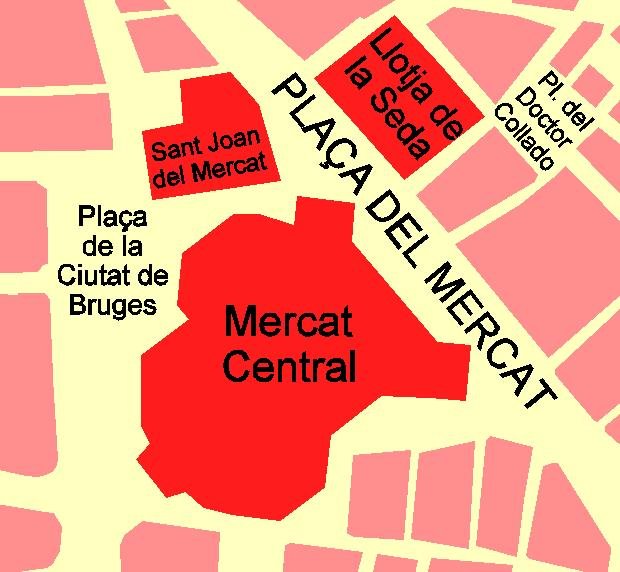
- Mercado Central: A vibrant market renowned for its fresh produce and architectural splendor.
- La Lonja de la Seda: A UNESCO World Heritage site exemplifying Gothic civil architecture.
- Valencia Cathedral: Home to the Miguelete bell tower, which offers panoramic views of the city and the perfect circular symmetry of Plaça Redona.
- Plaza de la Reina and González Martí National Museum of Ceramics: Both easily accessible on foot.
Visitors are encouraged to include Plaça Redona in broader walking tours of the city’s historic sites.
Practical Travel Tips
- Best Times to Visit: Weekday mornings and early afternoons offer a quieter shopping experience; Sundays are lively with the weekly market.
- What to Buy: Traditional lace, embroidery, ceramics, and unique souvenirs.
- Food and Drink: Enjoy a coffee or local delicacy like horchata at one of the plaza’s cafés.
- Photography: Early morning or late afternoon provides the best natural light for capturing the plaza’s unique geometry. Respect vendors’ privacy when photographing inside shops.
- Safety: The plaza is generally very safe, but as with any busy market, keep an eye on personal belongings during crowded events.
Frequently Asked Questions (FAQ)
Q: Is entry to Plaça Redona free?
A: Yes, there is no entrance fee.
Q: What are the official visiting hours?
A: The plaza is open 24/7; shops usually operate from 10:00 AM to 2:00 PM and 5:00 PM to 8:00 PM. The Sunday market is from 9:00 AM to 2:00 PM.
Q: Are guided tours available?
A: Yes, many local tours include Plaça Redona. Inquire at tourist offices or with reputable operators.
Q: Is the plaza wheelchair accessible?
A: Yes, the central courtyard is flat, though the narrow entrances may require assistance for some mobility devices.
Q: Are there public restrooms?
A: No, but nearby cafés and restaurants provide facilities for patrons.
Q: What are the main nearby attractions?
A: Mercado Central, La Lonja de la Seda, Valencia Cathedral, Plaza de la Reina, and the González Martí National Museum of Ceramics are all within walking distance.
Listen to the full story in the app
Your Personal Curator, in Your Pocket.
Audio guides for 1,100+ cities across 96 countries. History, stories, and local insight — offline ready.
Audiala App
Available on iOS & Android
Join 50k+ Curators
Sources
- verified
- verified
- verified
- verified
- verified
Last reviewed: