Introduction: A Gateway to Valencia’s Past and Present
Located in the vibrant heart of Valencia’s historic El Carmen district, Plaça del Tossal is a living testament to the city’s layered history and dynamic urban culture. The name “Tossal,” meaning “small hill” in Valencian, alludes to the gentle rise upon which the square sits—a strategic elevation that once formed a crucial part of the city’s medieval defenses. Today, Plaça del Tossal seamlessly blends archaeological intrigue, cultural vibrancy, and social vitality, inviting visitors to explore a crossroads where the past and present meet (Visit Valencia, Wikipedia, Valencia Getaway).
This comprehensive guide covers the essential aspects of visiting Plaça del Tossal, including historical context, key attractions, practical visitor information, and tips for making the most of your experience in one of Valencia’s most iconic squares.
Photo Gallery
Explore Plaça Del Tossal in Pictures

Early Origins and Islamic Period
Plaça del Tossal’s location owes its historical importance to its slightly elevated terrain, which played a strategic defensive role in the city’s Islamic era. Following the fall of the Caliphate of Córdoba in the early 11th century, Valencia—then called Balansiya—became the seat of a taifa kingdom. Between 1021 and 1061, under the rule of Abd al-Aziz ibn Abi Amir, Balansiya was fortified with a sophisticated city wall featuring five main gates, including the Bab al-Hanax gate. This fortification, later expanded in the 12th century with square towers and an additional outer wall, shaped the medieval urban landscape, traces of which remain beneath the present-day plaza (Wikipedia, Visit Valencia).
The Islamic Wall and Bab al-Hanax Gate
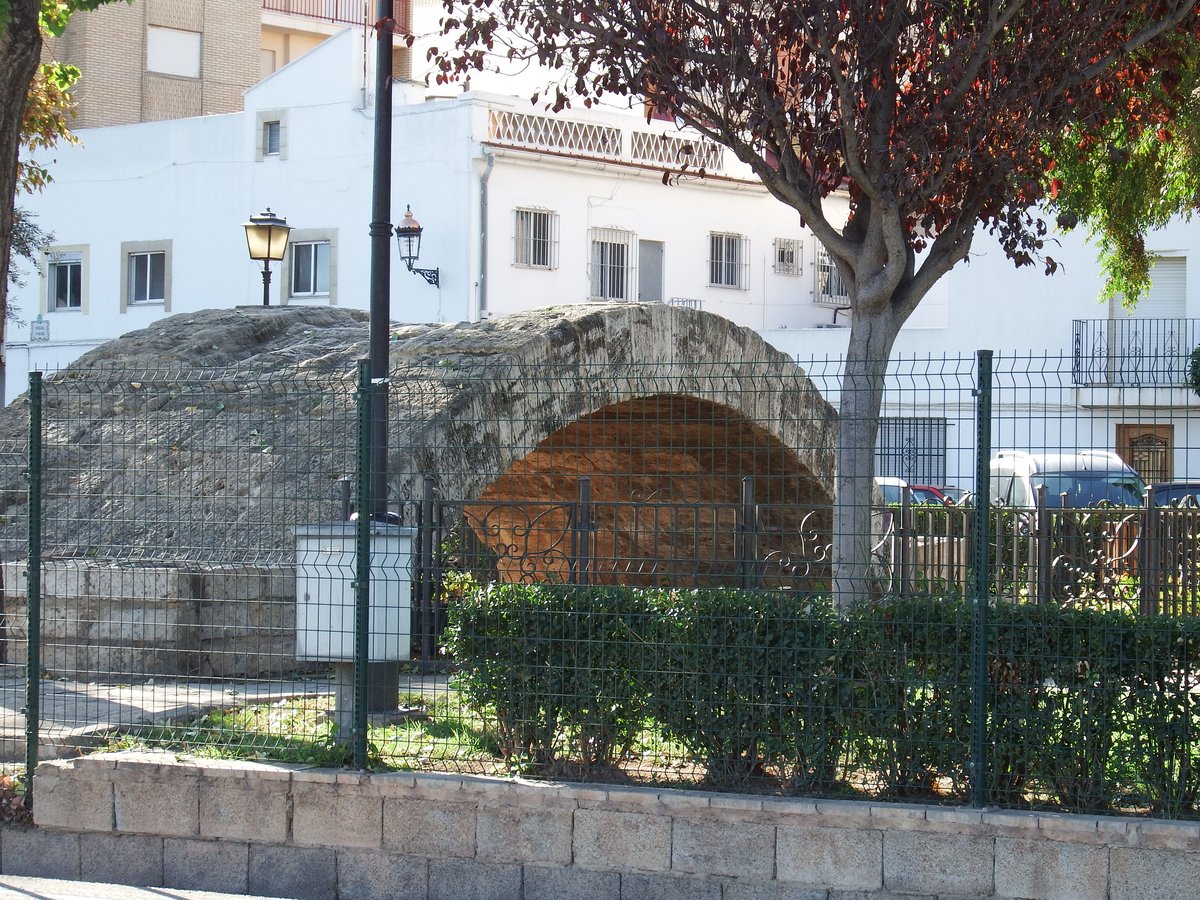
A defining feature of Plaça del Tossal lies underground: the Galería del Tossal. This archaeological crypt preserves sections of the 12th-century Islamic city wall, a square-based defensive tower, and remnants of the Bab al-Hanax gate. Built using the “tapial de mortero” (rammed earth with mortar) technique, the wall and tower display distinctive construction marks, including holes left by wooden formwork—an authentic hallmark of Islamic architecture. Informative exhibits and panels within the gallery illuminate Valencia’s Moorish past and the city’s medieval urban planning (Cultural Valencia, Que Hacer en Valencia).
Urban Development and Medieval Transformation
After the Christian conquest of 1238, the city’s defensive priorities shifted, and the Islamic walls lost their strategic significance. Over the centuries, much of the original fortification was dismantled during waves of urban renewal, especially in the 19th and 20th centuries. However, Plaça del Tossal retained its role as a major urban crossroads, connecting significant thoroughfares and evolving into a vibrant public square. The present-day configuration dates to the 1960s, following the demolition of several buildings—a transformation that created the open, lively plaza seen today (Wikipedia).
Archaeological Discoveries and Preservation
Archaeological excavations in the late 20th and early 21st centuries uncovered the well-preserved remains of the Islamic city wall and associated structures beneath the plaza. These discoveries led to the creation of the Galería del Tossal as a dedicated exhibition space, allowing visitors to experience Valencia’s medieval history up close. Artifacts and interpretive panels in the gallery provide insight into daily life during the Islamic period, enhancing the educational value of the site (Visit Valencia, Que Hacer en Valencia).
Cultural and Social Life at Plaça del Tossal
More than just a historical landmark, Plaça del Tossal is a dynamic center of local life. The square’s cobbled surface and historic facades set the stage for daily social interaction, spontaneous gatherings, and lively nightlife. Locals and visitors alike flock to its surrounding bars, cafes, and terraces, especially in the evenings when the Mediterranean lifestyle is on full display. The square also hosts traditional festivals, such as the “Balls al Carrer” folk dance event, and regularly features street performances, markets, and other cultural activities (Valencia Getaway, Abroad in Valencia, Guide to Valencia).
The juxtaposition of ancient ruins and contemporary street art, coupled with the rhythm of modern Valencian life, creates a unique sense of place where history is both preserved and lived.
Architectural Features and Urban Landscape
Plaça del Tossal is characterized by its compact, triangular layout and slightly elevated position—making it the highest point in the historic center at 15 meters above sea level. The plaza is paved with stone slabs and surrounded by 19th-century residential buildings with ornate balconies. Narrow, winding streets radiate from the square, inviting exploration into the labyrinthine Barrio del Carmen. The visible entrance to the Galería del Tossal is marked by modern glass panels, hinting at the archaeological wonders below (Paseando por Valencia, Wikipedia).
Practical Visitor Information
Plaça del Tossal (Square):
- Open: 24 hours a day, year-round. Free public access.
- Atmosphere: Lively at most times, especially evenings and weekends.
Galería del Tossal (Archaeological Site):
- Visiting Hours:
- Tuesday to Saturday: 16:00–19:00
- Sundays and holidays: 10:00–14:00
- Closed Mondays
- Tickets:
- General admission: €2
- Free entry on Saturdays, Sundays, and holidays
- Guided Tours:
- Available by reservation via phone (+34 963 525 478) or email ([email protected])
- Accessibility:
- The square is mostly accessible; however, the underground gallery has limited wheelchair access. Contact the museum in advance for assistance.
- Getting There:
- Metro: Àngel Guimerà or Xàtiva stations (10–15 min walk)
- Bus: Lines 5, 6, 11, 16, 26, 28, 80, 81, 95
- Walking: Easily accessible from major old town attractions
Nearby Attractions:
- Torres de Quart and Torres de Serranos (medieval gates)
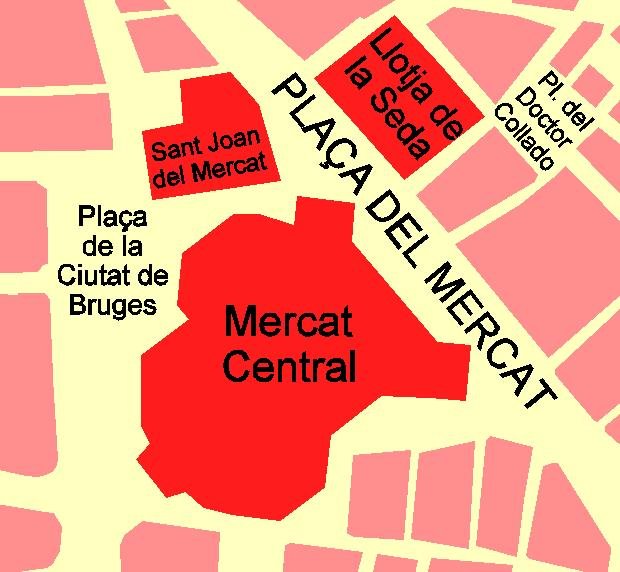
- Central Market and La Lonja de la Seda (UNESCO World Heritage Site)
- Plaza de la Virgen and the Cathedral Quarter
- Valencia Institute of Modern Art (IVAM)
Tips:
- Wear comfortable shoes for cobblestone streets.
- Visit in the late afternoon or evening for the best atmosphere.
- Use public transport; nearby parking is limited.
(Experiences Valencia, Visit Valencia)
Frequently Asked Questions (FAQ)
Q: What are the visiting hours for Galería del Tossal?
A: Tuesday to Saturday 16:00–19:00, Sundays and holidays 10:00–14:00, closed Mondays.
Q: Is there an entrance fee?
A: €2 for general admission; free on weekends and holidays.
Q: Are guided tours available?
A: Yes, by prior reservation via phone or email.
Q: Is the site accessible?
A: The square is accessible, but the underground gallery has limited wheelchair access.
Q: What are the best times to visit?
A: Early mornings for tranquility; evenings for nightlife and dining. Weekends are lively but busier.
Recommendations and Visiting Tips
- Start with the Galería del Tossal to connect with Valencia’s medieval heritage.
- Sample local cuisine at the square’s cafes and bars—don’t miss regional specialties like “esgarraet” and horchata.
- Explore nearby attractions such as the Central Market and Valencia Cathedral.
- Plan your visit during gallery opening hours for a complete experience.
- Download the Audiala app for interactive audio guides and up-to-date event information.
Visuals and Media
- Visit Valencia virtual tour and gallery
- Suggested image alt tags:
- “Plaça del Tossal Valencia nightlife”
- “Galería del Tossal archaeological site entrance”
- “Traditional Valencian dance at Plaça del Tossal”
- “Islamic wall remains at Plaça del Tossal”
Listen to the full story in the app
Your Personal Curator, in Your Pocket.
Audio guides for 1,100+ cities across 96 countries. History, stories, and local insight — offline ready.
Audiala App
Available on iOS & Android
Join 50k+ Curators
Sources
- verified
- verified
- verified
- verified
- verified
- verified
- verified
Last reviewed: