Introduction
The Palau del Marqués de Dos Aigües is one of Valencia’s most exquisite and historically rich landmarks, embodying centuries of noble heritage, architectural evolution, and artistic achievement. With roots tracing back to the 15th century, the palace seamlessly blends Gothic, Baroque, and Rococo styles, each layer reflecting a pivotal era in Valencian society. Once the residence of the influential Rabassa de Perellós family, the palace today houses the González Martí National Museum of Ceramics and Decorative Arts, Spain’s premier ceramics collection. Centrally located, the Palau is a must-visit for architecture buffs, culture enthusiasts, and curious travelers alike.
This guide provides detailed, up-to-date information to help you plan your visit: from opening hours and ticketing to accessibility, tours, and insider tips. For the latest updates, always refer to the official museum website and reputable local resources (7televalencia.com, Atlas Insolitus, Visit Valencia).
Origins & Noble Ascent
Built atop a Roman necropolis, the palace’s earliest structure dates from the 15th century as the Gothic home of the Rabassa de Perellós family (7televalencia.com). Their elevation to nobility was sealed in 1699 when King Charles II granted the title “Marqués de Dos Aguas,” referencing the Turia and Júcar rivers, a motif that permeates the palace’s iconography (Wikipedia).
Rococo Transformation & 19th-Century Changes
In the 1740s, the third Marqués commissioned a Rococo overhaul, directed by architect Hipólito Rovira and sculptor Ignacio Vergara. The spectacular alabaster façade, completed in 1745, is a highlight of Spanish Rococo (Atlas Insolitus). The 19th century saw further remodeling by José Ferrer, introducing elegant French balconies and updating interior salons to reflect contemporary tastes (7televalencia.com).
Museum Era
Declared a National Historic-Artistic Monument in 1941, the palace became the home of the González Martí National Museum of Ceramics and Decorative Arts in 1949, opening its doors to the public and safeguarding centuries of Valencian artistry (Visit Valencia).
Architectural Features
Exterior: Rococo-Baroque Façade & Carriage Entrance
The palace’s façade is a tour de force of Rococo sculpture, with swirling forms, allegorical figures, and intricate reliefs. Two atlantes represent the Turia and Júcar rivers, while the Virgin of the Rosary presides above the entrance, surrounded by water motifs, floral designs, and heraldic symbols (Cosas de Valencia). The 19th-century carriage entrance, adorned with the Marqués’ initials and mythological figures, underscores the family’s aristocratic status (Atlas Insolitus).
Interior: Grand Salons, Museum Spaces & Carriage Collection
- Grand Staircase & Vestibule: Opulent with gilded stuccoes and period lighting, the staircase leads to the main floor.
- Chinese Salon: Showcases original 18th-century Chinoiserie décor, highlighting Europe’s fascination with the Far East.
- Ballroom, Red Room, Chapel: Each room features unique period furnishings, ceiling frescoes, and rich ornamentation.
- Carriage Hall: Displays original 18th-century carriages, including the famed Carroza de las Ninfas.
- Museum Galleries: The palace integrates historical interiors with modern exhibition spaces, housing ceramics, textiles, fans, and more (Atlas Insolitus).
Visitor Information
Opening Hours
- Tuesday to Sunday: 10:00 AM – 7:00 PM
- Closed: Mondays and select public holidays
- Always check the official museum website for seasonal updates.
Tickets
- General admission: €4–€6 (varies by source and exhibition)
- Reduced: €2–€3 (students, seniors, groups)
- Free entry: Children under 12, Sundays after 3:00 PM, select holidays
- Purchase: On-site and online (Official Museum Website)
Accessibility
The palace is wheelchair accessible, with ramps, elevators, and adapted restrooms. Some upper floors may have limited access due to the building’s historic structure (Visit Valencia).
Guided Tours & Visitor Services
- Guided tours: Available in Spanish, English, and other languages by reservation.
- Audio guides & brochures: Offered for self-guided visits.
- Group and educational tours: Book in advance for schools or organizations.
Photography
Photography is allowed in most areas (no flash or tripods). For professional equipment, obtain prior authorization.
Collections & Exhibitions
Ceramics
The museum’s core is its ceramics collection, featuring:
- Valencian works from Manises, Paterna, Alcora
- European and Asian ceramics, including Chinese and Japanese porcelain
- Modern and contemporary pieces, including works by Picasso (Plan Valencia)
Decorative Arts
Exhibits include:
- Historic costumes and textiles (notably from Valencia’s silk industry)
- Paintings, sculptures, luxury objects, and furniture
- Rotating temporary exhibitions and artist spotlights
Family Activities & Events
- Workshops: Themed activities for children and families
- Concerts & performances: Held in the palace’s grand halls
- Special tours: Theatrical and interactive formats available during festivals and holidays
Travel Tips & Nearby Attractions
- Location: Calle Poeta Querol, 2, 46002 Valencia — central and walkable to major sites (Plan Valencia)
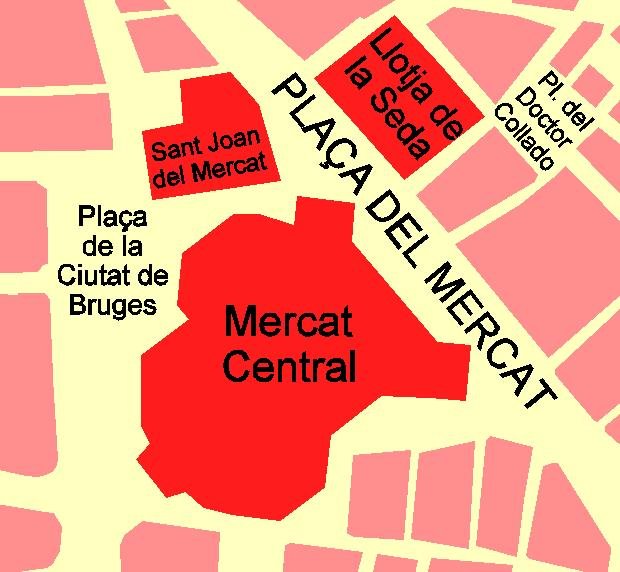
- Nearby: Valencia Cathedral, Central Market, Mercado de Colón, El Carmen district
- Transport: Metro (Colón, Xàtiva), bus lines; public parking nearby but walking is easier due to old town layout
- Duration: Allocate 1.5–2 hours for a complete visit
Cultural Significance
The Palau del Marqués de Dos Aigües is not only an architectural masterpiece but a living symbol of Valencian identity. Its rich iconography, from the rivers on its façade to the patronage of the Virgin, links the city’s geography, religious traditions, and noble history (Cultural Valencia). As a museum, it conserves and celebrates the region’s artistic, social, and material heritage, making it a focal point for community pride and cultural exchange.
Frequently Asked Questions (FAQ)
What are the visiting hours?
Tuesday to Sunday, 10:00 AM–7:00 PM; closed Mondays.
How do I buy tickets?
Purchase on-site or online via the official site.
Is it wheelchair accessible?
Yes, with some limitations on upper floors.
Are guided tours available?
Yes, in several languages; book in advance.
Can I take photos?
Yes, except with flash or tripods.
What else is nearby?
Valencia Cathedral, Central Market, Turia Gardens, and more.
Listen to the full story in the app
Your Personal Curator, in Your Pocket.
Audio guides for 1,100+ cities across 96 countries. History, stories, and local insight — offline ready.
Audiala App
Available on iOS & Android
Join 50k+ Curators
Sources
- verified
- verified
- verified
- verified
- verified
- verified
Last reviewed: