Introduction
Nestled in the vibrant heart of Valencia, the Palacio del Vizconde de Valdesoto is a living testament to the city’s noble heritage and architectural evolution. Built in the 18th century by the influential Valdesoto family, this urban palace seamlessly blends baroque and neoclassical elements, offering visitors a unique window into the lives of Valencia’s aristocracy. Today, the palace serves not only as a preserved historic site but also as a dynamic cultural venue, hosting exhibitions, concerts, and educational programs. Whether you are fascinated by architecture, captivated by history, or simply seeking to experience one of Valencia’s lesser-known gems, this comprehensive guide will help you make the most of your visit.
Extensive research from trusted sources such as Visit Valencia, Nomadic Matt, and My Path in the World ensures you have access to up-to-date and accurate information on visiting hours, tickets, accessibility, and travel tips.
Historical Background
The Palacio del Vizconde de Valdesoto traces its origins to the 18th century. Commissioned by the Valdesoto family, a noble lineage with roots in Asturias, the palace was designed to reflect both their wealth and their pivotal role in Valencia’s social and political spheres. Throughout its existence, the building has witnessed significant historical milestones, from the Peninsular War to the modernization of Valencia in the 19th and 20th centuries. It has served as a residence, a venue for social gatherings, a meeting place for local leaders, and, more recently, a cultural center open to the public (Nomadic Matt).
Architectural Heritage and Features
Exterior
The palace’s main façade, facing Plaza de Alfonso el Magnánimo, is a model of aristocratic restraint. Constructed from stone, it features a lintelled doorway, the Valdesoto family crest, four stone-balustraded balconies, and glazed miradores (enclosed balconies) added in the early 20th century. The secondary façade along Calle Poeta Quintana includes an additional mirador and an array of balconies, reflecting the building’s evolution over centuries.
Interior
Upon entry, visitors are welcomed by a bright zaguán (entrance hall), illuminated by a polychrome glass skylight above a marble staircase. The inner courtyard—framed by semicircular arches and Ionic columns—exemplifies Renaissance and Mediterranean influences. The interior showcases original tilework, stucco ceilings with mythological motifs, period chandeliers, and a private chapel with masterful baroque woodwork.
Other highlights include:
- The library, housing rare manuscripts and first editions.
- The ballroom, with original parquet flooring and crystal chandeliers.
- Artistic frescoes and gilded moldings in the main salons.
- Preserved decorative elements such as wrought-iron railings, carved woodwork, and stained glass.
Cultural Significance and Preservation
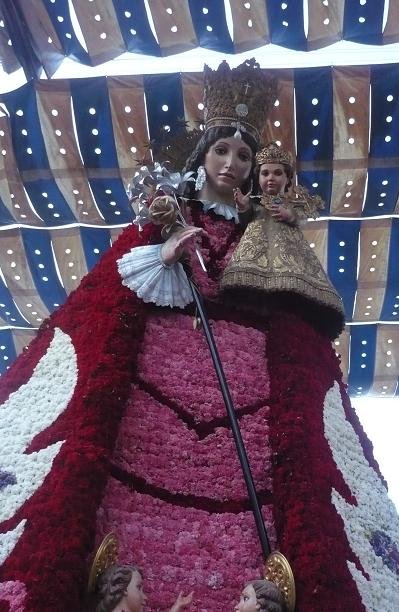
Historically, the palace was a hub for social and cultural life in Valencia. It hosted aristocratic balls, literary gatherings, and musical performances, playing a key role in shaping the city’s identity. Notably, the Valdesoto family were early patrons of the Fallas festival, and the palace itself has participated as a backdrop for festival events.
In the 20th century, the palace became a venue for art exhibitions and chamber music concerts, fostering cultural exchange. Recognizing its importance, the building was designated a protected heritage site, with restoration projects ensuring its preservation for future generations. Modern adaptations allow for guided tours, educational workshops, and private events, all while maintaining the palace’s historical and artistic integrity (Visit Valencia).
Visiting Hours, Tickets, and Accessibility
- Visiting Hours: Open Tuesday to Sunday, 10:00 AM – 6:00 PM. Closed on Mondays and public holidays. Hours may vary during special events; check official sources before visiting.
- Tickets: General admission is €8. Reduced fees (€5) apply for students, seniors, and groups. Children under 12 enter free. Tickets are available online or at the entrance; advance booking is recommended during peak seasons.
- Accessibility: The ground floor and main exhibition areas are wheelchair accessible. Ramps and elevators are installed where possible, and assistance is available upon request. Service animals are permitted. Some upper floors may remain inaccessible due to the palace’s historic architecture.
For the latest details, see the Valencia tourism portal.
Guided Tours and Events
Guided tours are offered in Spanish and English, providing in-depth insights into the palace’s architecture, history, and the Valdesoto family’s legacy. Thematic tours are occasionally scheduled, focusing on topics such as baroque art or the palace’s festival connections. The palace also regularly hosts cultural events, from art exhibitions and fashion showcases to concerts.
Advance booking for tours is recommended, especially during festival periods such as Las Fallas. Check the palace’s event calendar or the official tourism site for updates.
Location and Getting There
Address: Plaza de Alfonso el Magnánimo, 7, Valencia.
- By Metro: The nearest station is Xàtiva (Lines 3 and 5), a 10-minute walk from the palace.
- By Bus: Several city bus lines stop at or near Plaza de Alfonso el Magnánimo.
- By Car: Nearby parking garages are available, but walking or cycling is encouraged to best enjoy the old town atmosphere.
- On Foot: The palace is centrally located within Valencia’s Ciutat Vella (Old Town) and is easily accessible from other major attractions.
Nearby Attractions and Travel Tips
Enhance your visit by exploring nearby Valencia historical sites:
- Valencia Cathedral
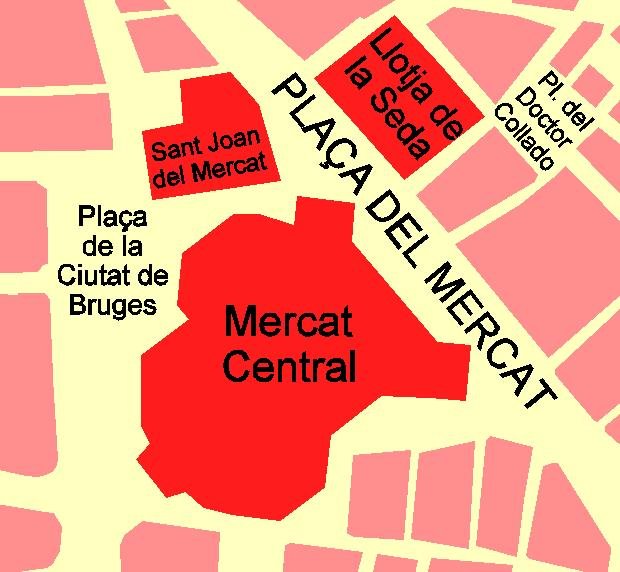
- Central Market
- La Lonja de la Seda (Silk Exchange)
- Plaza de la Virgen
- Turia Gardens
Travel Tips:
- Arrive early to avoid crowds.
- Wear comfortable footwear for exploring the old town.
- Combine your visit with a walking tour for a more comprehensive experience.
- Bring a camera, but check restrictions on flash and tripods.
- Consider purchasing the Valencia Tourist Card for discounted entry and free public transport.
Frequently Asked Questions (FAQ)
Q: What are the visiting hours?
A: Tuesday to Sunday, 10:00 AM – 6:00 PM; closed Mondays and public holidays.
Q: How much are tickets?
A: €8 general, €5 reduced (students, seniors, groups), free for children under 12.
Q: Are guided tours available?
A: Yes, in Spanish and English. Book in advance, especially during peak times.
Q: Is the palace wheelchair accessible?
A: The ground floor and main areas are accessible. Contact in advance for specific needs.
Q: Can I take photos inside?
A: Yes, but avoid flash and tripods. Always check signage or ask staff for restrictions.
Q: What else is nearby?
A: Valencia Cathedral, Central Market, Silk Exchange, Plaza de la Virgen, and Turia Gardens.
Summary Table of Key Features
| Feature | Description |
|---|---|
| Location | Plaza de Alfonso el Magnánimo, 7, Valencia |
| Construction Period | 18th century; renovations in 1905 and 1928 |
| Architectural Styles | Baroque, Neoclassical, Renaissance, Eclectic (early 20th century) |
| Main Facade | Stone, lintelled doorway, heraldic shield, balconies, miradores |
| Secondary Facade | Additional mirador, multiple balconies and windows |
| Interior Patio | Semicircular arches, Ionic columns, stone construction |
| Main Staircase | Marble, sculptural details, polychrome glass skylight |
| Decorative Elements | Heraldic shields, ironwork, carved woodwork, decorative glass |
| Current Use | Cultural center, guided tours, offices, special events |
Listen to the full story in the app
Your Personal Curator, in Your Pocket.
Audio guides for 1,100+ cities across 96 countries. History, stories, and local insight — offline ready.
Audiala App
Available on iOS & Android
Join 50k+ Curators
Sources
- verified
- verified
- verified
Last reviewed: