Introduction
Nestled in the heart of Valencia’s historic center, the Palace of the Borgias—also known as Palacio de los Borgia or Palacio de Benicarló—stands as one of the city’s most significant monuments. This 15th-century masterpiece not only reflects the grandeur of the powerful Borgia family but also serves as the living seat of the Corts Valencianes (Valencian Parliament). Visitors are drawn to its blend of Gothic, Renaissance, Baroque, Neoclassical, and Modernist architectural styles—evidence of centuries of adaptation and transformation. Today, the palace continues to bridge Valencia’s storied past with its vibrant present, offering an essential experience to those interested in history, art, and culture (Borgia Parliament Building; Visit Valencia; Corts Valencianes).
This comprehensive guide details the palace’s history, architecture, visiting hours, ticketing, accessibility, and tips for making the most of your visit, including nearby attractions and essential travel advice.
Photo Gallery
Explore Palace of the Borgias in Pictures
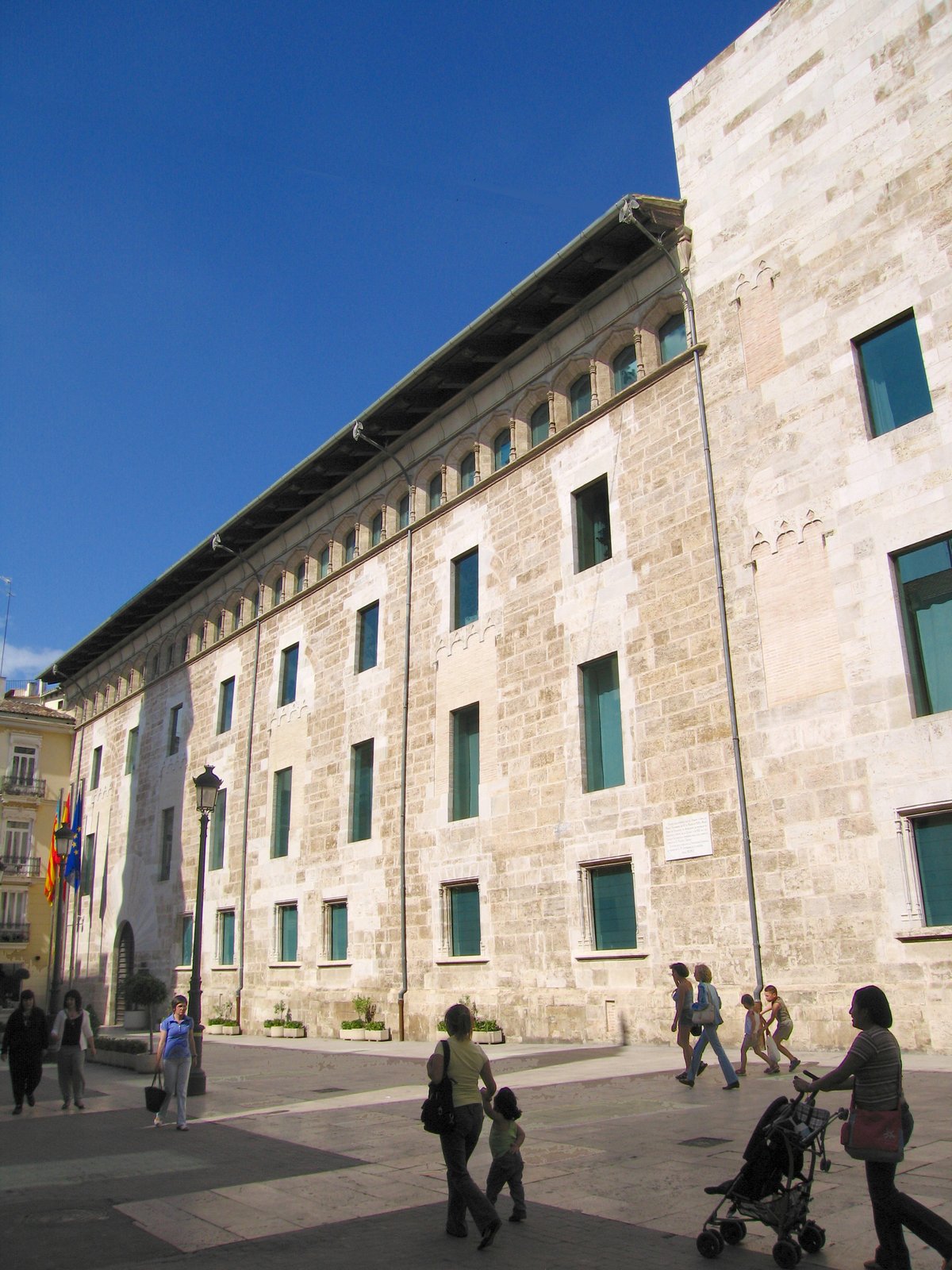
Exterior view of the Seu de les Corts Valencianes, the seat of the Valencian Parliament, located in Valencia, Spain.
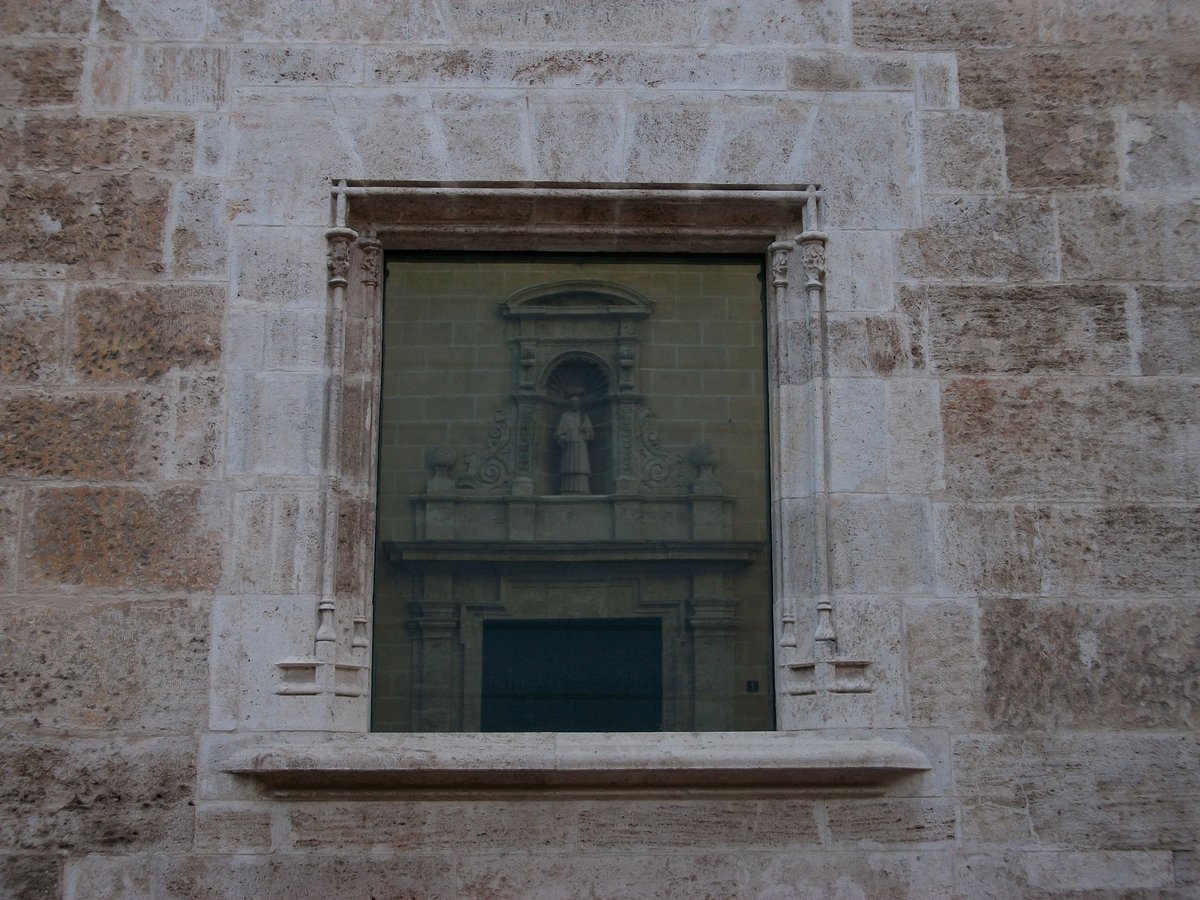
Photograph of the window of Palau de Benicarló, the current seat of the Valencian Parliament, reflecting the entrance of the Sant Llorenç church in Valencia.
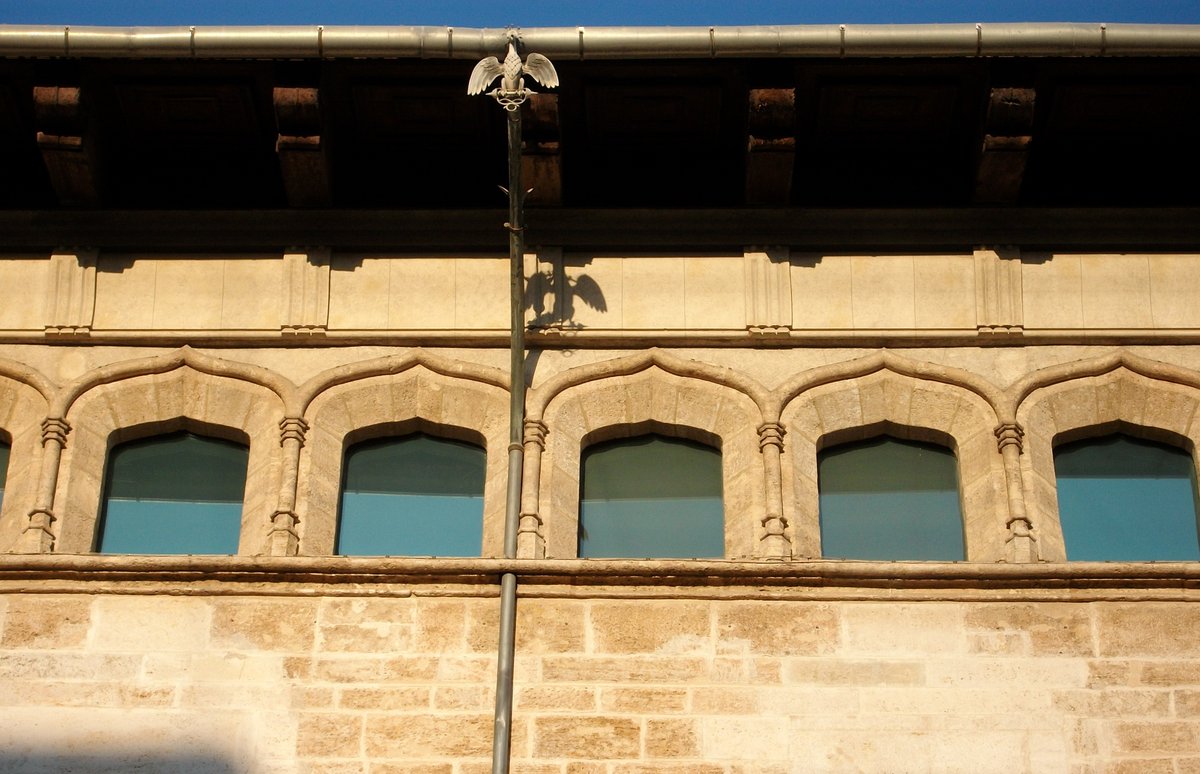
Detailed view of the Galeria d'arquets conopials at Palau de Benicarló, historic seat of the Valencian Parliament showcasing its unique architectural style.
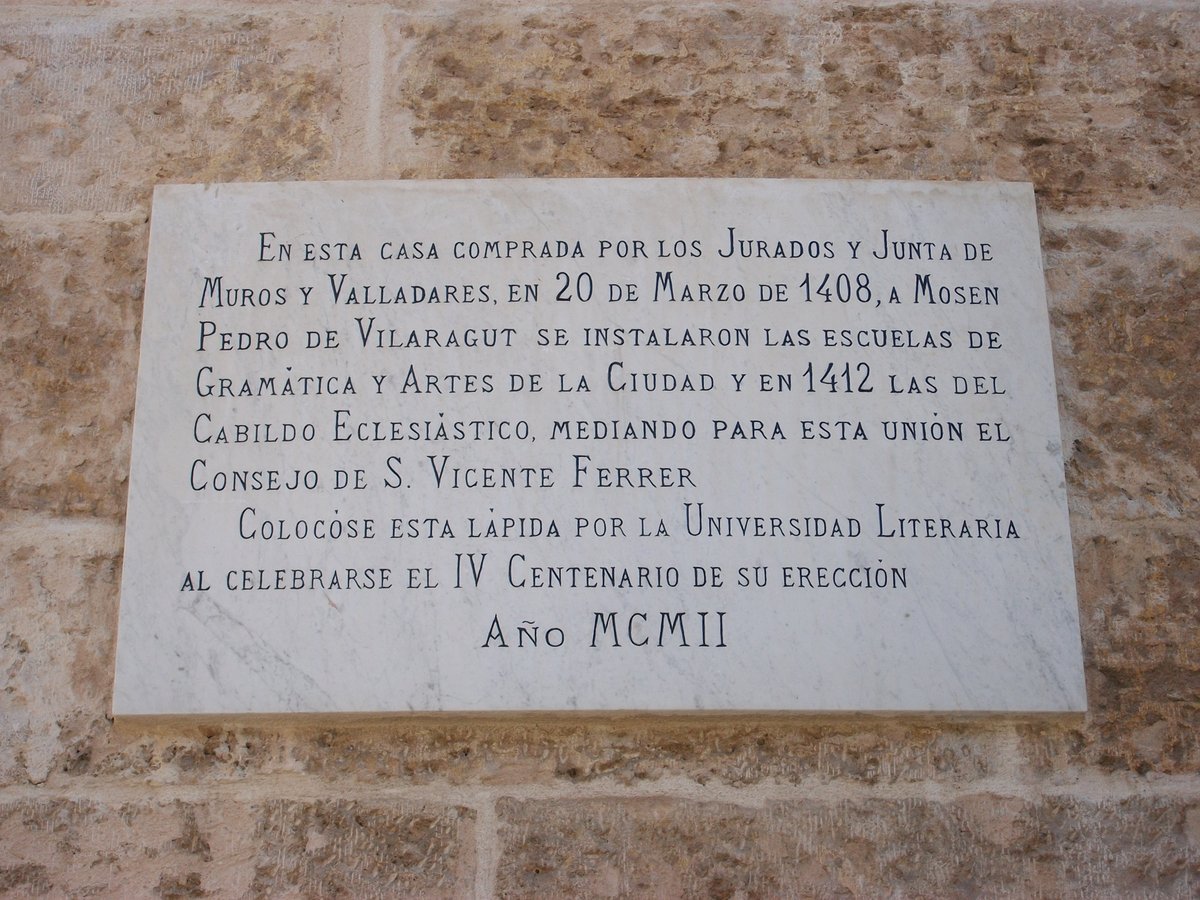
Commemorative plaque of the University of Valencia placed in 1902, marking the historical site from 1408 where the schools of Grammar and Arts were established, featuring an inscription referencing the founding events and the fourth centenary celebration.
Historical Origins and the Borgia Family
The Palace of the Borgias was commissioned in the 15th century by Pedro Luis de Borgia, son of Pope Alexander VI and the first Duke of Gandía. Built on the site of the old School of Art and Grammar, the palace epitomized the Borgia family's rise to power in Valencia and across Europe. The Borgias—originating from the Kingdom of Aragon—produced two popes (Calixtus III and Alexander VI), and held significant political and cultural sway over the region (Borgia Parliament Building).
Their residence in the palace marked Valencia as a center of Renaissance culture and political intrigue, attracting artists and intellectuals, and establishing the Borgia legacy as a cornerstone of Valencian and European history.
Architectural Evolution and Notable Features
Gothic and Renaissance Foundations
The initial structure showcased the Valencian Gothic style, characterized by pointed arches, ribbed vaults, and intricate stonework. The rectangular plan and prominent tower remain, while Renaissance influences—especially in the palace chapel—add harmony and grace to the design (Visit Valencia).
Later Enhancements
Over subsequent centuries, Baroque, Neoclassical, and Modernist elements were integrated. The Golden Gallery (Galería Dorada) dazzles with gilded Baroque mouldings and painted ceilings, while 19th-century Neo-Gothic restorations introduced vaults, rosette windows, and quatrefoil decorations. The palace’s main façade features mixtilinear arches, a semi-circular arched doorway, and wooden eaves, while the central courtyard and lush rear garden offer serene retreats.
Decline, Restoration, and Modern Role
After its 18th-century abandonment by the Duke of Gandía, the palace changed hands, eventually becoming known as Palacio de Benicarló. It was declared an Asset of Cultural Interest in 1931, and subsequent restoration campaigns preserved its eclectic character (Borgia Parliament Building). Today, it serves as the seat of the Valencian Parliament, maintaining its role as a center of political life in the region (Corts Valencianes).
Visiting Information
Hours and Admission
- Guided Tours: Available primarily on Monday and Friday mornings, with tours typically starting at 10:00, 11:00, 12:00, and 13:00. The palace is closed to visitors in August and during parliamentary sessions.
- General Opening: During special events or European Heritage Days, extended hours may apply. Always confirm on the official website.
Tickets and Reservations
- Admission: Free of charge, but advance booking is required to guarantee access. Reserve tickets via the Corts Valencianes website or at local tourism offices.
- Languages: Tours are available in Spanish and Valencian, with occasional English-language options.
Accessibility
- The palace is fully accessible to visitors with reduced mobility, featuring ramps, elevators, and adapted restrooms. Notify staff in advance for assistance.
Guided Tours and Special Events
- Guided tours explore the palace’s history, architecture, and Borgia legacy. Special exhibitions and cultural events are occasionally hosted; check the official site or local tourism boards for updates.
Location and Directions
- Address: Plaza de San Lorenzo, 4, Valencia (also Carrer dels Navellos, 1).
- Transport: Easily reached on foot from the city center, or via metro (Colón station, Lines 3 and 5), bus, or taxi. Parking garages are nearby, but public transport is recommended due to limited historic center access.
Highlights and Visitor Experience
- Crown Hall (Sala de la Corona): Features a wooden coffered ceiling and heraldic decor commemorating Pope Alexander VI.
- Golden Gallery (Galería Dorada): Lavish Baroque hall with gilded mouldings and artistic ceiling canvases.
- Chapel: Displays Neo-Gothic vaults and Renaissance grisaille paintings.
- Courtyard (Patio de los Naranjos): A tranquil garden space typical of Valencian noble residences.
- Main Hall (Salón de Sesiones): The grand parliamentary chamber.
- Art and Artifacts: Includes period furnishings, portraits, and historical documents.
Interactive displays and audio guides in several languages enrich the visit.
Photography Tips
- The best exterior shots are in the morning light; the façade and rear gardens are particularly photogenic.
- Photography inside is generally permitted, but avoid flash and respect any posted restrictions, especially during parliamentary sessions.
Key Dates and Milestones
- 15th Century: Commissioned by Pedro Luis de Borgia; Gothic construction begins.
- 1485: Borgia family acquires Duchy of Gandía; palace becomes their residence.
- 18th Century: Abandonment and change of ownership; later known as Palacio de Benicarló.
- 1931: Declared an Asset of Cultural Interest.
- Late 20th Century: Becomes the seat of the Corts Valencianes.
- Ongoing: Continual restoration and use as a living institution.
Frequently Asked Questions (FAQ)
Q: What are the Palace of the Borgias visiting hours?
A: Guided tours are generally offered Monday and Friday mornings at 10:00, 11:00, 12:00, and 13:00. Check the official website for updates.
Q: Is there an admission fee?
A: No, entry is free but advance booking is required.
Q: Are guided tours available in English?
A: Occasionally; confirm availability when booking.
Q: Is the palace accessible for wheelchair users?
A: Yes, with ramps, elevators, and adapted facilities.
Q: Can I take photos inside?
A: Yes, without flash and except in restricted areas.
Q: What other Valencia historical sites are nearby?
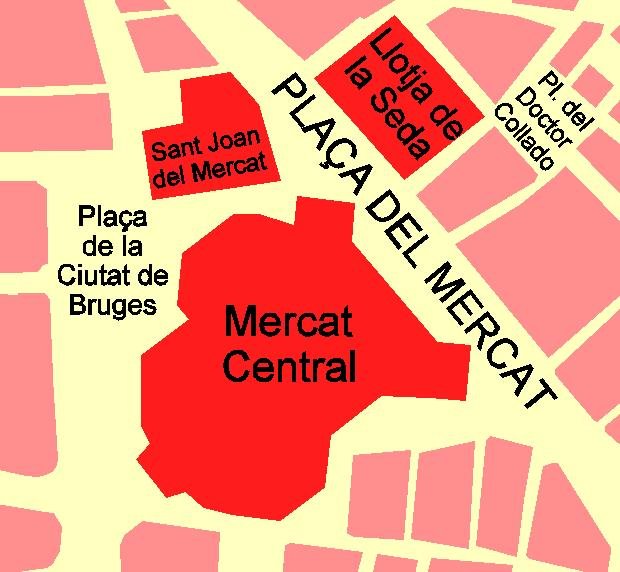
A: Valencia Cathedral, Central Market, La Lonja de la Seda, and Torres de Serranos.
Summary and Recommendations
The Palace of the Borgias is a unique emblem of Valencia’s history—combining architectural brilliance, political intrigue, and vibrant cultural heritage. Its central location allows for convenient exploration of other city landmarks. With free admission, accessible facilities, and multilingual tours, the palace welcomes a diverse audience, from history aficionados to curious travelers.
Tips for your visit:
- Reserve your tickets well in advance.
- Confirm opening hours, especially during parliamentary sessions or holidays.
- Combine your visit with nearby attractions for a full day of Valencia’s history.
- Download the Audiala app for audio guides and interactive maps.
- Follow official channels for the latest updates and event information.
For more information and to plan your visit, consult the official resources below:
Listen to the full story in the app
Your Personal Curator, in Your Pocket.
Audio guides for 1,100+ cities across 96 countries. History, stories, and local insight — offline ready.
Audiala App
Available on iOS & Android
Join 50k+ Curators
Sources
- verified
- verified
- verified
- verified
- verified
Last reviewed: