Introduction
La Creu del Grau is a vibrant and historic neighborhood nestled within Valencia’s Poblats Marítims district. Renowned for its deep maritime roots, authentic local atmosphere, and evolving urban landscape, it offers visitors a window into Valencia’s storied relationship with the Mediterranean. Once a medieval boundary marked by the iconic Cruz del Grao, the area has grown from a critical port outpost into a thriving, culturally rich community (Valencia History, Las Provincias).
La Creu del Grau today is characterized by a blend of narrow, lively streets, traditional tapas bars, bustling markets, and significant architectural landmarks like the Mercado del Grao and Parròquia Santa Maria del Mar. Annual festivals and ongoing urban renewal projects coexist with historical sites, creating a unique environment for travelers seeking a genuine Valencian experience. This detailed guide provides practical information on visiting hours, ticketing, guided tours, top attractions, and travel tips for making the most of your visit.
Origins and Historical Evolution
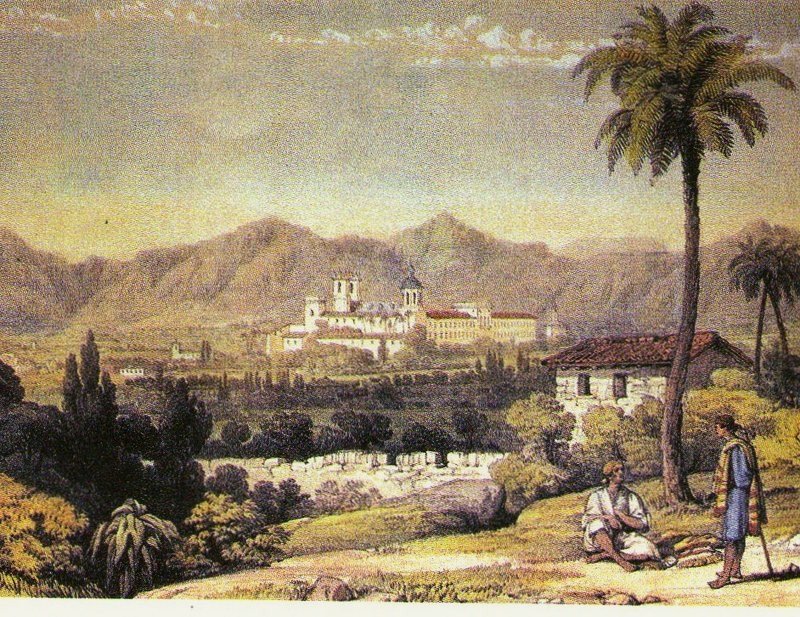
La Creu del Grau, also known as El Grau or El Grao, traces its beginnings to the late Middle Ages. The name, meaning "The Cross of the Port," references a historical stone cross that once marked the road from Valencia’s center to its maritime extension (Valencia History). The port’s strategic location quickly established it as a key Mediterranean trade hub by the 15th century, spurring the growth of a settlement to house dockworkers, sailors, and merchants.
By the 19th century, La Creu del Grau was incorporated into Valencia’s expanding city fabric. The area’s growth paralleled the modernization of the port and the arrival of the Estación del Grau railway, further integrating it into the city’s economic and social life (Valencia Extra).
Maritime Expansion and Urban Development
The industrial revolution and the enhancement of port facilities in the 19th and 20th centuries transformed La Creu del Grau. New docks, warehouses, and transportation links—like the railway—spurred population growth and urban development (Valencia Port Authority). Modest residential buildings and local markets emerged, reflecting the neighborhood’s working-class roots.
Urban renewal projects in recent decades have revitalized the area, combining historic preservation with modern amenities. The proximity to the Marina de Valencia and recent international events, such as the America’s Cup, have further boosted the neighborhood’s profile among locals and tourists alike.
Cultural and Social Life
La Creu del Grau’s unique character stems from its maritime heritage and multicultural influences. The neighborhood has long been a melting pot, shaped by the influx of sailors, traders, and immigrants. This is evident in its cuisine, traditions, and daily rhythms (Julia Eats).
- Mercado del Grao: The city’s oldest working market, recently revitalized, serves as a social and economic hub. It is renowned for fresh local produce, authentic tapas, and a lively atmosphere that reflects the enduring community spirit.
- Religious and Festive Life: The Parròquia Santa Maria del Mar and the symbolic Cruz del Grao are pillars of the neighborhood’s religious and cultural identity. Events such as the Fiestas de la Cruz and the Fallas festival bring residents together in celebration.
Key Landmarks and Attractions
Cruz del Grao (La Creu del Grau)
A defining monument, the Cruz del Grao is a reproduction of the 15th-century Gothic cross that once demarcated the city’s boundary (es.wikipedia.org). Located at Avenida del Puerto, 119, it’s an open-air site accessible at all times and a focal point during local festivals.
Mercado del Grao
Open Monday to Saturday, 7:00 AM to 3:00 PM, this market is free to enter and offers a glimpse into Valencia’s culinary traditions and vibrant community life (Julia Eats).
Parròquia Santa Maria del Mar
A striking example of Valencian religious architecture, this church welcomes visitors daily from 9:00 AM–1:00 PM and 5:00 PM–8:00 PM, free of charge.
Dársena Vella
The old port basin, Dársena Vella, is a testament to Valencia’s maritime legacy. Accessible for walks and photography, it’s an ideal spot to appreciate the city’s connection to the sea (es.wikipedia.org).
Estación del Grau
The historic railway station, built in 1852 in isabelino style, is now a protected site being transformed into a cultural center (Valencia Extra).
Events and Festivals
- Fallas Festival (March): Elaborate monuments crafted by local associations are displayed throughout the area, culminating in the traditional burning on March 19th. Most events are free and provide a vibrant, immersive experience (es.wikipedia.org).
- Fiestas de la Cruz (May): Marked by processions, concerts, communal meals, and fireworks, these festivities honor the Santísimo Cristo del Grao and maritime traditions.
- Other Events: The neighborhood hosts regular concerts, art exhibitions, and culinary festivals, particularly in spring and summer (allevents.in).
Visitor Information: Hours, Tickets, and Tips
- General Access: La Creu del Grau is an open neighborhood; most sites are accessible without entry fees.
- Mercado del Grao: Open Mon–Sat, 7:00 AM–3:00 PM, free entry.
- Parròquia Santa Maria del Mar: Open daily, 9:00 AM–1:00 PM, 5:00 PM–8:00 PM, free entry.
- Estación del Grau: Cultural space, generally open weekdays 10:00 AM–6:00 PM; check for special events.
- Guided Tours: Walking tours focusing on maritime history, architecture, and local culture are available from €15–€30 per person (Valencia Tourism).
- Festival Access: Most festival installations and processions are public and free; some concerts or special events may charge entry.
- Best Time to Visit: Spring and early summer offer the richest cultural experiences, especially during festival periods.
Architectural Heritage and Urban Features
La Creu del Grau’s urban landscape features a blend of mid-20th-century apartment buildings, historic industrial structures, and contemporary developments (Love Valencia). Key streets, such as Avenida del Puerto and Calle Islas Canarias, showcase the area’s evolution. Restoration projects, like the Mercado del Grao and Estación del Grau, reflect Valencia’s commitment to preserving local heritage while adapting to modern needs.
Accessibility and Getting There
- Public Transport: The neighborhood is well-served by Metrovalencia (Line 7—Alacant, Ayora, and Grau Canyamelar stations) and numerous bus routes (Metrovalencia).
- By Bike/Foot: Wide sidewalks and bike lanes make exploring easy.
- Taxi and Rideshare: Readily available; typical fare from the airport is €20–€30.
- Valencia Tourist Card: Recommended for unlimited travel on public transport (mypathintheworld.com).
Nearby Attractions and Day Trips
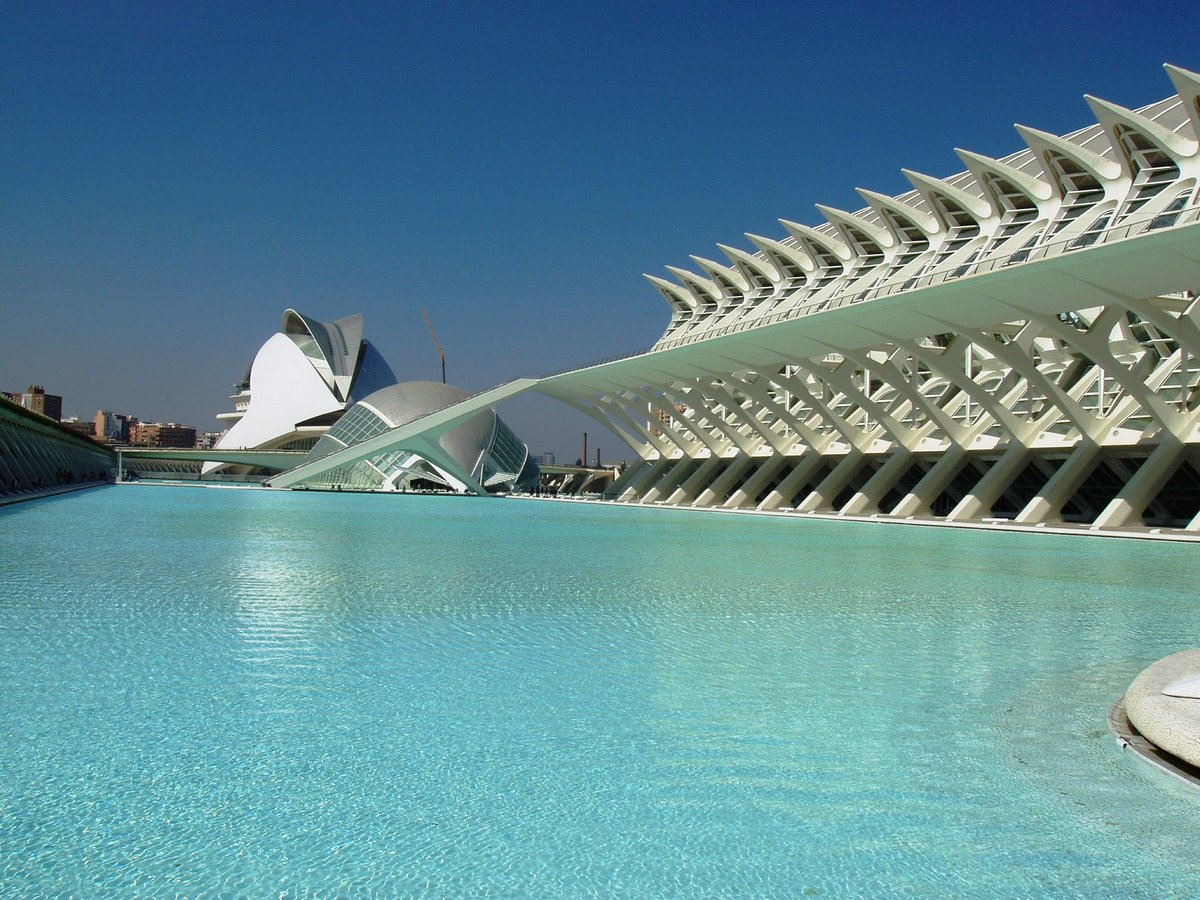
- City of Arts and Sciences: 1.8 km away, open daily 10:00 AM–8:00 PM; tickets required (thecrazytourist.com).
- Turia Gardens: Expansive park, open year-round and free to enter.
- Puerto de Valencia: Public waterfront with promenades, dining, and boat tours.
- Playa de las Arenas: 2.5 km from La Creu del Grau, accessible by public transport or bike.
- Albufera Natural Park: Accessible by bus line 25; ideal for birdwatching and nature walks.
- Port Saplaya & Historic Towns: Short excursions to picturesque villages and towns like Sagunto and Xàtiva.
Frequently Asked Questions (FAQ)
Q: What are the visiting hours for La Creu del Grau’s main attractions?
A: Outdoor sites like the Cruz del Grao and Dársena Vella are open 24/7. Mercado del Grao and Parròquia Santa Maria del Mar have specific opening hours (see above).
Q: Are there entrance fees or tickets required?
A: Most sites are free; some guided tours or special events may require tickets.
Q: How can I get to La Creu del Grau from central Valencia?
A: Metro Line 7 and several bus routes connect the neighborhood to the city center. Taxis and bike rentals are also options.
Q: Is the area family-friendly and accessible?
A: Yes, it is considered safe and suitable for families. Most streets are accessible, though some older buildings or narrow lanes may be challenging.
Q: When is the best time to visit?
A: Spring and early summer, especially during Fallas (March) and Fiestas de la Cruz (May), offer the most vibrant local experiences.
Listen to the full story in the app
Your Personal Curator, in Your Pocket.
Audio guides for 1,100+ cities across 96 countries. History, stories, and local insight — offline ready.
Audiala App
Available on iOS & Android
Join 50k+ Curators
Sources
- verified
- verified
- verified
- verified
- verified
- verified
- verified
- verified
- verified
- verified
Last reviewed: