Introduction
Valencia City Hall (Ajuntament de València or Casa Consistorial de Valencia) is a defining symbol of the city’s evolution, civic pride, and architectural grandeur. Prominently located in Plaza del Ayuntamiento, it not only serves as the seat of municipal government but also as a living witness to centuries of history, cultural celebrations, and public life. This guide provides detailed information on visiting hours, ticket options, accessibility, architectural highlights, and nearby attractions—ensuring your visit is both enriching and well-planned. For further insights and official updates, refer to Visit Valencia and Spain Inspired.
Historical Origins and Civic Evolution
Valencia City Hall’s origins trace back to the 18th century with the construction of the Casa de la Enseñanza, functioning as a school and reflecting Enlightenment ideals (spaininspired.com; wikipedia.org). As the city grew, the need for a centralized municipal seat became apparent, leading to the construction of a new annex between 1906 and 1930 under architects Carlos Carbonell and Francisco Mora (worldcitytrail.com). This expansion united the historic and modern elements into the iconic civic complex seen today.
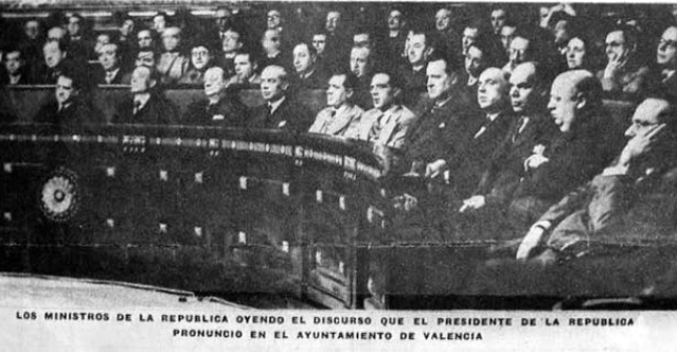
Throughout its history, City Hall has been at the center of Valencia’s political and social life. It has borne witness to periods of monarchy, republic, dictatorship, and democracy, maintaining its role as a focal point for governance and public celebration (worldcitytrail.com).
Architectural Highlights
Exterior
The City Hall’s façade is a harmonious blend of Neo-Renaissance and Neo-Baroque styles, featuring ornate stonework, balustrades, classical columns, and a striking central clock tower (architectureofcities.com). It anchors Plaza del Ayuntamiento, one of the city’s most significant civic spaces.
Interior
Inside, visitors are greeted by grand marble staircases, the impressive Hall of Mirrors (Salón de Cristal), and the council chamber adorned with period furnishings and artistic details. The Municipal History Museum, housed in the former chapel, displays portraits of medieval monarchs and artifacts tracing Valencia’s governance (wikipedia.org).
Visiting Hours, Tickets, and Accessibility
Visiting Hours
- Monday to Friday: 8:30 am – 2:00 pm
- Closed: Weekends and public holidays
- Note: Guided tours and access to specific areas require advance booking and may have separate schedules (valencia.es).
Tickets
- General Entry: Free access to the main lobby and select public areas.
- Guided Tours: Occasionally available for a nominal fee, granting access to exclusive spaces (e.g., council chamber, Hall of Mirrors, balcony). Reserve in advance via official website or at the tourist information office.
Accessibility
- Wheelchair-accessible entrances, ramps, elevators, and accessible restrooms.
- The surrounding square is pedestrian-friendly and suitable for visitors with reduced mobility (visitvalencia.com).
Visitor Services
- On-site Tourist Information Office: Personalized advice, city maps, VLC Tourist Card sales, attraction tickets, bicycle hire, and more (valencia-cityguide.com).
- Luggage storage nearby, such as Feel Free Luggage Storage and LOCK & enjoy! (visitvalencia.com).
Nearby Attractions and Photographic Spots
City Hall’s central location places you within walking distance of:
- Mercado Central: One of Europe’s largest food markets (culturetourist.com).
- La Lonja de la Seda: UNESCO-listed Gothic silk exchange.
- Valencia Cathedral and El Micalet: Renowned Gothic architecture.
- Estació del Nord: Modernist train station (abroadinvalencia.com).
- Plaza del Ayuntamiento itself is an excellent spot for photography, especially during festival illuminations and at sunset.
Special Events and Festivals
Valencia City Hall is the epicenter of major civic celebrations, most famously Las Fallas in March. The building’s balcony is the prime vantage point for the daily mascletà (pyrotechnic show) (valencia-cityguide.com; plaza-ayuntamiento.com). The plaza also hosts concerts, markets, and cultural activities year-round, and is closed to traffic on special occasions to create a pedestrian-friendly environment (veryvalencia.com).
Frequently Asked Questions (FAQ)
Q: Are tickets required to visit Valencia City Hall?
A: Entry to the main lobby is free, but guided tours may require tickets. Check the official website for details.
Q: What are the visiting hours?
A: Monday to Friday, 8:30 am – 2:00 pm. Closed on weekends and public holidays.
Q: Is the building accessible?
A: Yes, with ramps, elevators, and accessible restrooms.
Q: Can I visit during festivals like Las Fallas?
A: Yes, but expect large crowds.
Q: Is photography allowed?
A: Photography is generally permitted; flash and tripods may be restricted indoors.
Visitor Tips and Contact Information
- Arrive early to avoid queues, especially during festivals.
- Book tours in advance to access exclusive areas.
- Use the VLC Tourist Card for discounts and free public transport (alongdustyroads.com).
- Dress respectfully for official buildings.
- Stay vigilant against pickpockets in busy areas.
Contact:
- Address: Plaza del Ayuntamiento, 1, 46002 Valencia, Spain
- Phone: +34 96 352 49 08
- Email: [email protected]
- Valencia City Hall Official Website
Listen to the full story in the app
Your Personal Curator, in Your Pocket.
Audio guides for 1,100+ cities across 96 countries. History, stories, and local insight — offline ready.
Audiala App
Available on iOS & Android
Join 50k+ Curators
Sources
- verified
- verified
- verified
- verified
- verified
- verified
- verified
- verified
Last reviewed: