Introduction
The Cementeri General De València stands as a profound testament to Valencia’s historical evolution, artistic legacy, and civic memory. Established in 1807 in response to Enlightenment-driven public health reforms, it shifted the city’s burial customs from churchyards to a thoughtfully planned, municipal site (Ajuntament de València). Today, the cemetery is much more than a resting place—it is a vibrant open-air museum of funerary art, neoclassical and modernist architecture, and a space of social remembrance. For visitors, Cementeri General De València offers a unique window into Valencia’s artistic heritage, cultural transformations, and the stories of its notable citizens.
This comprehensive guide covers everything you need to know about visiting the cemetery—from practical information on hours and tickets to an exploration of its historical significance, architectural highlights, and visitor tips.
Origins and Historical Evolution
The Cementeri General De València was officially inaugurated in 1807 after the Spanish Royal Decree of 1787 required cemeteries to be relocated outside city walls to improve public hygiene (Ajuntament de València). The site was chosen for its location on the city’s outskirts, reflecting Enlightenment ideals not only in hygiene but also in urban planning and social order.
Initially, the cemetery featured a rectangular, walled layout with a single central entrance on Calle Santo Domingo de Guzmán. A central promenade led directly to a chapel, dividing the grounds into symmetrical quadrants. Over the 19th and 20th centuries, the cemetery expanded significantly to accommodate Valencia’s growing population and evolving burial practices (ca.wikipedia.org).
Architectural and Artistic Heritage
Neoclassical Foundations
The cemetery’s original design, by architects Cristòfor Sales and Manuel Blasco, is a remarkable example of neoclassical architecture. The main entrance, with its Doric columns and imposing pediment, still stands as a symbol of solemnity and respect.
Expansion and Artistic Flourish
As the city grew, so did the cemetery. Prominent Valencian families commissioned elaborate mausoleums and pantheons, blending neoclassical, Gothic, Neo-Egyptian, and modernist styles. Renowned architects—including Manuel Cortina, J.M. Cortina, A. Martorell, and others—left their mark on the grounds (ca.wikipedia.org).
Funerary Sculptures and Symbolism
The cemetery is an open-air gallery of funerary art. Master sculptors such as Mariano Benlliure, José Capuz, and José Pellicer created emotive statues and reliefs, ranging from angels and allegorical figures to personalized portraits in marble and bronze. Common symbols—angels, laurel wreaths, weeping figures, and broken columns—reflect religious beliefs and cultural attitudes toward mortality and remembrance.
Notable Monuments and Memorials
- Mausoleum of Vicente Blasco Ibáñez: Celebrated Valencian writer and politician, sculpted by Mariano Benlliure (valencia.es).
- Pantheon of the Marqués de Campo: An eclectic blend of classical and modernist styles.
- Collective Memorials: Dedicated to victims of epidemics, wars (notably the Spanish Civil War), and political repression, including recently discovered mass graves (El País).
- Civil and Minority Sections: The cemetery features dedicated areas for non-Catholic and Muslim burials, reflecting Valencia’s multicultural heritage (cementerio.info).
Burial Practices and Social Change
Originally governed by ecclesiastical authority, the cemetery’s management shifted toward civic oversight in the late 19th century. Following the 1869 Spanish Constitution, a civil section was created, allowing for non-Catholic burials and reflecting broader societal liberalization. In the 20th century, the addition of columbaria and cremation facilities marked further modernization in response to changing cultural and religious norms (ca.wikipedia.org; Ajuntament de València).
Practical Visitor Information
Visiting Hours
- Monday to Saturday: 9:00 AM to 6:00 PM
- Sundays and Public Holidays: 9:00 AM to 2:00 PM
- Special Dates: Extended hours during All Saints’ Day (November 1st) and other major commemorative events (valencia.es).
Tickets and Admission
- General Entry: Free for all visitors.
- Guided Tours: Some require advance booking and a fee. Information and reservations are available via the Museo del Silencio website and official city tourism portal.
Accessibility
- The cemetery is largely accessible, with paved paths, ramps, and vehicle access for those with mobility needs.
- Restrooms and benches are available for visitor comfort.
- Staff are noted for their helpfulness and can assist with special requirements (helpmecovid.com).
Guided Tours
The "Museo del Silencio" initiative offers both guided and self-guided routes, focusing on artistic, architectural, and historical highlights. The official smartphone app provides maps, audio guides, and interactive content in several languages (museodelsilencio.com).
Visitor Tips
- Dress modestly and maintain a respectful demeanor.
- Photography is permitted, but discretion is advised—especially during funerals and near recent graves.
- Pets are not allowed, except for service animals.
- No food or drink facilities on site; bring water, especially in summer.
- Maps and information are available at the main entrance.
Nearby Attractions
- Jardines del Turia: Expansive urban park for walking and relaxation.
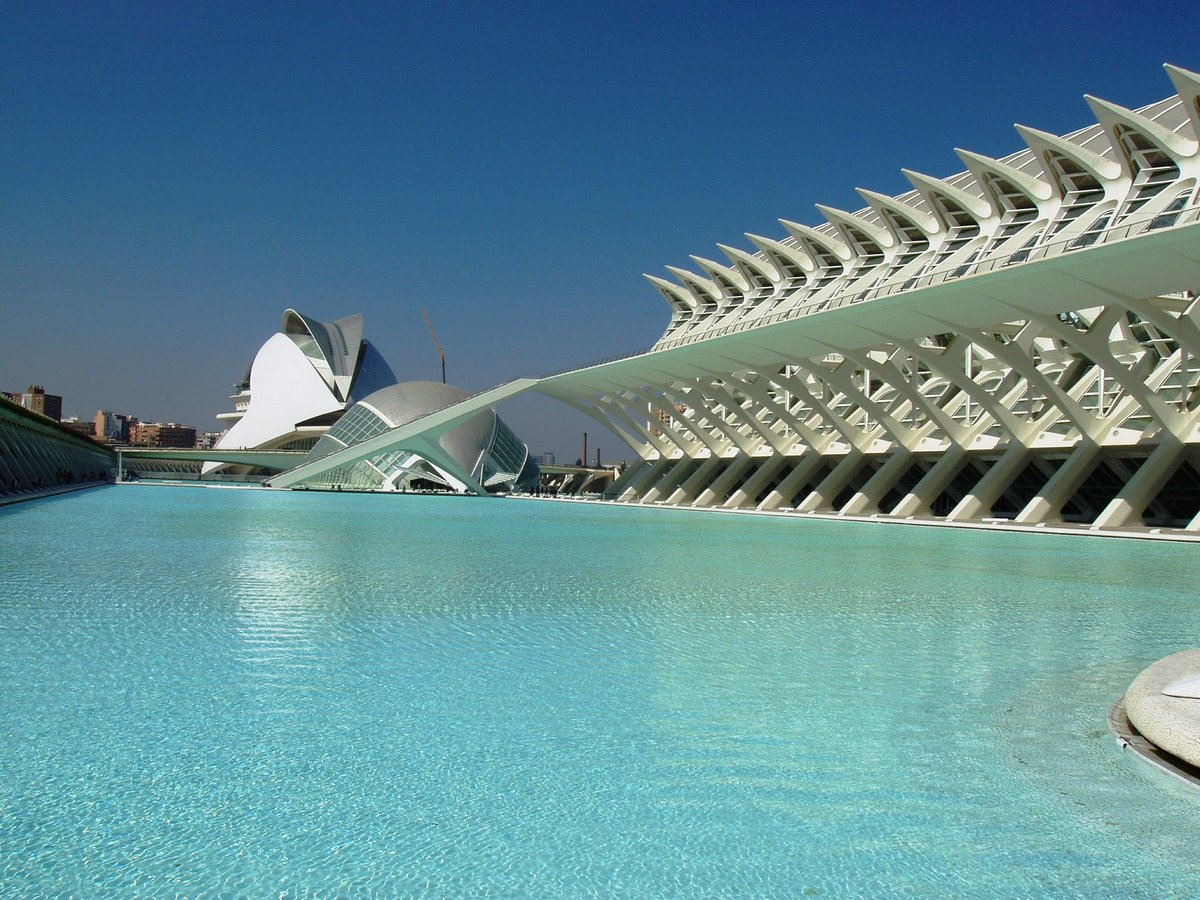
- City of Arts and Sciences: Iconic modern complex with museums and aquarium.
- Valencia Cathedral: Historical and architectural gem in the city center.
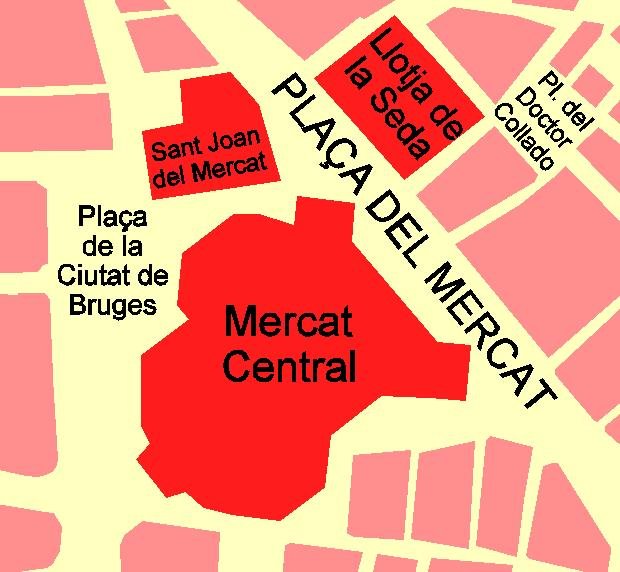
- Central Market: Vibrant marketplace for local culture and cuisine.
Frequently Asked Questions (FAQ)
Q: What are the Cementeri General De València visiting hours?
A: Monday to Saturday, 9:00–18:00; Sundays and public holidays, 9:00–14:00. Special hours apply on major commemorative dates.
Q: Is there an entry fee?
A: General admission is free. Guided tours may require a ticket.
Q: Are guided tours available?
A: Yes, through the Museo del Silencio and the city tourism office.
Q: Is the cemetery accessible for visitors with disabilities?
A: Most areas are wheelchair accessible; some older sections may have uneven terrain.
Q: Can I take photographs?
A: Yes, but be respectful and avoid photographing funerals or mourners.
Q: Are pets allowed?
A: Only service animals are permitted.
Summary & Visitor Recommendations
Cementeri General De València is a multifaceted destination, blending history, art, and cultural memory. Its neoclassical architecture, modernist mausoleums, and evocative funerary art provide a unique perspective on Valencia’s past and present. Free entry, accessible facilities, and informative guided tours ensure a rewarding visit for all. Plan ahead by checking current visiting hours and tour availability, and consider combining your visit with other nearby attractions for a comprehensive experience of Valencia’s heritage.
For a deeper, more personalized exploration, download the Museo del Silencio app, which offers curated audio guides and thematic routes. Above all, approach your visit with the respect and curiosity befitting a site of remembrance and cultural significance.
Listen to the full story in the app
Your Personal Curator, in Your Pocket.
Audio guides for 1,100+ cities across 96 countries. History, stories, and local insight — offline ready.
Audiala App
Available on iOS & Android
Join 50k+ Curators
Sources
- verified
- verified
- verified
- verified
Last reviewed: