Destinations Spain Valencia

Valencia.

39° N · 0° W Spain

The smell hits you first: saffron, woodsmoke and the faint brine of the sea. Then come the voices, rapid-fire Valencian bouncing off 500-year-old stone as traders still haggle where merchants once swapped silk for silver. Valencia doesn't announce itself with fanfare. It simply keeps living inside its own contradictions, and that quiet confidence is far more seductive than any postcard panorama.

Listen to audio guide — 47 min Open the map
Valencia, Spain
Valencia · Spain
12
attractions
3-5 days
days suggested
Spring (April-June)
best season
EN · EN
narration

03 Top tickets in Valencia.

Book ahead

Curated from places in this city. Same price as official sites.

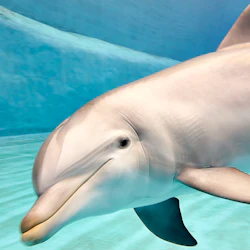
Oceanogràfic de Valencia: Entry Ticket
Ciudad De Las Artes Y Las Ciencias
Oceanogràfic de Valencia: Entry Ticket
4.7 from €39.45
Paella Cooking Class, Wine Tasting & Central Market in Valencia
Mercat Central
Paella Cooking Class, Wine Tasting & Central Market in Valencia
5.0 from €70
Bioparc Valencia: Fast Track Ticket
Valencia Bioparc
Bioparc Valencia: Fast Track Ticket
4.7 from €31.50
Valencia Bike Tour from the City to the Beach, plus Bike Guy App!
Pla Del Real
Valencia Bike Tour from the City to the Beach, plus Bike Guy App!
5.0 from €35
Oceanogràfic & Science Museum: Entry Ticket
Ciudad De Las Artes Y Las Ciencias
Oceanogràfic & Science Museum: Entry Ticket
4.7 from €41.60
Valencia Highlights Bike Tour
Pla Del Real
Valencia Highlights Bike Tour
4.7 from €29

Prices shown are indicative — final pricing and availability are confirmed at checkout. Audiala may receive a commission from bookings made via these links.

01 An introduction

synthesized from 240+ sources ·

VThe smell hits you first: saffron, woodsmoke and the faint brine of the sea. Then come the voices, rapid-fire Valencian bouncing off 500-year-old stone as traders still haggle where merchants once swapped silk for silver. Valencia doesn't announce itself with fanfare. It simply keeps living inside its own contradictions, and that quiet confidence is far more seductive than any postcard panorama.

At its heart stands La Lonja de la Seda, a UNESCO-listed Gothic masterpiece whose helical columns twist 16 metres toward a ceiling that once echoed with the voices of 15th-century merchants. The Latin inscription carved into the marble floor still warns against usury in letters large enough to read from the doorway. Five centuries later the building remains so perfectly preserved that you half expect a silk broker to tap you on the shoulder and ask what you're bidding.

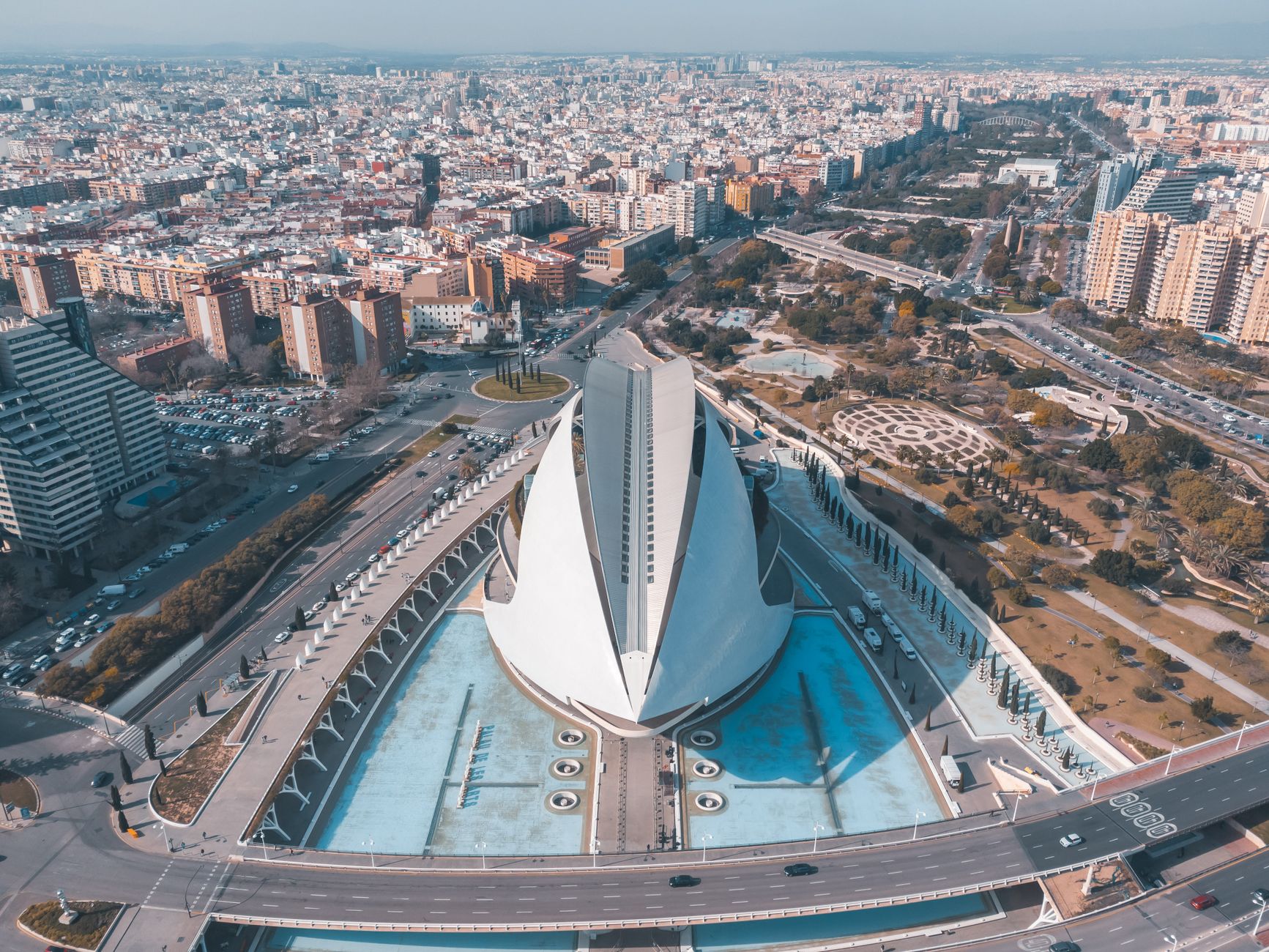
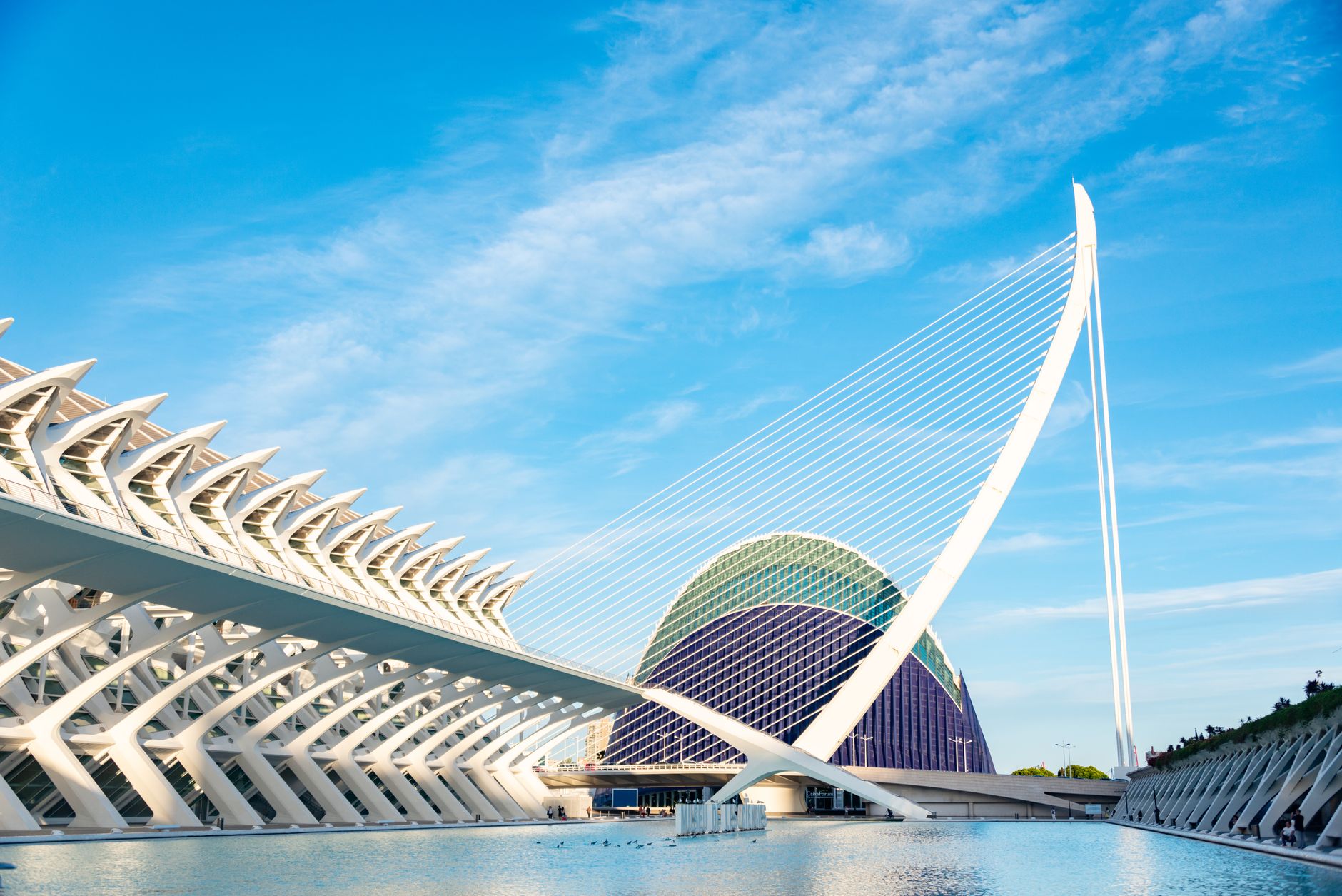
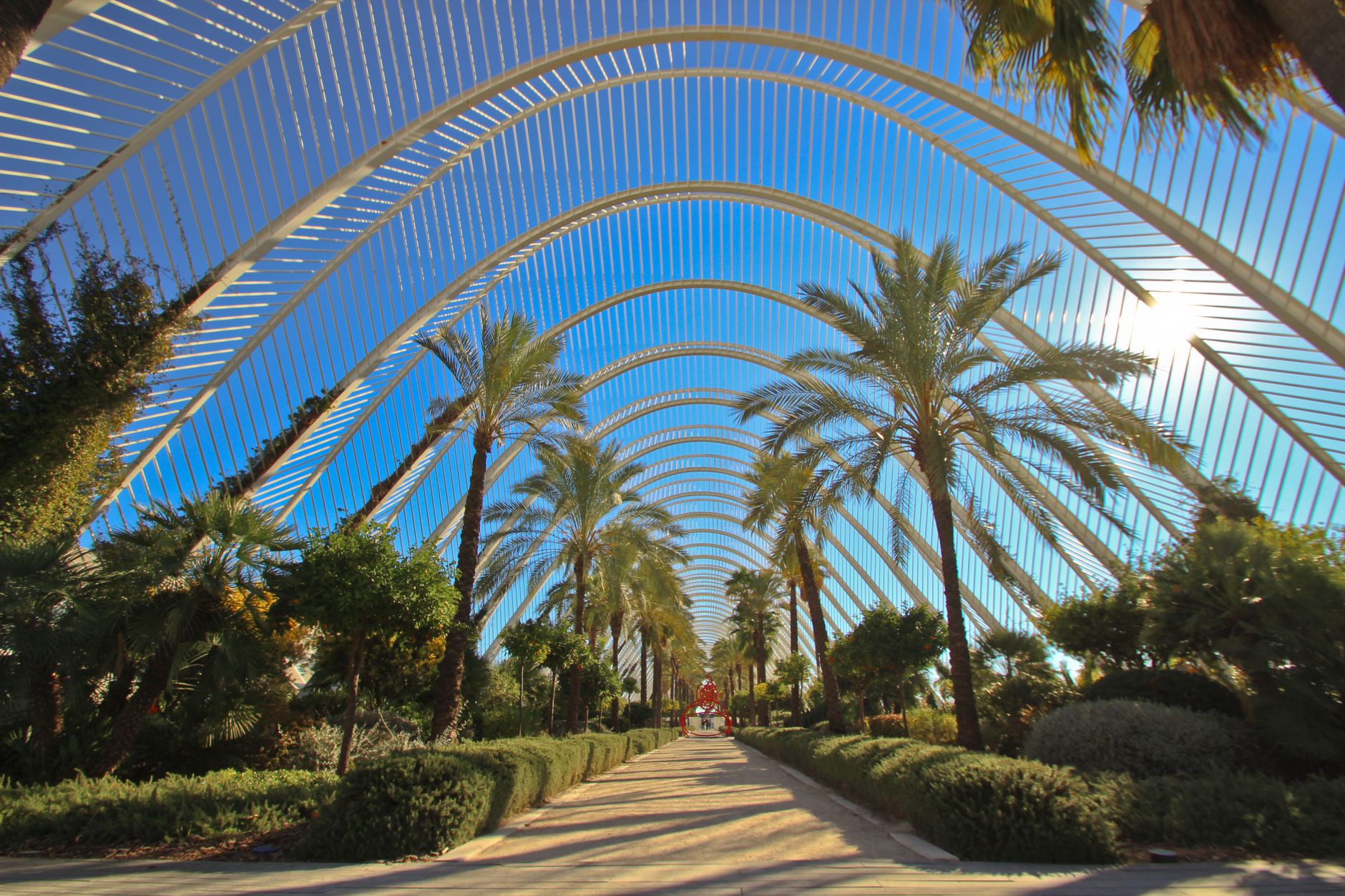
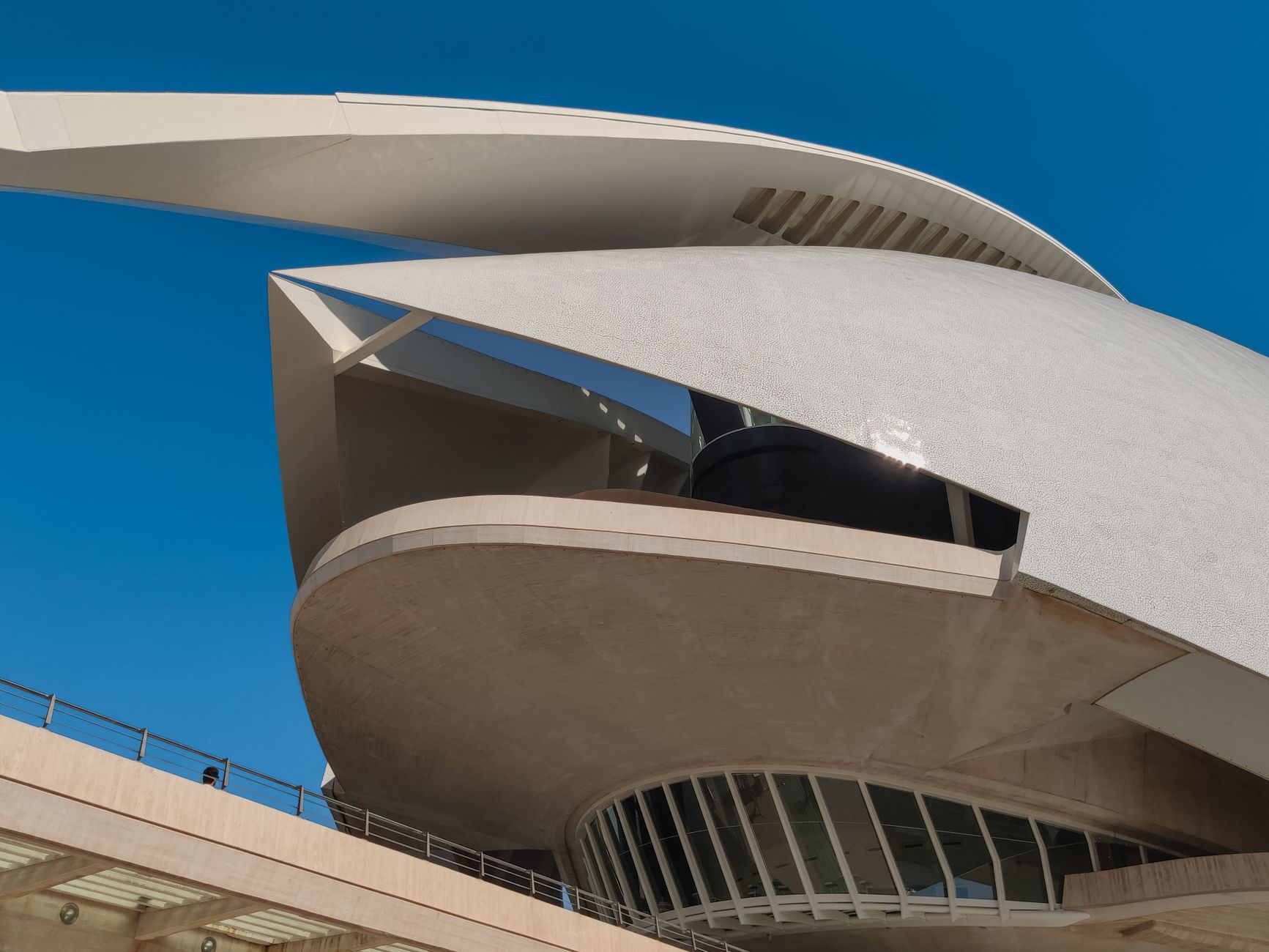
Yet the same city commissioned Santiago Calatrava to drop a futuristic City of Arts and Sciences into a former riverbed, its white bones and blue water creating one of Europe's most photographed architectural conversations. Between these two poles lies everything that makes Valencia addictive: 9 kilometres of gardens where the Turia River used to rage, morning markets that still set the rhythm of daily life, and the stubborn local conviction that rice dishes should be judged by flavour rather than Instagram likes.

Photography Hotspot Budget Friendly

02 Why Valencia.

What makes this place worth slowing down for.

La Lonja de la Seda

This 1482–1533 Gothic masterpiece feels like a frozen moment in time. Helical columns twist 16 metres toward a vaulted ceiling where merchants once struck deals, the Latin inscription still warning against usury. Stand in the Sala de Contratación on a quiet morning and the silence carries five centuries of whispered contracts.

Calatrava's Future

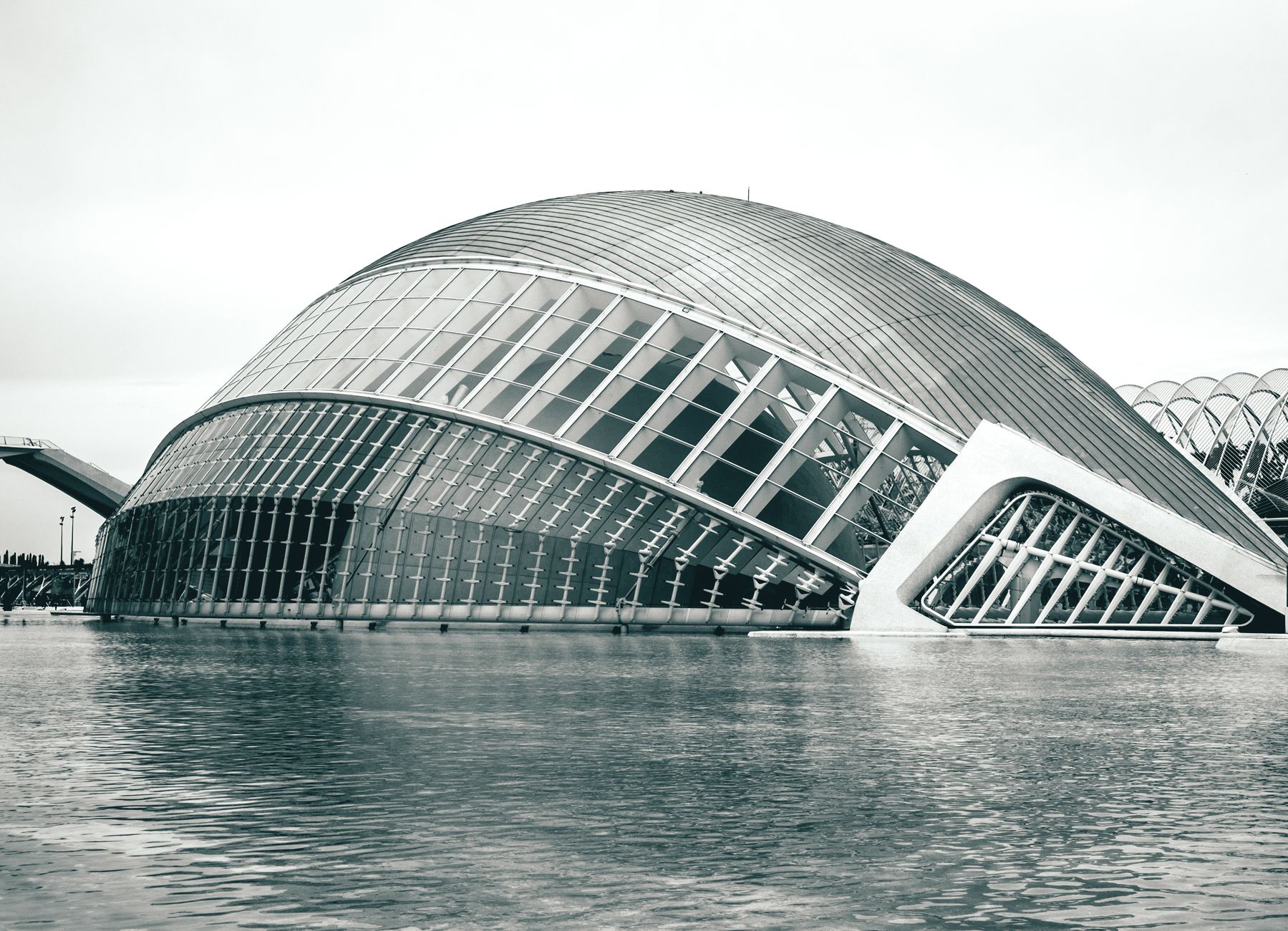
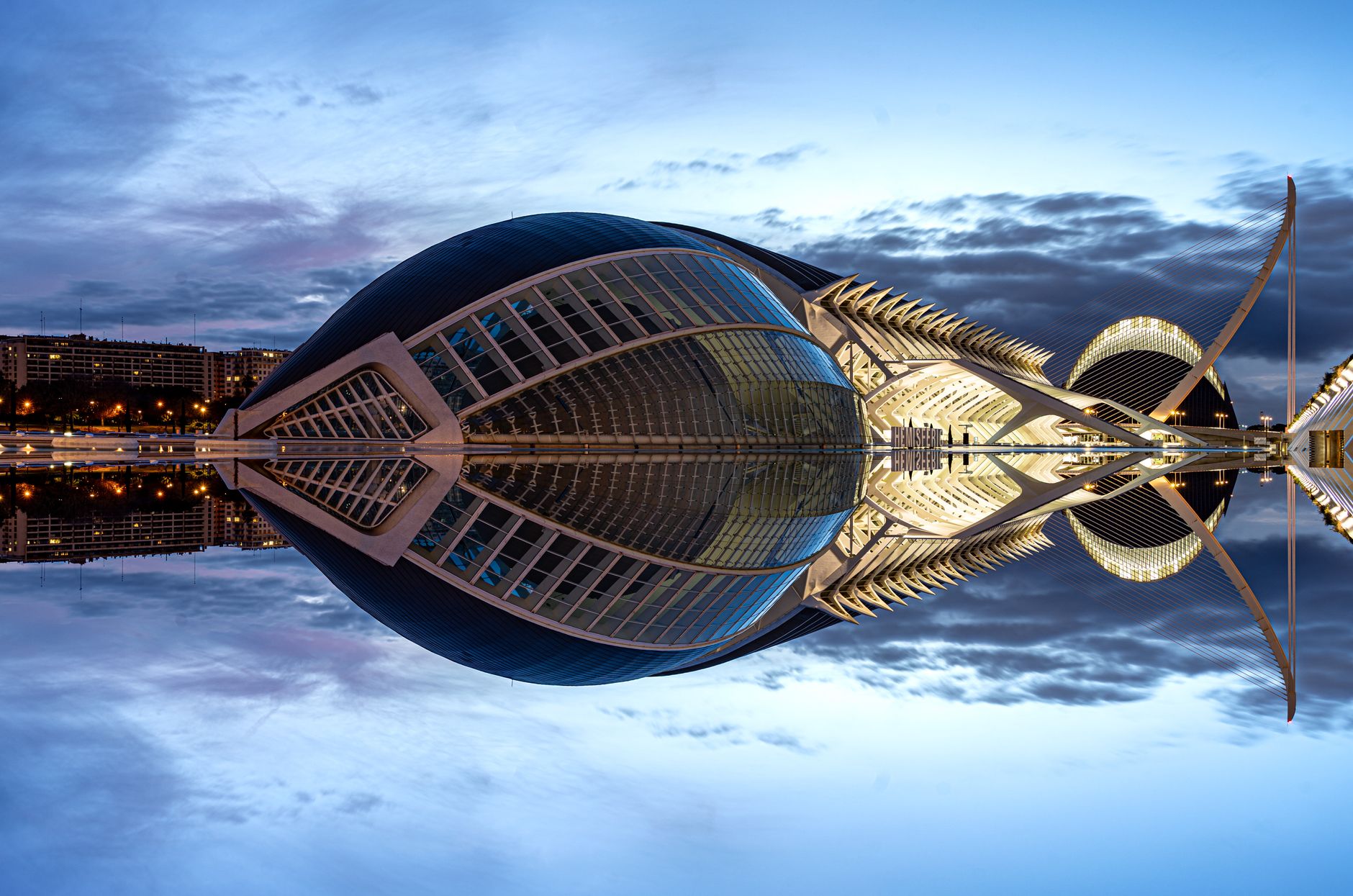
The City of Arts and Sciences looks like it landed from another planet. Santiago Calatrava's white concrete curves and the giant eyelid of the Hemisféric dominate the southern skyline. Walk L'Umbracle at dusk when the blue hour turns the whole complex into living sculpture.

Europe's Greatest Market

Mercado Central's 1928 Modernista hall houses 1,000 stalls under a soaring iron-and-glass dome. The smell of jamón, fresh saffron and oranges hits you before you even cross the threshold. Come before 10am when the butchers are still shouting prices.

The Turia Riverbed

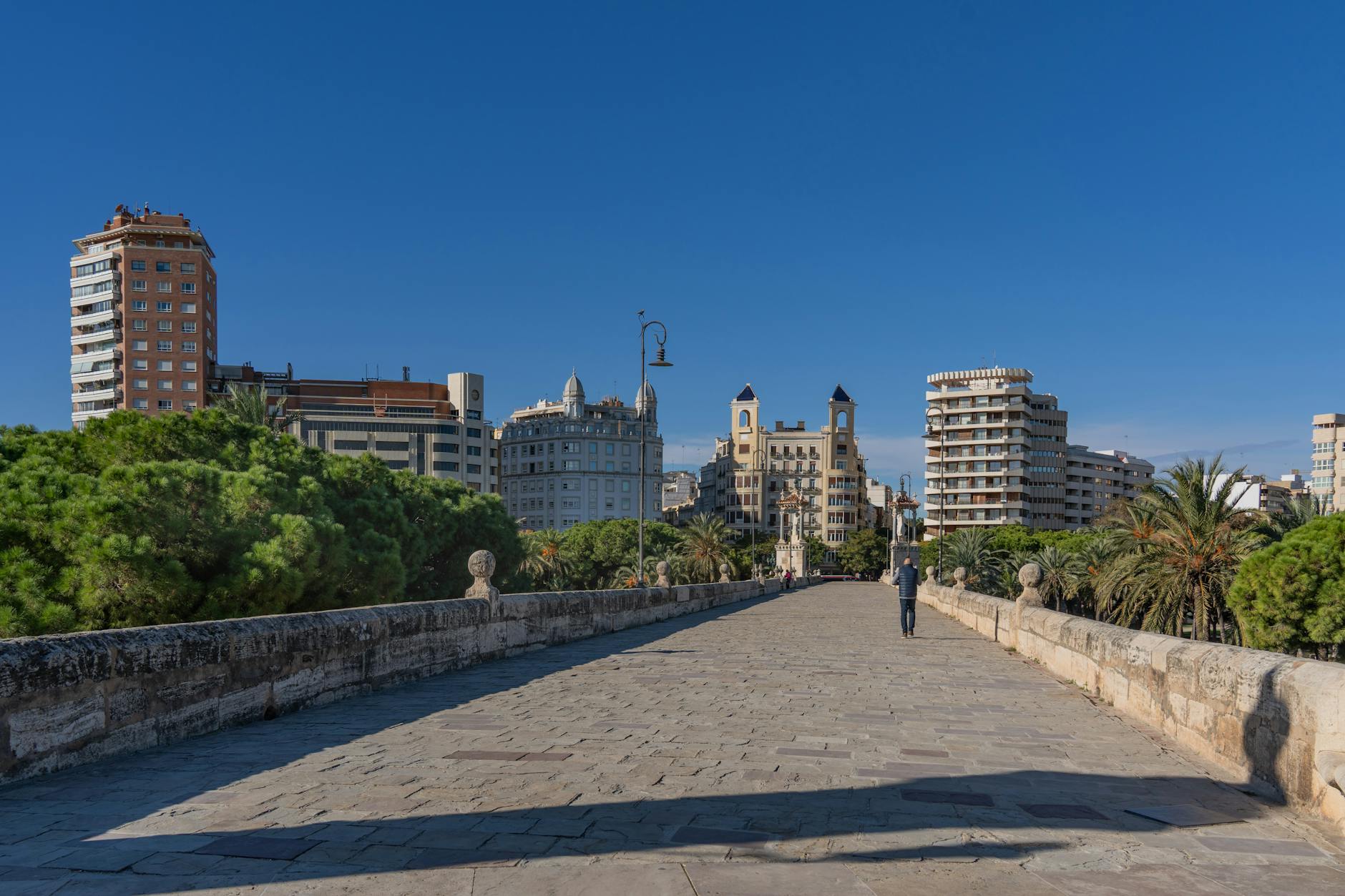
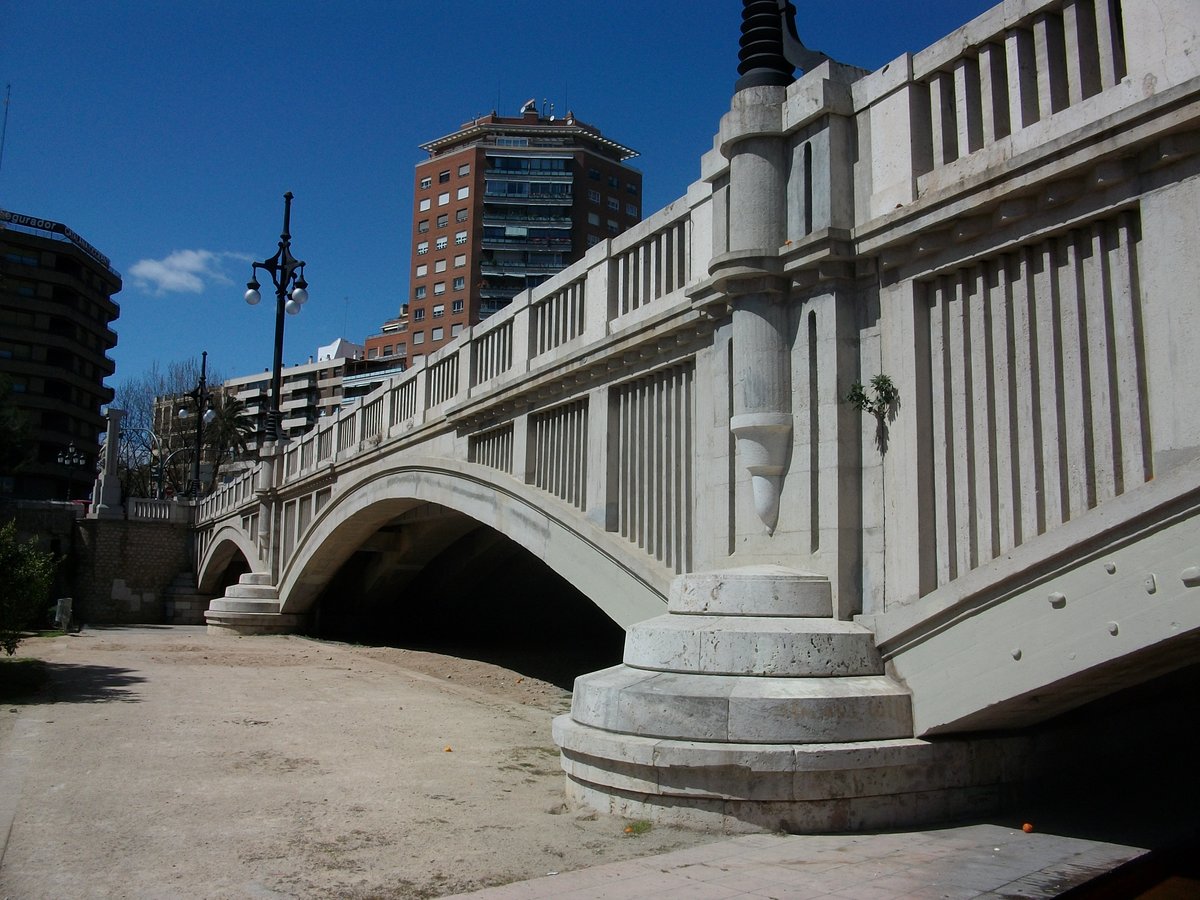
After the 1957 floods, engineers moved the river. What remained is a 9km garden slicing through the city. Rent a bike and ride under 18 bridges, past the giant Gulliver sculpture that children treat like a jungle gym.


03 Places to Visit.

Not every monument, just the ones we'd walk you past ourselves.

Valencia Bioparc
Editor's pick
01 · Place

Valencia Bioparc

Bioparc València, situated in the vibrant city of Valencia, Spain, stands out as a pioneering zoological park that goes beyond the traditional zoo experience.

02 Place

Valencia Cathedral

Welcome to the comprehensive guide to visiting Cerveceria 100 Montaditos in Valencia, Spain.

03 Place

Caminos Al Grao

Nestled strategically between Valencia’s historic center and its vibrant maritime port, Camins al Grau (also known as Caminos al Grao) is a dynamic district…

04 Place

Valencian Museum of Ethnology

Nestled in the historic heart of Valencia, Spain, the Valencian Museum of Ethnology (Museu Valencià d’Etnologia, also known as L’ETNO) stands as a vibrant…

05 Place

Malvarrosa Beach, Valencia

Malvarrosa Beach, also known as Platja de la Malva-rosa, is a gem on the Mediterranean coast, offering the perfect blend of history, culture, and leisure.

06 Place

El Micalet

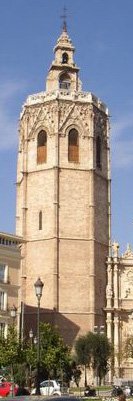
The Torre del Micalet, also known as El Miguelete, is a historic bell tower that stands as a defining symbol of Valencia, Spain.

Turia Garden
07 Place

Turia Garden

Nestled in the heart of Valencia, Spain, Turia Garden (Jardín del Turia) stands as a remarkable urban oasis and a testament to the city’s resilience and…

All 133 places in Valencia

04 Neighborhoods.

Where to wander, by quarter — each with its own rhythm.

01

Barrio del Carmen

Valencia's oldest quarter still follows its Roman street grid. By day the narrow lanes smell of fresh bread and laundry drying between buildings. By night they fill with the clink of glasses outside bars on Plaza del Negrito. The IVAM contemporary art museum sits at its edge while fragments of the old Roman walls appear without warning in places like Plaça dels Furs. This is where the city began and where it still feels most alive after dark.

02

Ruzafa

Once a working-class district, Ruzafa now mixes restored interior patios, independent galleries and the unpretentious Mercat de Russafa. Look up on the right street and you'll see the spectacular brickwork of Finca Roja, a 1929 apartment block that most tourists walk straight past. The neighbourhood rewards slow wandering: concealed murals on unglamorous side streets, concept stores selling work by local designers, and cafés where the clientele remains stubbornly local despite the rising rents.

03

El Cabanyal

The old fishermen's quarter near the beach still shows its Modernista tiled facades in varying states of repair. Gentrification has arrived but hasn't quite won yet. You'll find the Mercabañal market, low-rise houses with brightly patterned tiles, and a genuine neighbourhood energy that feels increasingly rare in Mediterranean cities. The sea is never far away, and neither is the smell of wood-fired paella.

04

Ciutat Vella

The medieval core clusters around the Cathedral with its mismatched Romanesque, Gothic and Baroque layers and the 207 steps of El Miguelete tower. Here you'll find La Lonja, the Central Market with its soaring Art Nouveau dome, and the Torres de Serranos, whose upper levels offer some of the best free views in the city on Sundays. This is where history is densest and where the evening paseo still follows centuries-old routes.

Historical Timeline

Valencia: Conquered, Burned, and Reborn

From Roman veterans' colony to a city that still argues in water courts

Roman Period
138 BCE

Romans Found Valentia

Decimus Junius Brutus Callaicus planted a colony of 2,000 veteran soldiers on an island in the Turia River. The streets followed the classic grid: cardo along today's Salvador-Almoina, decumanus along Caballeros. Veterans received land near the Via Augusta in exchange for keeping the Iberians quiet. The forum sat where Plaza de la Virgen lies now. You can still feel the rigid logic of that grid under the crooked medieval lanes.

75 BCE

Pompey razes the city

Valentia had backed the wrong general in the Sertorian War. Pompey’s troops burned it to the ground. The city lay half-abandoned for fifty years. Only the temple-sanatorium to Asclepius survived. When the Romans returned they found the stones already blackened. That scar still lingers in the archaeological crypt beneath Almoina.

304

Saint Vincent is Martyred

Roman officials tortured Vincent of Saragossa on the site of today’s Cathedral. His death became Valencia’s first great Christian story. Later Visigoths built a church over his tomb. The smell of incense still rises from the same ground on certain mornings. Some locals still swear the stones remember.

Muslim Period
714

Muslims Take Balansiyya

Arab and Berber forces accepted a bloodless surrender. The old inhabitants stayed. The city tripled in size within a century, reaching 47 hectares and 15,000 souls. Engineers built the acequia irrigation channels that still feed the huerta today. Every Thursday at noon the Water Tribunal still meets under the Apostles’ Door using rules older than most European countries.

1094

El Cid seizes Valencia

Rodrigo Díaz de Vivar rode through the gates at the head of a mixed Christian-Muslim army. For five years he ruled the city he called his. When he died in 1099 his wife Jimena kept the secret for two years, propping his corpse in the saddle to frighten attackers. The Almoravids took the city back in 1102. The bat on Valencia’s coat of arms supposedly flew around El Cid the day he entered. Locals still argue whether that’s romantic or ridiculous.

Kingdom of Valencia
1238

Jaume I conquers the city

James I of Aragon entered Valencia on 9 October after a long siege. Fifty thousand Moorish inhabitants surrendered. The king distributed 1,615 houses to Catalan settlers according to the Llibre del Repartiment. A bat flew around his head during the triumphal entry; the creature has guarded the city crest ever since. The date remains Valencia’s national day. The conquest ended five centuries of Muslim rule in a single afternoon.

1262

Cathedral Construction Begins

Workmen laid the first stone of the new cathedral on the site of the demolished main mosque. The building would take centuries and borrow styles from Romanesque to Baroque. Its tower, El Miguelete, still dictates the rhythm of city life. Stand beneath it at noon on any Thursday and you’ll hear the Water Tribunal arguing in Valencian exactly as they have for a thousand years.

1356

New City Walls Rise

After repeated sieges Valencia began encircling itself in stone. The Torres de Serranos, completed in 1392, became the grand northern gateway. Their height and carved detail announced that the city had money and pride. Most of the wall is gone now, but these two gates remain like bookends on a half-erased history.

1469

La Lonja de la Seda is Built

Merchants needed a worthy hall for the silk trade. The result is late Gothic perfection: a forest of spiraling columns that look like they grew rather than being carved. UNESCO calls it one of the finest secular Gothic buildings in Europe. On quiet afternoons the light falls through the high windows and the stone still smells of medieval contracts and ambition.

1498

University of Valencia Founded

The university opened in the former Jewish quarter. Within decades it produced scholars who challenged received wisdom across Europe. The building still stands, heavy with carved stone and expectation. Thousands of students still hurry past the same doorway their medieval predecessors used.

1609

Expulsion of the Moriscos

Philip III ordered every last converted Muslim out of Spain. Valencia lost roughly a third of its population and most of its skilled farmers. The huerta never fully recovered its former intensity. The decision was economically suicidal. Historians still call it one of the greatest self-inflicted wounds in Spanish history.

Bourbon Era
1707

Bourbons Abolish the Furs

After backing the losing side at the Battle of Almansa, Valencia watched Philip V strip away its centuries-old privileges. The local charters, the Furs, vanished overnight. The city that had once produced two popes was reduced to just another Castilian province. The wound to local identity still festers in certain bars after midnight.

1812

French Occupy Valencia

Napoleon’s troops finally broke the city after a brutal siege. Joseph Bonaparte briefly moved the Spanish court here. The French destroyed the Palace of the Queen; its ruins still lie in Viveros Park. When the occupiers left in 1813 they took everything of value they could carry. Valencia has never quite trusted outsiders since.

Modern Era
1867

Blasco Ibáñez is Born

Vicente Blasco Ibáñez arrived screaming into a crowded Valencia tenement. He would later write savage novels about the city’s poor, run for parliament, and cause riots with his pen. His house on Calle de la Bruja is now a museum. Locals still argue whether he was hero, opportunist, or both.

1957

The Great Turia Flood

The river burst its banks after weeks of rain. Water reached the first floors of buildings in the old city. More than 80 people died. The disaster finally convinced authorities to divert the Turia. The dry riverbed became one of Europe’s most inspired urban parks. Today joggers and couples wander where the flood once roared.

1998

City of Arts and Sciences Opens

Santiago Calatrava’s futuristic complex rose on the old riverbed. The Hemisfèric, Science Museum, and Oceanogràfic announced Valencia’s arrival in the modern world. Some call it visionary, others an expensive white elephant. Either way it changed the city’s skyline and self-image forever. The buildings still gleam like spaceships that landed in the wrong century.

2024

DANA Floods Strike Again

In late October a cut-off low-pressure system dropped months of rain in hours. More than 100 people died across the region. Valencia’s streets turned into rivers once more. The disaster exposed how little had been learned since 1957. Yet the city’s response showed the same stubborn resilience it has displayed for two thousand years.

Present Day

06 Who lived here.

The people who shaped the city — and were shaped by it.

Painter 1863–1923

Joaquín Sorolla

Born in Valencia

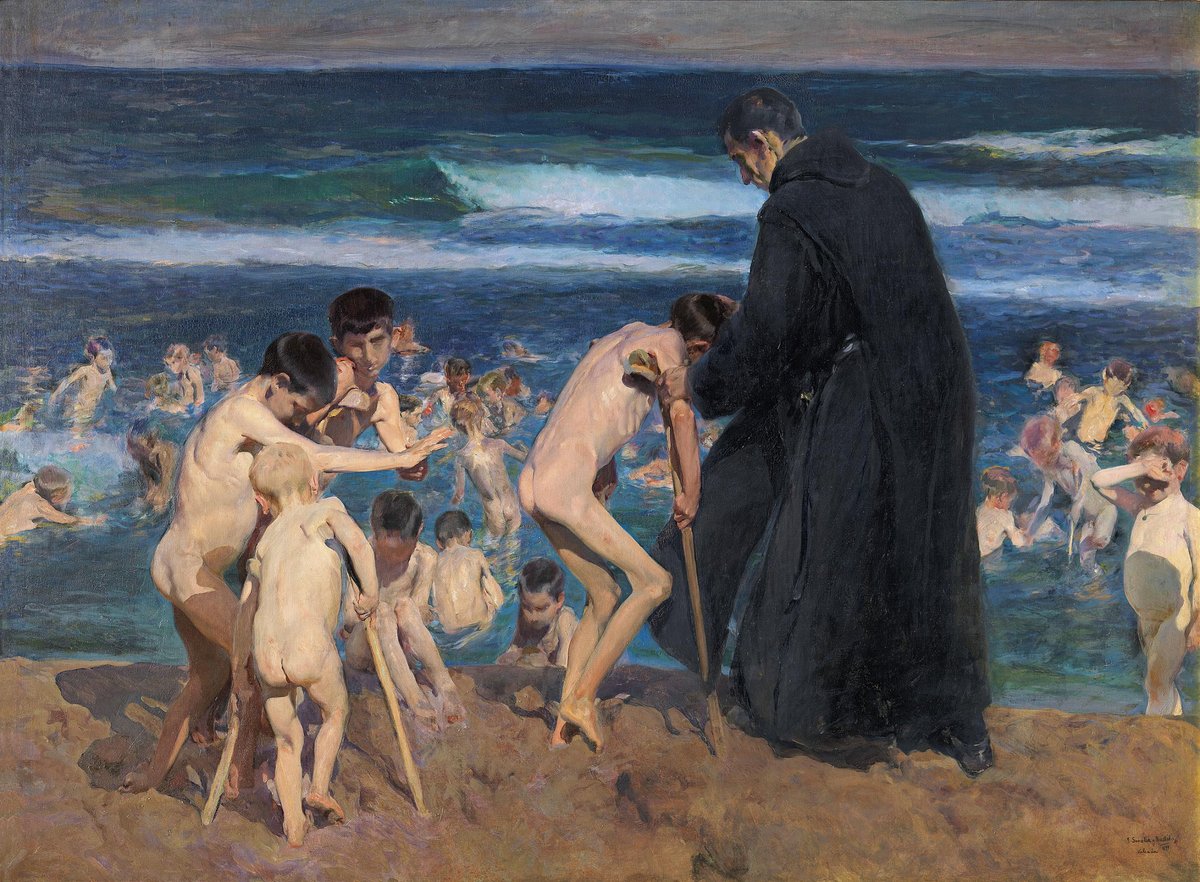
Born in a house steps from the beach, Sorolla spent his childhood watching Mediterranean light fracture on fishing boats. He later painted that same merciless glare so accurately that standing in front of his canvases in Madrid still feels like noon in Malvarrosa. Valencia today would both thrill and irritate him: the light remains perfect, yet the fishing fleet he loved has mostly become tourist restaurants.

Architect born 1951

Santiago Calatrava

Born in Valencia

Calatrava grew up walking the dry Turia riverbed before it became gardens. He then built a white, bone-like city in that same riverbed that looks like it landed from another planet. Locals still argue about whether his City of Arts and Sciences is genius or ego. He has never really answered them.

Writer and politician 1867–1928

Vicente Blasco Ibáñez

Born in Valencia

Blasco turned the narrow streets of El Carmen into some of Spain’s most savage realist novels. He attacked the Church so fiercely that priests once burned his books in Plaza de la Reina. Today those same streets are full of craft-beer bars. He would probably start another revolution.
Pope 1431–1503

Pope Alexander VI

Born in Valencia

Rodrigo de Borja left Valencia as a clever young cleric and returned only in stories as the scandalous Pope Alexander VI. The city still claims him while pretending not to notice the mistresses and murders. His family palace still stands near the cathedral, now a museum that sells Borgia wine.

08 Where to Eat.

Where locals actually book dinner — not the tourist menus.
Bar Los Picapiedra Bar Los Picapiedra
Local favorite

Bar Los Picapiedra

4.9 View
TABERNA ALKÁZAR TABERNA ALKÁZAR
Local favorite €€

TABERNA ALKÁZAR

4.7 View
Casa Montaña Casa Montaña
Local favorite €€

Casa Montaña

4.7 View
Suc de Lluna BioCafé Suc de Lluna BioCafé
Cafe €€€

Suc de Lluna BioCafé

4.7 View
Vins de València (D.O.P.) Vins de València (D.O.P.)
Local favorite €€

Vins de València (D.O.P.)

4.7 View
Pastelería Alemana Peter'S Pastelería Alemana Peter'S
Quick bite

Pastelería Alemana Peter'S

4.8 View

09 Insider tips.

Small things that change how the city treats you.

Master Esmorzar

Head to Bodega La Pascuala or Bar Cremaet between 9:30 and 11:00 am. Order a bocadillo, tomato-rubbed bread and a cremaet coffee. Locals treat this mid-morning ritual as the true start of the day.

Skip the Metro

Valencia’s old town is compact. Walk or use the free shared Valenbisi bikes instead of the metro for journeys under 3 km. The Turia riverbed path links the City of Arts and Sciences to the historic centre in 35 minutes.

Paella Rules

Book coastal spots like L’Alqueria del Pou at least two days ahead for weekend lunch. True Valencian paella is lunch-only and never contains chorizo. Rice should be eaten from the pan while it still sizzles.

Beat the Heat

Visit La Lonja de la Seda and Mercado Central before 10 am in summer. The stone halls stay 8–10 °C cooler than the streets until midday. Carry a reusable bottle; fountains in Barrio del Carmen are drinkable.

Market Shopping

Buy horchata and fartons at Horchatería Daniel near Mercado de Colón, then picnic in the Turia gardens. Skip sit-down dinner in Ruzafa on Friday nights when prices jump 30 %.

Fallas Noise

If visiting mid-March, bring earplugs. The daily mascletà at 2 pm in Plaza del Ayuntamiento reaches 120 decibels. Book accommodation away from Ciutat Vella or accept sleeping at 4 am.

12 Frequently Asked

Is Valencia worth visiting?

Yes, especially if you like real food, layered history and a city that still feels lived-in. Valencia surprises with its 15th-century Silk Exchange, a converted riverbed park and rice fields 20 minutes from the beach. Three days here will change how you think about Spanish cities.

How many days do you need in Valencia?

Three full days is the sweet spot. One for the old city and markets, one for the City of Arts and Sciences and Turia gardens, one for the beach and Cabanyal. Four days lets you slow down and catch an esmorzar ritual without rushing.

Is Valencia safe for tourists?

Very safe by European standards. Pickpocketing happens around Mercado Central and the train station at night. Barrio del Carmen and Ruzafa feel lively late but stay clear of empty side streets after 3 am. Standard big-city awareness is enough.

When is the best time to visit Valencia?

April to early June or September to October. Fallas in mid-March brings crowds and noise but unforgettable fire. July and August hit 35 °C with high humidity. Winter is mild and almost empty.

How do you get from Valencia airport to the city centre?

The metro line 3 or 5 takes 20 minutes to Xàtiva station right by the bullring. A taxi costs about €20–25. The airport bus is slower but runs 24 hours. Avoid rush hour if carrying luggage.

Is Valencia expensive?

Cheaper than Barcelona or Madrid. A three-course lunch with wine rarely exceeds €18 outside the old centre. Markets let you eat well for under €10. Accommodation drops sharply once you leave the immediate historic quarter.

Ready to book?

03 Top tickets in Valencia.

Book ahead

Curated from places in this city. Same price as official sites.

Oceanogràfic de Valencia: Entry Ticket
Ciudad De Las Artes Y Las Ciencias
Oceanogràfic de Valencia: Entry Ticket
4.7 from €39.45
Paella Cooking Class, Wine Tasting & Central Market in Valencia
Mercat Central
Paella Cooking Class, Wine Tasting & Central Market in Valencia
5.0 from €70
Bioparc Valencia: Fast Track Ticket
Valencia Bioparc
Bioparc Valencia: Fast Track Ticket
4.7 from €31.50
Valencia Bike Tour from the City to the Beach, plus Bike Guy App!
Pla Del Real
Valencia Bike Tour from the City to the Beach, plus Bike Guy App!
5.0 from €35
Oceanogràfic & Science Museum: Entry Ticket
Ciudad De Las Artes Y Las Ciencias
Oceanogràfic & Science Museum: Entry Ticket
4.7 from €41.60
Valencia Highlights Bike Tour
Pla Del Real
Valencia Highlights Bike Tour
4.7 from €29

Prices shown are indicative — final pricing and availability are confirmed at checkout. Audiala may receive a commission from bookings made via these links.

13Before you go

Practical Information

Flight

Getting There

Valencia Airport (VLC) sits 8 km west of the centre. Metro lines 3 and 5 reach Xàtiva station in 21 minutes for €4.80. Joaquín Sorolla station handles high-speed AVE trains while Estación del Nord serves regional routes. The AP-7 motorway connects north to Barcelona and south toward Alicante.

Directions transit

Getting Around

Metrovalencia runs five lines plus tram. The Valencia Tourist Card (24/48/72h) includes unlimited travel on metro, tram, EMT buses and the airport journey. Valenbisi bike-share stations appear every few blocks along the flat Turia path. In 2026 the system remains the cheapest way to reach Ruzafa, El Cabanyal and the City of Arts.

Thermostat

Climate & Best Time

Spring (April–June) brings 20–27°C days with low rainfall. September and October match those temperatures but with fewer crowds. Summers hit 30°C from mid-June, while winters rarely drop below 5°C. Avoid late October and November when DANA storms can bring sudden flooding.

Shield

Safety

Valencia is safer than most large European cities. Watch for pickpockets around Mercado Central, La Lonja and the Cathedral in high season. Barrio del Carmen and Ruzafa feel lively at night but stick to well-lit streets after 1am. El Cabanyal has improved dramatically yet still warrants normal caution near the port after dark.

Take Valencia with you

47 minutes of Valencia,
downloaded once.

133 places, one continuous walking route. Free with your first city.

Get this guide on the app Open in browser

All Places to Visit.

133 places to discover

Valencia Bioparc
Place

Valencia Bioparc

Place

Valencia Cathedral

Place

Caminos Al Grao

Place

Valencian Museum of Ethnology

Place

Malvarrosa Beach, Valencia

Place

El Micalet

Turia Garden
Place

Turia Garden

Place

El Parterre

Place

National Museum of Ceramics and Sumptuary Arts González Martí.

Church of Sant Joan Del Mercat
Place

Church of Sant Joan Del Mercat

Palace of the Borgias
Place

Palace of the Borgias

Assut De L'Or Bridge
Place

Assut De L'Or Bridge

Assut De L'Or Bridge
Place

Assut De L'Or Bridge

Place

Parc De L'Oest

Place

Parc De L'Oest

Place

Eixample

Pont De L'Exposició
Place

Pont De L'Exposició

Pont De L'Exposició
Place

Pont De L'Exposició

Place

Parc Central

Place

Luis Puig Palace

Pla Del Real
Place

Pla Del Real

Place

9Th of October Bridge

Plaça Del Col·Legi Del Patriarca
Place

Plaça Del Col·Legi Del Patriarca

Plaça Del Col·Legi Del Patriarca
Place

Plaça Del Col·Legi Del Patriarca

Place

Parc De Marxalenes

Llotja De La Seda
Place

Llotja De La Seda

Mestalla Stadium
Place

Mestalla Stadium

Vincent Ferrer
Place

Vincent Ferrer

Place

Jardins Del Real De València

Place

Valencia Street Circuit

Jardins De La Glorieta
Place

Jardins De La Glorieta

Pont Del Real
Place

Pont Del Real

El Palmar
Place

El Palmar

Place

Pont D'Aragó

Place

Pont D'Aragó

City of Arts and Sciences
Place

City of Arts and Sciences

Ciudad De Las Artes Y Las Ciencias
Place

Ciudad De Las Artes Y Las Ciencias

Tower of Paterna
Place

Tower of Paterna

Bing Chat
Place

Bing Chat

Torres Dels Serrans
Place

Torres Dels Serrans

Port of Valencia
Place

Port of Valencia

Estació Del Nord
Place

Estació Del Nord

Institut Valencià D'Art Modern
Place

Institut Valencià D'Art Modern

Institut Valencià D'Art Modern
Place

Institut Valencià D'Art Modern

Museu De Belles Arts De València
Place

Museu De Belles Arts De València

Estadi Ciutat De València
Place

Estadi Ciutat De València

Valencia Catholic University Saint Vincent Martyr
Place

Valencia Catholic University Saint Vincent Martyr

Place

Palau De Les Arts Reina Sofia

Showing 48 of 133 — search any place to jump straight there.