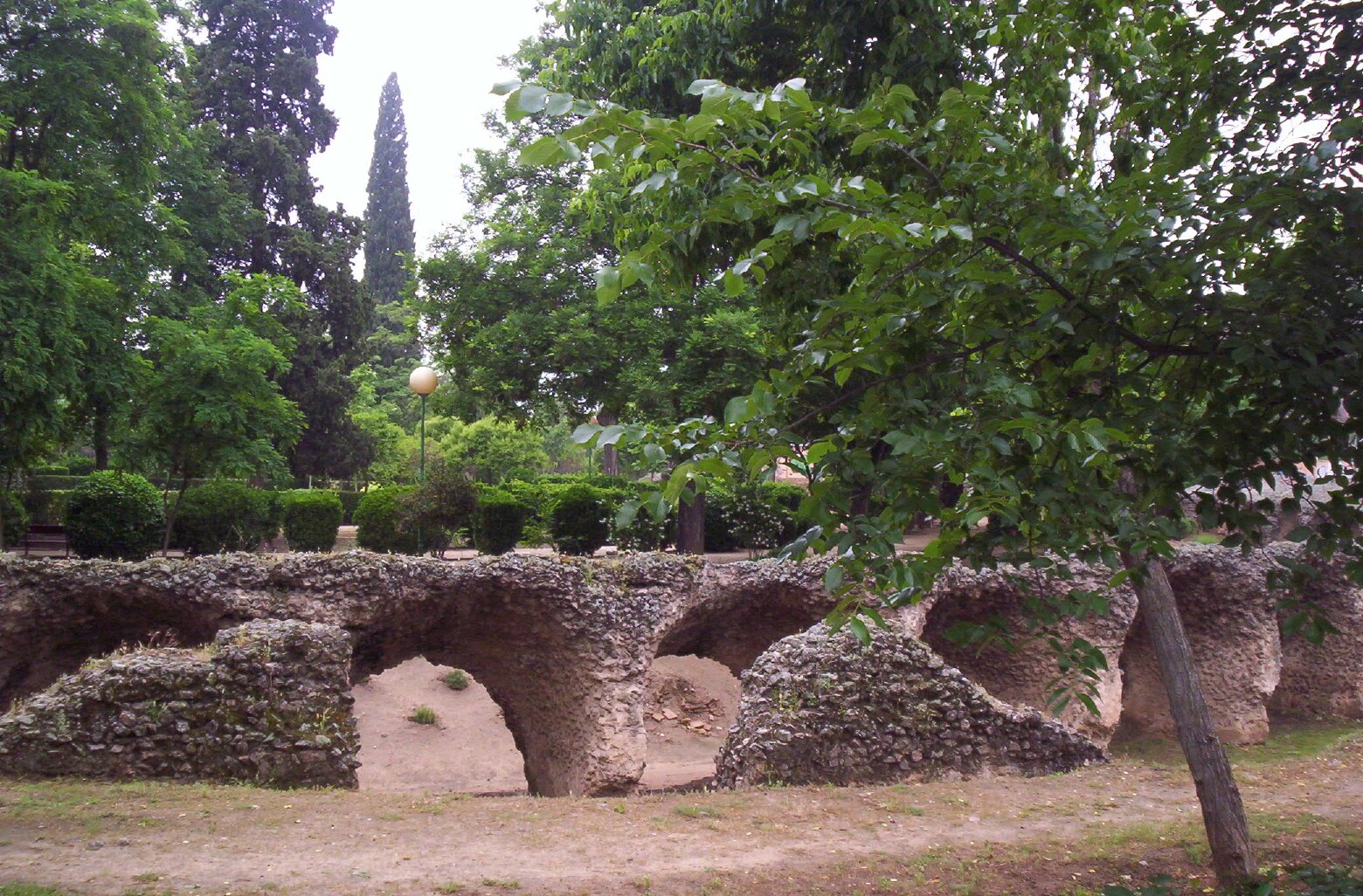
Introduction: The Templar House in Toledo – History and Significance
The Templar House, or Casa del Temple, stands as one of Toledo’s most evocative medieval landmarks, bearing witness to centuries of cultural exchange, religious coexistence, and architectural evolution on the Iberian Peninsula. Once a vital commandery and guest residence for the Knights Templar—a powerful military and religious order active during the 12th and 13th centuries—the Templar House offers visitors a captivating exploration of Spain’s layered history. Its unique blend of Christian Romanesque, early Gothic, and Mudéjar styles reflects the city’s multicultural heritage, shaped by Christian, Muslim, and Jewish communities over centuries (official Toledo tourism site; Kiddle).
From its Visigothic and Islamic foundations to its role during the Reconquista, the Templar House encapsulates Toledo’s strategic importance as a crossroads of tradition and innovation. Today, it serves both as a historical monument and as the Museum of the Templars, showcasing arms, manuscripts, and artifacts that illuminate the Templar legacy. This comprehensive guide details everything you need to plan your visit—including opening hours, ticket options, accessibility, guided tours, and nearby attractions—ensuring a rewarding encounter with one of Toledo’s most storied treasures (whichmuseum.com; ibnbattutatravel.com).
Discover the Templar House: History and Cultural Significance
Origins and Early History
The Templar House dates back to the late 11th or early 12th century, constructed during a period when the Knights Templar were prominent in the Iberian Peninsula. Established in 1119, the order received lands throughout Spain during the Christian Reconquista, with Toledo—recaptured from Muslim rule in 1085—serving as a crucial center for their activities (official Toledo tourism site). Initially, the building functioned as a residential and administrative commandery, supporting knights and pilgrims journeying to the Holy Land.
Architectural Features and Multicultural Influences
The Templar House’s architecture is a testament to Toledo’s multicultural legacy. Its design blends Christian Romanesque and early Gothic elements with Mudéjar influences from Muslim artisans, evidenced by semicircular and horseshoe arches, robust masonry, and decorative tilework. The central courtyard, thick defensive walls, and vaulted chambers exemplify both comfort and fortification. Archaeological studies reveal earlier Visigothic and Islamic layers beneath the current structure (Kiddle).
The Knights Templar in Toledo
The Knights Templar played a pivotal role in defending Christian territories and administering lands in medieval Spain. The Templar House was a hub for military, economic, and religious operations, contributing to Toledo’s prosperity. Although the order was dissolved in 1307, its enduring impact on the city’s urban and cultural landscape remains evident (Wikipedia: List of Knights Templar sites).
Post-Templar Transformations
Following the Templars’ suppression, the house underwent modifications, adopting Renaissance and Baroque elements while retaining its medieval character. Today, it stands as a protected monument and a highlight of Toledo’s UNESCO-listed historic center.
Visitor Information
Visiting Hours and Tickets
-
Opening Hours:
- Tuesday to Saturday: 11:00 am – 7:00 pm
- Sunday: 11:00 am – 3:30 pm
- Closed on Mondays and major public holidays (ibnbattutatravel.com)
-
Ticket Prices:
- Adults: ~€3–€7 (Check current rates)
- Seniors/Students: Discounts available
- Children under 12: Often free
- The Templar House may be included in city passes covering multiple Toledo sites (whichmuseum.com, thetourguy.com).
-
Purchasing Tickets:
- Buy on-site or online via the official Toledo tourism website.
- Advanced booking is recommended during peak seasons.
Getting There and Accessibility
- Location: C. Alfonso X el Sabio, 6, in Toledo’s historic center.
- Access: Short walk from major city landmarks, such as Toledo Cathedral and the Alcázar. Public buses and taxis serve the area; parking is limited in the old town—public transport is advisable.
- Accessibility: While the main floor is partially accessible, the medieval layout means the basement and some areas (notably the Caliphal hall) have stairs and uneven floors, limiting wheelchair access. Check in advance if you require accommodations.
Guided Tours and Events
- Guided Tours: Available in Spanish (some in English); enhance your visit with expert insights into history and architecture. Booking ahead is recommended, especially for group tours.
- Special Events: The museum occasionally hosts medieval reenactments and thematic workshops. Check the official website or social media for current events.
Nearby Toledo Historical Sites
- Toledo Cathedral
- Alcázar of Toledo
- Puerta de Bisagra
- Sinagoga de Santa María la Blanca
- Museum of Santa Cruz
- El Greco Museum
- Castle of San Servando (toledospain.click)
These destinations, all within walking distance, provide a comprehensive experience of Toledo’s rich cultural heritage.
Travel Tips
- Arrive early or visit on weekdays to avoid crowds.
- Wear comfortable shoes for uneven, cobblestoned streets.
- Non-flash photography is permitted unless otherwise indicated.
- On-site amenities are limited; restrooms available, but no café.
- Use a mobile translation app if you don’t speak Spanish.
Museum Collection Highlights
The Templar House’s museum is dedicated to the history and legacy of the Knights Templar in Toledo. Exhibits feature:
- Arms and Armor: Replica swords, chainmail, shields, and helmets marked with the Templar cross.
- Models and Dioramas: Scale models of Templar fortresses and scenes from the Crusades.
- Manuscripts and Documents: Facsimiles of the Rule of the Templars and medieval maps.
- Liturgical and Everyday Objects: Monastic robes, religious artifacts, and period utensils.
- Templar Symbolism: Displays on myths, codes, and the order’s enduring legends.
Artistic and Decorative Features
The building’s decorative details, such as geometric stucco, horseshoe arches, and carved motifs, reflect the influence of Andalusian and Mudéjar traditions. The Caliphal hall, dating to the 10th century, features stucco walls and Mozarabic ornamentation, echoing elements from the Aljafería Palace and other period monuments (Kiddle).
Intellectual and Economic Role
Toledo was a renowned medieval center of learning and craftsmanship. The Templar House, as a commandery, contributed to the exchange of knowledge, hosting scholars and pilgrims. The city’s tradition of steel production—famed for sword-making—supported its economic vitality and helped fund the embellishment and preservation of sites like the Templar House (The Templar Knight).
Preservation and Modern Relevance
Ongoing restoration efforts have safeguarded the Templar House’s structural integrity and enhanced visitor access. Its role as a museum and educational site promotes intercultural understanding and appreciation for Toledo’s multicultural legacy (secretattractions.com). The Templar House remains a focal point for both local and international visitors.
Frequently Asked Questions (FAQ)
Q: What are the Templar House visiting hours?
A: Tuesday–Saturday: 11:00 am–7:00 pm; Sunday: 11:00 am–3:30 pm; closed on Mondays (ibnbattutatravel.com).
Q: How much do tickets cost?
A: Approximately €3–€7, with discounts available for students, seniors, and children.
Q: Are guided tours available?
A: Yes, usually in Spanish, with some English options. Advance booking is recommended.
Q: Is the Templar House accessible for visitors with disabilities?
A: Partial accessibility; some areas, especially the basement, may be difficult to access.
Q: Can I take photos inside?
A: Non-flash photography is generally permitted unless otherwise posted.
Q: What are other must-see sites nearby?
A: Toledo Cathedral, Alcázar, Synagogue of Santa María la Blanca, and Castle of San Servando.
Plan Your Visit
- For the latest information, tickets, and event updates:
Visit the official Toledo tourism site or inquire at the museum. - Enhance your experience:
Download the Audiala app for guided tours, maps, and exclusive content on Toledo’s historical sites. - Explore more:
Combine your visit to the Templar House with Toledo’s other renowned attractions for a full immersion in the city’s rich past.
Summary and Final Tips
The Templar House in Toledo is more than a historical monument; it is a testament to the city’s enduring legacy as a crossroads of cultures and ideas. From its Visigothic and Islamic roots to its pivotal role in the Templar network, the site invites visitors to engage with centuries of history and admire architectural marvels such as its vaulted chambers and Mudéjar details (The Templar Knight; secretattractions.com). Recent conservation has ensured its continued relevance, while guided tours and educational programming make it accessible to all.
Practical tips—such as checking current opening hours, booking tickets in advance, and wearing appropriate footwear—will help you make the most of your visit. Be sure to explore neighboring landmarks and savor the unique atmosphere of Toledo’s historic center. The Templar House stands as a compelling destination for all who wish to discover the stories woven into the city’s ancient stones (official Toledo tourism site; whichmuseum.com).
Listen to the full story in the app
Your Personal Curator, in Your Pocket.
Audio guides for 1,100+ cities across 96 countries. History, stories, and local insight — offline ready.
Audiala App
Available on iOS & Android
Join 50k+ Curators
Sources
- verified
- verified
- verified
- verified
- verified
- verified
- verified
- verified
- verified
Last reviewed: