Plan and listen to The Burial Of The Count Of Orgaz with Audiala.
Audio guide in your pocket, itinerary in your browser. Built for the way you actually visit.
Introduction
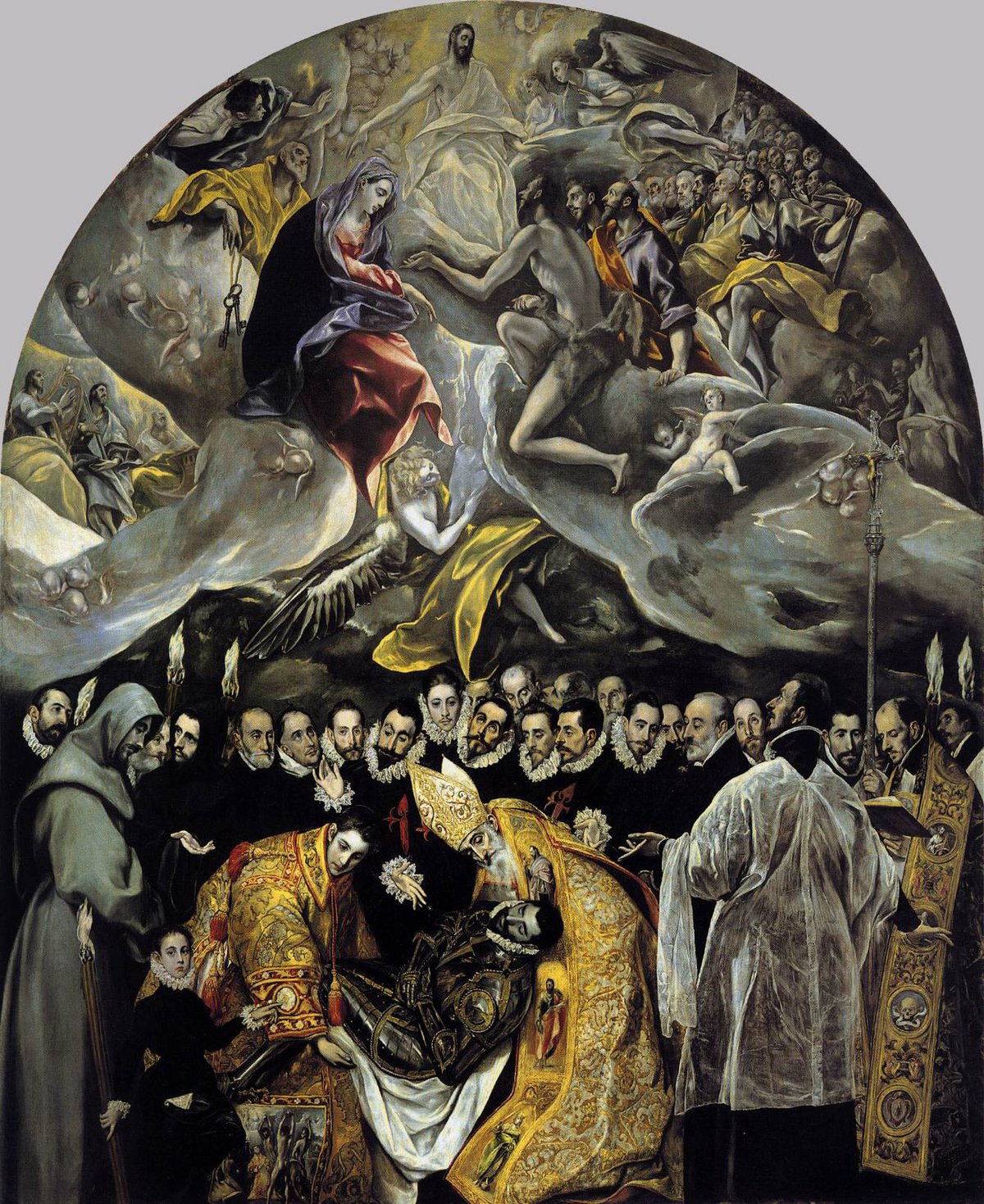
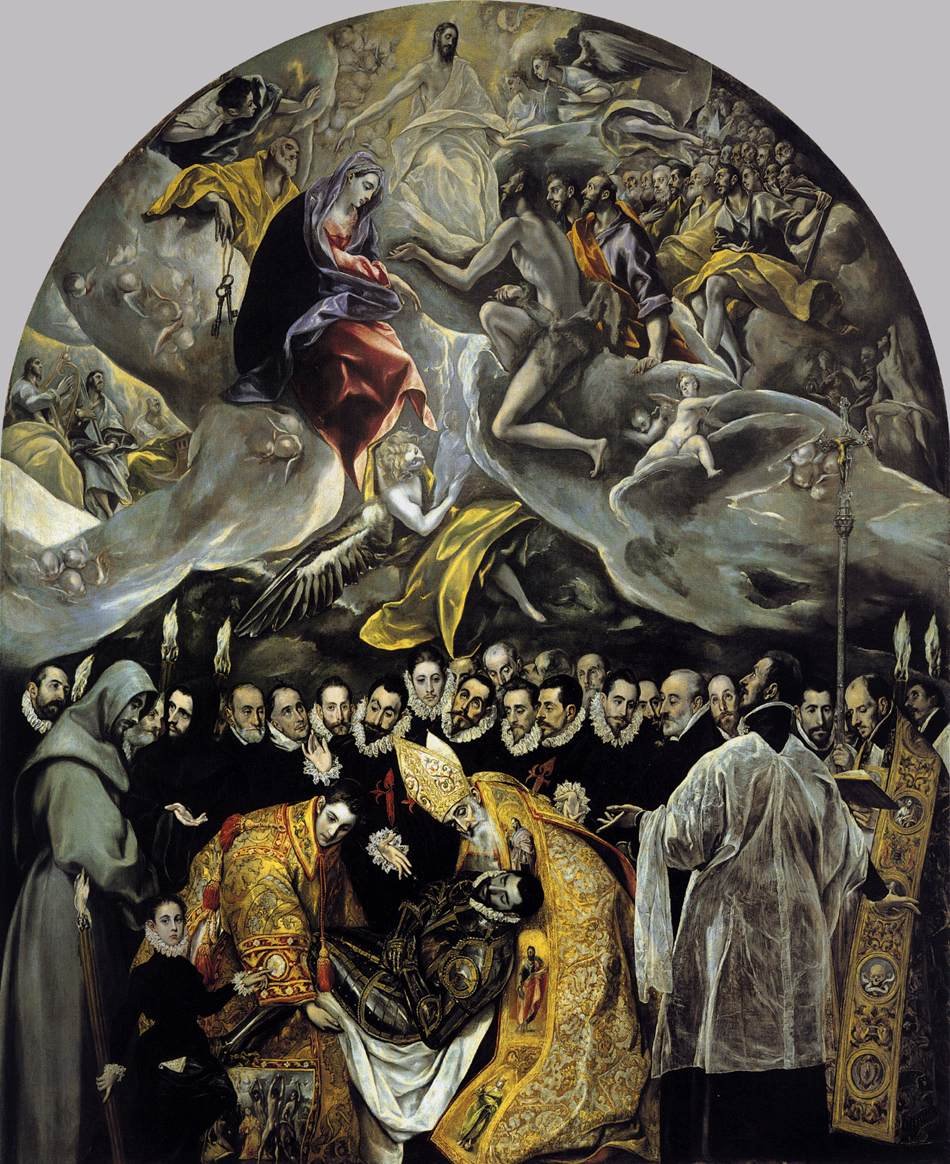
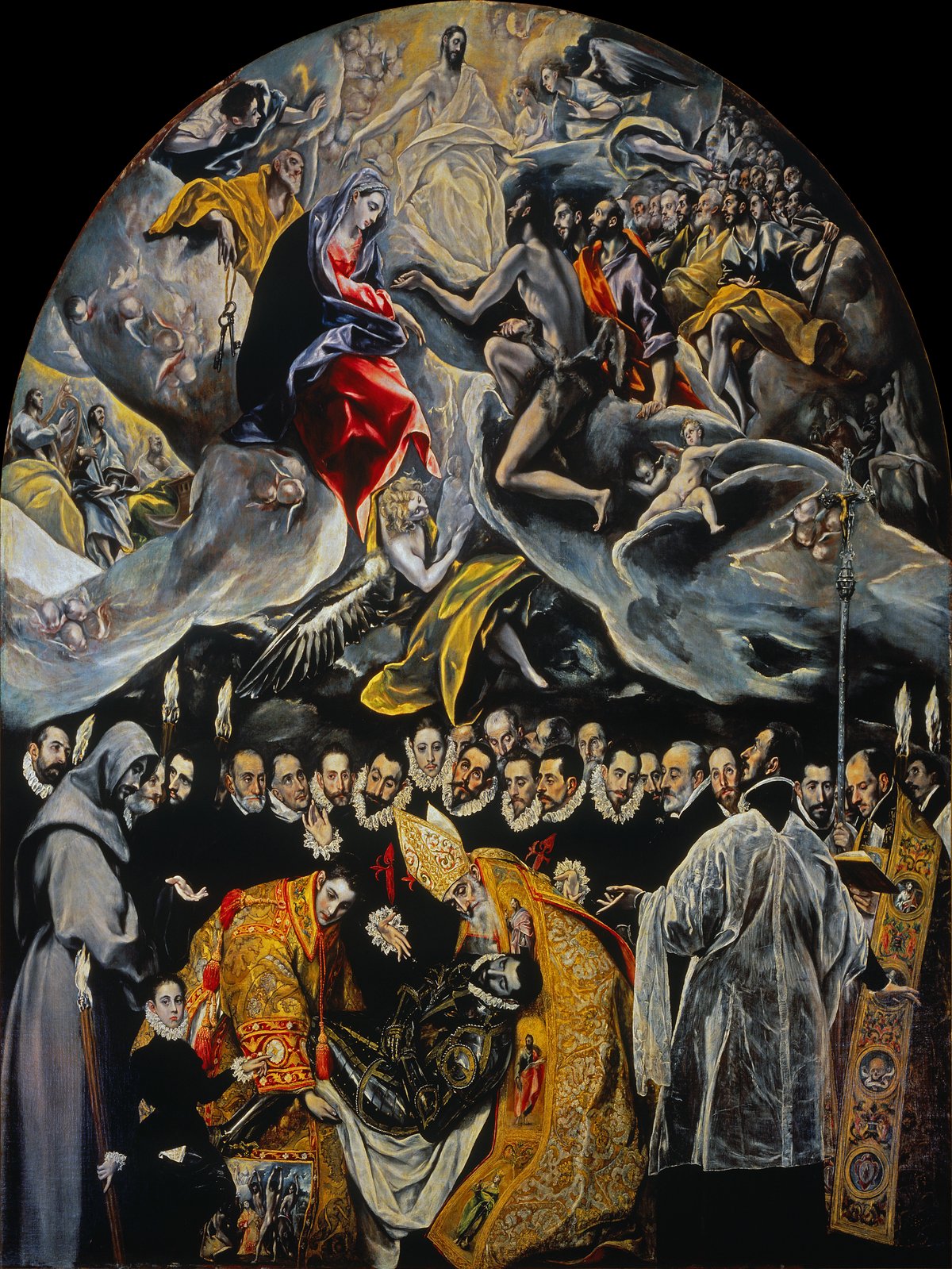
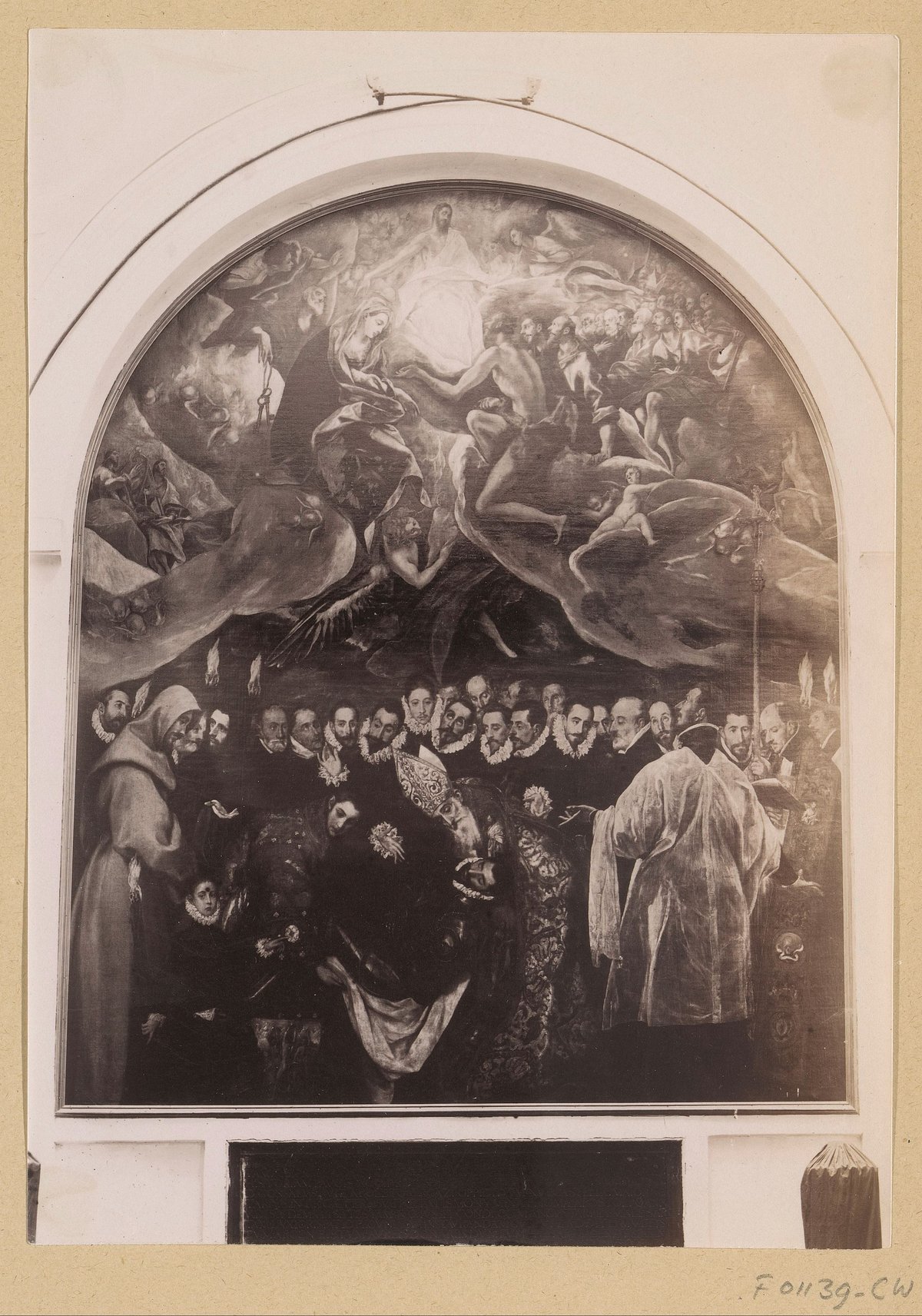
Located in the heart of Toledo, Spain, The Burial of the Count of Orgaz is one of the most celebrated masterpieces of Spanish art and a cultural highlight for any traveler. Painted by El Greco between 1586 and 1588, this iconic work not only immortalizes a miraculous local legend but also provides a vivid window into the religious, social, and artistic currents of late 16th-century Spain. Housed in the Church of Santo Tomé, the painting remains in its original setting—offering visitors an authentic and immersive experience that bridges art, history, and spiritual tradition.
Whether you are an art aficionado, a history enthusiast, or a curious explorer, this guide provides essential information: historical context, artistic interpretation, practical details for visiting, accessibility tips, and recommendations for nearby attractions. Prepare to make the most of your visit to one of Toledo’s most treasured sites (thinkofart.com; smarthistory.org; audiala.com; toledo-travelguide.com).



Historical Context and Legend
Spain in the Late 16th Century
The Burial of the Count of Orgaz was created during the height of the Counter-Reformation, when Spain was a stronghold of Catholic orthodoxy. Art was a central tool for religious instruction, intended to inspire faith and affirm Church doctrine. Toledo, a major ecclesiastical and intellectual hub, was the ideal setting for such a commission (thinkofart.com; metmuseum.org).
The Legend of the Count of Orgaz
The painting is rooted in a 14th-century legend: Don Gonzalo Ruíz, Lord of Orgaz, was renowned for his piety and generosity, particularly his endowment to the Church of Santo Tomé. At his funeral in 1312, the story goes that Saints Stephen and Augustine miraculously descended from heaven to personally bury the Count, in recognition of his virtue. This miracle became central to the parish’s identity, celebrated annually and serving as inspiration for El Greco’s commission (spanish-art.org).
Artistic Significance and Interpretation
El Greco’s Unique Vision
El Greco (Doménikos Theotokópoulos) arrived in Toledo in 1577, bringing with him a synthesis of Byzantine, Venetian, and Mannerist influences. By the time he painted The Burial of the Count of Orgaz, he had developed a distinctive style characterized by expressive figures, vibrant color, and complex compositions (metmuseum.org).
Composition and Symbolism
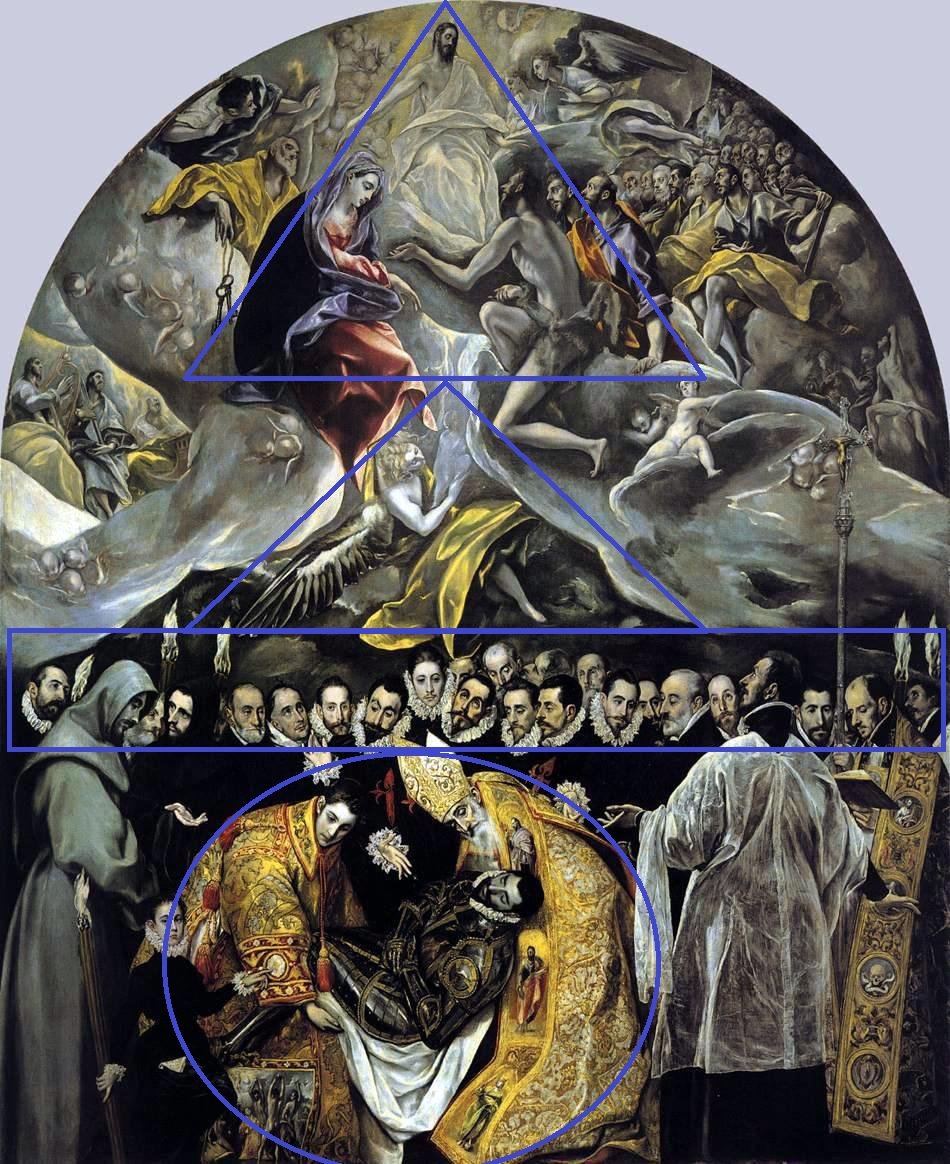
The painting’s structure is divided into two zones:
- Lower Zone (Earth): Depicts the Count’s burial, with Saints Augustine and Stephen lowering his body. Surrounding them are individualized portraits of Toledo’s elite, bridging the contemporary with the miraculous (Totally History).
- Upper Zone (Heaven): Shows the ascent of the Count’s soul, greeted by Christ, the Virgin Mary, and a host of saints. This heavenly vision reinforces the Catholic doctrine of salvation and the communion of saints (Smarthistory).
El Greco’s elongated forms, dynamic lighting, and bold colors heighten the work’s emotional and spiritual resonance. The painting not only commemorates a miracle but also serves as a visual catechism on Catholic beliefs about charity, intercession, and the afterlife (Visual Arts Cork).
Visiting Information: Location, Hours, and Tickets
Location and Access
The Church of Santo Tomé (Iglesia de Santo Tomé) is centrally located in Toledo’s historic Jewish Quarter, at Plaza del Conde 4, 45002 Toledo, Spain. It is within walking distance of major attractions such as the Toledo Cathedral and the El Greco Museum (audiala.com; toledo-travelguide.com).
Getting There:
- From Madrid: AVE high-speed train to Toledo (approx. 30 minutes), then taxi, bus, or a 20–25-minute walk through the old town.
- By Car: Limited parking in the old town—use public lots outside the city walls.
- By Foot: 10-minute walk from Plaza de Zocodover, the main square.
Visiting Hours (as of June 2025)
- Monday, Wednesday–Friday: 10:00–14:00, 15:00–17:45
- Saturday and Sunday: 10:00–17:45
- Closed on Tuesdays
- Special Closures: January 1, December 24–25; early closure at 13:00 on December 31 and January 6
- Box Office: Closes 20 minutes before the church
Always check the official website for up-to-date information, especially during holidays (guias-viajar.com).
Tickets and Admission
- General Admission: €3.00
- Reduced Admission:
- €2.50 (students, youth card, children 11–14)
- €2.00 (people with disabilities, large families)
- Free Admission: Children under 11
- Combined Ticket: The Toledo Tourist Bracelet (~€15) grants access to seven major sites, including Santo Tomé
Tickets are sold at the church entrance—arrive early to avoid queues during high season (toledofreetour.com).
Accessibility and Visitor Tips
Accessibility
- The church is located in the old town with cobbled streets; wheelchair access is generally available at the main entrance and chapel, though some interior areas may be challenging.
- Reduced admission applies for visitors with disabilities.
- Contact the Toledo tourism office in advance for support (audiala.com).
Visitor Tips
- Best Time to Visit: Early mornings or late afternoons on weekdays for fewer crowds.
- Dress Code: Modest attire is expected; silent conduct during religious services.
- Photography: Allowed without flash inside the church (prohibited in the chapel with the painting).
- Footwear: Wear comfortable shoes for walking on uneven, cobbled streets.
- Guided Tours: Available in several languages; highly recommended for deeper insight (guias-viajar.com).
Nearby Attractions
Enhance your Toledo experience by visiting:
- Toledo Cathedral: A Gothic marvel just minutes away.
- Alcázar of Toledo: Historic fortress with panoramic views.
- El Greco Museum: Dedicated to the artist’s life and works.
- Synagogue of Santa María la Blanca and El Tránsito: Key sites in the Jewish Quarter.
- Monastery of San Juan de los Reyes: Noted for its stunning cloisters.
Cafés, restaurants, and souvenir shops are plentiful in the surrounding streets.
Frequently Asked Questions (FAQ)
Q: What are the current visiting hours for the Church of Santo Tomé?
A: Typically 10:00–14:00 and 15:00–17:45 on weekdays, 10:00–17:45 on weekends; closed Tuesdays. Check the official site for updates.
Q: How much is the entry fee?
A: €3.00 general admission; reduced rates and free entry for children under 11.
Q: Is the church accessible for wheelchair users?
A: Main entrance and painting viewing area are generally accessible, but some areas may be less so due to the historic setting.
Q: Can I take photos of the painting?
A: Photography without flash is allowed in the church, but usually prohibited in the chapel with the painting.
Q: Are guided tours available?
A: Yes, in multiple languages—book via local tourism offices or city tours.
Tickets & tours.
These are guided options from our partners — same price as booking direct.
Prices are indicative — final pricing and availability are confirmed at checkout. Audiala may earn a commission from bookings made through these links.
Listen to the full story in the app
The whole The Burial Of The Count Of Orgaz,
told well.
Audio guides for 1,100+ cities across 96 countries. History, stories, and local insight — offline ready.
Verified, and shown.
Researched and written by the Audiala editorial team from historical records, architectural archives, and local expertise.
Researched from Wikidata, Wikipedia & official sources · fact-checked · How we make our guides →