Plan and listen to San Martín Bridge with Audiala.
Audio guide in your pocket, itinerary in your browser. Built for the way you actually visit.
Introduction
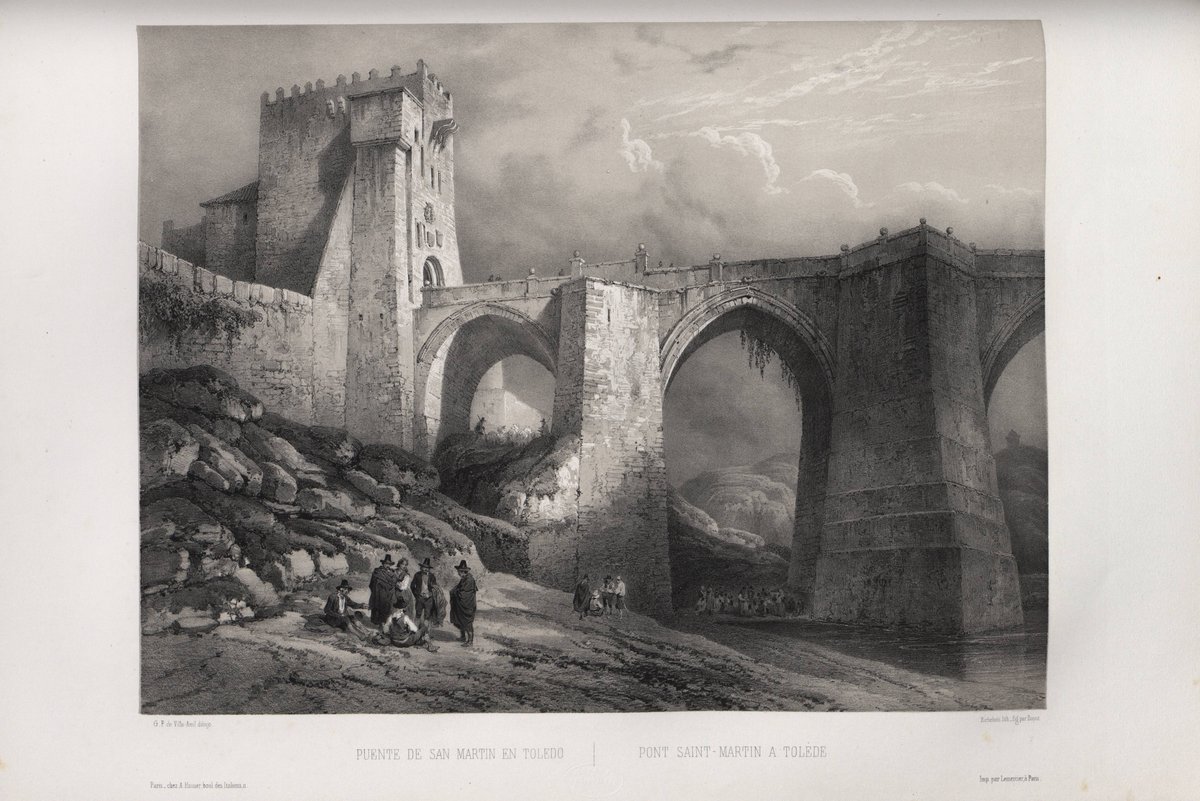
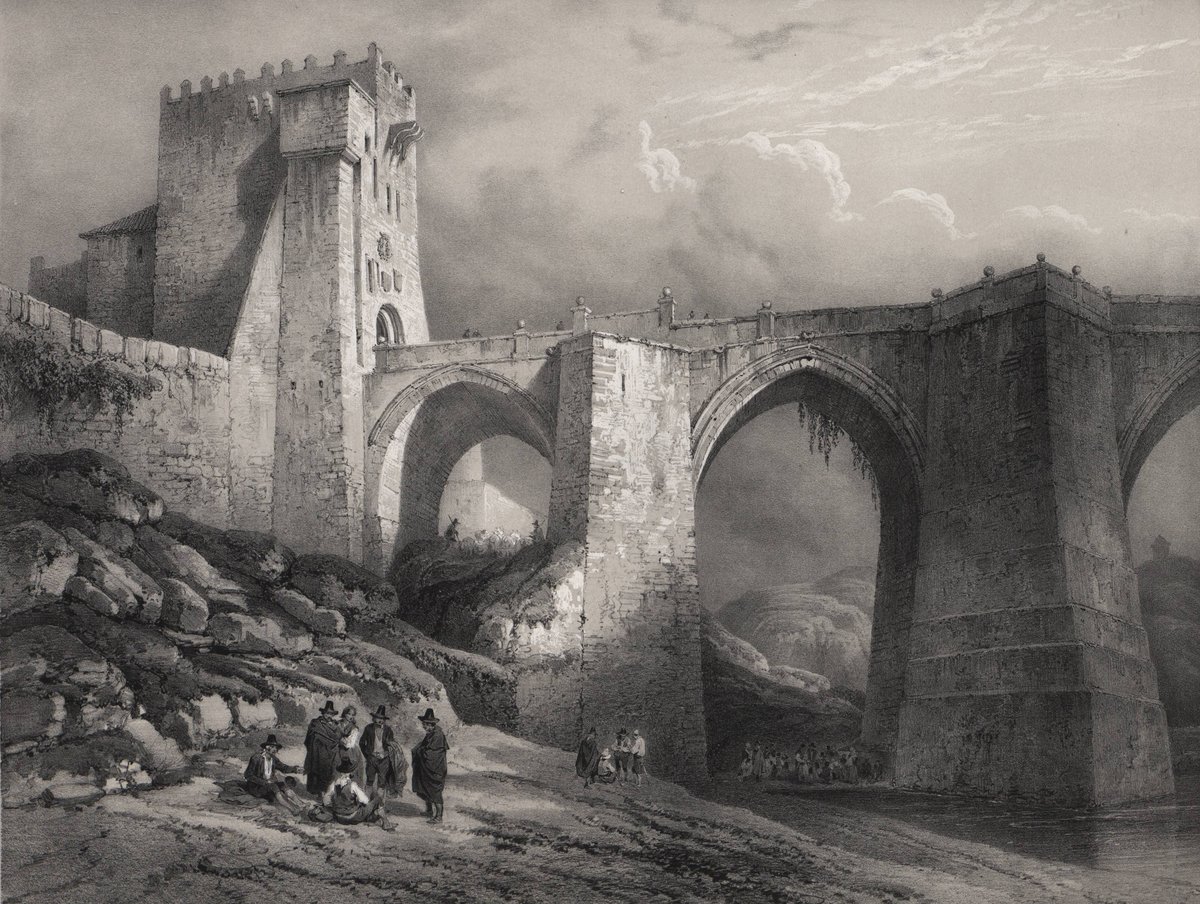
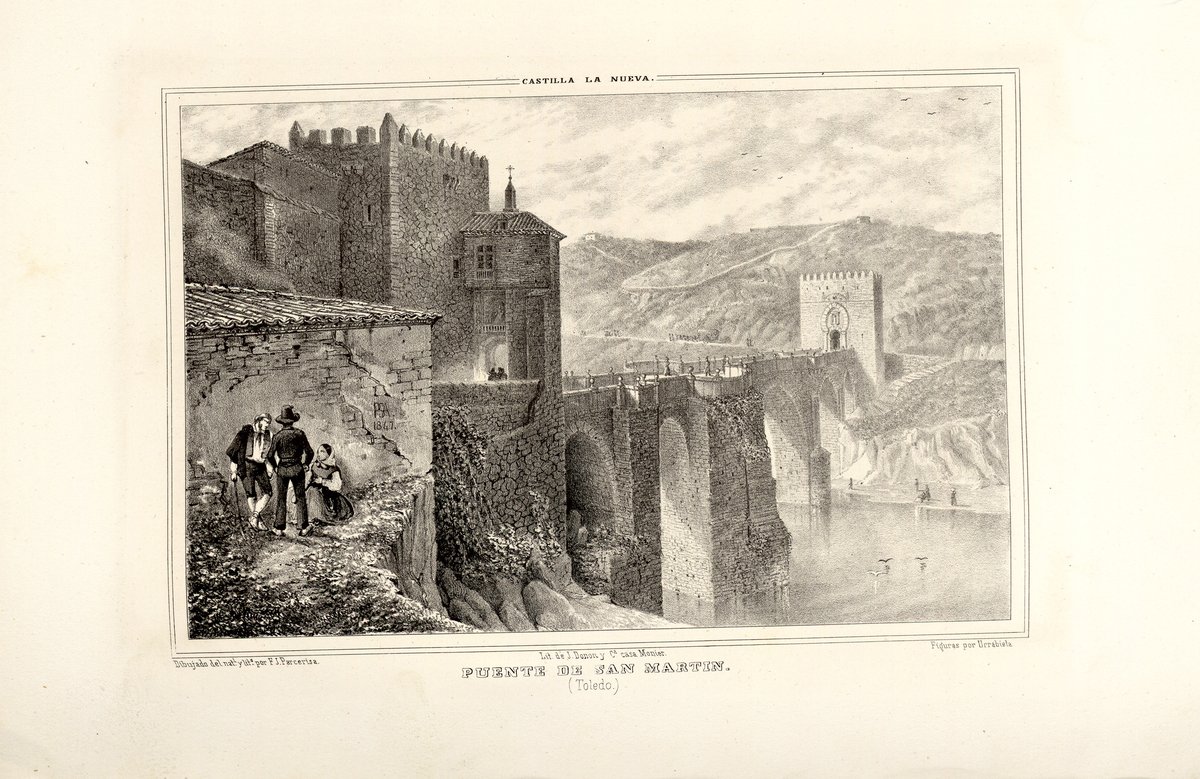
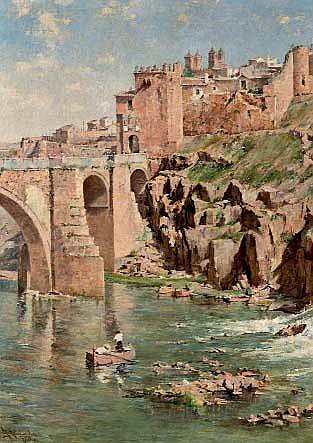
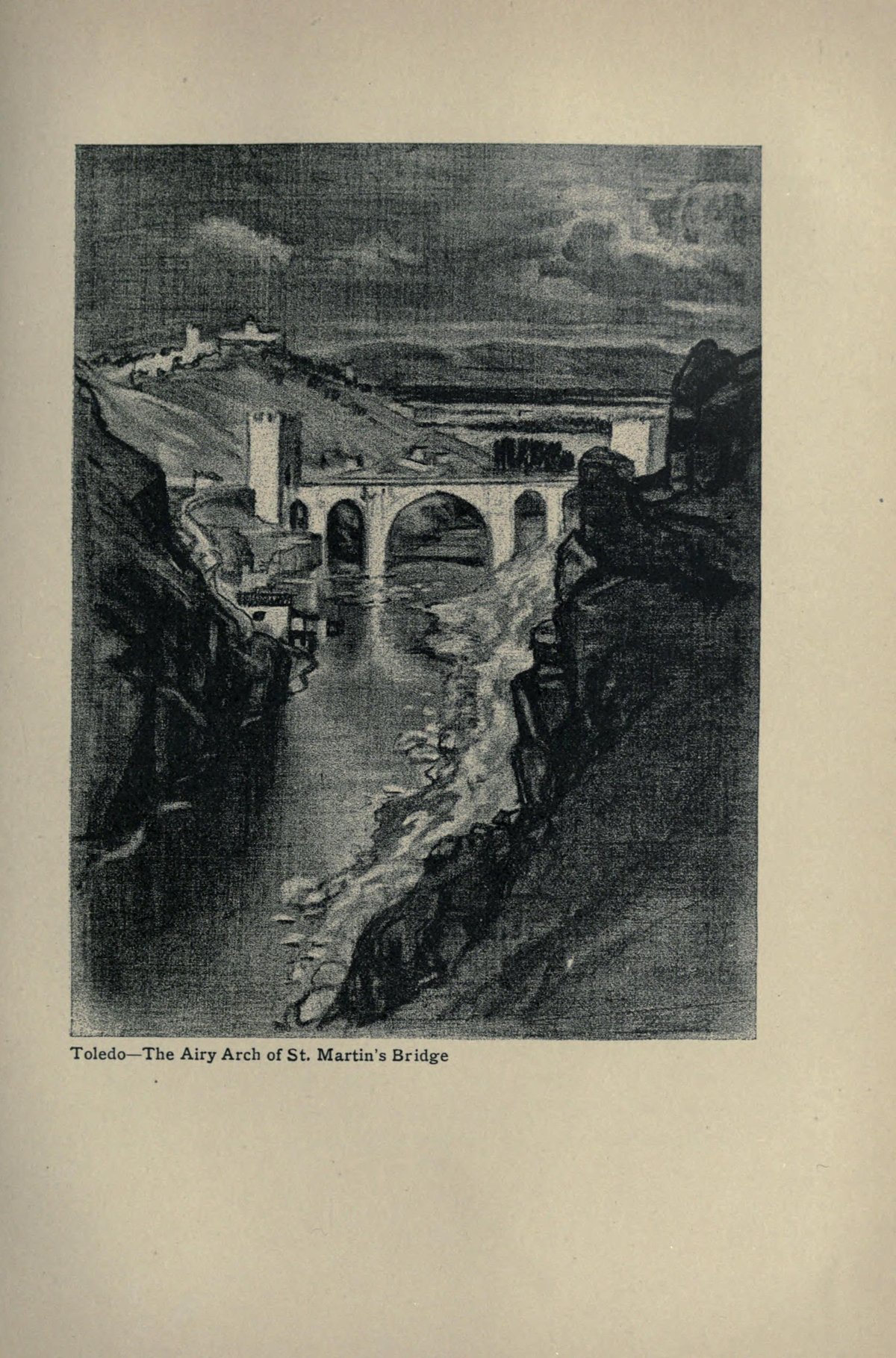
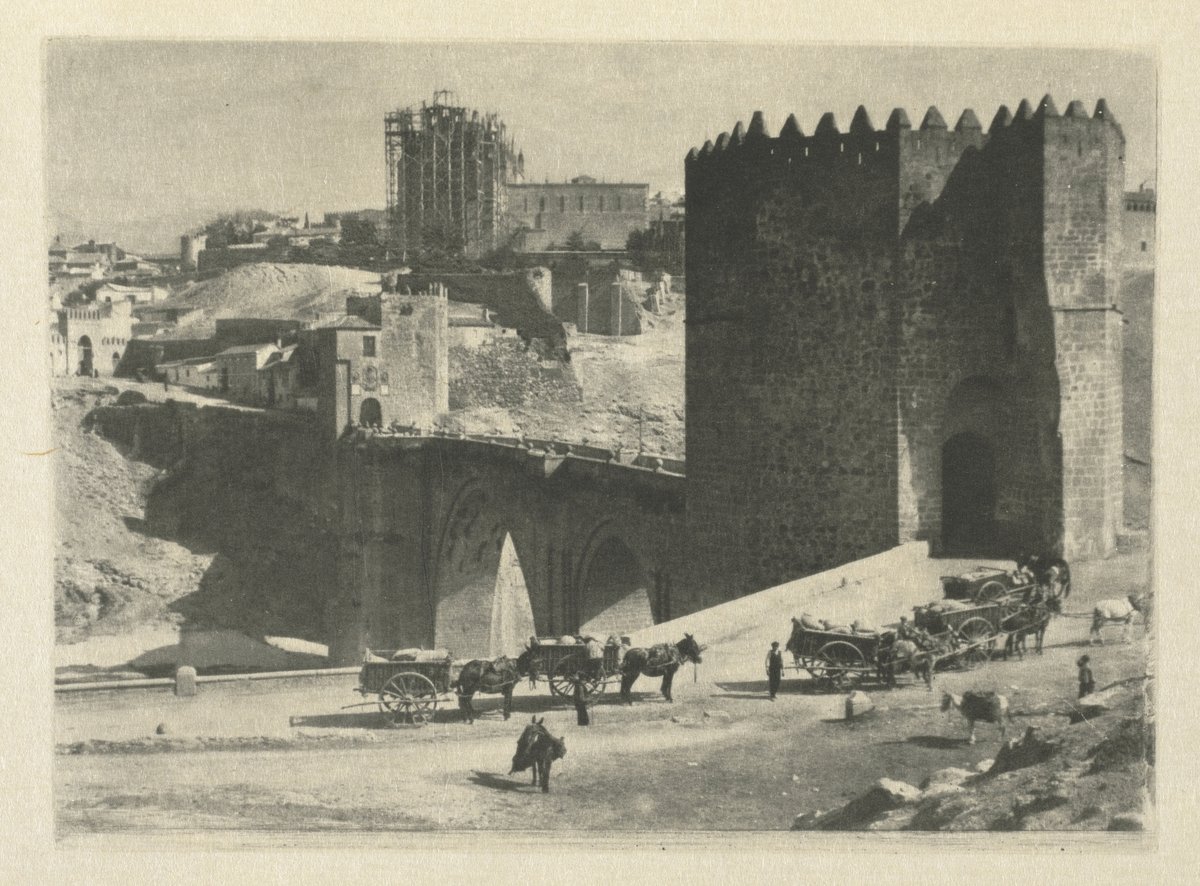
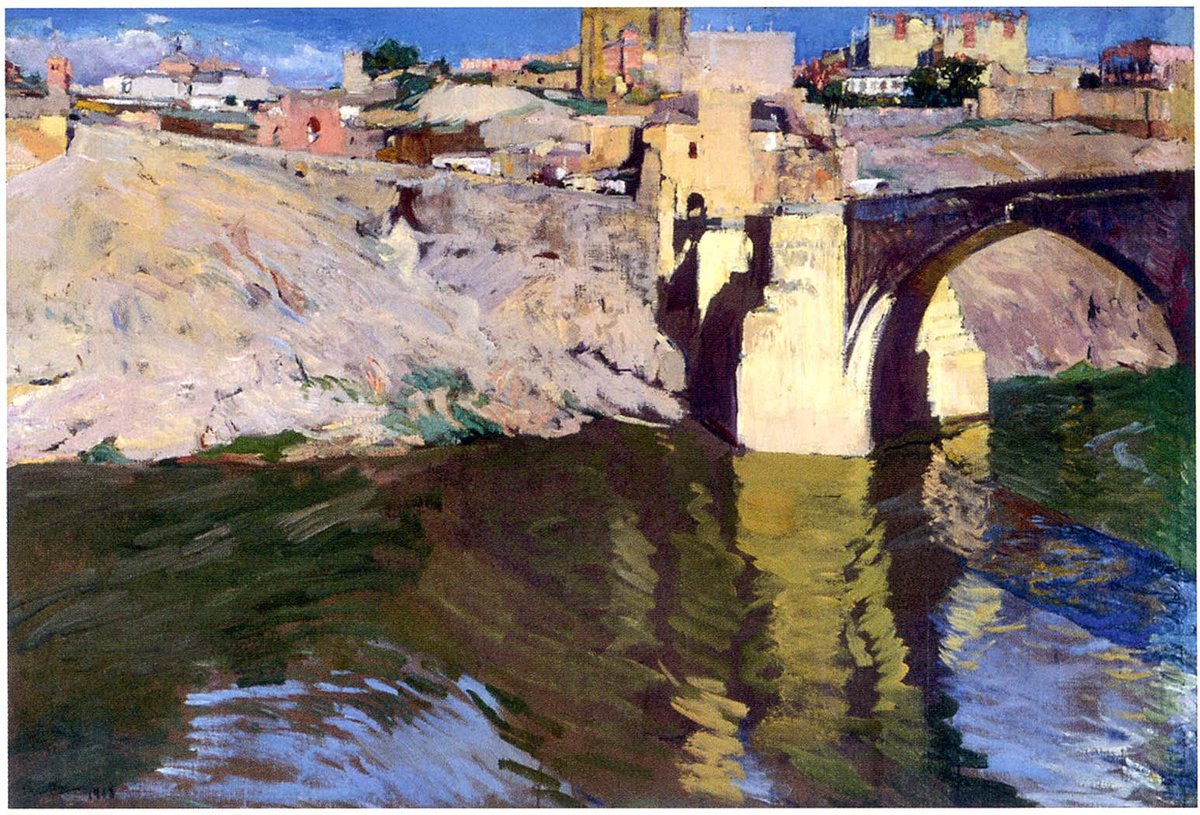
The Puente de San Martín, a medieval bridge in the historic city of Toledo, Spain, is a remarkable feat of engineering and a symbol of the city's rich cultural heritage. Constructed in the late 14th century under the direction of Archbishop Pedro Tenorio, this stone bridge spans the Tagus River and connects the western part of Toledo with the city center. Its historical significance is profound, having played a crucial role in the military and economic activities of the region, especially during the Reconquista and the Spanish Civil War. The bridge's architectural prowess is evident in its five arches, with the central arch measuring an impressive 40 meters, one of the largest in the world at the time (Toledo Tourism). Today, Puente de San Martín remains a prominent tourist attraction, offering breathtaking views and a glimpse into Toledo's medieval past. This guide provides comprehensive information on visiting the Puente de San Martín, including its history, visiting hours, ticket information, travel tips, and nearby attractions, ensuring you make the most of your trip to this iconic site.

Historical Background of Puente de San Martín
Origins and Construction
The Puente de San Martín, a medieval bridge in Toledo, Spain, is a significant historical structure that dates back to the late 14th century. It was constructed under the direction of Archbishop Pedro Tenorio, who sought to improve access to the city from the west. The bridge was strategically important for both military and economic reasons, facilitating the movement of troops and goods across the Tagus River.
Architectural Design
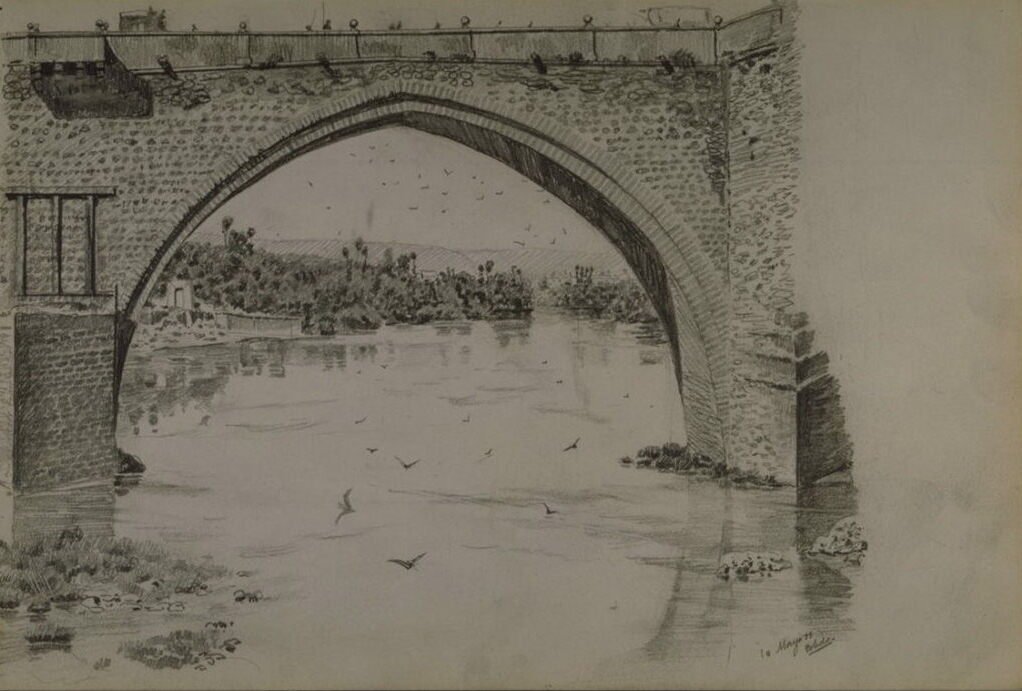
The bridge is an exemplary piece of medieval engineering, featuring five arches with the central arch spanning an impressive 40 meters. This central arch was one of the largest in the world at the time of its construction, showcasing the advanced engineering skills of the period. The bridge is built primarily from stone, a material chosen for its durability and strength, which has allowed the structure to withstand the test of time.
Historical Significance
Throughout its history, the Puente de San Martín has played a crucial role in the defense of Toledo. During the Reconquista, the bridge was a vital crossing point for Christian forces reclaiming the city from Muslim rule. Its strategic importance continued into the modern era, serving as a key access point during various conflicts, including the Spanish Civil War.
Visitor Information
Visiting Hours
The Puente de San Martín is accessible to visitors 24/7, allowing for both day and night visits. However, for the best experience, it is recommended to visit during daylight hours when the architectural details of the bridge can be fully appreciated.
Tickets
There is no entrance fee to walk across the Puente de San Martín. However, if you wish to participate in guided tours or special events, there may be associated costs. Check with local tour operators for the most current pricing and availability.
Travel Tips
- Best Time to Visit: Spring and autumn offer the most pleasant weather for exploring the bridge and its surroundings.
- Photography: Early morning or late afternoon light provides the best conditions for capturing the bridge’s beauty.
- Safety: While the bridge is well-maintained, always watch your step as the stone surface can be uneven.
Nearby Attractions
- Toledo Cathedral: A stunning example of Gothic architecture located within walking distance from the bridge.
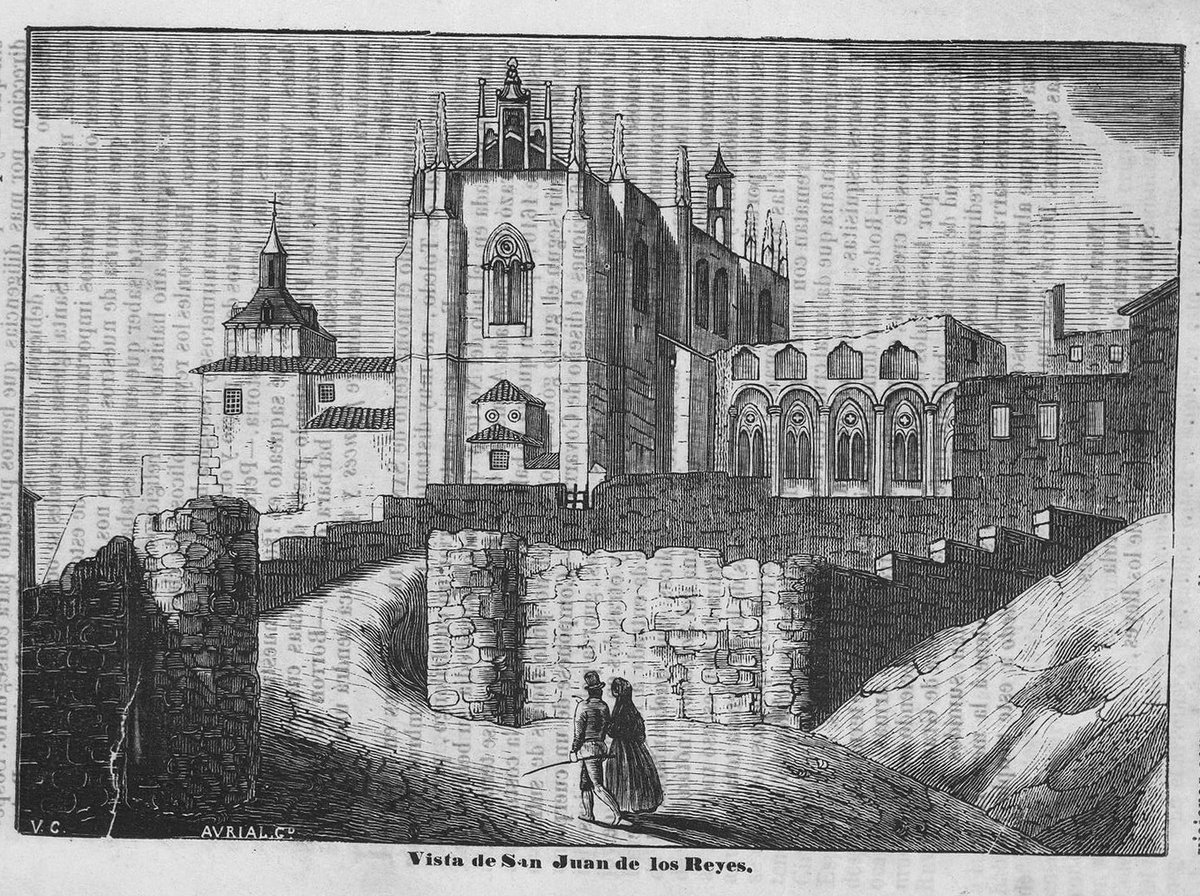
- Monasterio de San Juan de los Reyes: Another historical site showcasing beautiful architecture and serene gardens.
- Alcázar of Toledo: A historic fortress that now houses a military museum.
Accessibility
The Puente de San Martín is accessible to pedestrians, including those with mobility issues. However, the surrounding area has cobblestone streets and some steep inclines, so plan accordingly.
Special Events and Guided Tours
The bridge occasionally hosts cultural events and festivals, especially during the summer months. Guided tours are available, offering insights into the history and significance of the bridge. Check with local tourism offices for schedules and bookings.
Restoration and Preservation
Over the centuries, the Puente de San Martín has undergone several restorations to preserve its structural integrity and historical value. Notable restoration efforts took place in the 20th century, particularly after damage sustained during the Spanish Civil War. These efforts have ensured that the bridge remains a functional and historical landmark for future generations.
Cultural Impact
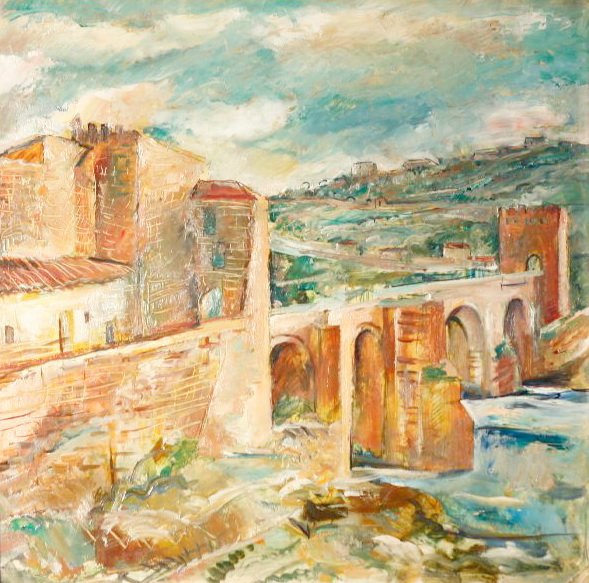
The Puente de San Martín is not only a historical monument but also a cultural symbol of Toledo. It has been featured in various works of art, literature, and film, highlighting its enduring significance in Spanish culture. The bridge is a popular tourist attraction, drawing visitors from around the world who come to admire its architectural beauty and historical importance.
Modern-Day Relevance
Today, the Puente de San Martín continues to serve as a vital pedestrian and vehicular crossing, connecting the historic center of Toledo with the surrounding areas. It is also a popular spot for bungee jumping, offering thrill-seekers a unique way to experience the bridge's impressive height and scenic views of the Tagus River.
Key Facts and Figures
- Construction Date: Late 14th century
- Architect: Archbishop Pedro Tenorio
- Material: Stone
- Number of Arches: Five
- Central Arch Span: 40 meters
- Restoration Efforts: 20th century, post-Spanish Civil War
Frequently Asked Questions
Q: Is there a fee to visit the Puente de San Martín?
A: No, there is no entrance fee to walk across the bridge. However, guided tours and special events may have associated costs.
Q: What are the best times to visit the bridge?
A: Spring and autumn are ideal due to the pleasant weather. Early mornings and late afternoons offer the best light for photography.
Q: Are there any accessibility concerns?
A: The bridge is accessible to pedestrians, including those with mobility issues. However, the surrounding area has cobblestone streets and some steep inclines.
Q: Can I participate in any special events at the bridge?
A: Yes, the bridge occasionally hosts cultural events and festivals. Check with local tourism offices for schedules.
Listen to the full story in the app
The whole San Martín Bridge,
told well.
Audio guides for 1,100+ cities across 96 countries. History, stories, and local insight — offline ready.
Verified, and shown.
Researched and written by the Audiala editorial team from historical records, architectural archives, and local expertise.
Researched from Wikidata, Wikipedia & official sources · fact-checked · How we make our guides →