Introduction
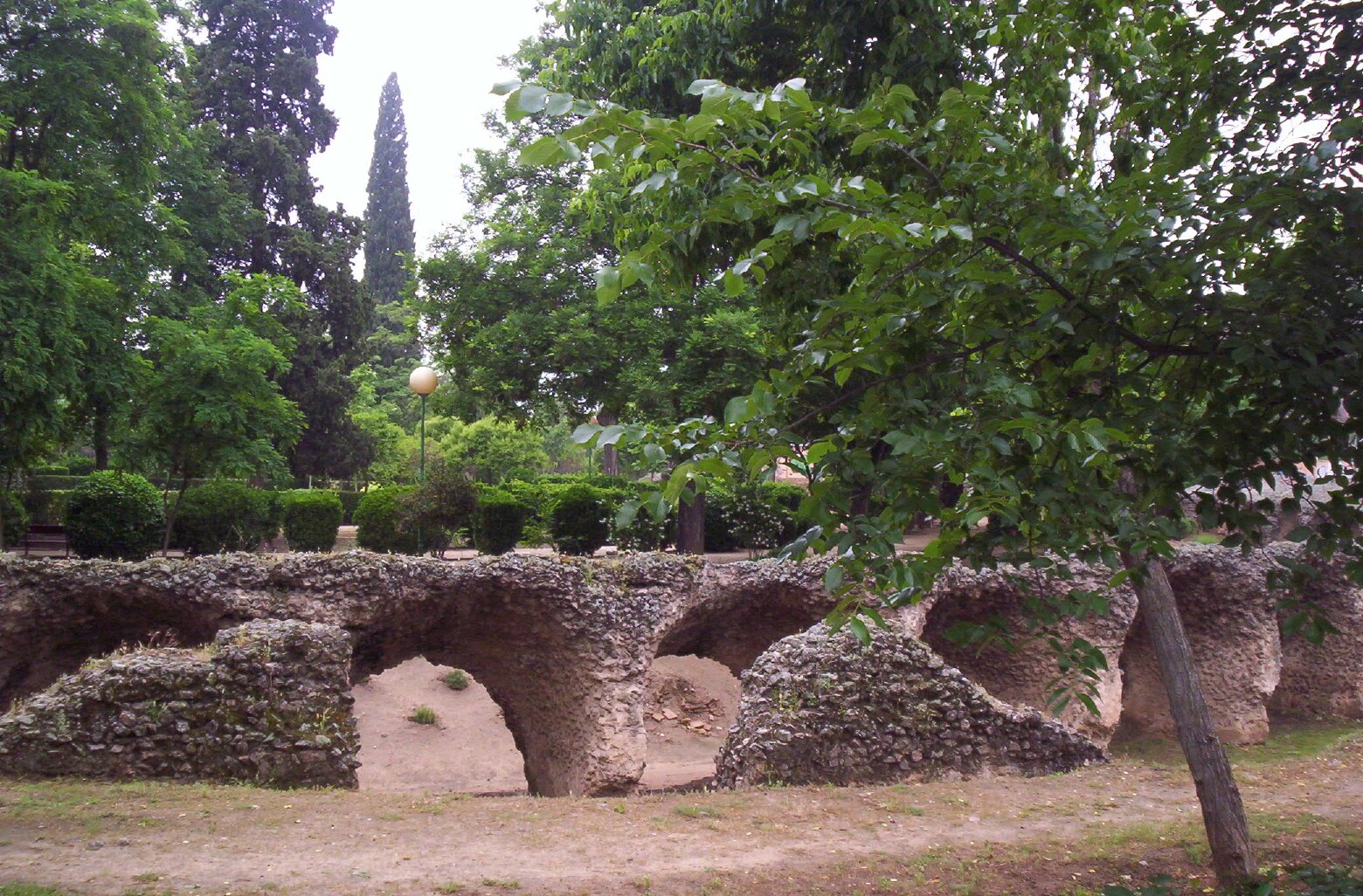
The Puerta del Vado is an essential landmark in Toledo, Spain, offering visitors a profound connection to the city's medieval history. Located in the Antequeruela neighborhood, this historic city gate dates back to the late 11th and early 12th centuries, during the transition from Muslim to Christian rule following Toledo's reconquest in 1085. The gate was initially part of Toledo's defensive walls and played a crucial role in the city's fortifications (Wikipedia). Over the centuries, the Puerta del Vado has witnessed significant architectural modifications and historical events, making it an invaluable piece of Toledo's cultural heritage. This comprehensive guide aims to provide potential visitors with all the necessary information to explore the Puerta del Vado, including its historical significance, architectural features, visiting hours, and nearby attractions.
Historical Background
Origins and Construction
The Puerta del Vado, located in the Antequeruela neighborhood of Toledo, dates back to the late 11th and early 12th centuries. This period marks the transition from Muslim to Christian rule in Toledo, following its reconquest in 1085. The gate was part of the city's defensive walls, serving as a crucial entry and exit point for the neighborhood, which was known for its pottery tradition (Wikipedia).
Architectural Evolution
Over the centuries, the Puerta del Vado underwent several modifications. Initially constructed using a combination of brick and gneiss, the gate featured a straight access route, a small portico, and two arches on the main facade. The outer arch was a semi-circular brick construction, while the inner arch was a horseshoe shape made of gneiss, with one impost of sandstone (Wikipedia).
15th and 16th Century Modifications
By the late 15th and early 16th centuries, the gate had become partially buried under debris from nearby pottery workshops. Significant renovations included raising the pavement by over a meter above the original level to adapt to the urban needs (Wikipedia).
Decline and Rediscovery
Despite efforts, the Puerta del Vado fell into disuse by the 17th century and was abandoned. By the 19th century, it was almost entirely forgotten, with only its upper part visible. Interest in the gate revived in the late 20th century during a general restoration project of Toledo's walls in the 1990s, which included cleaning and excavating the site (Wikipedia).
Architectural Features
The visible part of the Puerta del Vado today is its upper section, resembling the Puerta de Bisagra Vieja in style and proportions. The main facade features four semi-circular arched windows, with three windows on the north side and two on the south side, along with a buttress made of ashlar masonry (Wikipedia).
Interior Layout
The interior is divided into three rectangular sections, each defined by brick arches with gneiss jambs and covered by barrel vaults. The first section housed the two leaves that closed the extramural exit. The central section likely connected to a courtyard, which was later blocked during the 15th-century renovations. The final section, which contained the leaves that closed the intramural access, connects to the upper part via a stone staircase accessed through a small lintelled opening (Wikipedia).
Visiting Information
Visiting Hours
Puerta del Vado can be visited year-round. Typical visiting hours are from 10:00 AM to 6:00 PM, but it is advisable to check the official Toledo tourism website for the most current information.
Tickets
Entrance to Puerta del Vado is generally free, but guided tours may have associated costs. It is recommended to book tickets for guided tours in advance.
Travel Tips
- Wear comfortable shoes as the area around the gate can be uneven.
- Bring a camera to capture the beautiful architecture and views.
- Check if there are any special events or guided tours available during your visit.
Nearby Attractions
While visiting Puerta del Vado, consider exploring other historical sites in Toledo, such as the Puerta de Bisagra and the Puerta del Sol. The Puerta de Bisagra, built in the 900s by the Moors and later replaced in the 16th century, features a triumphal arch and circular defensive towers. The Puerta del Sol, constructed in the 14th century, is known for its intricate Mudéjar design (The Crazy Tourist).
Preservation Efforts
The 1990s restoration of Puerta del Vado was part of a broader initiative to preserve Toledo's historical walls and gates. Efforts included cleaning and stabilizing the remaining structures, ensuring their longevity for future generations (Wikipedia).
FAQ
What are the visiting hours of Puerta del Vado?
Typically, Puerta del Vado is open from 10:00 AM to 6:00 PM, but it's best to check the latest hours on the official Toledo tourism website.
How much do tickets to Puerta del Vado cost?
Entrance is generally free, but guided tours may have fees. Booking in advance is recommended.
Listen to the full story in the app
Your Personal Curator, in Your Pocket.
Audio guides for 1,100+ cities across 96 countries. History, stories, and local insight — offline ready.
Audiala App
Available on iOS & Android
Join 50k+ Curators
Sources
- verified
- verified
- verified
- verified
- verified
- verified
- verified
- verified
- verified
- verified
- verified
- verified
- verified
- verified
Last reviewed: