Introduction
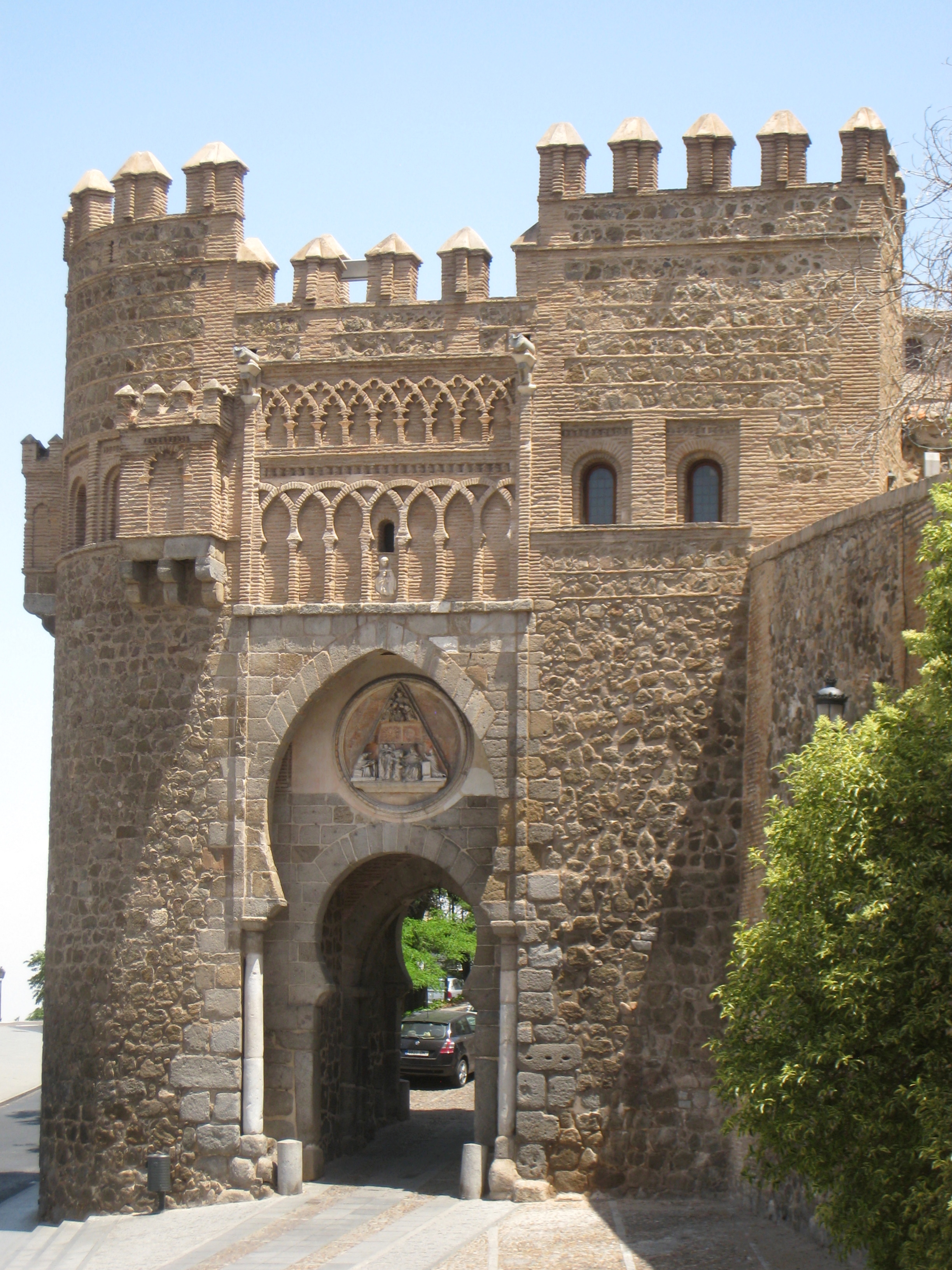
The Puerta del Sol in Toledo, Spain, stands as an enduring symbol of the city’s rich medieval heritage and multicultural past. Built by the Knights Hospitaller in the late 13th or early 14th century, this monumental city gate encapsulates centuries of history, art, and architectural innovation. With its distinctive Mudéjar style—a harmonious blend of Islamic and Christian influences—it is not only a defensive structure but also a ceremonial gateway that welcomes visitors to the heart of historic Toledo. The gate’s architectural features, such as the horseshoe arch and the medallion of Saint Ildefonso, reflect the city’s role as a crossroads of Christian, Muslim, and Jewish cultures.
This guide provides comprehensive information for planning a visit to Puerta del Sol, covering its historical significance, practical visiting details, nearby attractions, accessibility, guided tours, and essential travel tips. Whether you are an architecture enthusiast, history buff, or a traveler seeking to immerse yourself in Toledo’s vibrant cultural tapestry, Puerta del Sol is a must-see landmark that promises a fascinating journey into Spain’s past (Toledo Turismo; Spain.info; RIBA Journal; Leyendas de Toledo).
Architectural Significance
Puerta del Sol is a prime example of Mudéjar architecture, showcasing the fusion of Islamic and Christian design elements that defined much of medieval Spain. Its most striking feature is the pronounced horseshoe arch, framed by alternating brick and stone voussoirs—a hallmark of Islamic influence. Flanking the arch are two robust towers, which, along with the thick city walls, highlight the structure’s defensive purpose. Above the arch, a medallion depicts the ordination of Saint Ildefonso, the city’s patron saint, reinforcing Toledo’s religious identity (Spain.info; RIBA Journal).
Intricate brickwork and decorative motifs, including geometric patterns and a sun motif, further exemplify the Mudéjar style. The presence of both Christian and astronomical symbols underscores the city’s syncretic heritage, where diverse traditions intermingled (GPSmyCity; Leyendas de Toledo).
Role in Toledo’s Urban and Social History
Historically, Puerta del Sol served as a critical entry point through Toledo’s formidable city walls, controlling access for merchants, travelers, and religious processions. Its strategic location near the city center meant it was integral to daily urban life and ceremonial events. The gate’s construction and maintenance by the Knights Hospitaller reflect the militarized and spiritual character of medieval Toledo (historyhit.com; historytools.org).
Archaeological evidence and historical records suggest that the site may have been used as a gate since the 11th century, during the Taifa Kingdom period, highlighting Toledo’s layered history from Muslim to Christian rule (historyhit.com).
Visiting Puerta del Sol: Practical Information
Visiting Hours
- Open-Air Monument: Accessible 24/7. The exterior and passageway can be visited at any time.
- Interior Access: Limited to special events, guided tours, or occasional open days. Check for updates with the Ayuntamiento de Toledo or local tourism office (Leyendas de Toledo).
Tickets
- Free Entry: No ticket is required to visit or walk through Puerta del Sol.
- Guided Tours/Interior Access: When available, interior access is typically part of a guided tour, with fees ranging from €8 to €15 (Leyendas de Toledo).
Accessibility
- Location: Situated near Plaza de Zocodover, Puerta del Sol is easily accessible on foot from most central attractions.
- Mobility: The gate is at street level, but the surrounding cobblestone streets and gentle slopes may require assistance for visitors with reduced mobility (Trip.com).
How to Get There
- By Train: Arrive at Toledo’s RENFE station; a 10-minute taxi ride or a scenic 20–25 minute walk uphill leads to Puerta del Sol.
- By Bus: Public buses from the station stop near Plaza de Zocodover; the gate is a 5-minute walk from there.
Nearby Attractions
- Mosque of Cristo de la Luz: 100 meters away, a 10th-century mosque and key Islamic monument.
- Plaza de Zocodover: The main city square, lively with cafés and shops.
- Alcázar of Toledo: Fortress-museum with panoramic city views.
- Museo de Santa Cruz: Art and history museum in a former hospital (Trip.com).
Guided Tours and Events
- Guided Tours: Highlight Puerta del Sol and other Toledo historical sites, available in multiple languages and often including interior access during special events (Leyendas de Toledo).
- Special Events: The gate occasionally hosts temporary exhibitions or is included in cultural festivals. Check local calendars and the official tourism website.
Visitor Facilities
- Restrooms: Available at Plaza de Zocodover and nearby cafés.
- Food & Shops: Numerous dining and shopping options within a short walk.
Visitor Experience and Cultural Significance
Visiting Puerta del Sol allows you to witness Toledo’s legacy as a city of three cultures. The gate’s Mudéjar features, such as the horseshoe arch, intricate brick patterns, and symbolic medallion, provide a direct connection to the city’s multicultural history. Informational panels, guided tours, and local legends enrich the experience, while the location is ideal for capturing memorable photographs—especially at sunrise or during nighttime illuminations (Lonely Planet; Leyendas de Toledo).
Frequently Asked Questions (FAQ)
What are Puerta del Sol's visiting hours?
Puerta del Sol is open-air and accessible at any time. Interior visits are limited to special events or tours.
Is there an admission fee?
No, viewing and passing through the gate are free. Guided tours with interior access may charge €8–€15.
Are guided tours available?
Yes, local operators offer walking tours including Puerta del Sol, in English and Spanish.
How accessible is Puerta del Sol for visitors with disabilities?
The gate is at street level, but cobblestones and slopes nearby may require assistance.
What other nearby historical sites should I visit?
Mosque of Cristo de la Luz, Plaza de Zocodover, Alcázar of Toledo, and Museo de Santa Cruz are all within walking distance.
Practical Tips for Visiting
- Best Times: Early morning (before 10:00) or late afternoon (after 18:00) for light and fewer crowds.
- Footwear: Wear comfortable shoes for cobblestones and hills.
- Weather: Summers are hot; bring water and sun protection.
- Language: Basic Spanish is helpful, but English is widely understood.
- Photography: The golden hour before sunset highlights the gate’s features.
Listen to the full story in the app
Your Personal Curator, in Your Pocket.
Audio guides for 1,100+ cities across 96 countries. History, stories, and local insight — offline ready.
Audiala App
Available on iOS & Android
Join 50k+ Curators
Sources
- verified
- verified
- verified
- verified
- verified
- verified
Last reviewed: