Introduction
The Monastery of Saint Dominic of Silos (Monasterio de Santo Domingo el Antiguo) is a prominent landmark located in the heart of Toledo, Spain. Renowned for its profound religious, artistic, and cultural significance, the monastery’s roots reach back to the Visigothic era, possibly as early as the 6th or 7th century. After the Christian reconquest of Toledo in 1085 by King Alfonso VI, the monastery experienced a major revival, marking it as one of the oldest and most enduring monastic institutions in the city. Today, it stands as a testament to centuries of spiritual tradition, artistic achievement, and historical resilience (Wikimedia Commons).
Origins and Foundation
The Monastery of Santo Domingo el Antiguo is one of Toledo’s most historic religious sites, with origins dating back to the Visigothic period. Early records suggest the presence of a Christian church as early as the 6th or 7th century, reflecting Toledo’s importance as a spiritual center of the Visigothic kingdom. The current monastery was formally established following the reconquest of Toledo in 1085, as part of a broader movement to re-establish Christian monastic life after centuries of Muslim rule (Wikimedia Commons).
Dedicated to Saint Dominic of Silos, a Spanish abbot known for his piety and miracles, the monastery became a center for the Benedictine reform movement. Since its foundation, the monastery has maintained a community of Benedictine nuns, a tradition that endures to this day.
Architectural Evolution
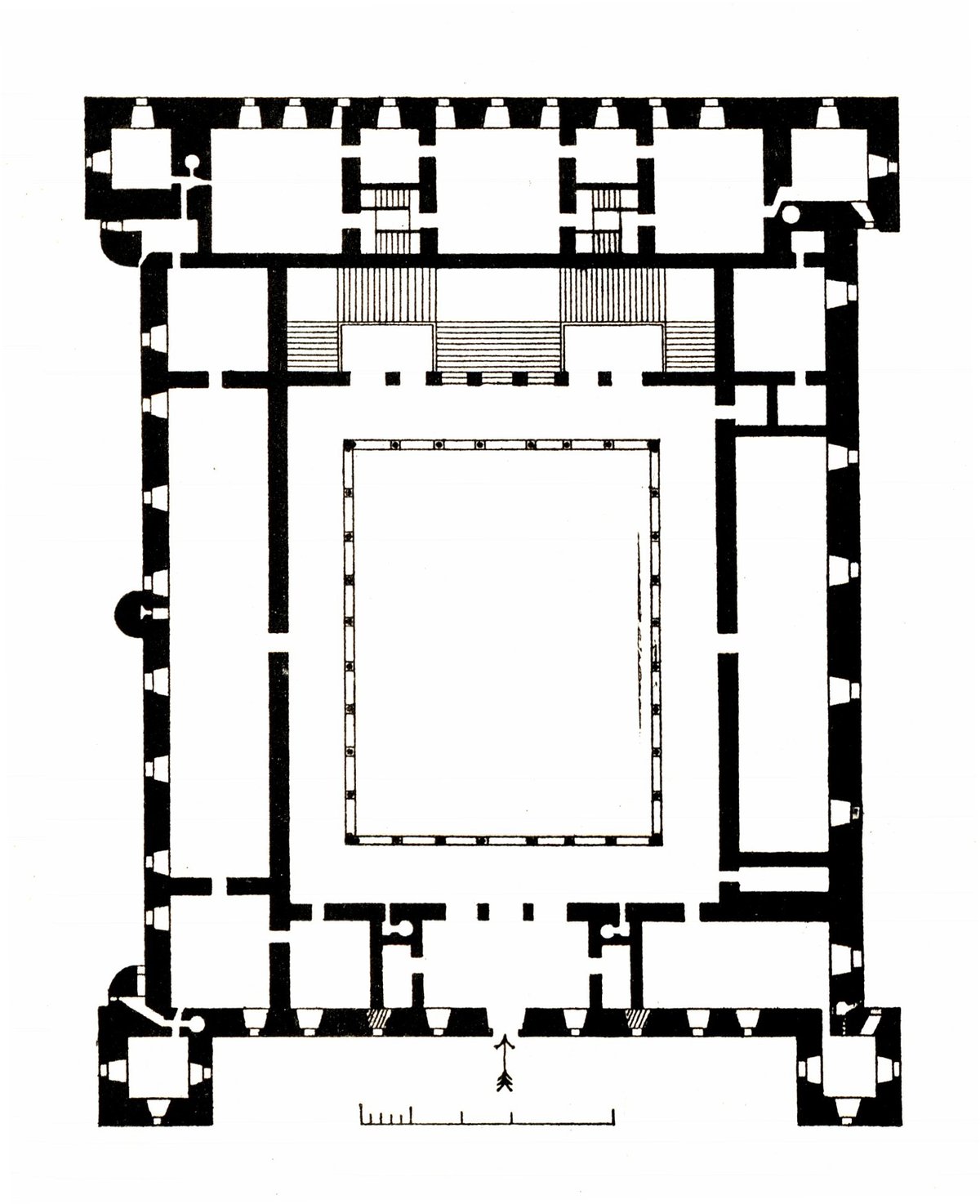
The monastery’s architecture reflects an evolving blend of Romanesque, Mudéjar, Renaissance, and later Neoclassical elements. The earliest surviving components date to the late 11th and early 12th centuries, characterized by Romanesque arches and sturdy masonry. In the 16th century, architect Nicolás de Vergara el Mozo led a major Renaissance renovation, introducing classical harmony and grandeur. The church’s main altar, installed during this period, remains a focal point (Wikimedia Commons - Main altar).
Artistic Significance and El Greco’s Legacy
The monastery is renowned for its association with the painter El Greco (Doménikos Theotokópoulos). In 1577, El Greco received his first Spanish commission here, producing major works such as “The Assumption of the Virgin” and “Resurrection.” These masterpieces marked the beginning of his influential Toledo period. While some original paintings have been relocated to museums, the church retains several works and copies, and El Greco’s tomb is also located on the premises (Wikipedia; Wikimedia Commons - Collection).
Religious and Social Role
Throughout its history, the Monastery of Santo Domingo el Antiguo has played a vital role in Toledo’s religious and social fabric. As a Benedictine convent, it has served as a center for prayer, education, and charity. The nuns’ tradition of liturgical music, manuscript illumination, and religious art has contributed to the city’s spiritual and cultural richness. The monastery’s history is also marked by resilience, surviving wars, political upheavals, and the 19th-century Desamortización, which saw the confiscation of much church property.
Visiting the Monastery: Hours, Tickets, and Accessibility
Visiting Hours:
Open Tuesday to Sunday, 10:00 AM to 6:00 PM. Closed Mondays and certain public holidays. Check the official Toledo tourism website for current schedules.
Tickets:
Admission is typically €5–€6 for adults, with discounts for students, seniors, and groups. Purchase tickets online or at the entrance.
Accessibility:
The monastery offers ramps and accessible restrooms. Some historical areas may remain inaccessible due to preservation needs.
Guided Tours:
Available in multiple languages. Advance booking is recommended, especially in peak seasons.
Nearby Attractions:
The monastery’s central location places it close to Toledo Cathedral, the Alcázar, and the Church of Santo Tomé, allowing for an enriched cultural itinerary.

Restoration and Preservation
The monastery faced significant challenges during the Desamortización and subsequent centuries, leading to the loss of assets and a decline in resources. However, recognition of its cultural importance spurred restoration efforts in the 20th and 21st centuries. Ongoing conservation projects have stabilized the building, preserved artworks, and improved visitor access, ensuring the monastery’s survival as a protected heritage site (Wikimedia Commons - Exterior).
Notable Events and Milestones
- 1085: Foundation following the reconquest of Toledo.
- 1577: El Greco’s first Spanish commission.
- 19th century: Impact of the Desamortización.
- Modern era: Major restoration and protection as a historic monument.
Historical Context within Toledo
Situated in Toledo’s historic center, the monastery forms part of a dense network of religious and historical sites. Toledo’s history as a Visigothic capital, Islamic stronghold, and Christian center is reflected in the monastery’s own evolution. Its proximity to other major landmarks makes it a key destination for understanding the city’s layered heritage.
Legacy and Continuing Importance
Today, the Monastery of Santo Domingo el Antiguo remains an active religious community and a destination for pilgrims, art lovers, and historians. Its architectural beauty, rich artistic legacy, and spiritual traditions continue to inspire visitors and scholars alike.
Frequently Asked Questions (FAQ)
Q: What are the visiting hours?
A: Tuesday to Sunday, 10:00 AM–6:00 PM. Closed Mondays.
Q: How do I buy tickets?
A: Online via the official tourism website or at the entrance.
Q: Is it accessible for wheelchairs?
A: Most public areas are accessible, but some historic spaces may be limited.
Q: Are guided tours available?
A: Yes, in several languages. Booking ahead is recommended.
Q: Which historical sites are nearby?
A: Toledo Cathedral, Alcázar, Church of Santo Tomé, and the El Greco Museum.
Location and Accessibility
The monastery is centrally located at Pl. Sto Domingo Antiguo, 2, 45002 Toledo, within walking distance of other major sites. Public transport, including buses and taxis, connects the main stations to the old town. Parking is limited; use public lots and walk to the site (Trek Zone).
Visitor Experience
Visitors are welcomed into a peaceful, contemplative atmosphere that contrasts with Toledo’s busy streets. The cloisters and gardens offer tranquility, while the church’s interior features the simple elegance characteristic of Cistercian architecture. The monastery’s understated beauty invites reflection and immersion in Toledo’s spiritual heritage.
Guided Tours, Special Events, and Photographic Highlights
Guided tours, available during peak seasons or by arrangement, explore the monastery’s history, art, and architecture. Special religious events and festivals provide deeper insight into living traditions. Photography is permitted outdoors; restrictions may apply inside.
Tips for a Memorable Visit
- Verify hours and ticket availability before arrival.
- Combine visits with nearby historical sites for a fuller experience.
- Respect the setting: Dress modestly, maintain silence during services, and follow photography guidelines.
- Bring a guidebook or app for enhanced understanding.
- Wear comfortable shoes for walking Toledo’s medieval streets.
Listen to the full story in the app
Your Personal Curator, in Your Pocket.
Audio guides for 1,100+ cities across 96 countries. History, stories, and local insight — offline ready.
Audiala App
Available on iOS & Android
Join 50k+ Curators
Sources
- verified
- verified
- verified
- verified
- verified
- verified
- verified
- verified
- verified
- verified
- verified
Last reviewed:







#/media/File:Toledo_-_Monasterio_de_Santo_Domingo_el_Antiguo_-_Retablo_mayor.jpg)
#/media/File:Toledo_-_Monasterio_de_Santo_Domingo_el_Antiguo_-_Colecci%C3%B3n.jpg)
#/media/File:Toledo_-_Monasterio_de_Santo_Domingo_el_Antiguo_-_Exterior.jpg)