Introduction to Iglesia de San Isidoro, Toledo
Toledo, Spain, renowned as the “City of Three Cultures,” captivates visitors with its intricate tapestry of Christian, Muslim, and Jewish influences. Among its array of historical sites, the Iglesia de San Isidoro stands out as a testament to this rich heritage. Named after Saint Isidore of Seville, a pivotal Visigothic scholar and Archbishop, the church embodies the city’s spiritual, architectural, and cultural evolution through the centuries.
While the original Iglesia de San Isidoro in the Antequeruela district no longer exists, its historical legacy endures, and a preserved church bearing the same name just outside the medieval walls offers visitors a compelling example of Toledo’s diverse architectural styles. This guide delivers a comprehensive overview of the church’s origins, architectural highlights, cultural significance, and practical information—including visiting hours, ticketing, and travel advice—to help you make the most of your visit (Toledo Turismo; Cambridge Studies in Church History; Ubedatactil).
Historical Context and Significance
Origins and Early History
First documented in 1175, during the era following King Alfonso VI’s reconquest of Toledo, the original Iglesia de San Isidoro symbolized the city’s resurgence as a Christian and royal center. The dedication to Saint Isidore of Seville, renowned for his pivotal role in the Fourth Council of Toledo, reflects the church’s deep roots in Visigothic religious and intellectual tradition.
Parish Role and Community Importance
The church primarily served the rural outskirts of Toledo, notably the Covachuelas district and lands toward Azucaica, making it unique among the city's churches for its extramural parishioners. It also oversaw the nearby Iglesia de la Magdalena in Azucaica for a period, underscoring its significance in the region’s spiritual and social life. In the 19th century, demographic shifts led to the merging of parishes, resulting in San Isidoro’s transformation into a hermitage and eventual demolition.
Architectural Evolution: Mudéjar, Gothic, and Renaissance Influences
Mudéjar Elements
The earliest church was characterized by ajimeces—arched windows reminiscent of Islamic design—illustrating Toledo’s distinctive Mudéjar style, which arose from the coexistence of Christian and Muslim artistic traditions.
Gothic and Renaissance Synthesis
The present-day Iglesia de San Isidoro, located just outside the old city walls, offers a striking example of architectural fusion:
- Gothic Facade: Notable for pointed arches, a vertical emphasis, and a unique espadaña (bell gable) instead of a traditional tower. The facade’s simplicity is punctuated by a coat of arms honoring Bishop Suárez de la Fuente del Sauce (Ubedatactil).
- Renaissance Interior: Inside, the church features a Latin cross plan, towering Corinthian columns, and harmonious classical proportions. Renaissance motifs such as pilasters and geometric floor patterns create a refined, tranquil atmosphere.
This blend of exterior Gothic austerity and interior Renaissance elegance sets Iglesia de San Isidoro apart in Toledo’s ecclesiastical landscape.
Decline, Disappearance, and Current Status
By the late 19th century, the original Iglesia de San Isidoro in Antequeruela had been demolished due to population decline and limited resources. Today, the site offers only its historical ambiance, but the current church just outside the medieval walls welcomes visitors eager to explore its architectural and spiritual legacy.
Visiting Information: Hours, Tickets, and Accessibility
Visiting Hours
- Open: Tuesday to Sunday, 10:00 AM – 6:00 PM
- Closed: Mondays and major public holidays
- Note: Hours may vary seasonally; always confirm via the official Toledo tourism website or local tourist office.
Tickets and Admission
- Admission: Free; donations are welcome to support maintenance and conservation.
- Toledo Monuments Wristband: Entry may be included in the wristband granting access to several historical sites—an excellent value for comprehensive exploration.
Accessibility
- The church is wheelchair accessible, with level entrances and clear interior pathways. However, historic stone floors may be uneven.
- For visitors with mobility concerns, comfortable footwear is advised.
Guided Tours
- Guided tours are available via local operators and may be part of broader Toledo historical site packages. Audio guides can also enhance the visit.
Nearby Attractions and Suggested Itineraries
Combine your visit to Iglesia de San Isidoro with other key sites:
- Toledo Cathedral: A Gothic masterpiece just a short walk away.
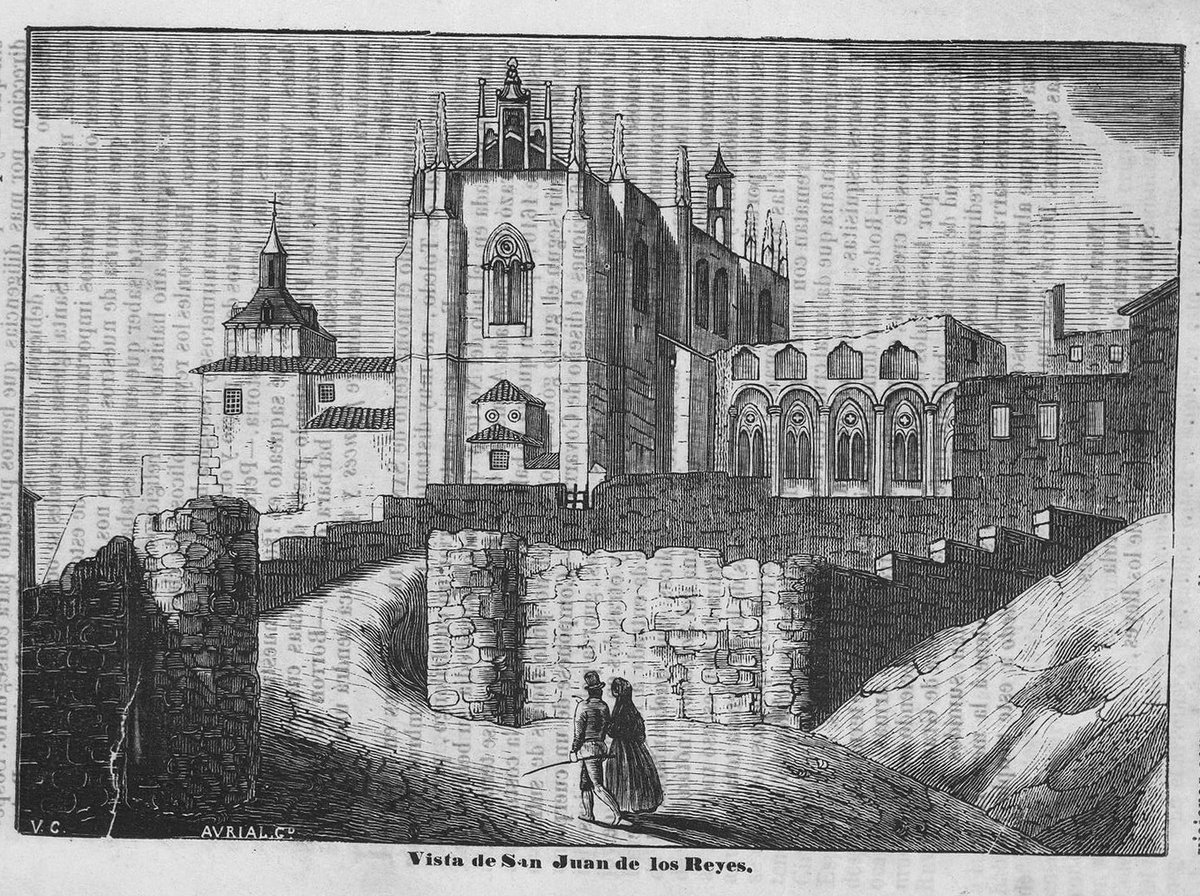
- Monastery of San Juan de los Reyes: Showcasing Isabelline Gothic architecture.
- Alcázar of Toledo: Historic fortress with panoramic city views.
- Jewish Quarter: Includes Santa María la Blanca and El Tránsito synagogues, plus the Sephardic Museum.
Getting There
- By Train: High-speed AVE trains from Madrid reach Toledo in 30 minutes.
- By Bus/Taxi: City buses and taxis serve the old town; walking is best for exploring narrow medieval streets.
Visitor Tips and Etiquette
- Best Time to Visit: Early mornings and late afternoons on weekdays offer a quieter experience.
- Dress Code: Modest attire is required; cover shoulders and knees.
- Photography: Allowed except during services; always check signage.
- Language: English tours are available, but knowing basic Spanish phrases is helpful.
- Weather: Summers are hot; bring sun protection and water.
Frequently Asked Questions (FAQ)
Q: Can I visit the original Iglesia de San Isidoro in Antequeruela?
A: No, it was demolished in the 19th century; only the site’s historical ambiance remains.
Q: What are the visiting hours for the current Iglesia de San Isidoro?
A: Tuesday to Sunday, 10:00 AM – 6:00 PM; closed Mondays.
Q: Is there an entrance fee?
A: Admission is free; donations are appreciated.
Q: Is the church accessible to people with disabilities?
A: Yes, with some limitations due to historic flooring.
Q: Are guided tours available?
A: Yes, through local operators and as part of Toledo’s monuments package.
Listen to the full story in the app
Your Personal Curator, in Your Pocket.
Audio guides for 1,100+ cities across 96 countries. History, stories, and local insight — offline ready.
Audiala App
Available on iOS & Android
Join 50k+ Curators
Sources
- verified
- verified
- verified
- verified
Last reviewed: