Plan and listen to Baños De Tenerías with Audiala
Audio guide in your pocket, itinerary in your browser. Built for the way you actually visit.
Introduction
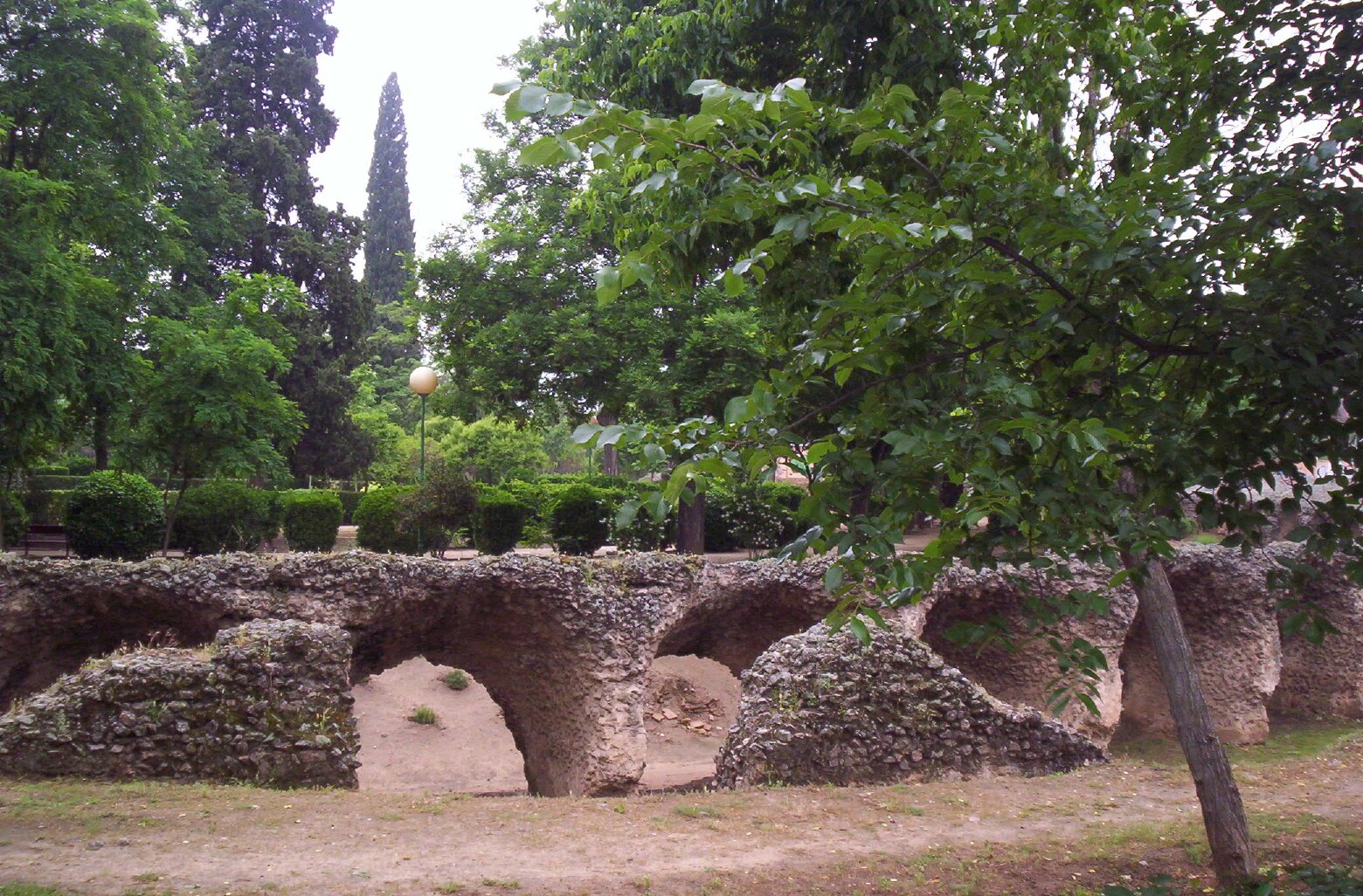
The Baños de Tenerías, nestled in Toledo’s historic Curtidores (Tanners) neighborhood, stand as a unique testament to the city’s Islamic heritage and medieval industry. Dating back to the early 11th century, these public baths (hammams) offer insight into Toledo’s urban and social fabric, architectural innovation, and the daily routines of its multicultural communities. Integrally linked to the leather-working district, the baths exemplify the adaptation of Roman bathing customs to Islamic traditions and served as vital centers of purification, socialization, and industrial support. Over centuries, the site has witnessed Toledo’s evolution from Islamic to Christian rule, periods of decline, and eventual archaeological rediscovery. Today, as part of Toledo’s UNESCO World Heritage center, the Baños de Tenerías continue to captivate historians and visitors, even as they face ongoing conservation challenges. This comprehensive guide provides essential information for visitors, from practical details to historical context, and highlights the significance of this hidden gem in Toledo’s layered past. (Nomads Travel Guide; Toledo Guía Turística y Cultural; FUNCi; ABC España)
Historical Background
Origins and Medieval Context
Constructed in the early 11th century, the Baños de Tenerías are among the most important Islamic baths surviving in the Iberian Peninsula. Built during Toledo’s Islamic period, the baths reflect a sophisticated adaptation of earlier Roman bath traditions, featuring specialized rooms for cold, warm, and hot bathing, a water cistern (aljibe), and an ingenious hypocaust heating system. Their proximity to the Mosque of Al-Dabbagin (today’s Church of San Sebastián) and the Tagus River underlines their strategic placement within Toledo’s urban and industrial landscape. (Nomads Travel Guide; FUNCi)
Social, Religious, and Industrial Role
The Baños de Tenerías served essential roles beyond public hygiene. As social centers, they fostered community interaction and served as spaces for ritual purification before prayer, closely connected to the adjacent mosque. The baths’ dependence on abundant water supplies also made them integral to the leather-tanning industry that dominated the Tenerías district, reflecting the intersection of spiritual, social, and economic life in medieval Toledo. (Spotting History; ABC España)
Architectural Features and Archaeological Findings
Excavations have revealed a remarkable array of well-preserved features: stone and ceramic basins used in tanning, the classic Islamic bath sequence (frigidarium, tepidarium, caldarium), latrines, storage rooms, and a sophisticated network of stone and ceramic water channels and hypocaust heating systems. Barrel vaults (bóvedas de medio cañón) and brickwork reflect Mudéjar and Islamic construction techniques, while the absence of roofing allows for a clear view of the bath layout. These features collectively offer invaluable insights into the technological and architectural achievements of medieval Toledo. (Arteguias)
Visitor Information
Location and Directions
The Baños de Tenerías are located in the Curtidores neighborhood, just outside Toledo’s medieval walls near the Church of San Sebastián and the Tagus River. The site can be reached via Bajada de San Sebastián or Calvario Carreras streets. Walking from Toledo’s historic center takes about 15 minutes; public transportation and taxis are also options, but parking is limited. (Toledo Guía Turística y Cultural)
Visiting Hours and Admission
- Current Status: Due to conservation needs, the site is not fully open for unsupervised visits.
- Guided Tours: Visits are generally available by appointment through local agencies or heritage organizations. Advance booking is strongly recommended.
- Hours: Tour times vary; consult official Toledo tourism resources for current schedules.
- Admission: Fees apply to guided tours; discounts typically available for students, seniors, and groups. Children under 12 are often admitted free when accompanied.
Accessibility and Tour Options
Due to the archaeological nature of the site, terrain is uneven and some areas may not be accessible to visitors with reduced mobility. Where possible, pathways and viewing platforms have been integrated. Inquire in advance for accessibility accommodations or consider visiting alternative bath sites in Toledo with better access.
COVID-19 Protocols
Visitors are advised to follow local health guidelines, including mask use and social distancing if still required. Check for the latest updates on official tourism websites before your visit.
Heritage Status and Conservation Efforts
Although included within Toledo’s UNESCO World Heritage historic center, the Baños de Tenerías have not yet received full Bien de Interés Cultural (BIC) legal protection. Conservation challenges—including structural deterioration, vegetation overgrowth, and risk of vandalism—have led to the baths’ inclusion on Hispania Nostra’s “Red List” of endangered heritage sites. Local organizations and the Consorcio de Toledo are actively advocating for restoration and improved visitor access, with proposals for integrated preservation of the baths and surrounding riverfront. (ABC España; Hispania Nostra Twitter)
Context within Toledo and the Islamic World
Baños de Tenerías is one of six known Islamic baths in Toledo, reflecting the city’s historic role as a crossroads of Muslim, Christian, and Jewish cultures. Their layout and function parallel hammams across the Islamic world—including those in Morocco and the wider Mediterranean—demonstrating Toledo’s influence and its tradition of architectural innovation. The baths are also a crucial element of the city’s “Cultural Landscape of Water,” which includes tanneries, medieval city walls, and the Tagus River. (Nomads Travel Guide; ABC España)
Frequently Asked Questions (FAQ)
Q: Are the Baños de Tenerías open to the public?
A: Access is generally by guided tour only, due to preservation needs. Check with local tourism offices for current availability.
Q: Is there an admission fee?
A: Yes, tour fees apply; discounts are available for certain groups.
Q: Is the site wheelchair accessible?
A: Accessibility is limited due to uneven, archaeological terrain. Contact the site or tour provider for advice.
Q: How do I book a visit?
A: Book through official Toledo tourism channels or local tour agencies such as Cuatro Calles.
Q: What other attractions are nearby?
A: The Church of San Sebastián, the Tagus River promenade, the Jewish Quarter, Alcázar, and other historic bathhouses.
Listen to the full story in the app
Researched and written by the Audiala editorial team from historical records, architectural archives, and local expertise.
Last reviewed