Plan and listen to Puente Del Centenario with Audiala.
Audio guide in your pocket, itinerary in your browser. Built for the way you actually visit.
Introduction
The Puente del Centenario (V Centenario Bridge) is a defining landmark of modern Seville—a vital link in the city's infrastructure and a symbol of its evolution from a storied past to a vibrant present. Built to commemorate the 500th anniversary of Christopher Columbus’s voyage to the Americas, this cable-stayed bridge not only connects key urban districts but also stands as a testament to Seville’s innovation and forward-looking spirit. This comprehensive guide provides essential information on visiting the bridge, including access details, current renovations, historical context, nearby attractions, and practical travel tips to help you make the most of your Seville experience.


Historical Context and Purpose
Origins
Conceived in the late 1980s, the Puente del Centenario was built as part of Seville’s preparations for the 1992 Universal Exposition (Expo '92), marking the quincentenary of Columbus’s first voyage. The bridge’s construction responded to increasing traffic demands and the need for a modern connection across the Guadalquivir River, especially between the Port of Seville, southern districts, and the city center (Ministerio de Transportes y Movilidad Sostenible).
Purpose
From its inception, the bridge was envisioned as both an engineering marvel and a civic symbol—linking Seville’s history with its future as a European metropolis. Its strategic position on the SE-30 ring road has alleviated congestion in the historic center and facilitated economic growth by streamlining logistics between the port, industrial zones, and expanding suburbs (El Correo Web).
Architectural Features
- Type: Cable-stayed bridge
- Total Length: 565 meters
- Main Span: 265 meters
- Pylon Height: 102 meters
- Clearance Below: 45–46 meters (to allow passage of large ships)
- Number of Lanes: 6 (3 in each direction after renovations)
- Year Opened: 1992
The bridge’s two massive pylons and 88 steel cable stays create a striking profile, making it instantly recognizable on Seville’s skyline. Built with reinforced concrete and high-strength steel, the cable-stayed structure minimizes the number of river piers, thus safeguarding the Guadalquivir’s navigability and ecosystem (Wikipedia).
Visitor Information
Visiting Hours and Access
- Bridge Access: The Puente del Centenario is a public infrastructure, open to vehicles 24/7. There are no entrance fees or tickets required (Evendo).
- Pedestrian and Cyclist Access: Typically, the bridge itself does not offer dedicated pedestrian walkways. Access for walkers and cyclists is limited and may be temporarily restricted during ongoing construction works or scheduled nighttime closures (Ministerio de Transportes).
- Photography and Viewing: While walking across the bridge is not permitted, excellent views can be enjoyed from the Palmas Altas commercial area, Isla Natura neighborhood, and riverbank promenades. Sunrise and sunset are ideal times for photography.
Getting There
- By Car: The bridge is part of the SE-30 ring road; parking is available in adjacent districts but can be limited, especially during construction (Visit Andalucia).
- By Public Transport: Bus line 34 from Plaza de Armas stops near the bridge. Tram and bus combinations, as well as cycling via riverside bike lanes, offer convenient alternatives (Evendo).
- On Foot: Walking from Parque de María Luisa to the bridge takes about 15–20 minutes along scenic riverbanks.
Parking
Parking is available in nearby neighborhoods, such as Heliópolis and the port area. Plan ahead during peak hours or ongoing construction to avoid congestion.
Urban and Cultural Significance
The Puente del Centenario is more than a functional structure. It:
- Integrates seamlessly with Seville’s growing infrastructure, supporting economic activity and daily commutes.
- Serves as a civic symbol, marking the city’s role as a historical gateway between Europe and the Americas.
- Represents Seville’s commitment to modern engineering and sustainable urban development (Acciona).
Nearby Historical Sites and Attractions
While visiting the bridge, consider exploring these nearby highlights:
- Parque de María Luisa – Iconic green space, perfect for relaxation (Trek Zone).
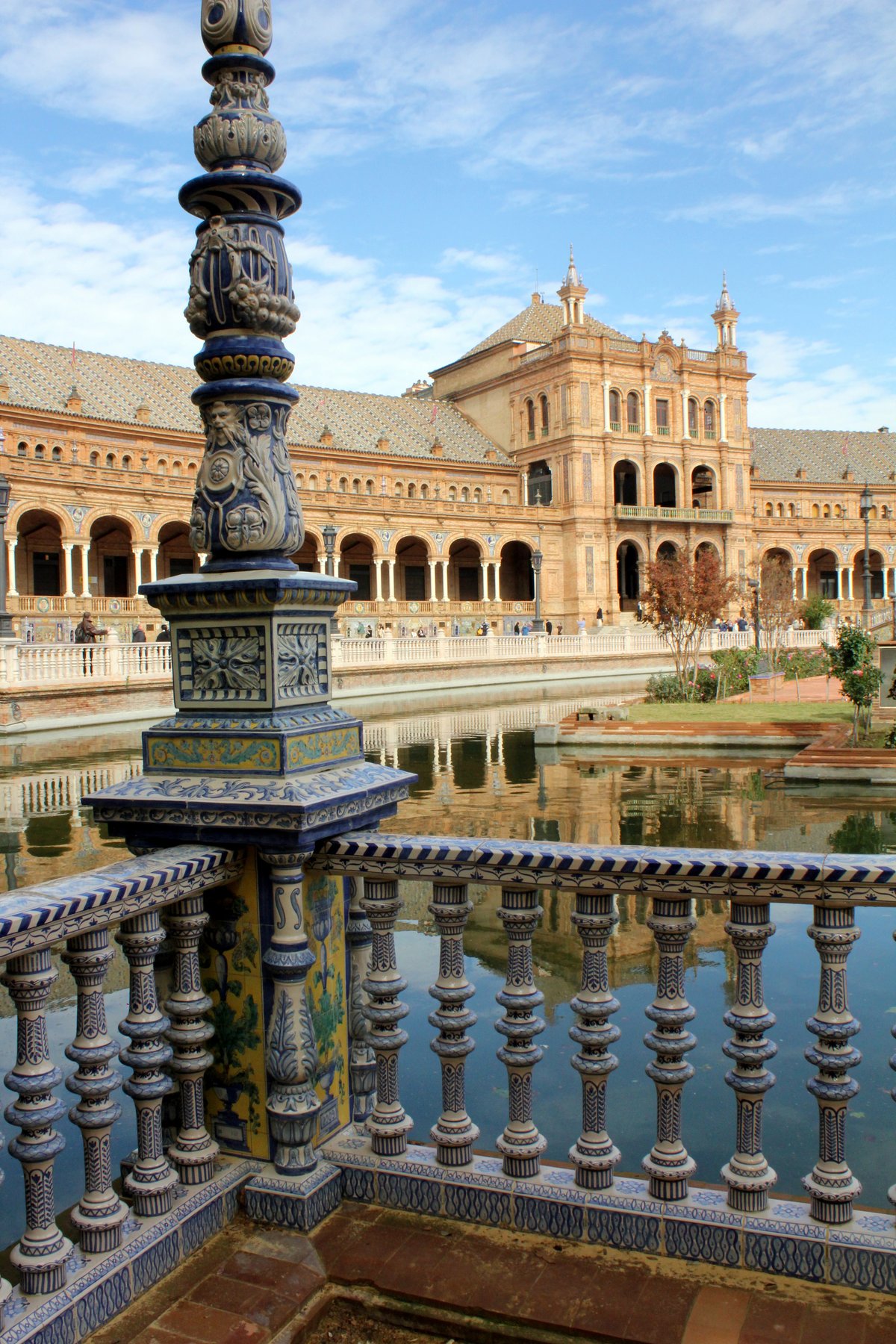
- Plaza de España – Famed for its architecture and tilework, within María Luisa Park.
- Estadio Benito Villamarín – Home of Real Betis football club.
- Triana Neighborhood – Renowned for flamenco and tapas, accessible via other bridges (Visit Andalucia).
- Port of Seville – Offers insight into the city’s maritime heritage.
Ongoing Renovations and Traffic Updates
Renovation Timeline (2021–2025/26)
Since August 2021, the Puente del Centenario has been undergoing major renovations:
- Widening the deck: Expanding to three lanes in each direction to address congestion.
- Replacing all 88 cable stays: Ensuring safety and structural integrity.
- Reinforcing piers: Strengthening foundations and anchoring systems.
- Budget: Approx. €120 million (El Correo Web, ABC Sevilla).
Traffic Disruptions and Alternative Routes
- Nighttime Closures: Work is primarily conducted at night (22:00–06:00), with full or partial bridge closures on scheduled dates (Ministerio de Transportes, 20 Minutos).
- Alternate Crossings: Use Puente de la Esclusa or other city bridges during closures.
- Pedestrian and Cyclist Access: May be restricted; check local advisories before visiting.
For real-time updates, consult the Ministry of Transport’s official news page.
Practical Travel Tips
- Best Times to Visit: Early mornings, late evenings, and weekends are less congested. Sunset offers beautiful light for photos.
- Monitor Updates: Stay informed on construction schedules and traffic detours (Ministerio de Transportes).
- Use Public Transport: Reduce your carbon footprint and avoid parking hassles by using buses, trams, or cycling (Visit Andalucia).
- Stay Safe: Heed all signage, especially near construction zones, and avoid attempting to access restricted areas.
- Travel Comfort: Seville summers are hot; visit early or late in the day (Devour Tours).
Frequently Asked Questions (FAQ)
Q: Are there specific visiting hours or tickets required for Puente del Centenario?
A: No, the bridge is a public road open 24/7 with no tickets required. Pedestrian and cyclist access may be restricted during construction or at night.
Q: Can I walk or bike across the bridge?
A: Generally, pedestrian and cyclist access is limited for safety, especially during renovations. Use nearby promenades for views.
Q: Are guided tours available?
A: There are no official guided tours of the bridge, but some city tours may include it in their itineraries.
Q: What is the best way to photograph the bridge?
A: Sunrise or sunset from Palmas Altas, Isla Natura, or riverbank parks offer the best light and angles.
Q: Where can I find real-time traffic updates?
A: Visit the official Ministry of Transport news page.
Summary of Key Information
| Feature | Details |
|---|---|
| Location | SE-30 ring road, Palmera-Bellavista, Seville |
| Year Opened | 1992 |
| Type | Cable-stayed bridge |
| Length | 565 meters (main span: 265 meters) |
| Current Status | Under renovation (2021–2025/26); partial closures and detours in effect |
| Access | Free; open to vehicles, limited pedestrian/cyclist access (subject to construction) |
| Nearby Attractions | Parque de María Luisa, Plaza de España, Estadio Benito Villamarín, Triana |
| Public Transport | Bus 34, tram + bus, cycling, walking |
| Facilities | None on bridge; amenities in adjacent neighborhoods and parks |
| Best Time to Visit | Early morning, late evening, weekends, sunset |
Stay Connected
Download the Audiala app for live traffic updates, travel tips, and exclusive content on Seville’s landmarks. For more guides, follow us on social media and explore related articles on Seville’s rich history and modern attractions.
Audiala2024
Listen to the full story in the app
The whole Puente Del Centenario,
told well.
Audio guides for 1,100+ cities across 96 countries. History, stories, and local insight — offline ready.
Verified, and shown.
Researched and written by the Audiala editorial team from historical records, architectural archives, and local expertise.
Researched from Wikidata, Wikipedia & official sources · fact-checked · How we make our guides →