Plan and listen to Lope De Vega Theatre with Audiala.
Audio guide in your pocket, itinerary in your browser. Built for the way you actually visit.
Introduction
The Lope de Vega Theatre is one of Seville’s most cherished cultural landmarks, renowned for its Neo-Baroque architecture, vibrant performing arts program, and historical significance. Built for the Ibero-American Exposition of 1929 and named after the legendary playwright Lope de Vega, the theatre has become a symbol of Seville’s dedication to the arts and a focal point for both locals and visitors seeking to immerse themselves in Andalusian culture. This comprehensive guide explores the theatre’s fascinating history, architectural highlights, cultural role, and practical information for planning your visit—including current visiting hours, ticketing, accessibility, and nearby attractions (Andalucia.com, Sevilla City Office, Wikipedia).


Origins and Construction
The Lope de Vega Theatre’s origins are closely tied to the Ibero-American Exposition of 1929, a major event designed to highlight Spain’s cultural connections with Latin America (Andalucia.com). Construction began in 1927 under architect Vicente Traver y Tomás, who was tasked with creating an opulent venue suitable for both major performances and large-scale events. The theatre was inaugurated on March 9, 1929, as part of a complex that included the adjacent Casino de la Exposición, serving as a social and cultural hub during the exposition (Sevilla City Office).
Architectural Significance
The Lope de Vega Theatre stands as a prime example of Neo-Baroque and early 20th-century Spanish eclecticism. Traver y Tomás drew on Baroque and Renaissance motifs, visible in the theatre’s ornate façade, grand columns, and the imposing central dome (Arquitectura de Sevilla). The interior features a horseshoe-shaped auditorium, gilded moldings, intricate plasterwork, and a lavish chandelier, accommodating up to 1,100 spectators at its peak. After restoration in the late 1980s, seating was reduced to 749 to enhance comfort and safety (Wikipedia). The theatre’s architectural splendor reflects Seville’s aspirations to be a cultural beacon within Spain and the Hispanic world (ABC de Sevilla).
Cultural Role and Early Years
From its opening, the Lope de Vega Theatre was envisioned as a center for Seville’s cultural life. It hosted a range of performances during the 1929 exposition—including opera, zarzuela, and theatre—quickly establishing itself as a premier venue for the performing arts (Ayuntamiento de Sevilla). In the following decades, it became the main stage for local festivals, civic events, and the promotion of Andalusian culture, including flamenco and traditional music.
Wartime and Postwar Evolution
The Spanish Civil War and its aftermath led to a period of neglect and limited activity for the theatre. Restoration efforts began in the 1950s and 1960s, updating technical facilities and expanding programming to include classical music, ballet, contemporary theatre, and film screenings (El Correo de Andalucía).
Restoration and Modernization
In 1986, the City of Seville took ownership of the theatre and launched a major restoration, preserving historic elements while equipping the venue with modern technology (Sevilla City Office). The renovation safeguarded original seating, stage machinery, and ornamental details, while improving accessibility and audience comfort. Today, the theatre boasts state-of-the-art acoustics, lighting, and technical facilities (Teatro Lope de Vega Official).
Visiting the Lope de Vega Theatre: Practical Information
Visiting Hours & Tickets
- Visiting Hours: The theatre typically welcomes visitors Tuesday to Saturday, 10:00 AM to 6:00 PM, with extended hours for evening performances. Always confirm hours on the official website, especially during festivals or renovations.
- Tickets: Tickets range from €10 to €50, depending on the event and seat selection. Purchase online via the official ICAS Sevilla website, at the box office, or through authorized partners. Discounts are available for students, seniors, and groups.
Guided Tours & Accessibility
- Guided Tours: Regular tours explore the theatre’s architecture, history, and backstage areas. Advance reservations are recommended, especially for English-language tours.
- Accessibility: The theatre is wheelchair accessible, featuring ramps, elevators, and designated seating. Assistance is available for visitors with mobility challenges.
Travel Tips & Nearby Attractions
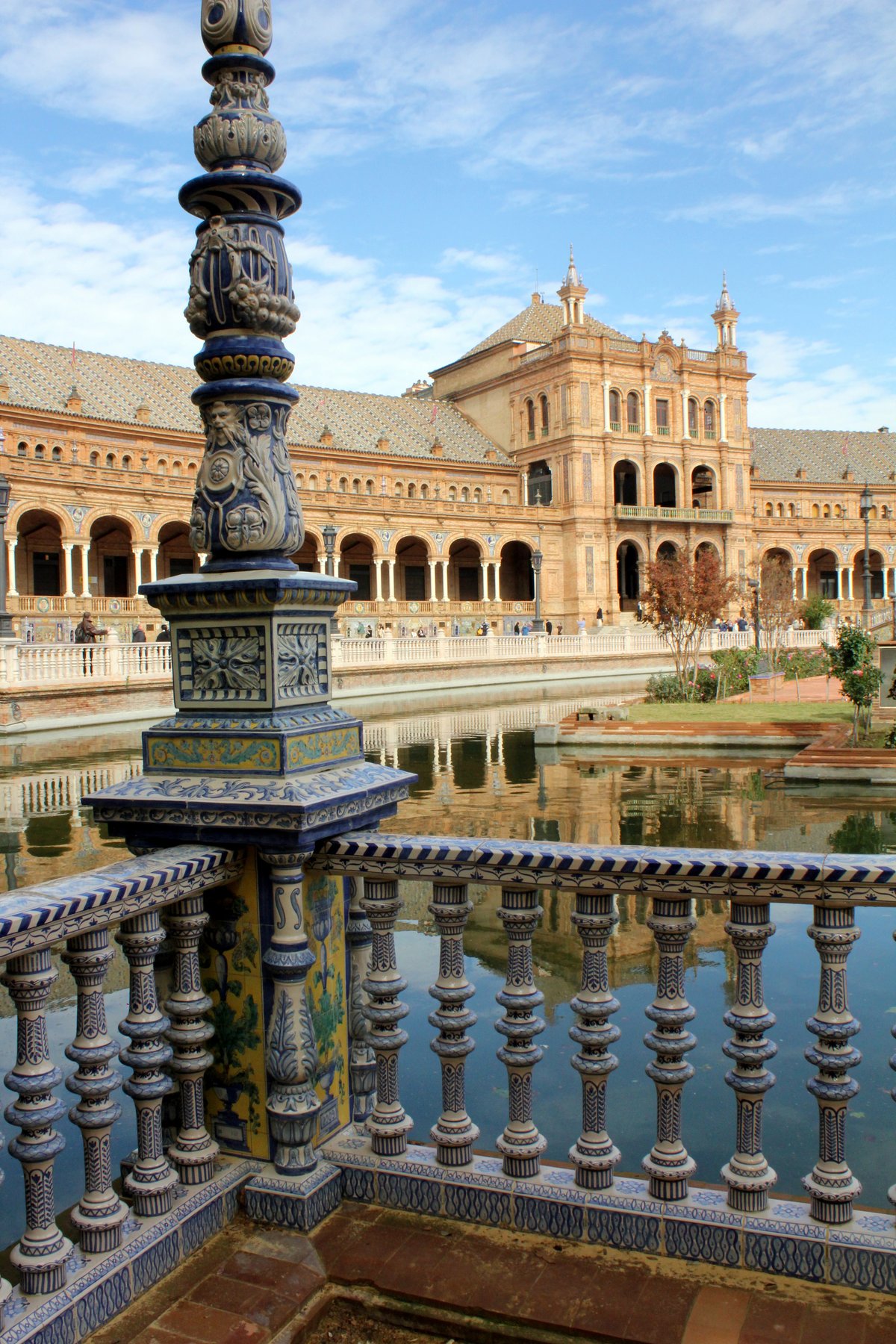
- Location: Avenida de María Luisa, adjacent to María Luisa Park and near Plaza de España, the Alcázar, and the General Archive of the Indies (Trek Zone).
- Transport: Easily reached by tram (Prado de San Sebastián stop), bus, taxi, or on foot. Limited street parking; public transport is advised (Tussam Official Site).
- Nearby Attractions: María Luisa Park, Casino de la Exposición, Plaza de España, and the Alcázar are all within walking distance.
Contemporary Cultural Impact
The Lope de Vega Theatre is a key venue for Seville’s major artistic events, including the Bienal de Flamenco and the Festival de Música Antigua de Sevilla (Bienal de Flamenco). Its annual schedule features more than 180 performances across theatre, opera, dance, and concerts, attracting over 100,000 spectators (Turismo Sevilla). The theatre also supports local talent, community groups, and educational outreach, ensuring its role as a vibrant community hub.
Preservation and Heritage Status
Recognized as a protected cultural landmark by the regional government (Junta de Andalucía), the theatre’s preservation is ensured by ongoing investment and strict conservation guidelines. Restoration and modernization projects have maintained its architectural integrity and historical character.
Notable Events and Legacy
Over its long history, the theatre has hosted world premieres, international festivals, and performances by luminaries such as Antonio Gades, María Pagés, and Plácido Domingo (ABC de Sevilla). It even served as the venue for the 1987 World Chess Championship between Garry Kasparov and Anatoly Karpov. The theatre’s adaptability and resilience have cemented its place as an essential pillar of Seville’s cultural life.
Frequently Asked Questions (FAQ)
What are the Lope de Vega Theatre’s visiting hours?
Tuesday to Saturday, 10:00 AM to 6:00 PM; extended hours for performances. Confirm current schedule online.
How do I buy tickets?
Purchase tickets online via the official site, at the box office, or through authorized partners.
Is the theatre accessible?
Yes, with wheelchair access, elevators, and assistance for visitors with disabilities.
Are guided tours available?
Yes, regular guided tours are offered; advance booking is recommended.
What are the nearby attractions?
María Luisa Park, Casino de la Exposición, Plaza de España, and the Alcázar.
Listen to the full story in the app
The whole Lope De Vega Theatre,
told well.
Audio guides for 1,100+ cities across 96 countries. History, stories, and local insight — offline ready.
Verified, and shown.
Researched and written by the Audiala editorial team from historical records, architectural archives, and local expertise.
Researched from Wikidata, Wikipedia & official sources · fact-checked · How we make our guides →